A Week in Puglia, Italy: What Dreams are Made Of
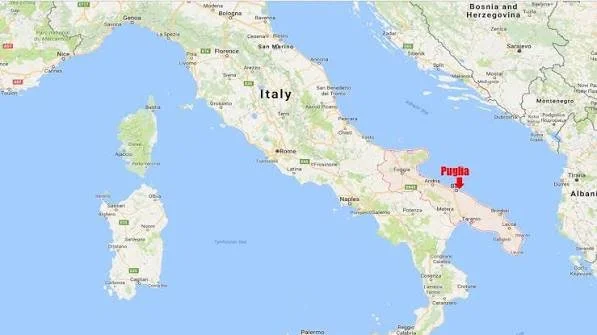
We recently spent a dreamy week in beautiful Puglia Italy. Before this trip, I didn’t know anything about Puglia… and boy was I missing out! Puglia is one of the 20 regions of Italy, located in the southern peninsular section of the country. It is bordered by the Adriatic Sea to the east, the Strait of Otranto and Ionian Sea to the southeast and the Gulf of Taranto to the south.
Puglia is mostly flat with some rolling hills, both sand and pebbled beaches, picture-perfect azure water, charming old cities, incredible history, and the friendliest people. It is home to delicious locally grown olive oil, artichokes, tomatoes, eggplant, asparagus, grapes, and THE BEST seafood, as well as PASTA, PASTA, PASTA - plus burrata originated here.
Below you will find a high-level overview of our week in Puglia. If you want to know more, can click on the links at the end of each section to get more details on what we did, where we ate, where we stayed, and to see more photos of this magical place!
This was an unforgettable week of vacation discovering only a portion of what Puglia has to offer.
DINNER ON THE PONTE MADONNA DELLA STELLA
This entire trip was planned around a dinner I wanted to attend that was hosted by Outstanding in the Field (@out_inthefield). We’d attended one of their events a couple of years ago in Washington and enjoyed it. When I saw the dinner advertised on the Madonna della Stella, I just knew we HAD TO GO! We’d originally thought we’d go to the dinner then fly to Greece for a week. But after doing some research on Puglia, we decided to stay in that area and check it out.
We flew from Frankfurt into the Puglian city of Bari and drove from there to Gravina (more on renting a car and driving in Italy below).
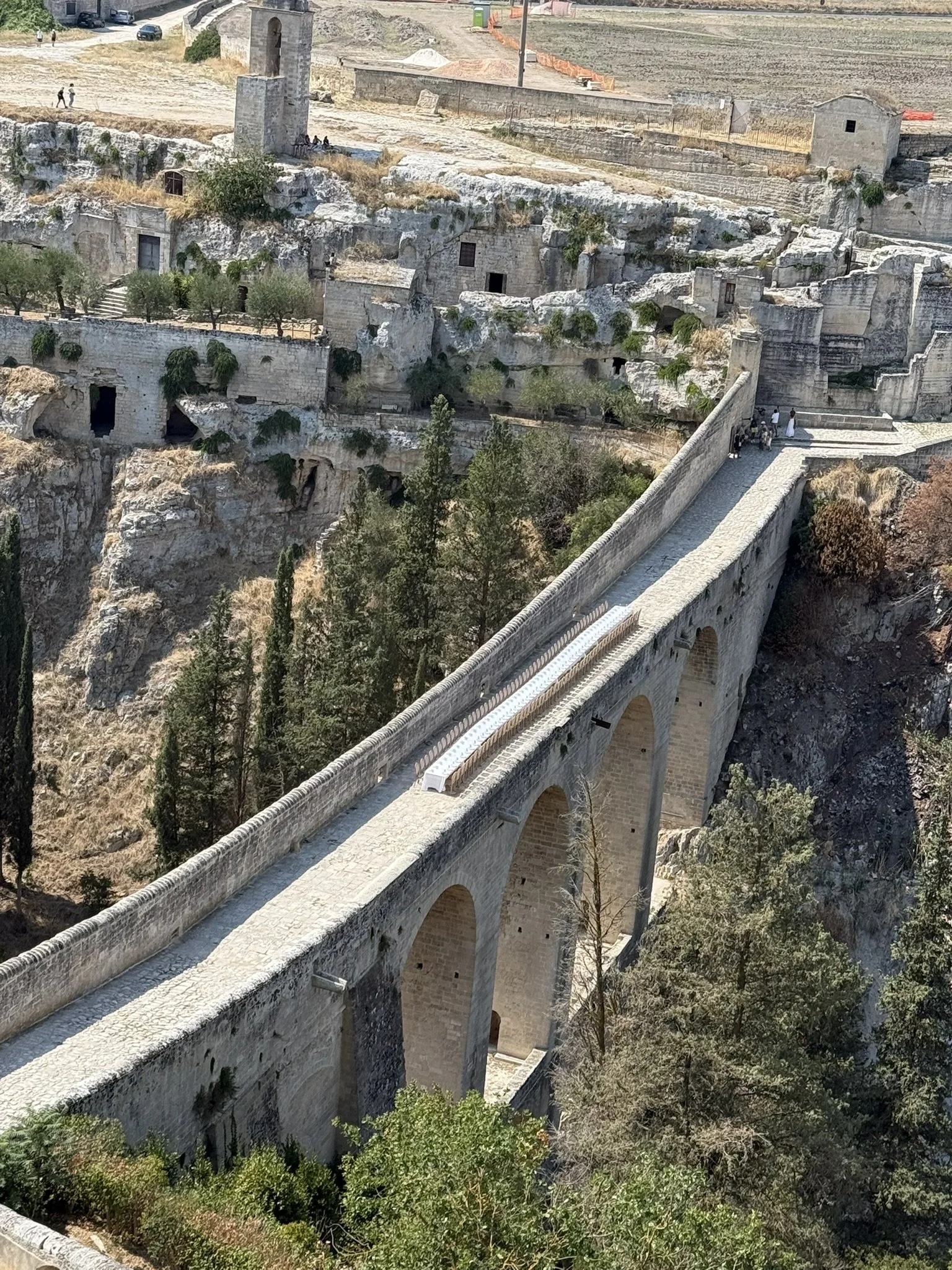
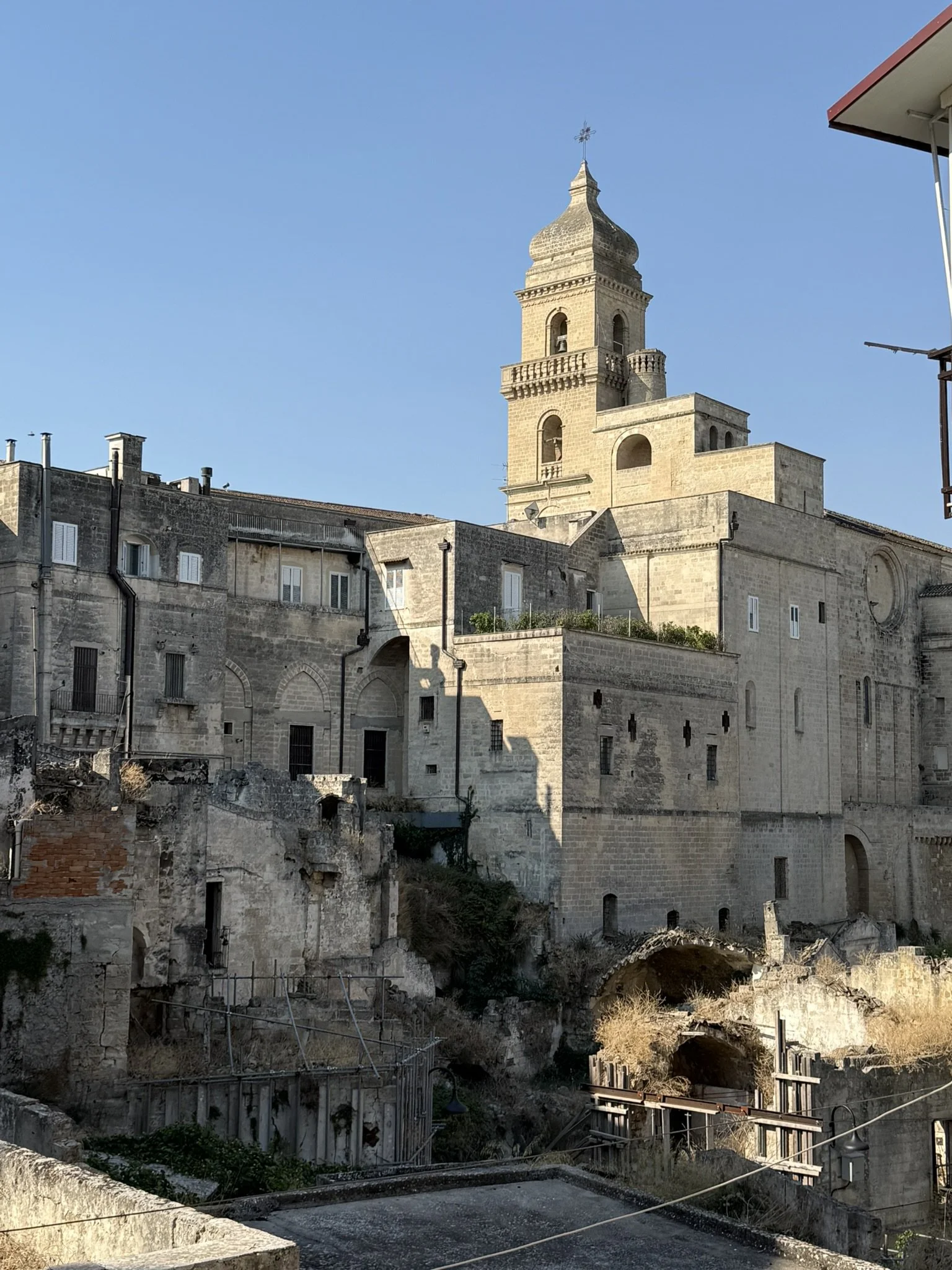
Gravina is a spectacular cliffside town perched dramatically on the edge of a deep limestone canyon. It is relatively small and not a super touristy destination but features some highlights that are worth the visit - including the aqueduct bridge, underground city, a quaint town square, and gorge walls with ancient cave dwellings and churches carved right into the rock.
The dinner on Ponte Madonna della Stella put on by Outstanding in the Field was AMAZING!! It was a once in a lifetime, surreal experience. We started with a beautiful cocktail hour in a vineyard with a view of Gravina in the distance. Then moved to the gorgeous bridge for dinner.
The food was local and delicious.
The wine was wonderful and made by a Gravina native.
The time breaking bread with people from around the world on that beautiful bridge was unforgettable…. definitely a memory that will last a lifetime!
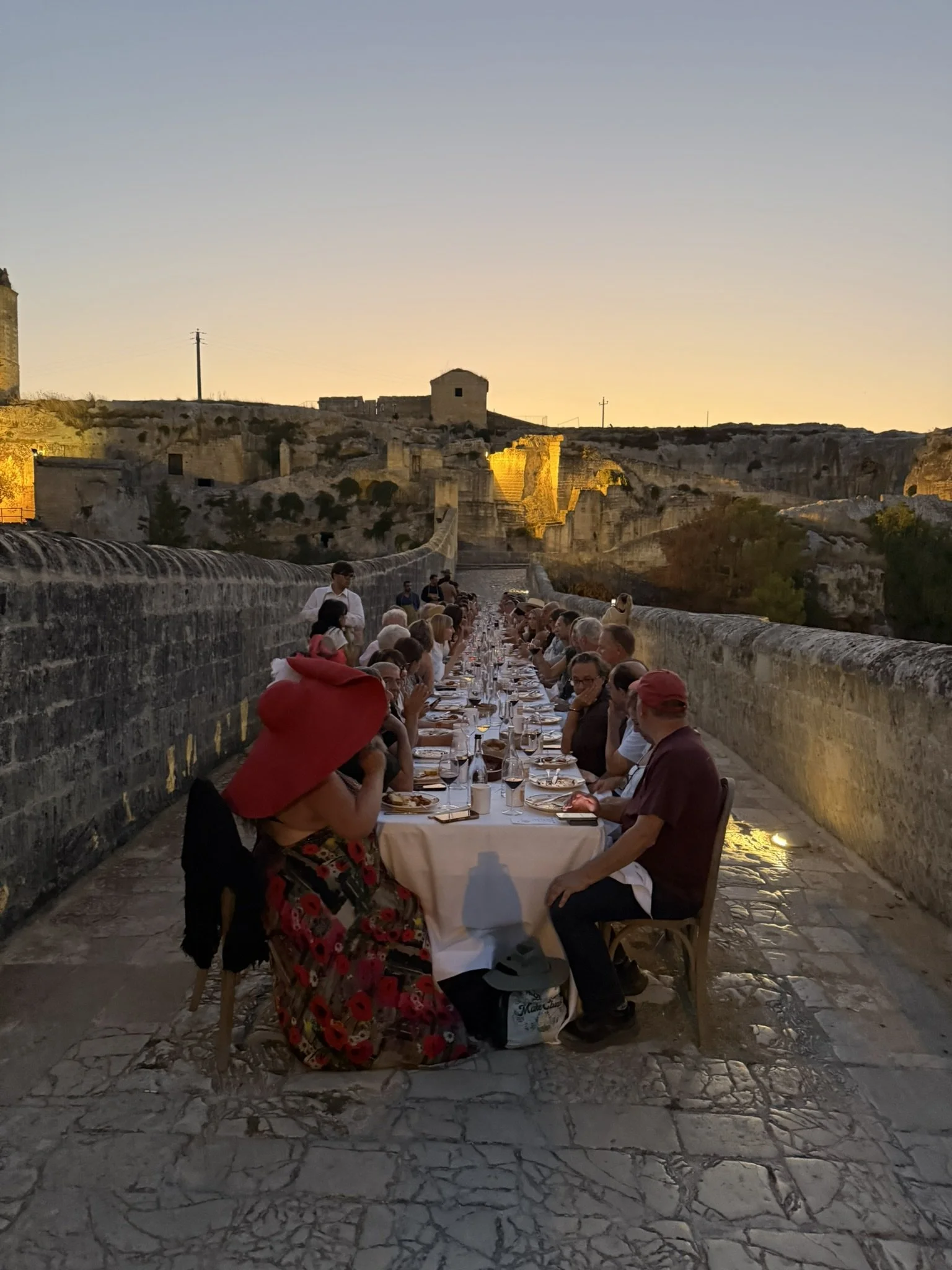
Find out more details about this EPIC dinner (and see more photos) here.
MATERA: THE ANCIENT CAVE CITY
The next day, we drove from Gravina to Matera. This is an ancient stone city known for its two historic Sassi districts with prehistoric cave dwellings and churches carved into limestone cliffs. It is one of the oldest continuously inhabited settlements in human history, dating back to the Paleolithic period. Matera is stunning!
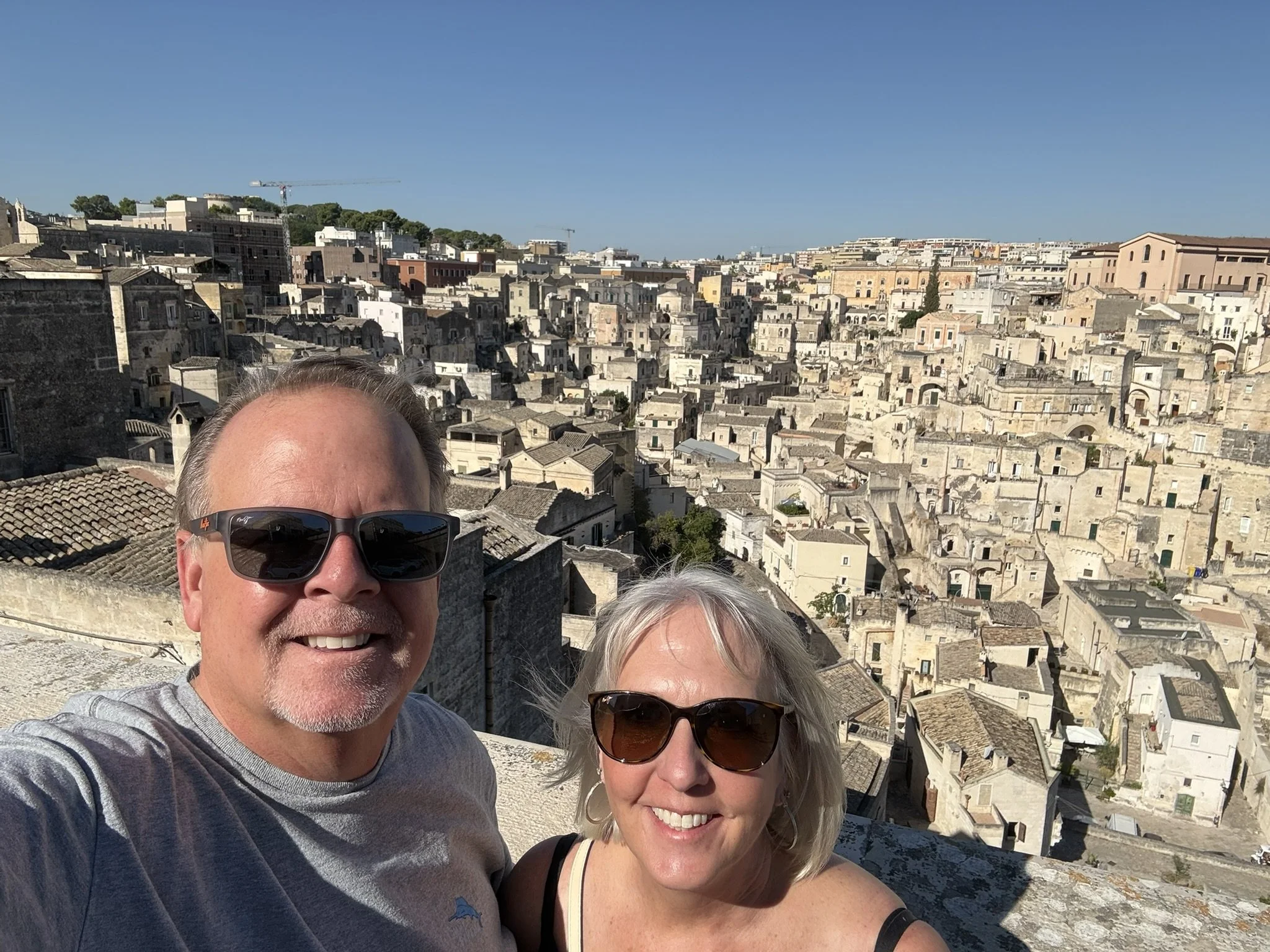
Before the 1950s, the Sassi de Matera was the “shame of Italy.” It was known for its extreme poverty - where families lived in damp caves with their livestock and no running water or electricity. In the early 1950s, the government made the residents leave the Sassi and move to more modern housing outside the ancient city. This area was then left abandoned. Years later, it was revitalized and is now a UNESCO World Heritage Site and a huge tourist draw. The caves have been turned into beautiful cave hotels, cave restaurants, galleries, shops, and living quarters for locals.
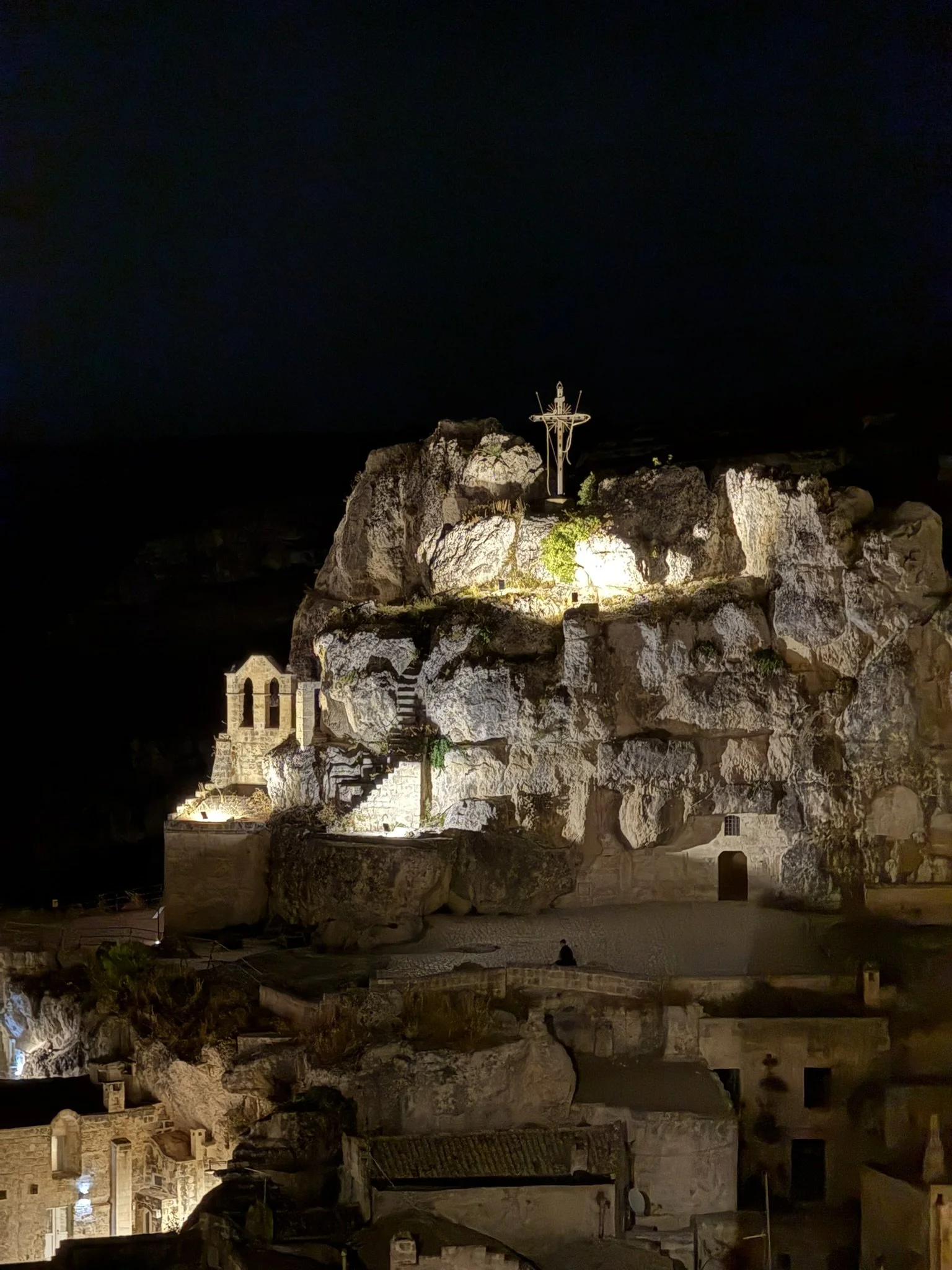
Matera’s scenery has been a draw for many major films. Over 50 major feature films and many smaller ones have been filmed here. These include The Passion for Christ (2004), No Time to Die (2021), Wonder Woman (2017), Ben Hur (2016), and The Gospel According to St Matthew (1964).
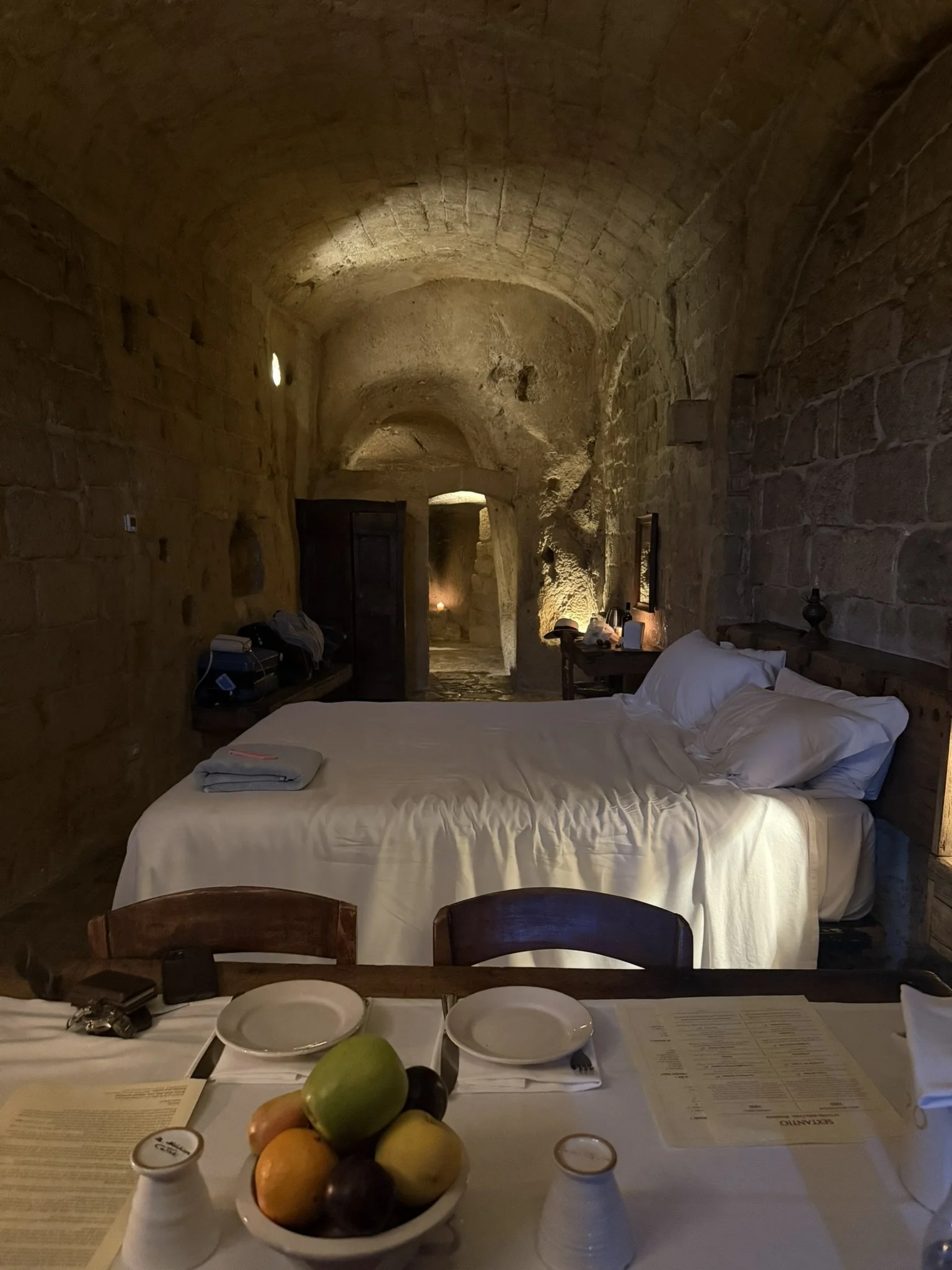
Our time in Matera included a tuk tuk tour of the city, drinks on a beautiful balcony overlooking the city, dinner in a cave restaurant, and a night in one of the beautiful cave hotels.
The cave hotel, lit by candlelight, was an experience I didn’t want to miss out on!
POLIGNANO A MARE: THE PERFECT SEASIDE BASE
After one night in Gravina and one night in Matera, we chose Polignano a Mare as our base for the next 4 nights - and it was a great choice! It is a jaw-droppingly gorgeous seaside town, and we could easily access the other places we wanted to visit from there.
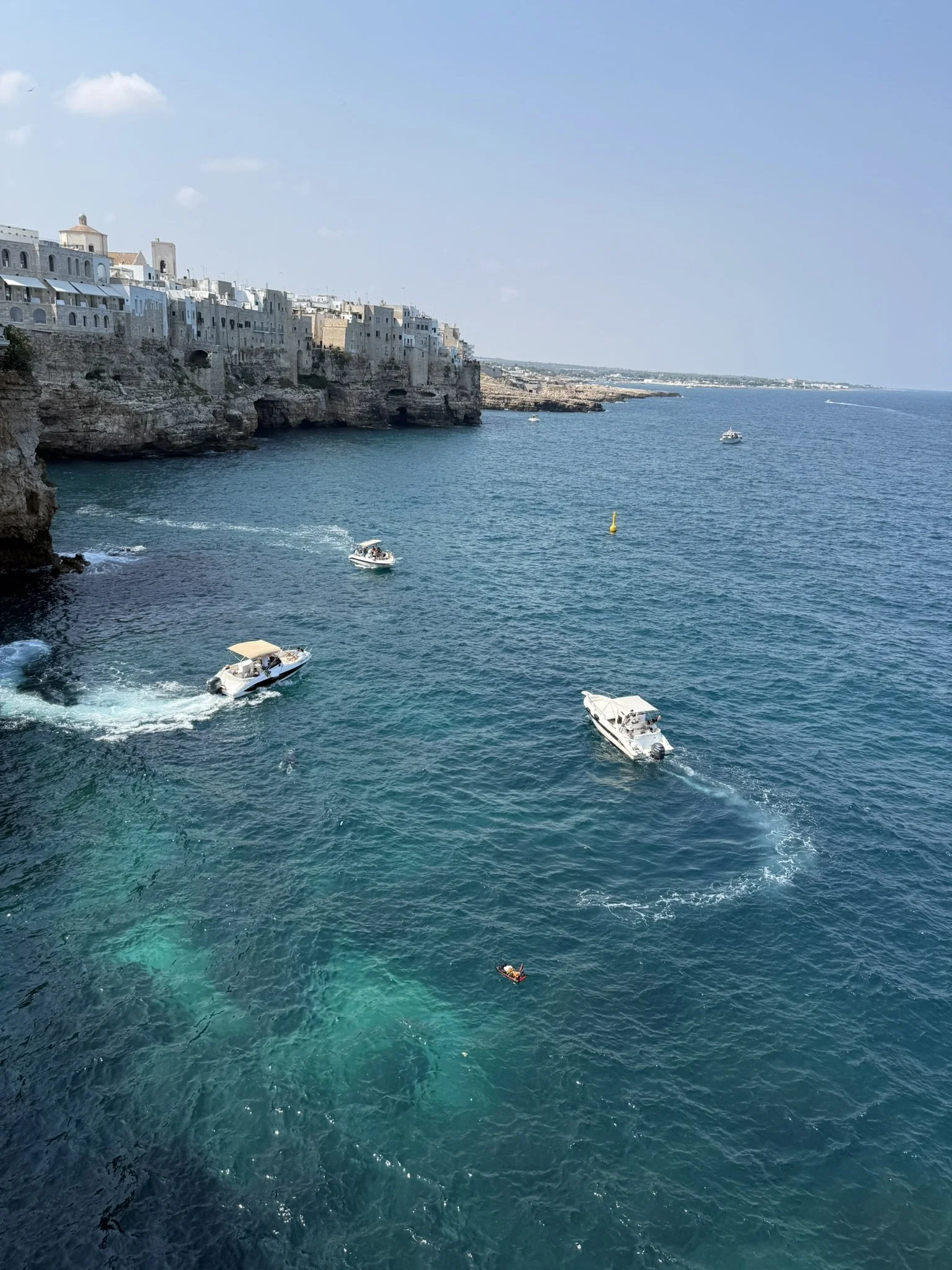
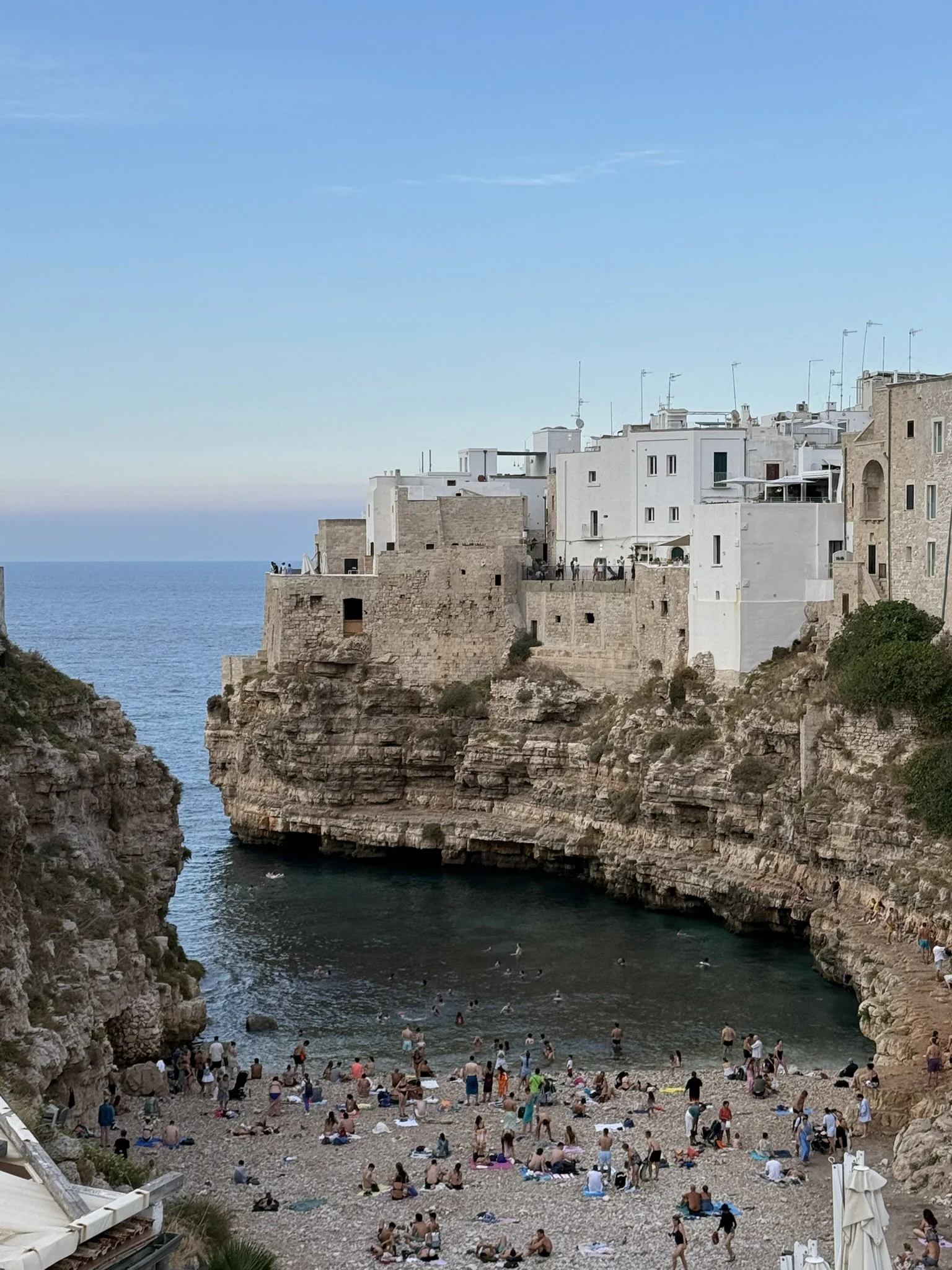
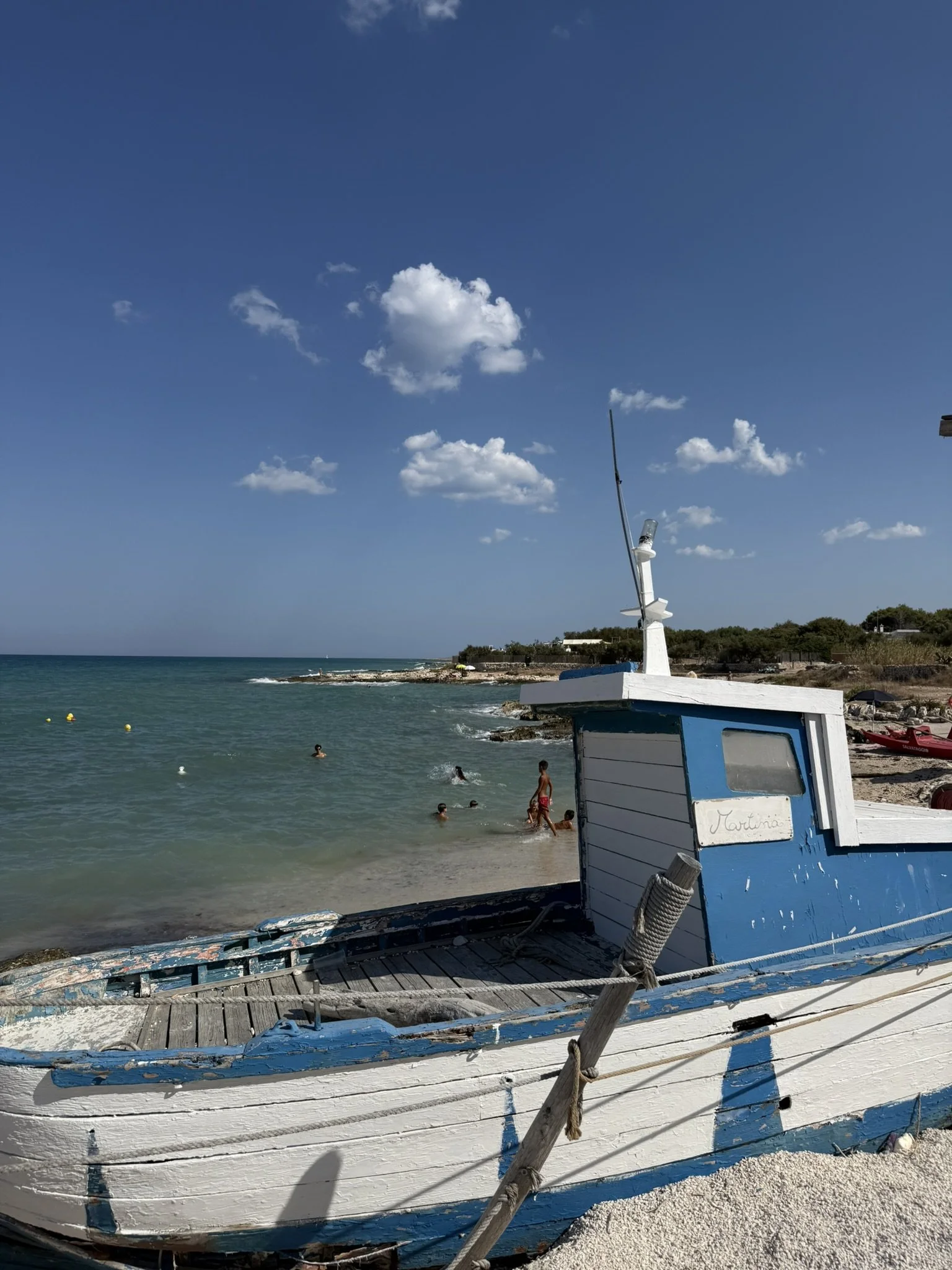
Polignano a Mare is a cliffside town famous for its dramatic limestone cliffs hanging over the crystal-clear Adriatic Sea. It is know for its iconic pebble beaches, network of sea caves, and cliff diving (it is host to the annual Red Bull Cliff Diving World Series).
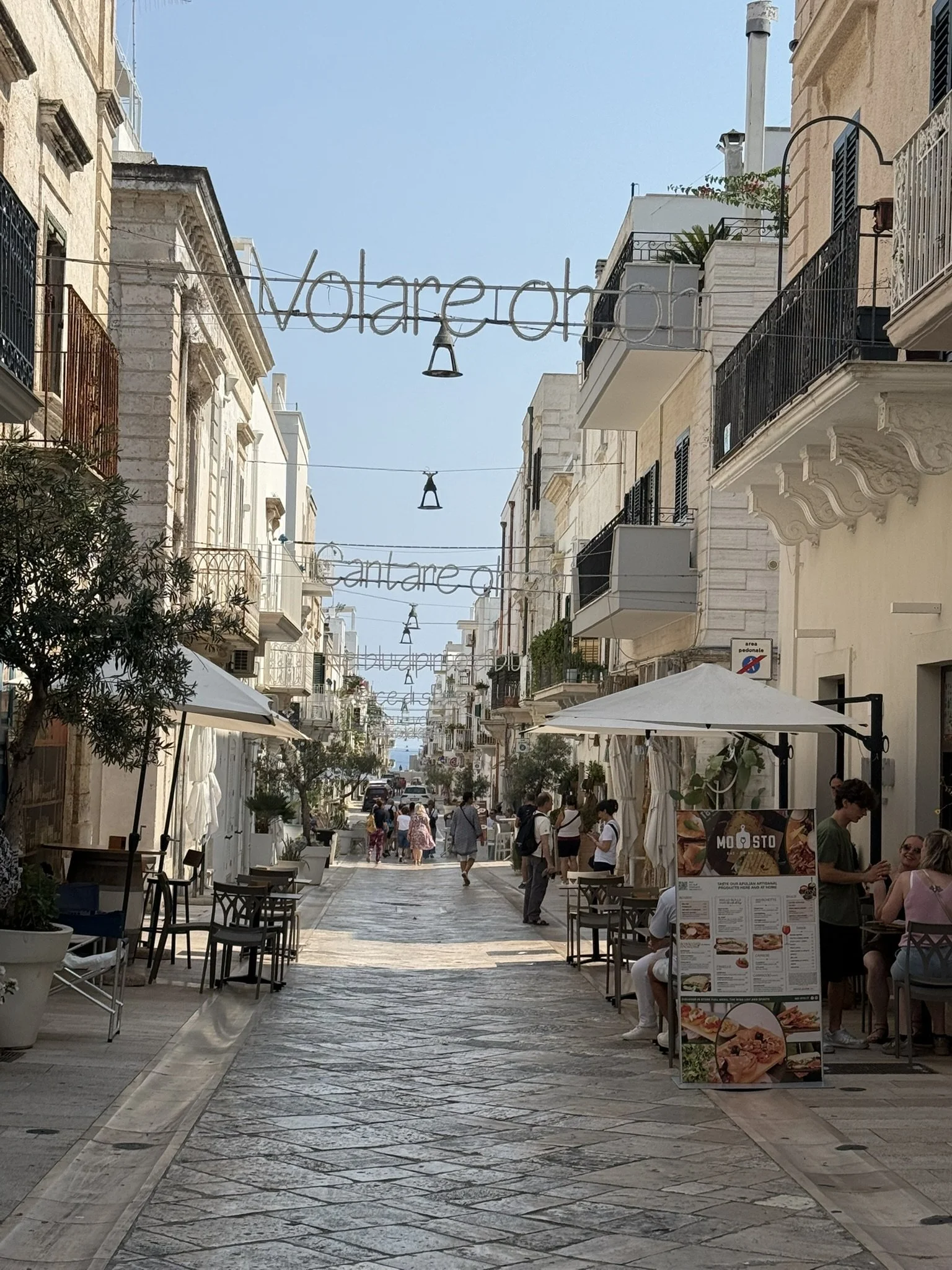
The old town is adorable with whitewashed buildings, flower lined balconies, and winding cobblestone streets.
It is the birthplace of Domenico Modugno (who wrote the famous Italian song, Nel blu, dipinto di blu, more commonly known as “Volare”).
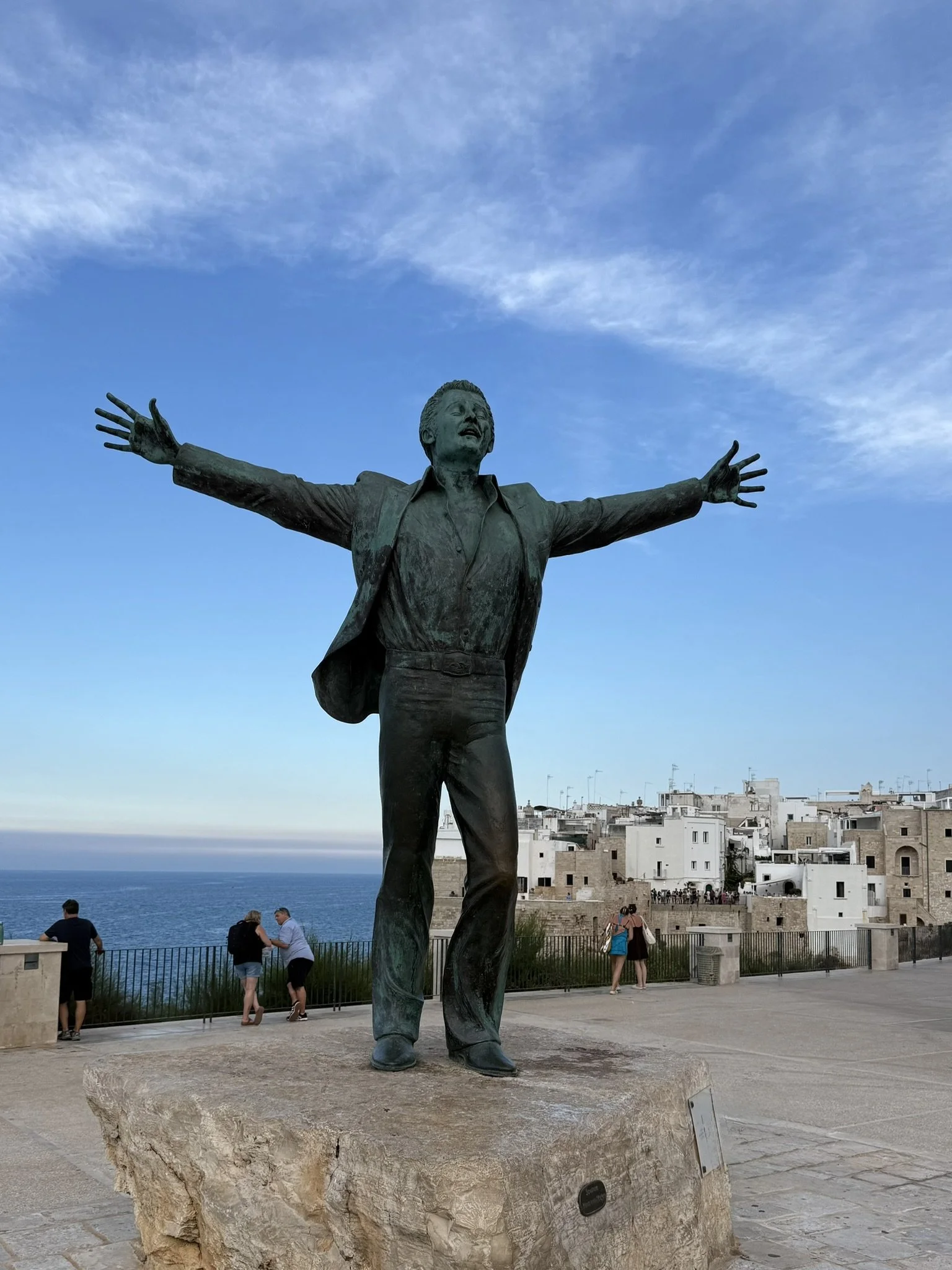
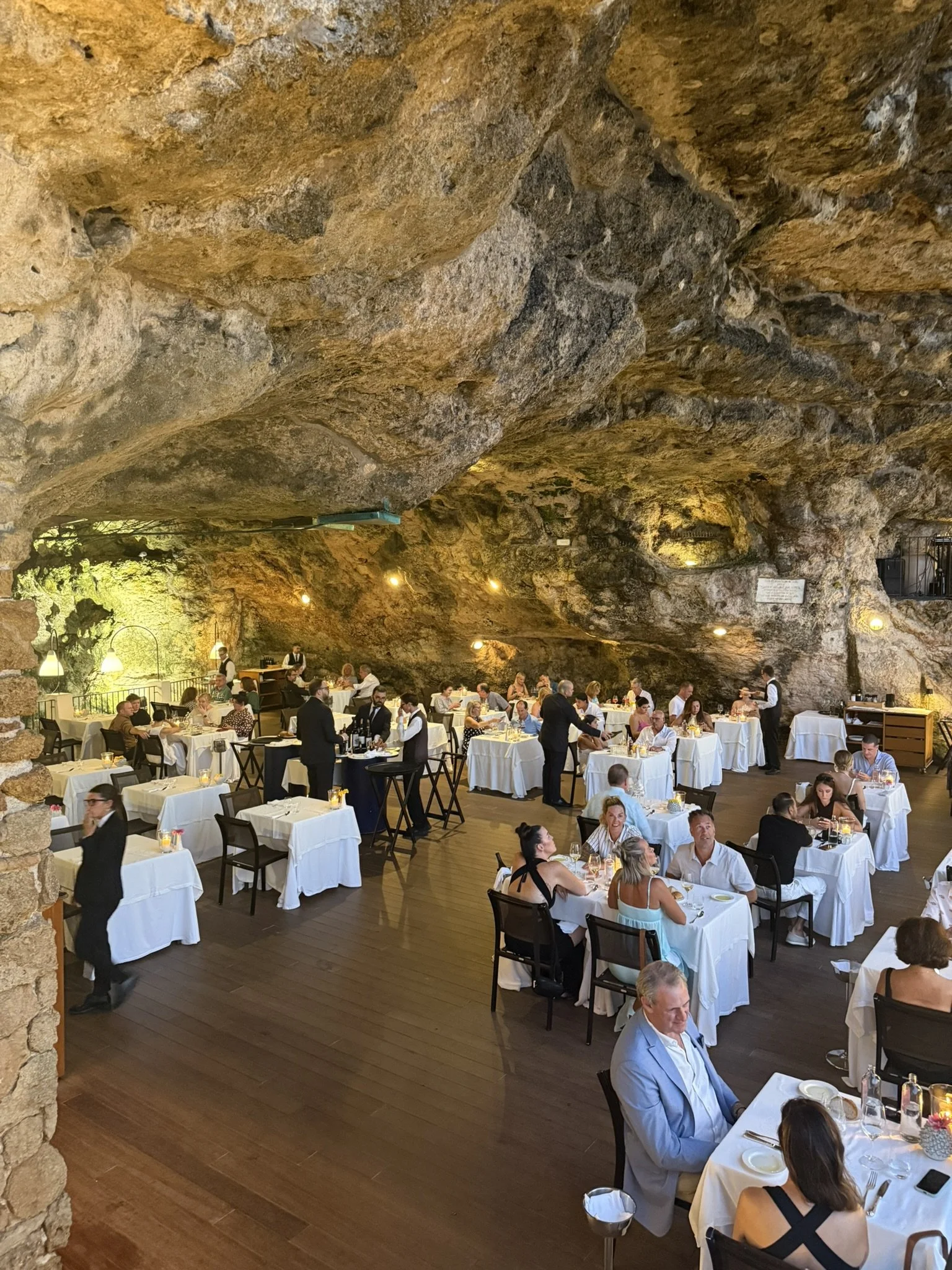
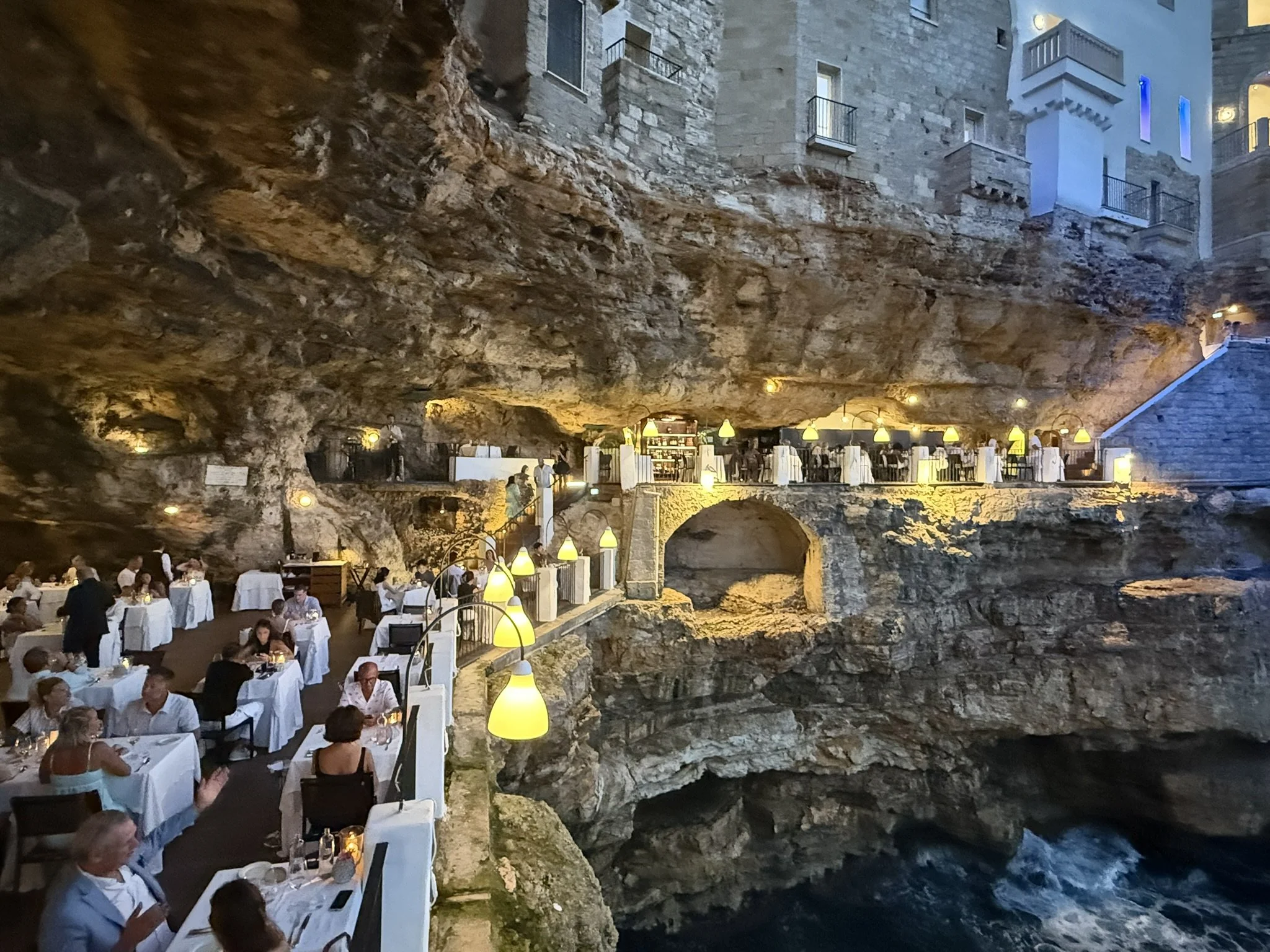
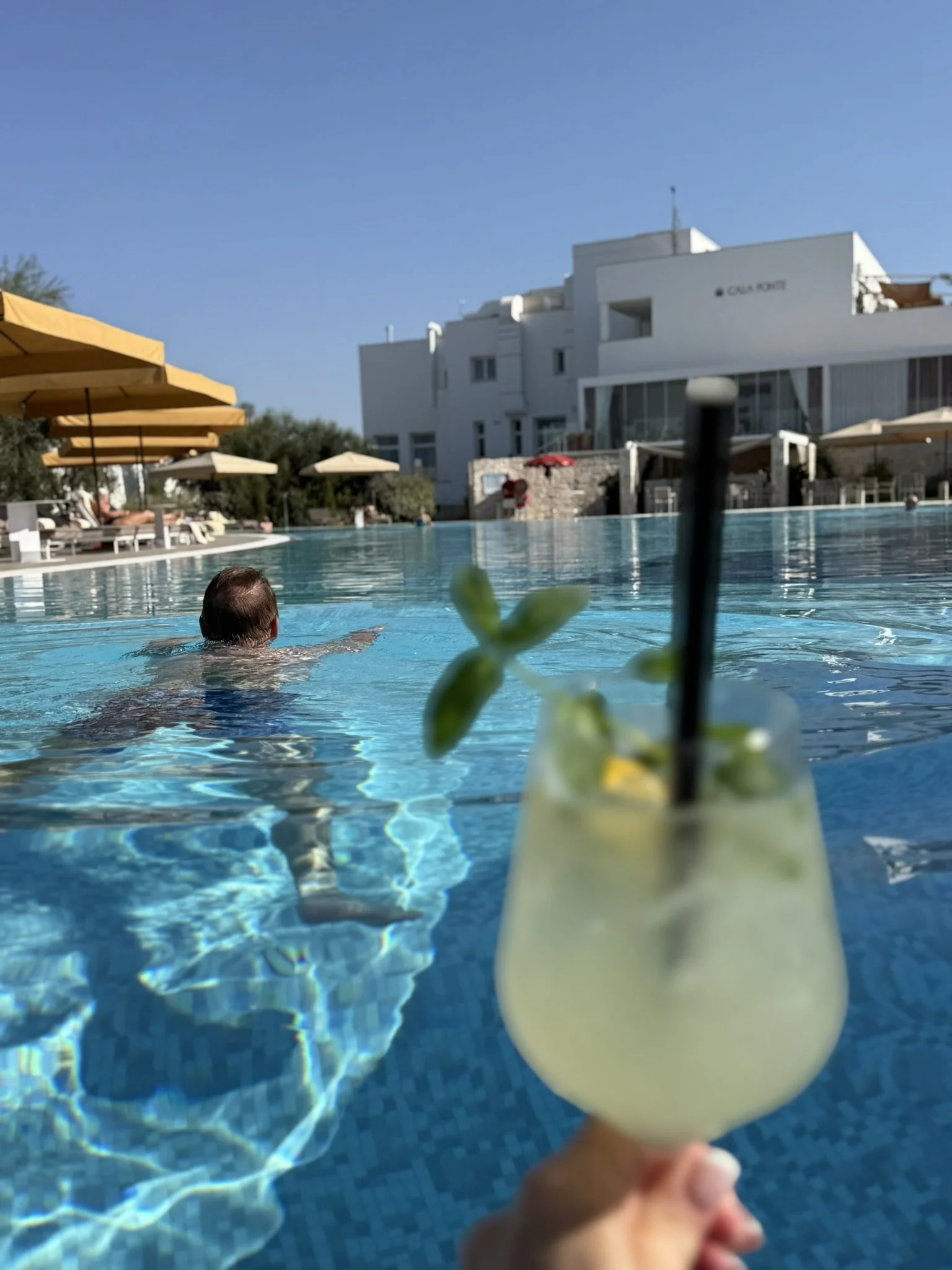
Our time here included a tuk tuk tour, dinner at the gorgeous and world famous Grotta Palazzese, seeking out their local coffee specialty, driving down the coast, relaxing at our hotel pool, a fun day at a local beach club, and more.
It also involved some incredible FOOD! We had some amazing pasta, pizza, seafood, etc…
ALBEROBELLO: FAIRY TALE CITY OF TRULLI
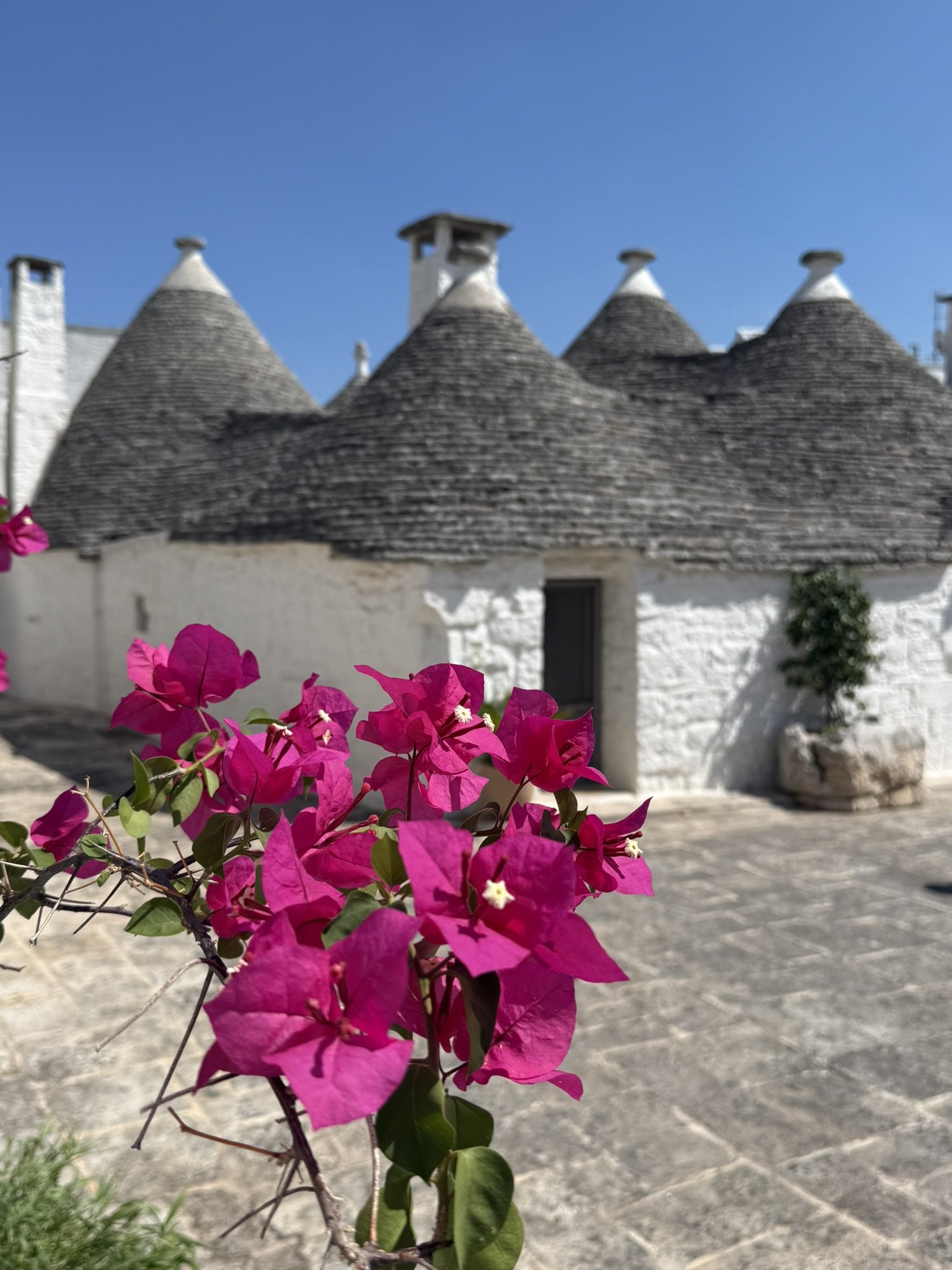
When I saw the pictures online, I just knew we had to visit Alberobello. We took a day trip out to this quaint old village. Being there was like being in fairy tale! With its streets of conical trulli - white round huts with grey cone-shaped roofs - it’s like nothing we’d ever seen before!
We spent the day wandering the alleys, taking in the beauty of the trulli, having lunch, and enjoying the atmosphere.
VISITING A HISTORICAL MASSERIA
While doing research on Puglia, I read about the Masseria experience. This is a stay or visit at a traditional, fortified farmhouse in the Puglia area. Most of the Masseria were built in the 15th and 16th centuries and were self-sufficient agricultural hubs. Today, many have been restored and serve as boutique hotels, B&Bs, and luxury escapes.
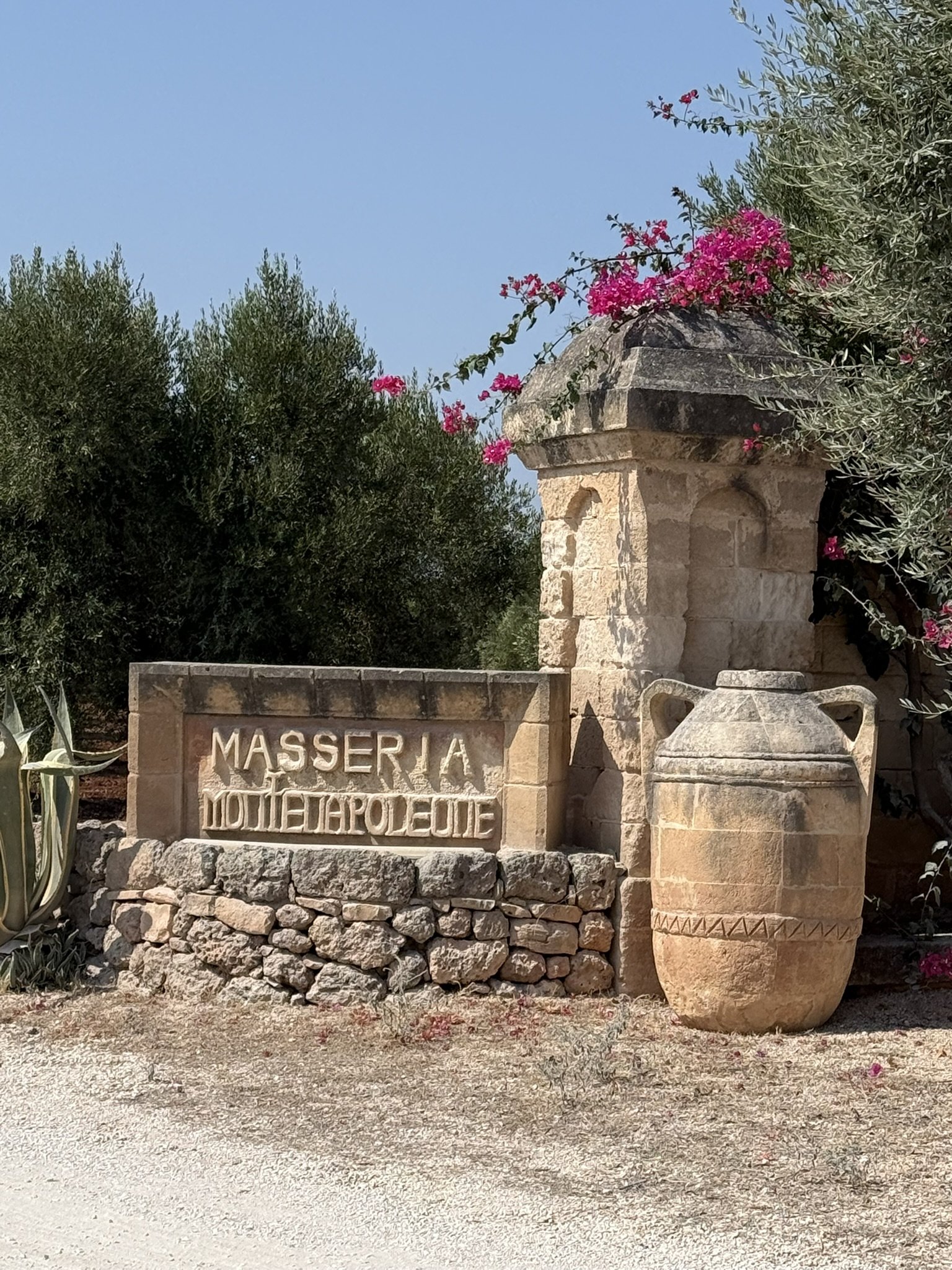
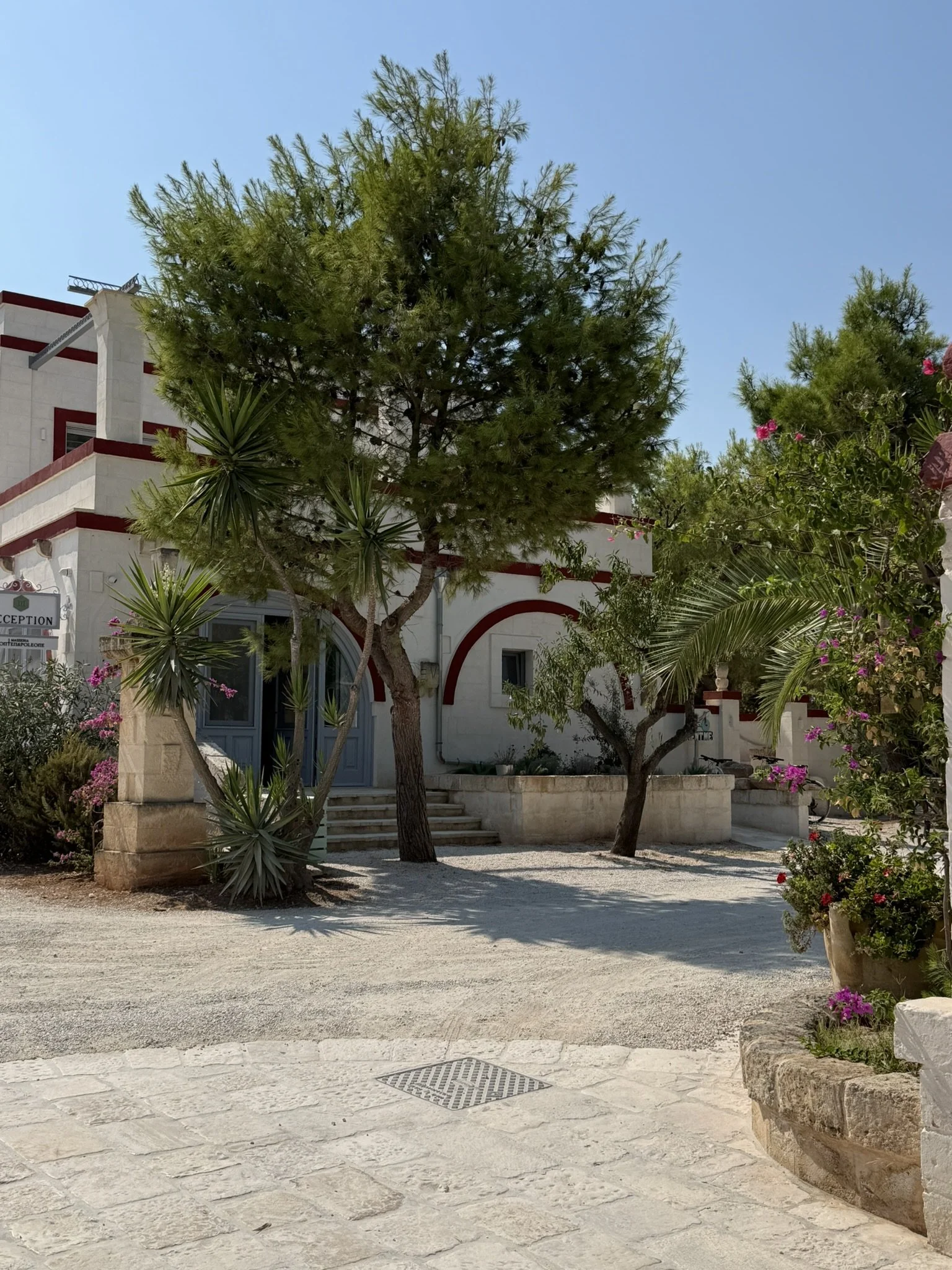
We didn’t want to switch hotels another time, so we chose an afternoon at the Masseria vs staying there. We picked Masseria Montenapoleone and had the most amazing farm-to-table lunch, walk thru their olive grove and vineyards, wine tasting, and olive oil tasting.
Masseria Montenapoleone is a gorgeous property and being there was a great way to spend the afternoon!
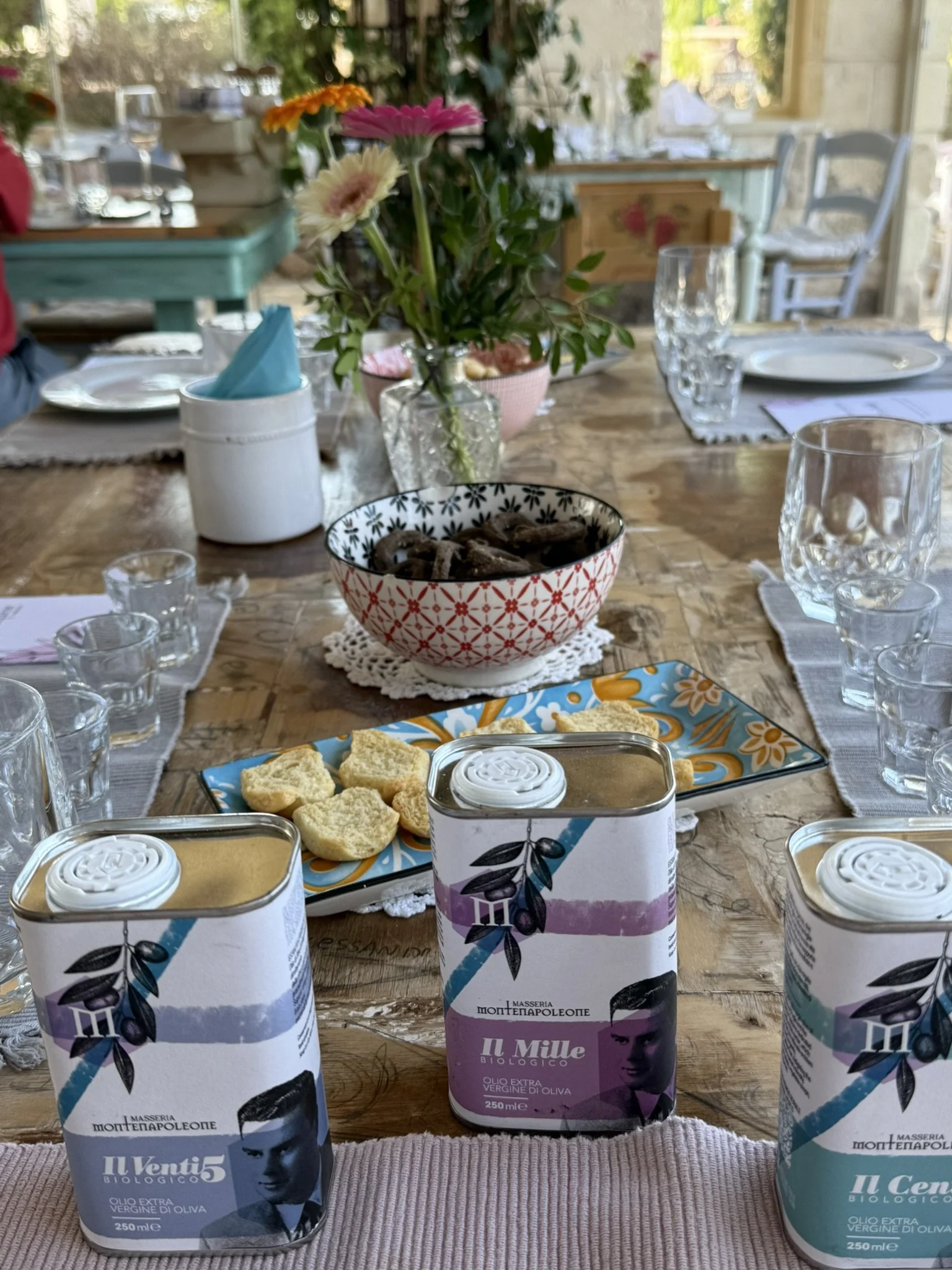
For more information about Masseria Montenapoleone and everything we did there, check out this link.
BARI: THE CAPITAL OF PUGLIA
For our last day/night in Puglia, we moved to Bari to be closer to the airport for our flight out the next day. Bari is a vibrant port city on the Adriatic coast and is the capital of the Puglia region.
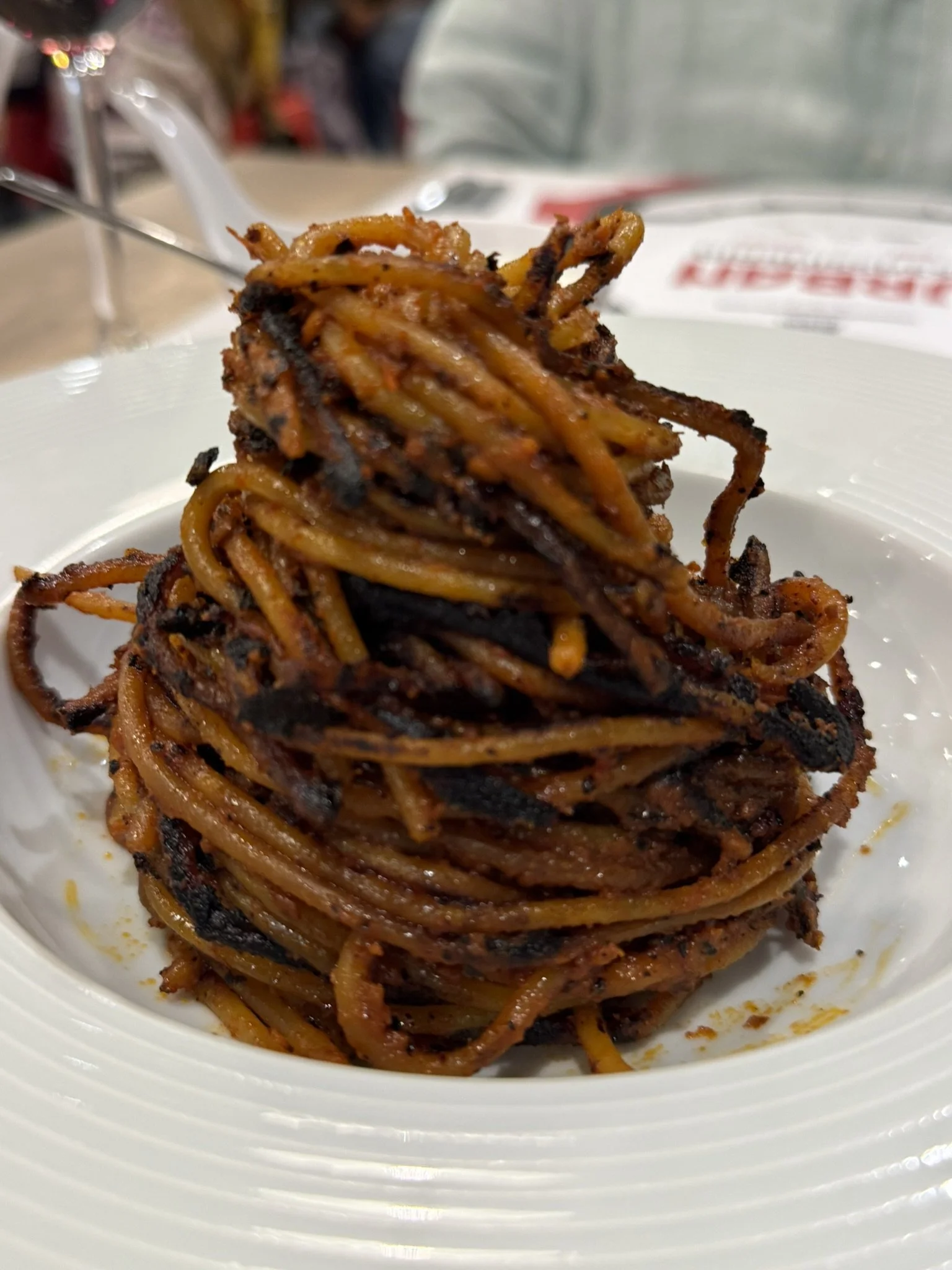
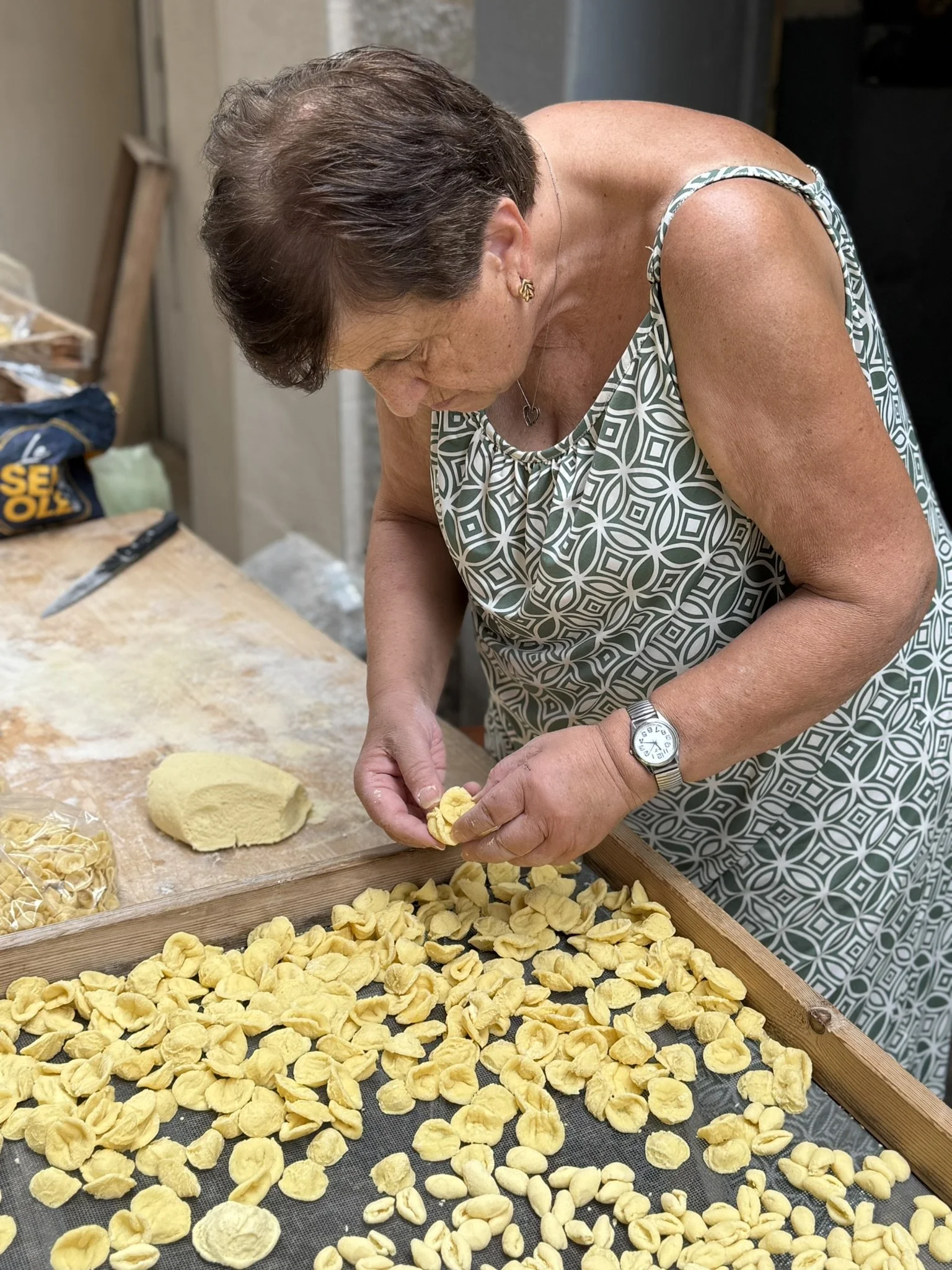
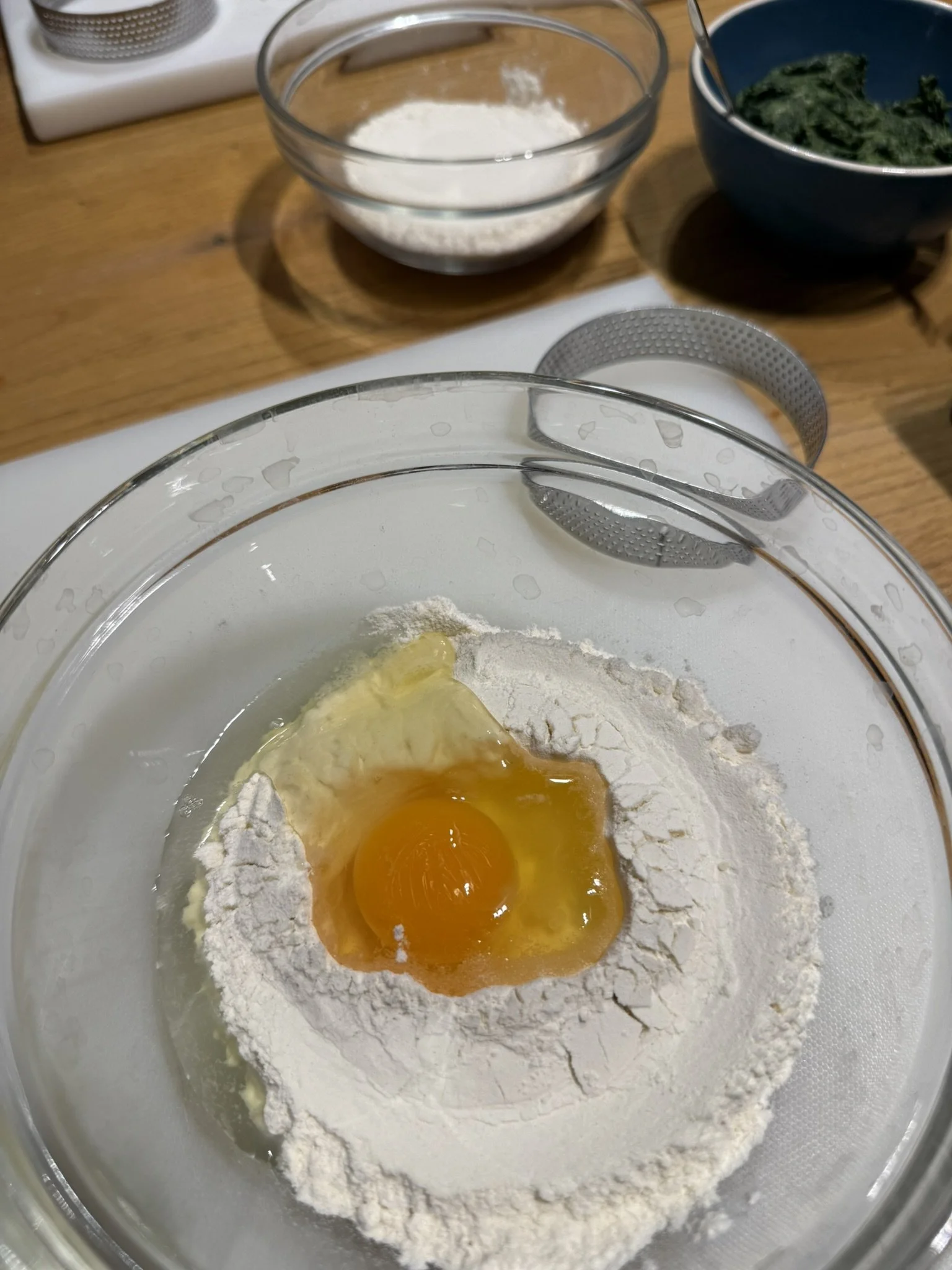
We spent most of our time in Bari Vecchia (old town). Our time there included walking through the maze of narrow streets, watching local women (Nonnas) handmake the orecchiette pasta outside their homes, enjoying the yummy and interesting spaghetti all'assassina pasta, and attending a super fun cooking and gelato class.
CLIMATE AND WEATHER
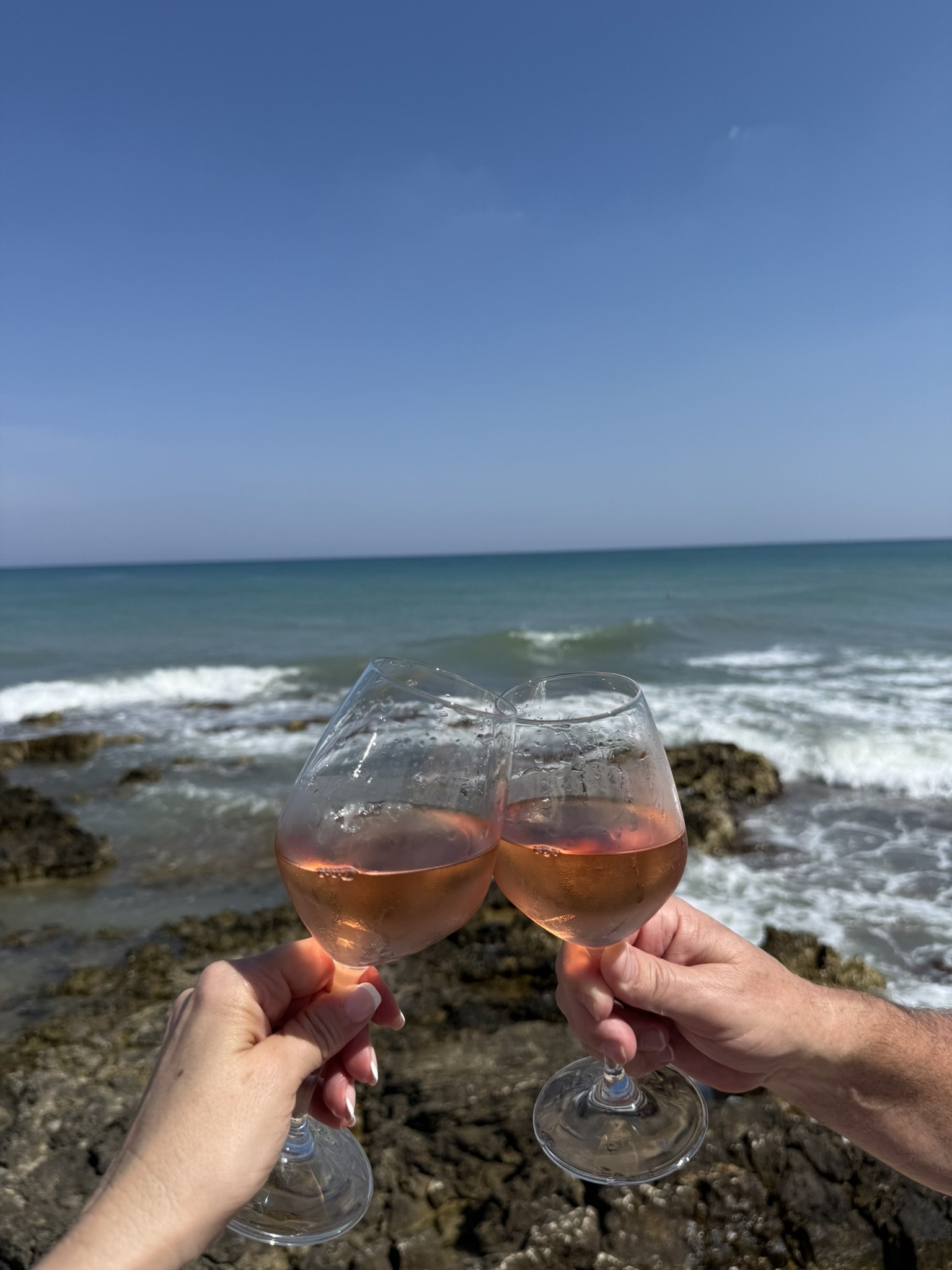
The climate in Puglia is typically Mediterranean with hot, dry and sunny summers and mild and rainy winters. Puglia is among the hottest and driest regions of Italy in summer, with temperatures sometimes reaching and exceeding 40 °C (104 °F) in parts of the region.
GETTING AROUND IN PUGLIA
Renting a car is the easiest way to explore Puglia, but driving requires patience with narrow and sometimes not so well-kept roads and avoiding restricted areas in old towns.
You could visit Puglia without a car, but it would mean train rides to some areas and probably hiring a driver or participating in organized tours to reach other areas.
We wanted the flexibility of going to the places we wanted to go by ourselves and on our schedule – so a rental car made the most sense for us. We rented through Avis.
Driving in Italy has some unique challenges. As a matter of fact, many rental car companies in other European countries include a clause in their contracts that do not allow you to drive the car to Italy!
A few tips…
Local drivers can be assertive so be aware of what’s going on around you.
Many roads have areas where the visibility isn’t great (high old stone walls, blind corners) so know that may happen at any time.
In historic city centers, there are often ZTLs (or limited traffic zones). You don’t want to drive into these. Cameras record license plates and driving in these areas results in large fines.
Parking can be tricky in some places. A smaller car may help and parking outside city centers where there is more room and open parking lots is sometimes easier.
My biggest piece of advice when renting a car in Italy is… GET THE INSURANCE!! If you don’t typically buy insurance from the rental car company, Italy is a place that you will want to get it!
We upgraded to a very nice Mercedes SUV that had no marks or dents on it when we left the rental car lot. But that wasn’t the case when we returned it. Purchasing the insurance saved us A LOT of money!
The first night we parked on the street in Gravina outside of our hotel. It wasn’t a busy street so we were thinking it would be fine. However, someone walking down the sidewalk hit our car with something and put a relatively large dent in the driver’s side passenger door.
The second night in Matera, our hotel recommended we park in a parking lot just outside of the Sassi area. We left our car and keys with the parking lot attendants. It was a small underground lot that was PACKED with cars. When we picked up the car the next morning, the right side of the front bumper had obviously hit something or been hit by something as it had scratches all over it. There was also a big scratch/dent on the passenger side back door.
This is not unusual in Italy so get the insurance! We paid 350 euros for ours and it was well worth it - as the damage to the car well exceeded the cost of the insurance.
OTHER THINGS TO KNOW
Italy is part of the EU so, flying from and to Germany, we didn’t have to go through any type of immigration or customs.
As part of the EU, they use the Euro as their currency.
Different European countries have different types of outlets so make sure you have adaptors for the plugs used in each. Our German plugs don’t work in Italy so needed an adaptor (not converter) for my electronics to work.
There are direct flights into Puglia from many major European cities, and even from the US now.
I’d recommend going in shoulder season (May, June or September) for milder weather and smaller crowds. But I’m sure any time of year is worth a visit to Puglia!
Don’t over plan! We had a few things on our list of things we definitely wanted to do but left plenty of time open for adventures we hadn’t planned and for some relaxing down time.
Make some dinner reservations before you go. It can get busy at restaurants in the evening. Do some research and make reservations at places you want to make sure you get into. Having said that, also leave some evenings open to find hidden gems that don’t take reservations or to ask locals where you should go and add them to your schedule.
SUMMARY
Puglia is amazing and well worth visiting! We only saw a portion of it, and I’d love to go back and see more!