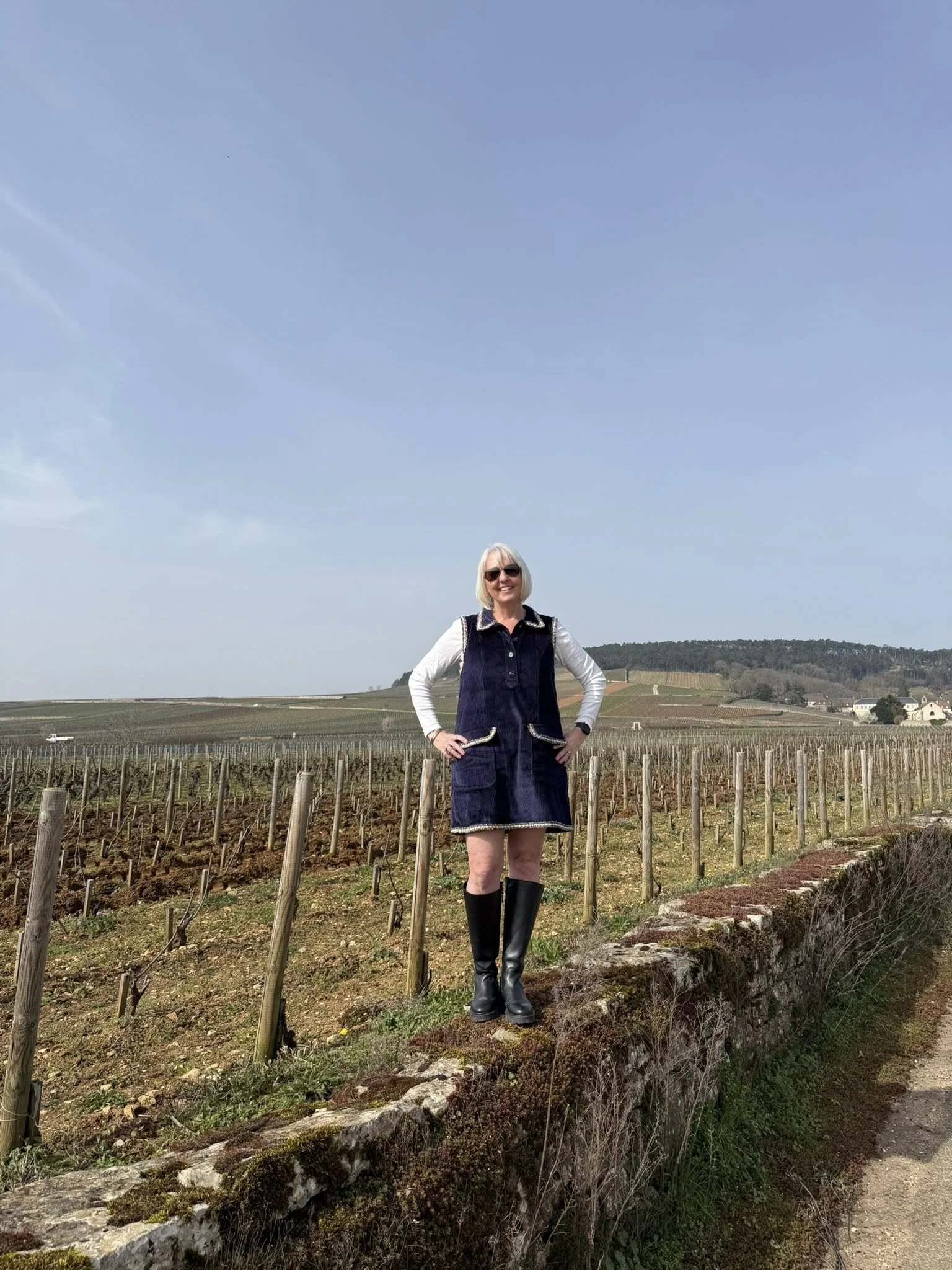
Cote de Beaune, Burgundy, France
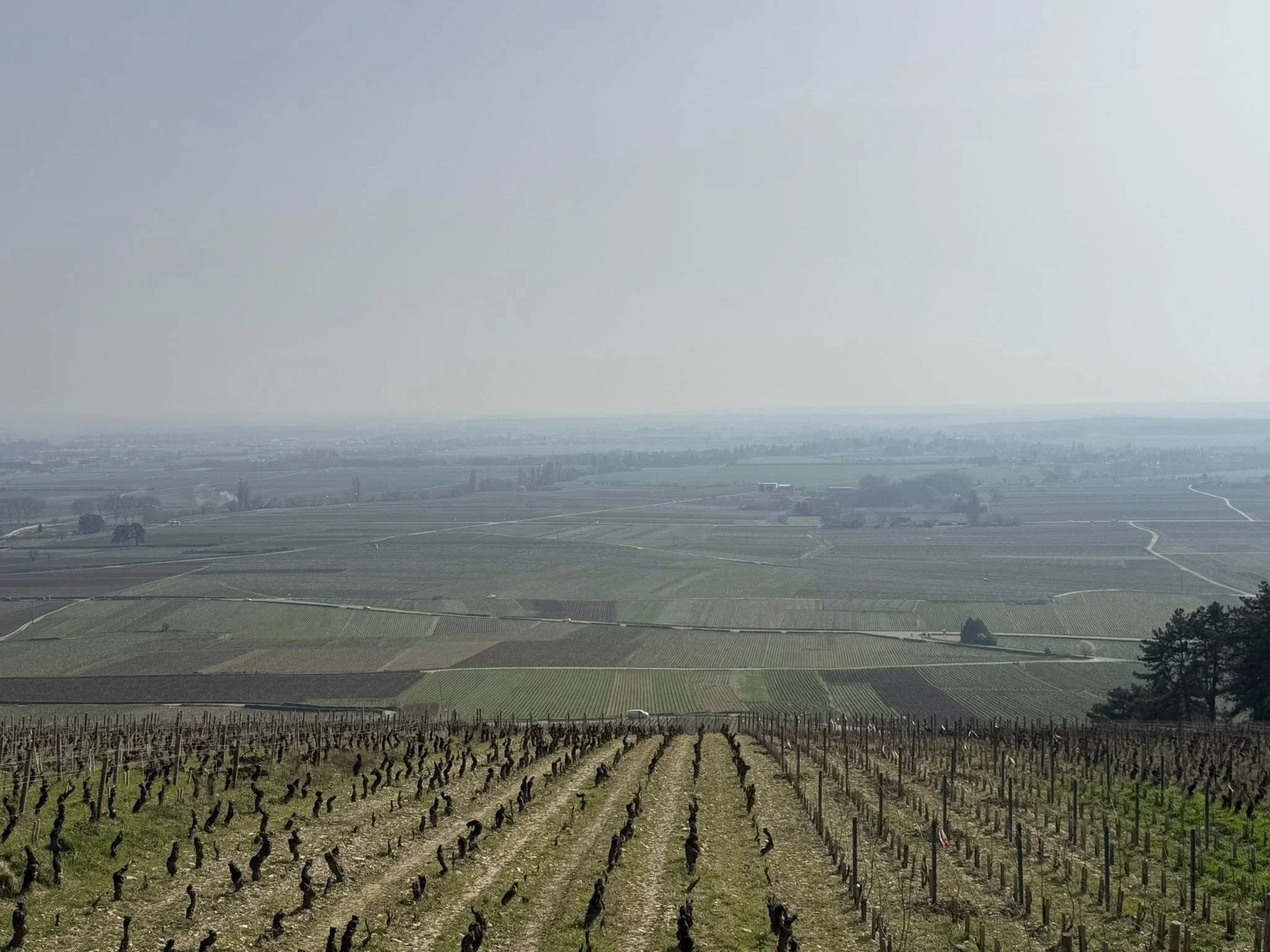
A weekend in Burgundy, France is one of our favorite escapes. We have been many, many times and this post is a compilation of experiences from those trips.
In this post:
Burgundy overview
About Côte de Beaune
Best time to visit
The amazing wine! Wine tasting (degustation) in Côte de Beaune
The amazing food! Where to eat
Where to stay
Other things to know
BURGUNDY OVERVIEW
The Burgundy (Bourgogne) region of France is a world-renowned wine region in central-eastern France known for its quaint villages and beautiful vineyards. It is celebrated for its terroir-driven Pinot Noir and Chardonnay. It features a 4-tiered classification system focused on quality of vineyard plots.
62% of Borgogne wine production is white (Chardonnay), 29% is red (Pinot Noir), and 9% is Crémant de Bourgogne (sparkling) - and the most expensive wine in the world comes from this region (Romaneé-Conti).
Must-see spots in Burgundy include the historic cities of Dijon and Beaune, along with the Route des Grands Crus - a well known 60-kilometer (37-mile) scenic driving and cycling route inaugurated in 1937 as France's first wine route.
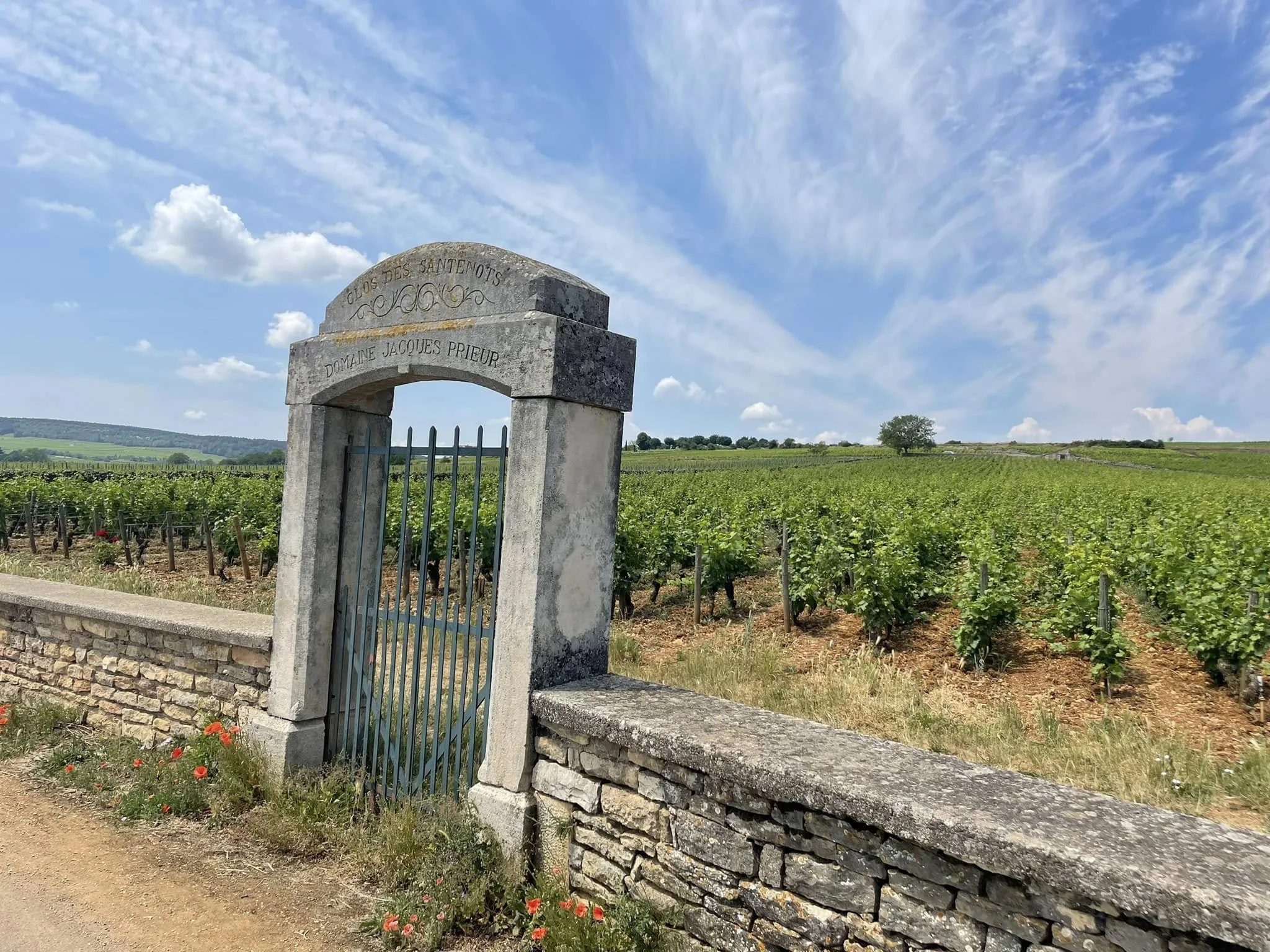
The region is famous for its obsession with terroir, where the soil, climate, and human touch in small vineyard plots dictate the wine's quality. Anywhere you go and talk with the locals about wine, the word terroir always comes up!
The key regions within Burgundy are Côte d’Or (made up of Côte de Nuits and Côte de Beaune), Chablis, Mâconnais, and Chalonnais. It consists of the larger towns of Beaune and Dijon, and many, many other smaller wine villages.
ABOUT CÔTE DE BEAUNE
This blog post focuses on the Côte de Beaune area of Burgundy. This is the southern part of the Côte d’Or (Côte de Beaune plus Côte de Nuits). It sits on a limestone ridge where some of the great wines of Burgundy are produced. The Côte de Beaune stretches about 25 kilometers from Ladoix-Serrigny to the hills of Maranges. It includes many prestigious wine-producing villages, including Aloxe-Corton, Beaune, Pommard, Volnay, Meursault, Puligny-Montrachet, and Chassagne-Montrachet.
Côte de Beaune is known for producing the finest, most age worthy Chardonnays on earth - characterized by complexity, longevity, and elegance – as well as elegant pinot noirs.
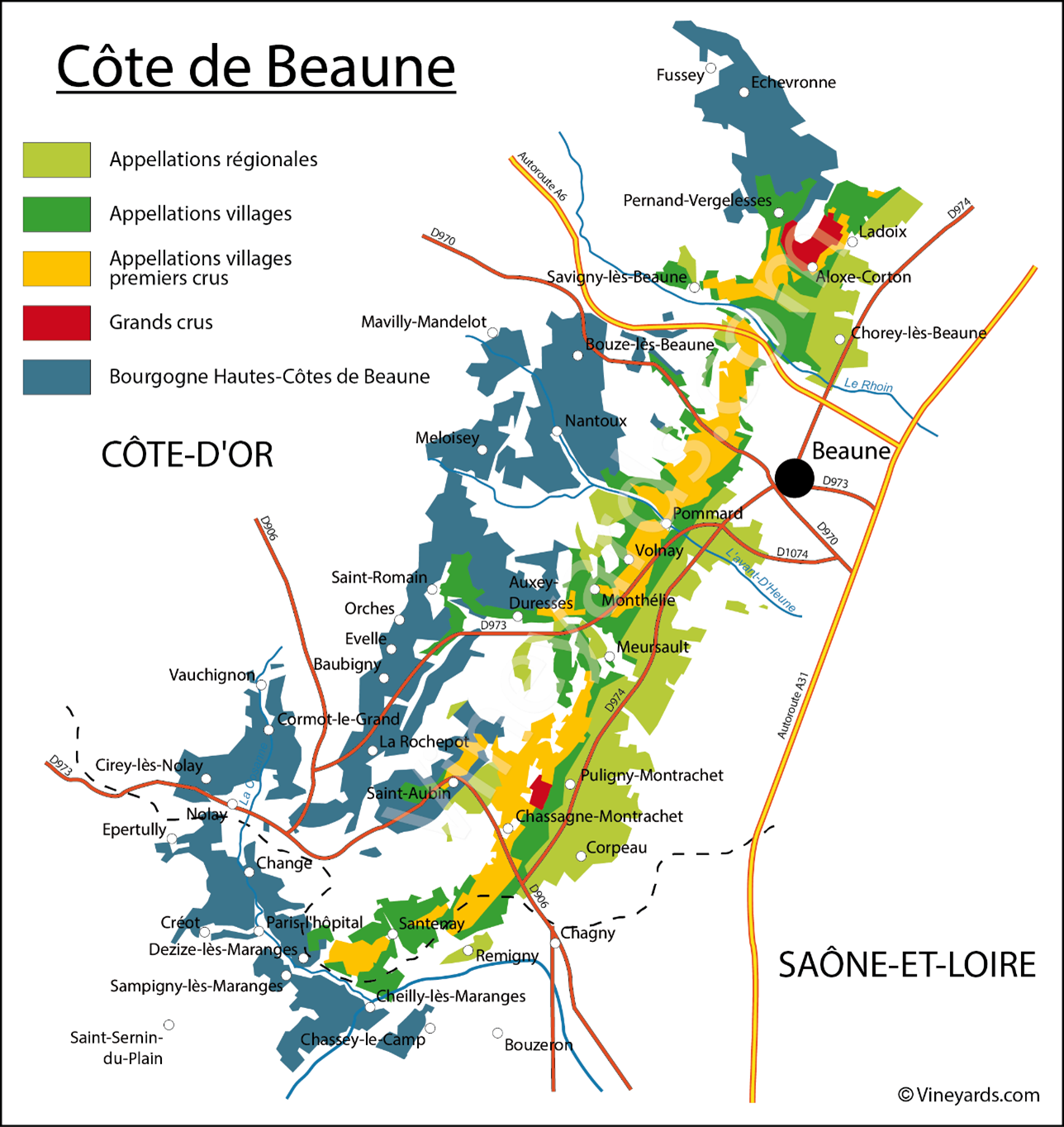
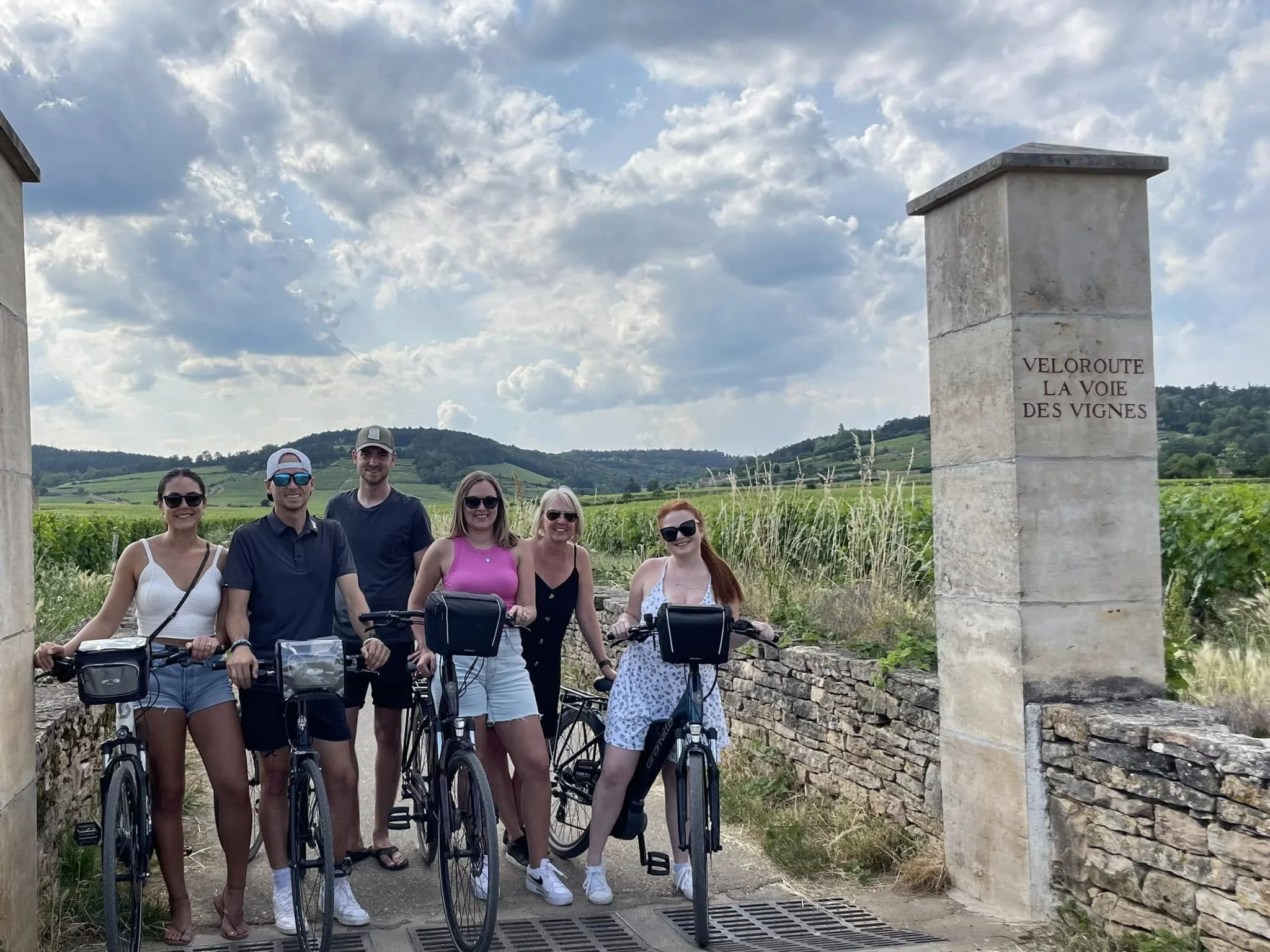
It is a beautiful region to visit, with a flat valley sloping upwards into the limestone hills where many of the best vineyards are located. The adorable, historic villages that dot the landscape are picture perfect with their beautiful old buildings and churches.
This region is popular for vineyard cycling, tasting in historic cellars, and enjoying many fine dining options.
BEST TIME TO VISIT
Any time is a great time to visit Burgundy – although April to October is the prime tourist season when you will find the most wineries open and available for tasting.
We’ve visited during high season when the vineyards are lush and green, weather tends to be better, wineries and restaurants are open more hours, and there are more people around and events happening. We’ve also been during the slower season when vines don’t have leaves, weather is cooler and wetter, it’s harder to get tasting reservations (especially at smaller vineyards), and many restaurants are closed or open fewer hours.
Both options work though! Accessibility and better weather during high season is great and the slower, less busy feel of off season has its own benefits. You just need to pick the vibe you are looking for (or align with what works for your travel plans).
THE AMAZING WINE!
WINE TASTING (DEGUSTATION) IN CÔTE DE BEAUNE
Burgundy’s wine classification system - Before getting to our list of favorite places to taste wine, let’s review the 4-tier classification for Burgundy wine.
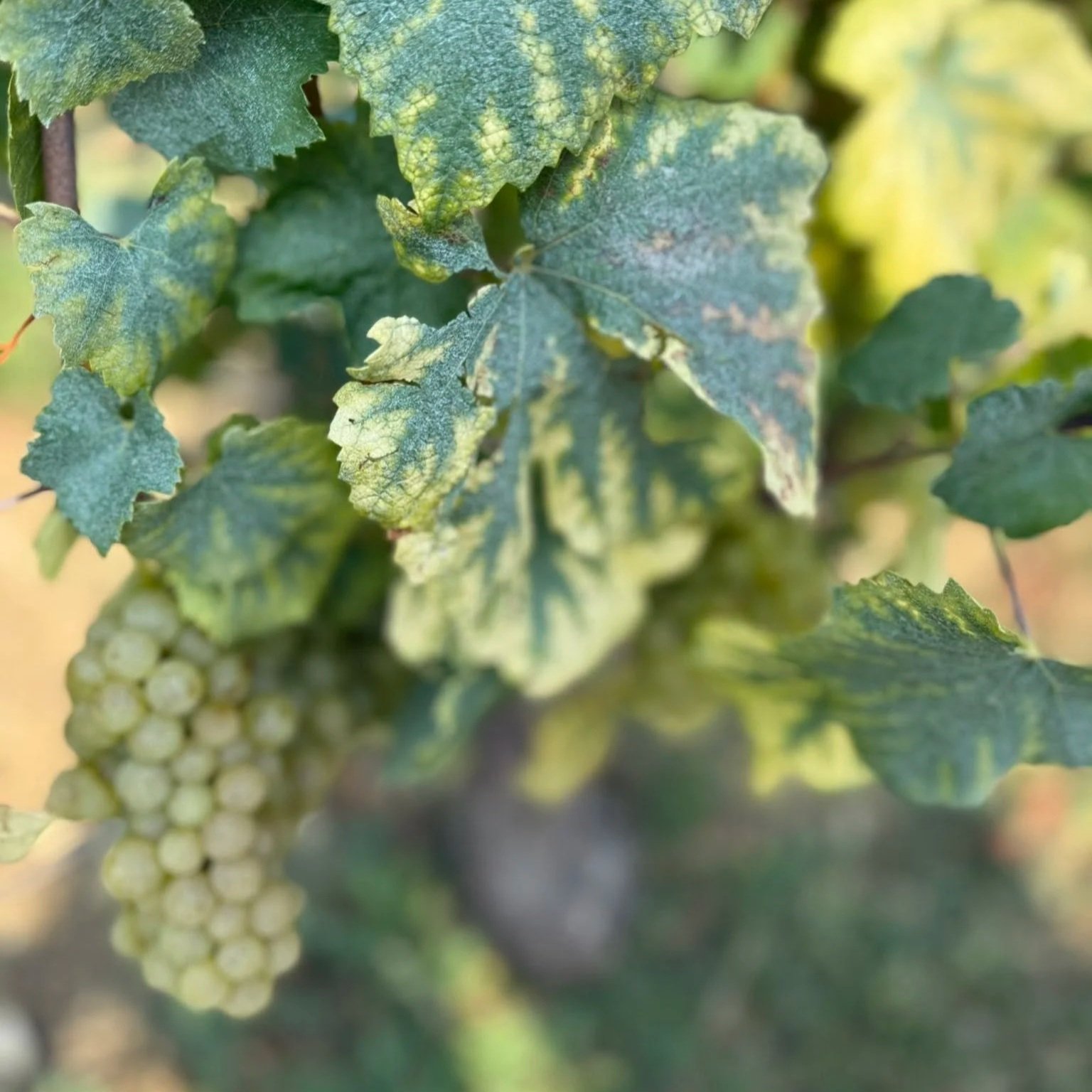
Wine has been made in Burgundy for more than 2,000 years, well before the region became part of France – and even before the arrival of the Romans. In the Middle Ages (12th-15th centuries), Cistercian monks (and later clergy and nobility) mapped the terroirs (soil, elevation, and drainage – rather than producer]), identifying which consistently produced the best wine.
In the mid-1930s, the 4-tier classification for Burgundy wine was formalized by the Institut National des Appellations d’Origine (INAO) when they introduced the Appellation d’Origine Controlee (AOC) system. The system creates vineyard classifications based on centuries of observation by Cistercian monks and 19th-century geologists and separates vineyards into four levels.
Regional Appellations (approximately 50-52% of production): Baseline, regional wines which can come from grapes grown in any part of the Burgundy region. They are typically labeled “Bourgogne AOP,” “Bourgogne Rouge,” or regional names like “Macon-Villages.”
Village Appellations (approximately 37% of production): Wines produced from grapes grown in a specific village (e.g., Gevrey-Chambertin, Pommard). These reflect the distinct, local characteristics of that village.
Premier Cru (approximately 10% of production): Wines from specific, higher-quality classified vineyards (or plots) within a village. The label will show the village name + “1er Cru” or “Premier Cru,” often with the vineyard name as well (e.g., Vosne-Romanee 1er Cru Les Suchots).
Grand Cru (approximately 1%-2% of production): Wines from 33 specific vineyard sites (or plots) deemed the finest quality and labelled only with “Grand Cru” + the vineyard name (e.g., Romanée-Conti Grand Cru, Le Chambertin Grand Cru). Recognized for exceptional quality, terroir, and aging potential.
Another note of interest… In France, wines do not have the name of the grape (i.e., chardonnay, pinot noir, merlot, cabernet sauvignon) on the bottle. Rather, they have the location of production (i.e., region, village, plot). To know what kind of wine is in the bottle, one must be familiar with the type of wine grown in each region, village, plot, etc.
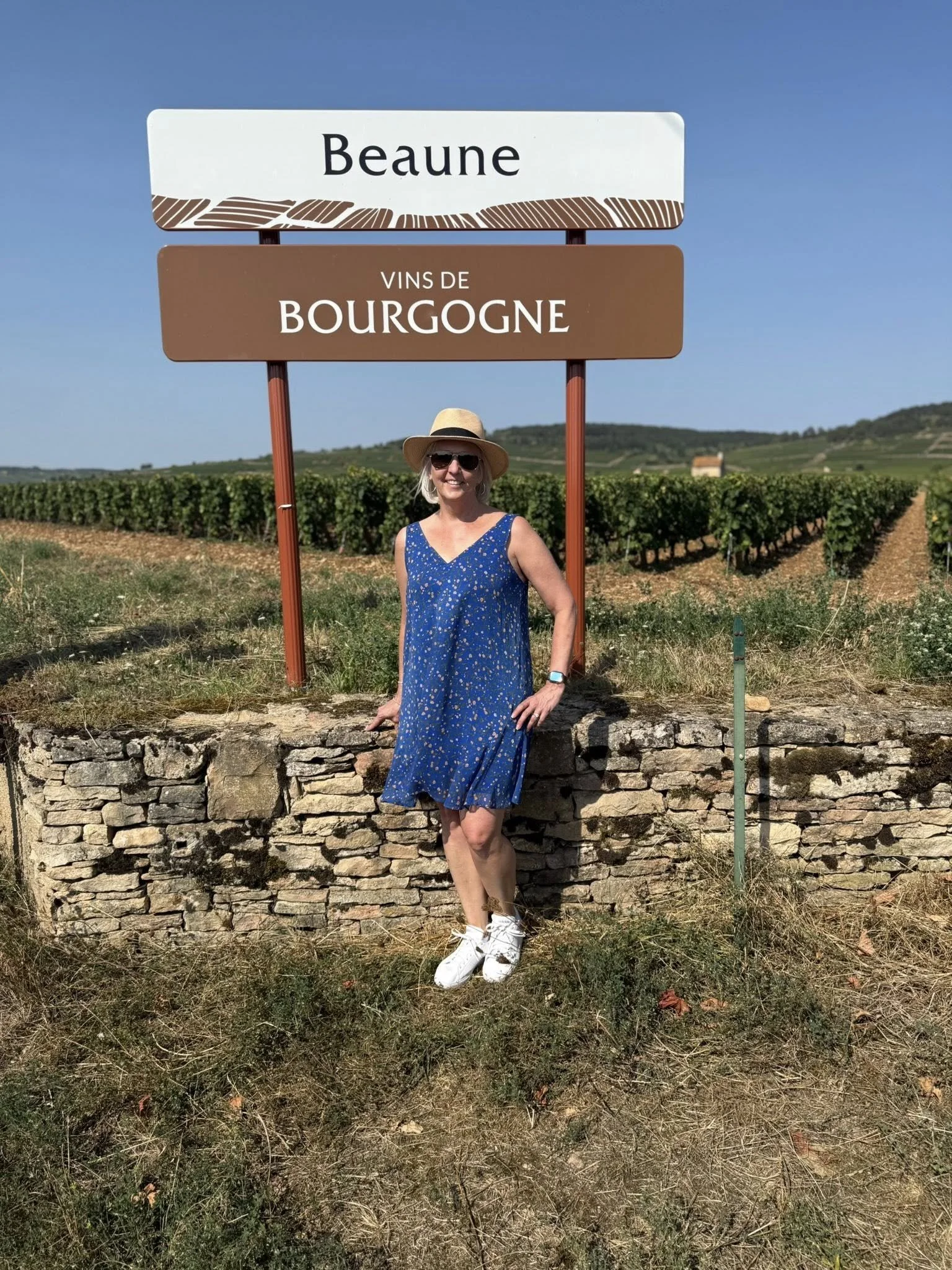
Making tasting reservations – I highly recommend making tasting reservations before you visit Burgundy. While there are wineries where you can stop in and taste without reservations, we found these to be the exception (especially during busy season). I typically do research online, determine the vineyards we want to visit, and reach out to make reservations. Many vineyards offer online reservations. Others I email to secure reservations. Burgundy is a popular tourist destination, so I’ve found it pretty easy to communicate about reservations in English. Although… when sending an email request, I always use Google translate to translate my English message into French and include that in the email as well. It feels more considerate to not assume everyone will understand my request in English.
Where to taste wine – Trying to decide which vineyards to visit in Burgundy can be overwhelming (over 3,500 producers in Côte de Beaune alone)!
There is a fairly long list of places we’ve visited in Côte de Beaune. Below are a few of our favorites.
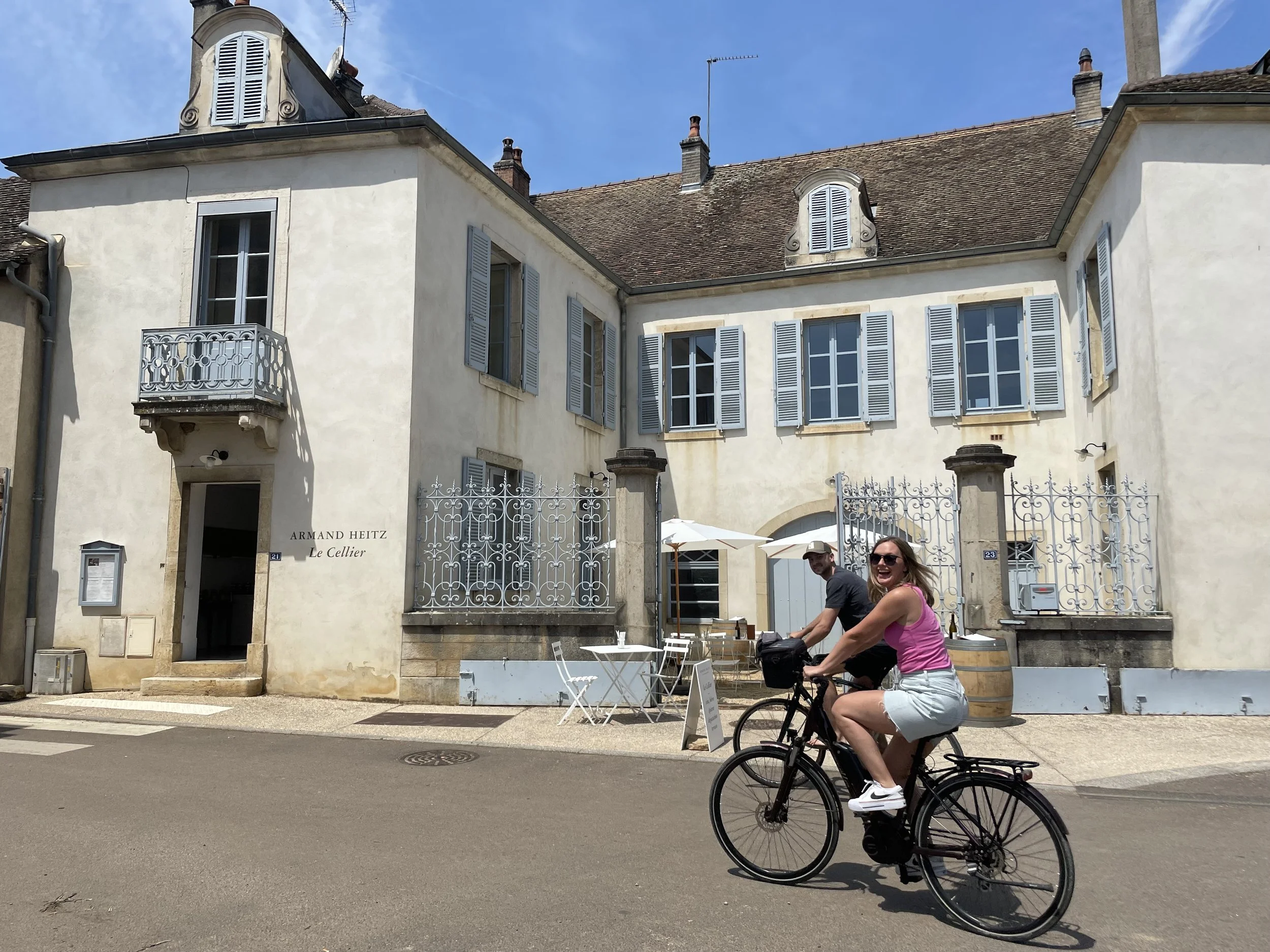
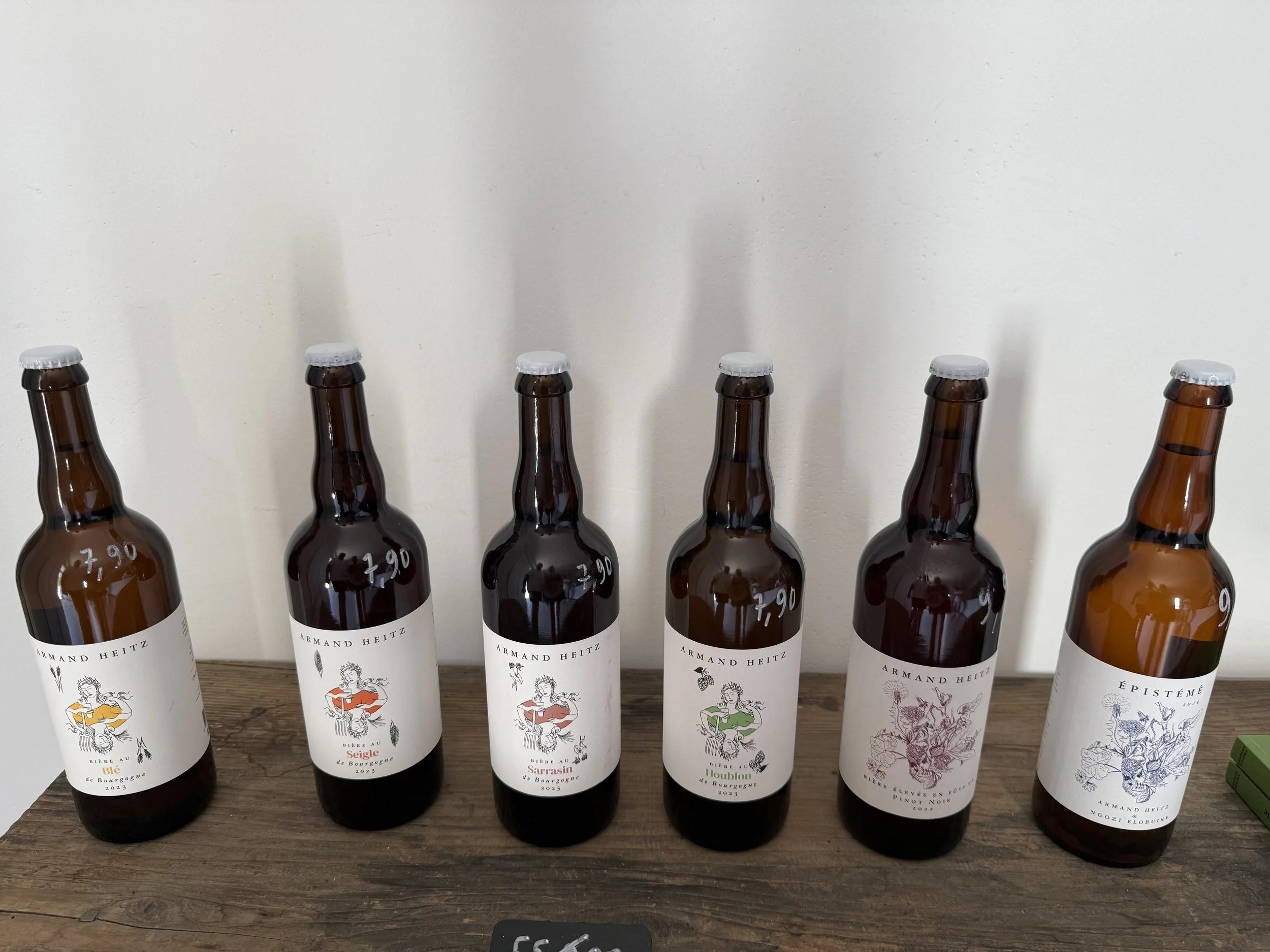
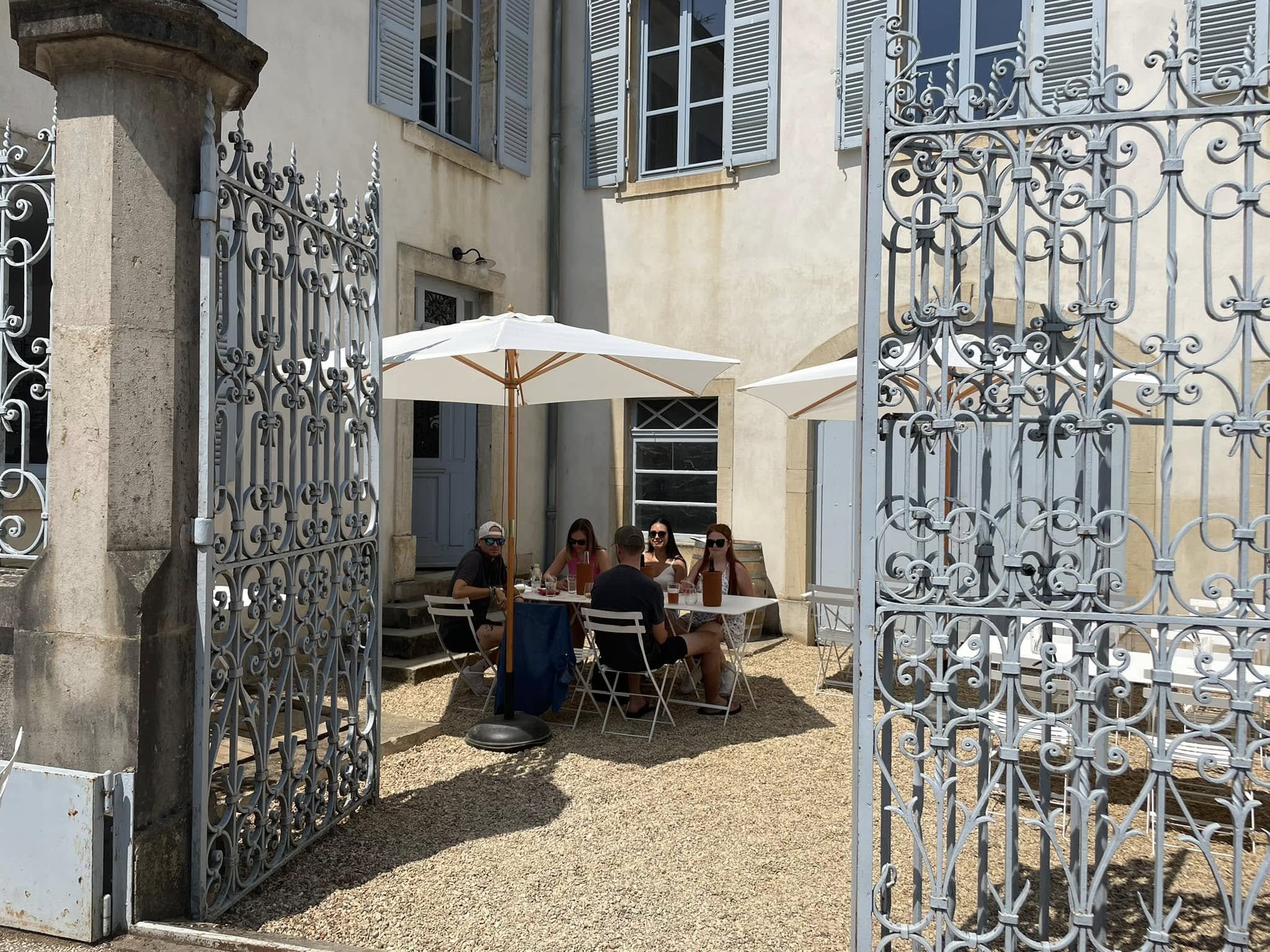
Armand Heitz - Armand Heitz is a wine producer in Chassagne-Montrachet with multiple locations for tasting. Environmental sustainability is the basic principle of their philosophy. We have visited the tasting room in Pommard three times. One very hot day biking through Burgundy with our kids, in addition to tasting their wonderful wine, they ordered beer made by this producer and… to this day, say it’s one of the best beers ever!
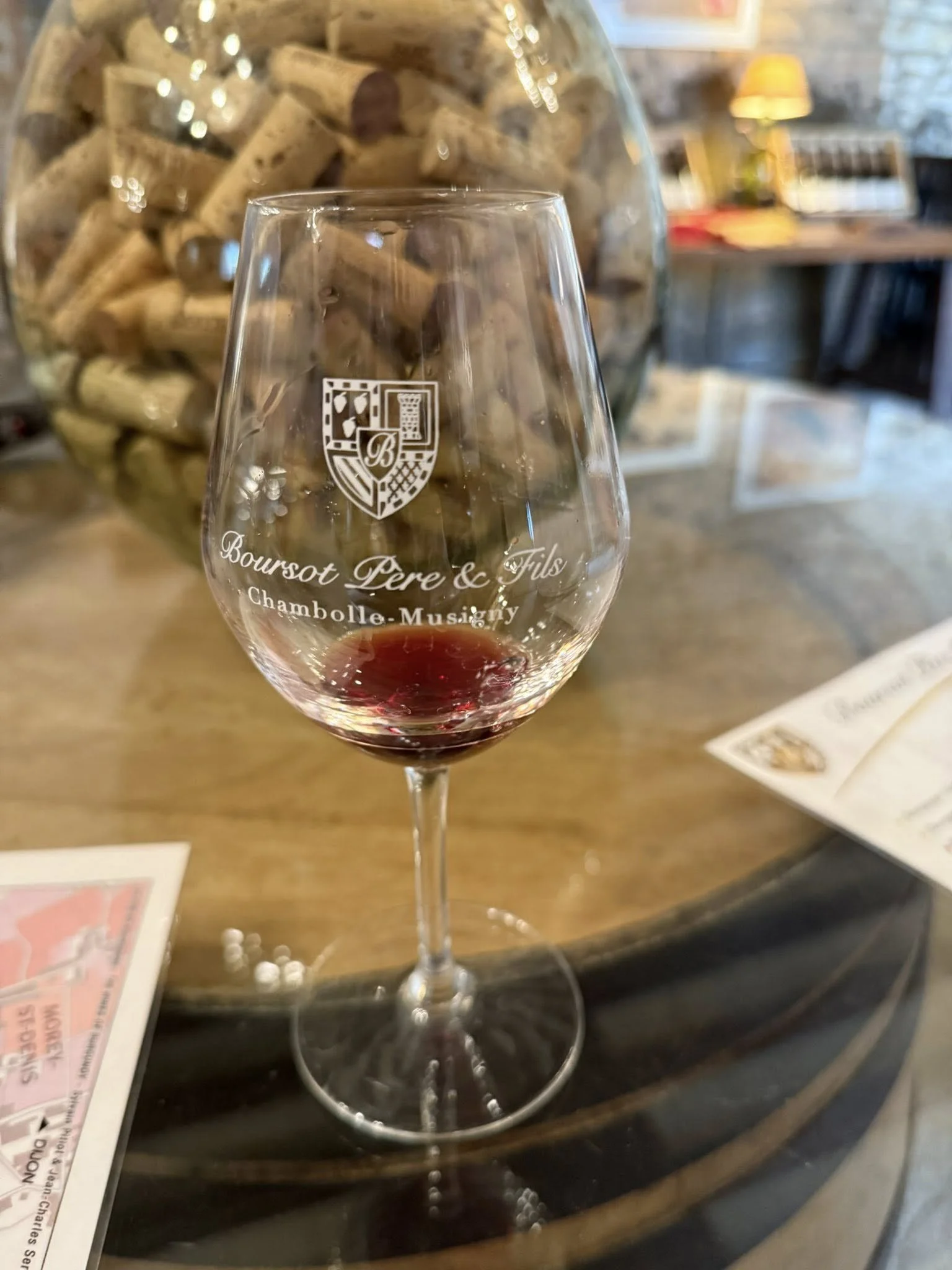
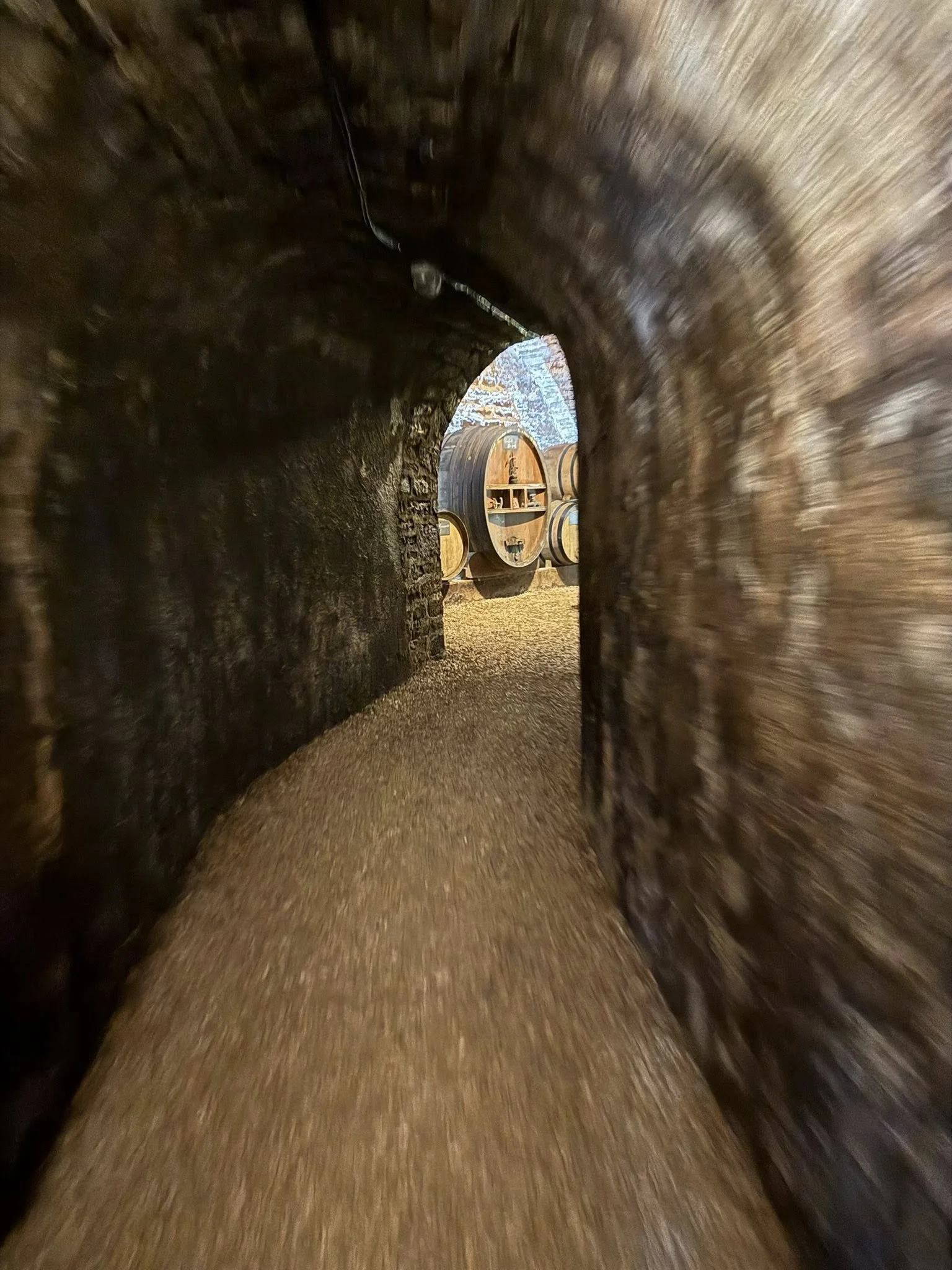
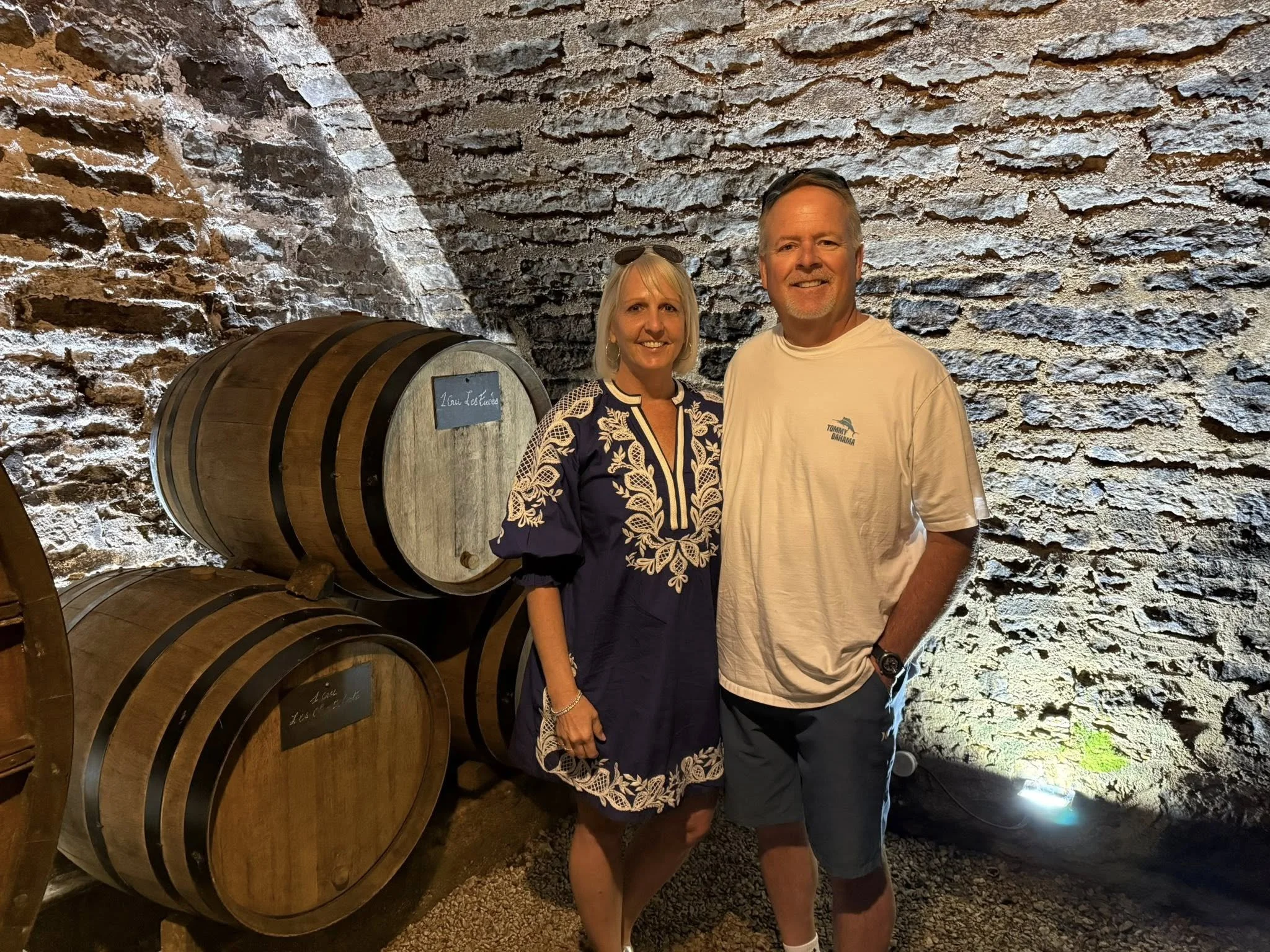
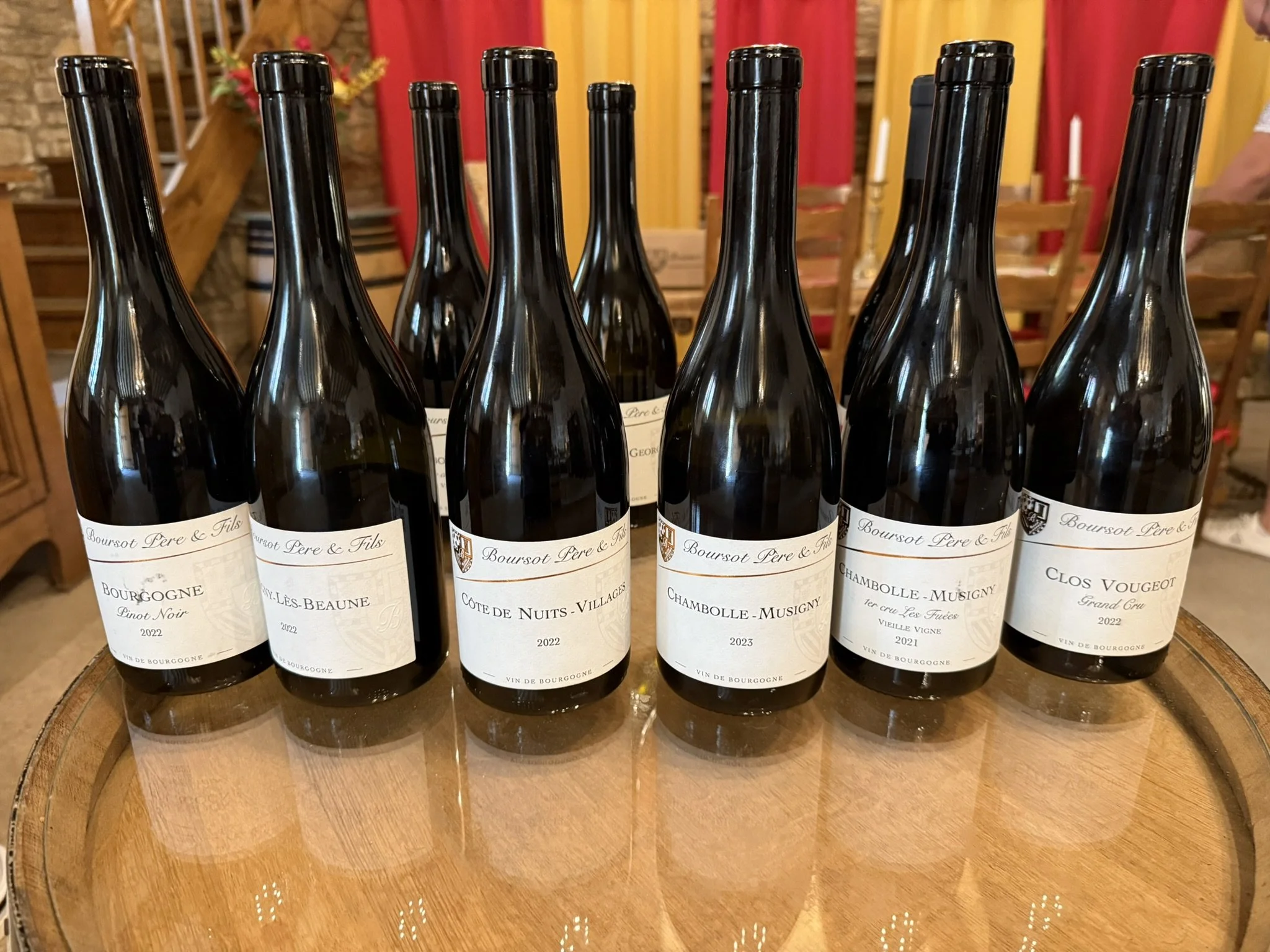
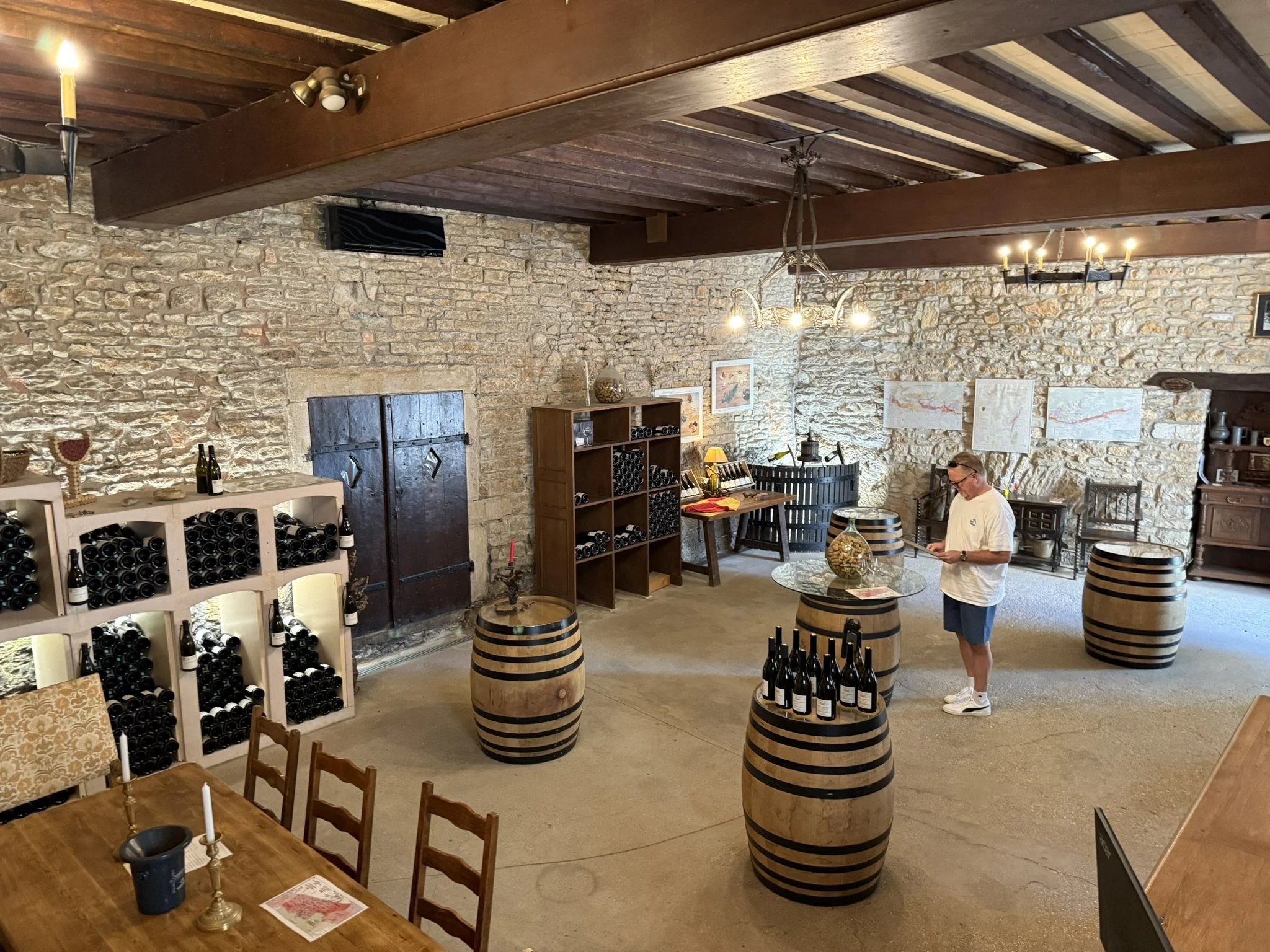
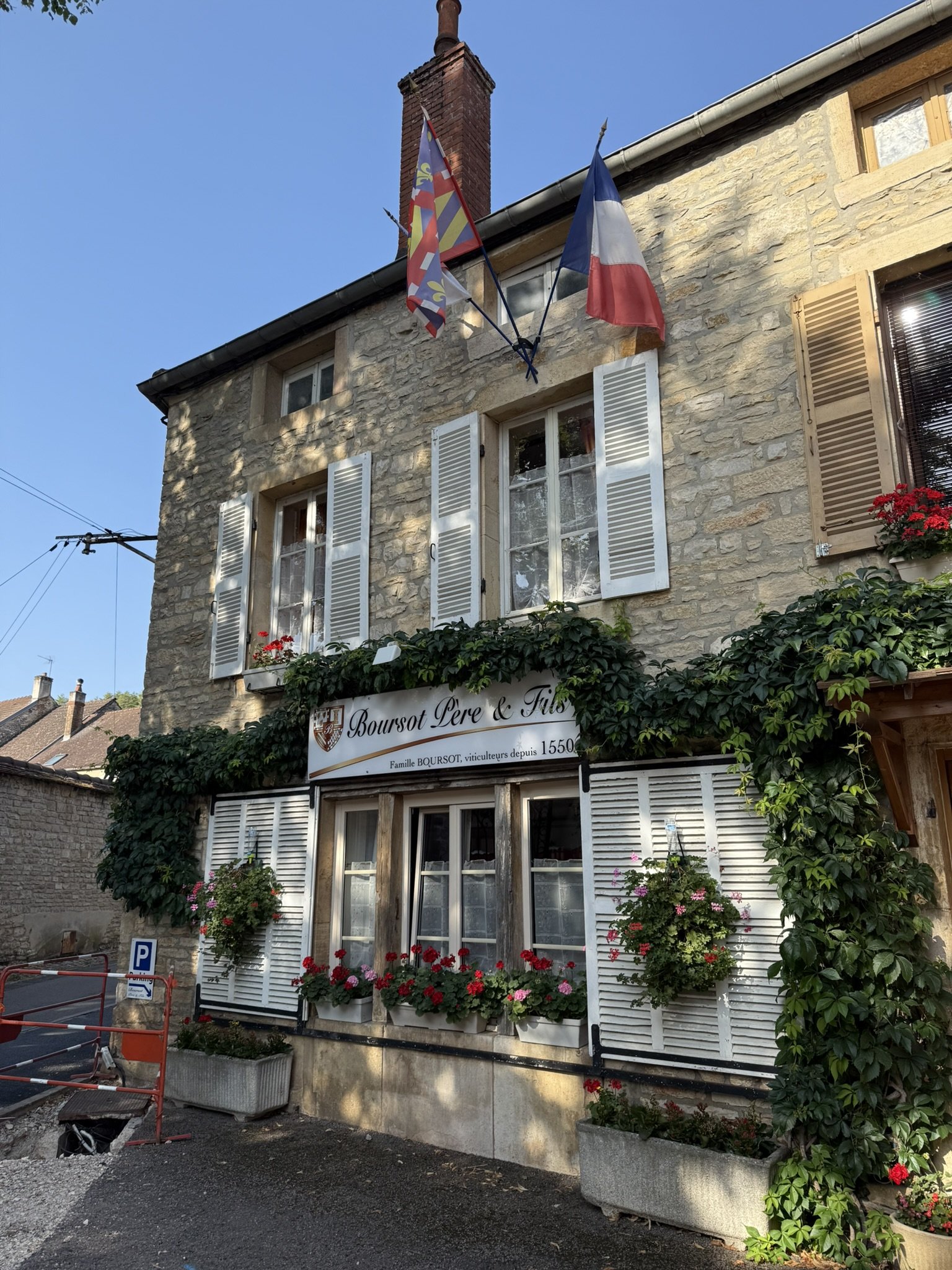
Boursot Pere et Fils – The history of the Boursot family in Chambolle-Musigny goes back to 1550. The estate now has four hectares of vines and also buys grapes from other vineyards to produce more wine. We had a lovely, private tasting here with one of the family members and enjoyed seeing their cellar and tasting their amazing wines.
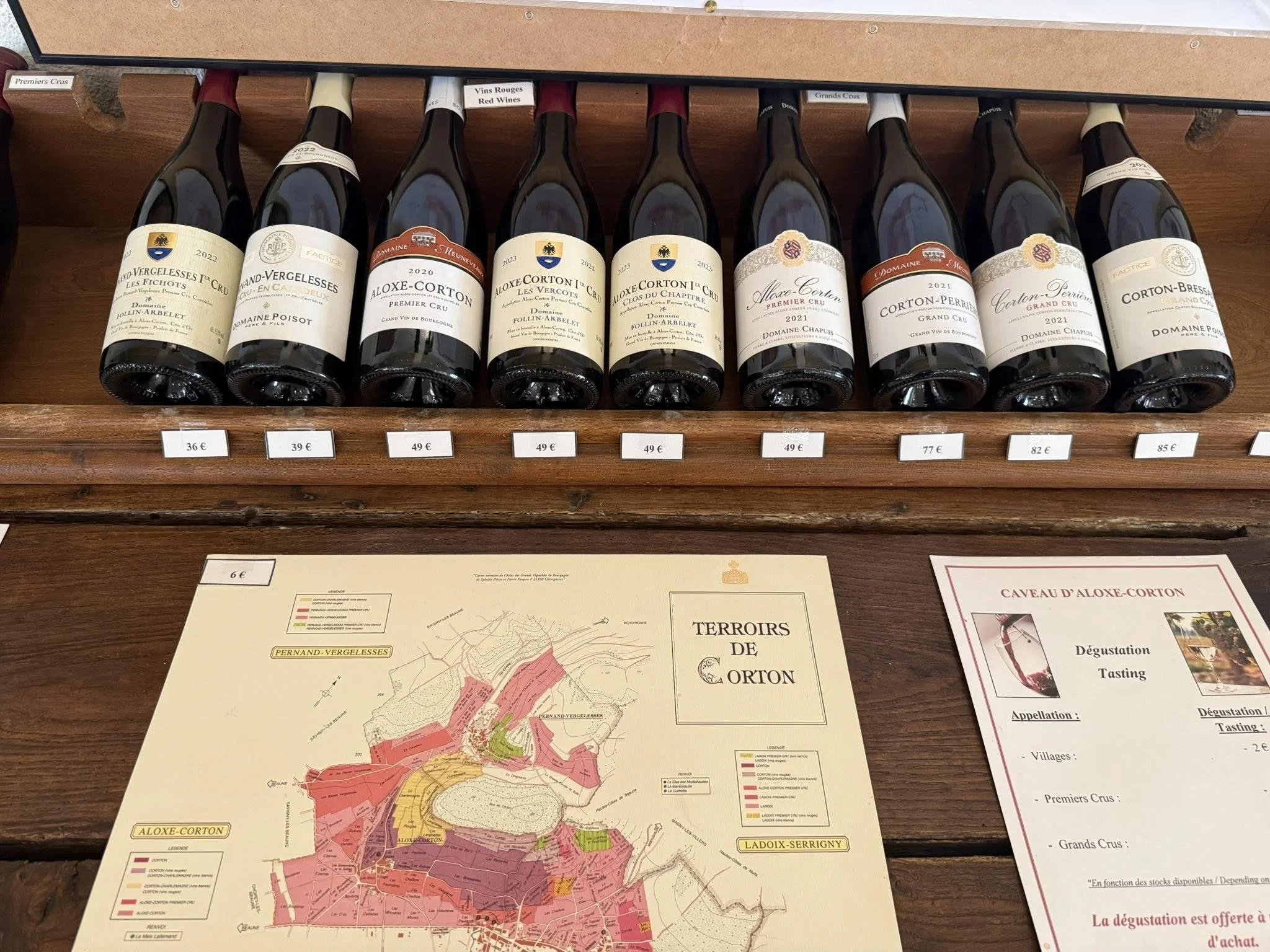
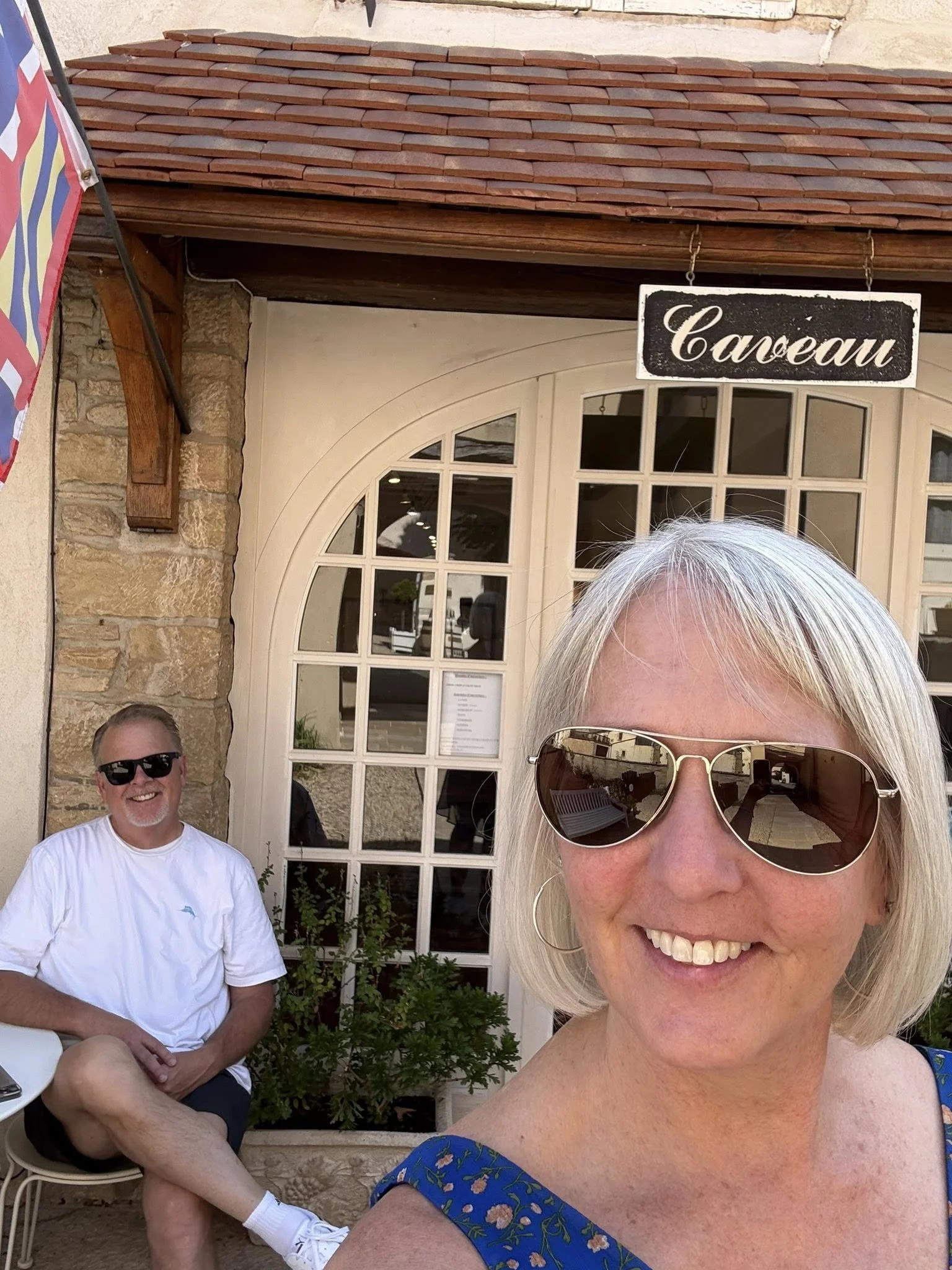
Caveau d’Aloxe-Corton – This is a small cellar that represents 4 estates in the village of Aloxe-Corton. This village produces great wines, is the only village on the Côte de Beaune offering red grands crus, and has the famous white grand cru, the Corton Charlemagne. It was a great stop! This tasting room is closed during the off season and opens April 1 each year.
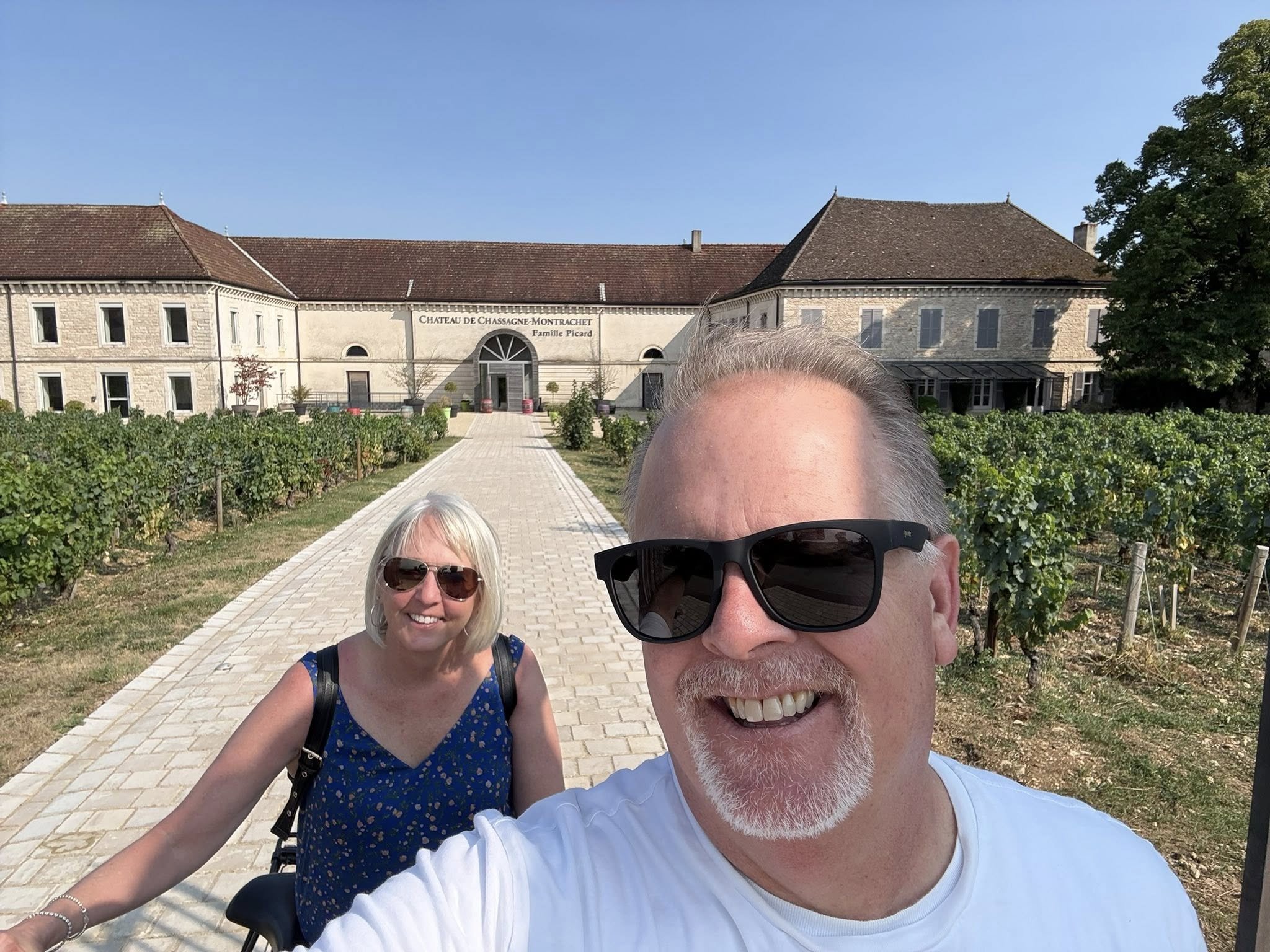
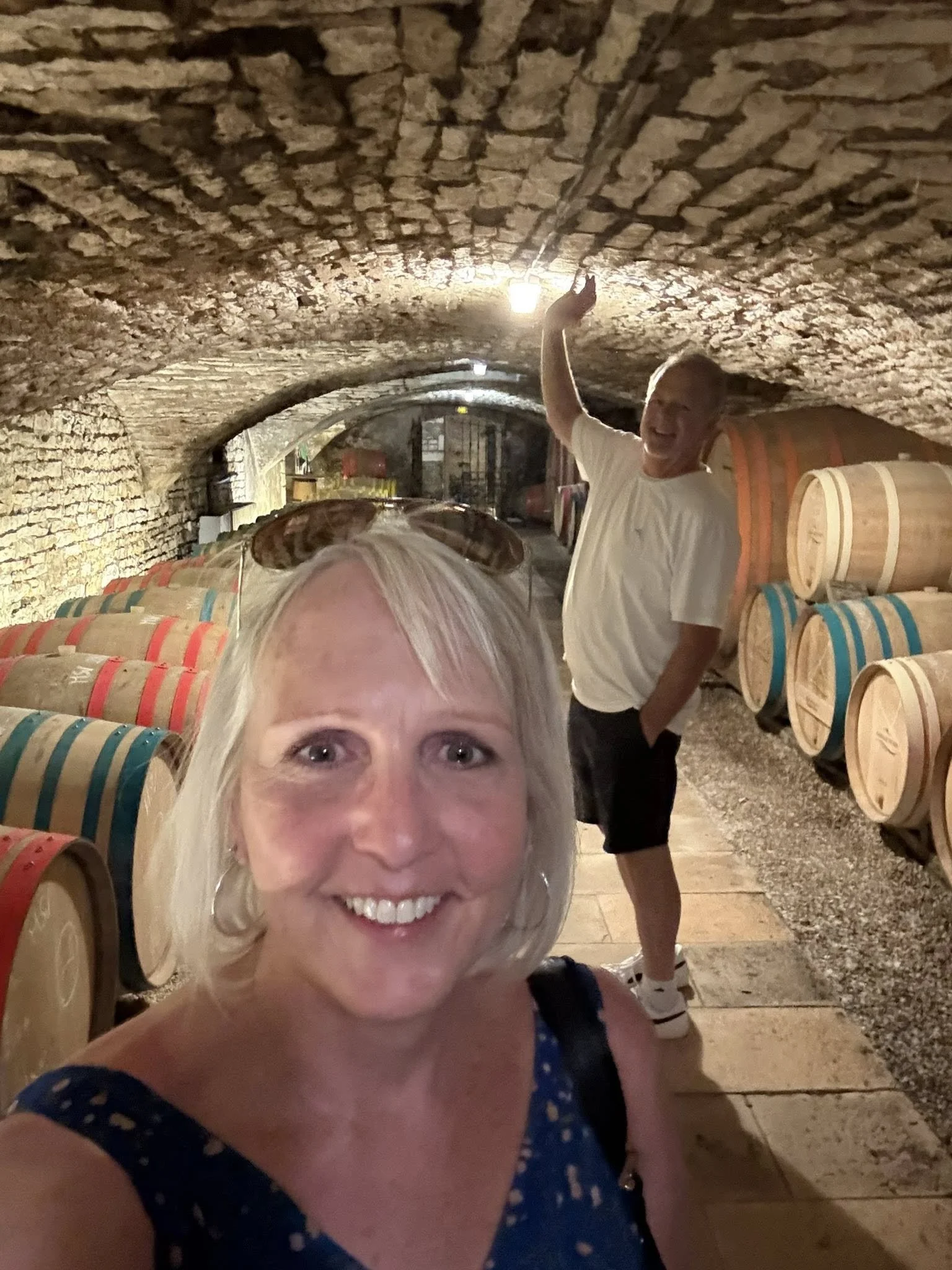
Chateau de Chassagne-Montrachet – This family run winery is larger than some of the others with 140 hectares of vineyards. They welcome you into their 11th and 14th century cellars for a tour, followed by a tasting of several of their wines. For a wine and food experience, they also offer a lunch pairing with regional cuisine paired with their wines.
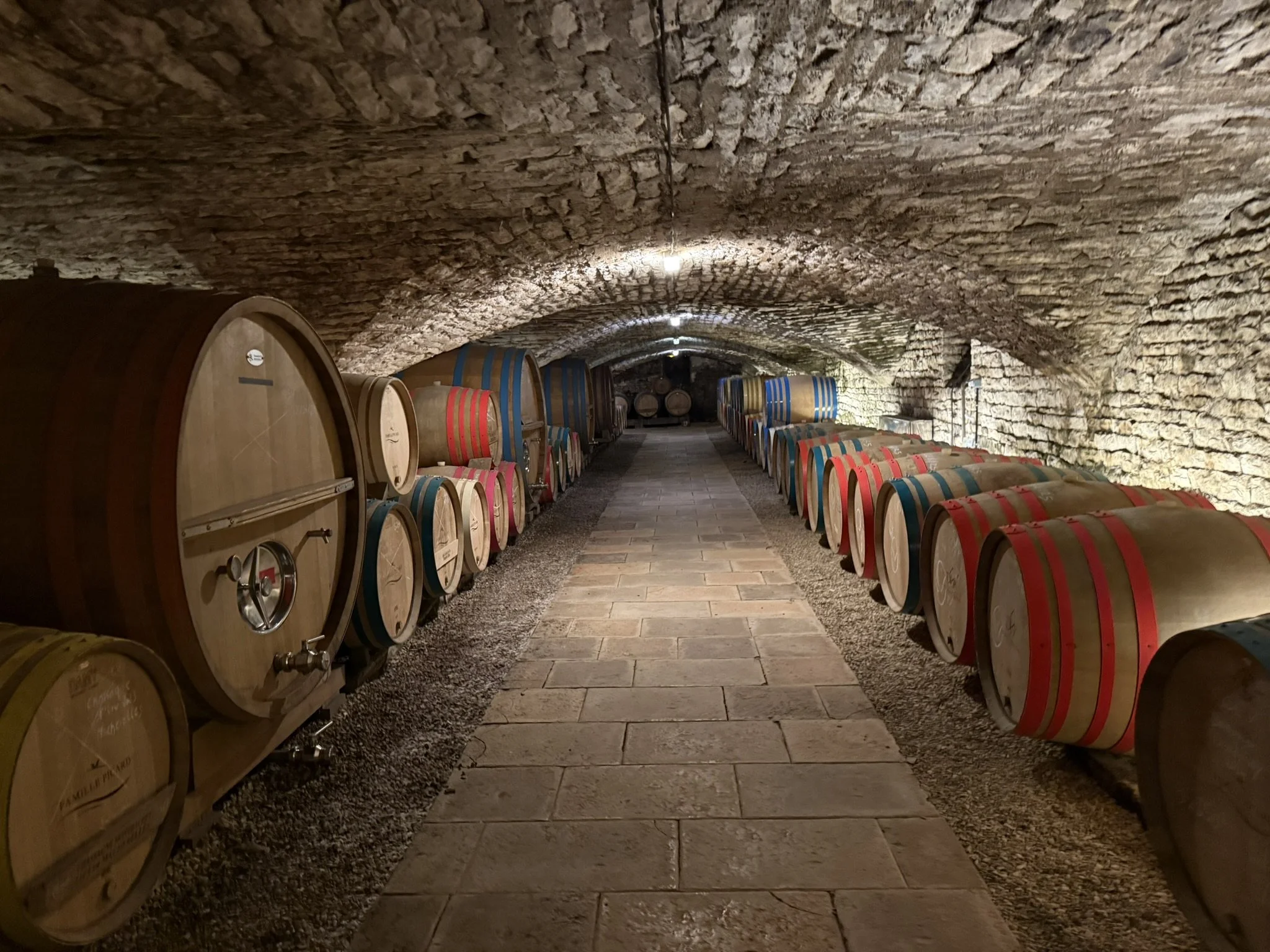
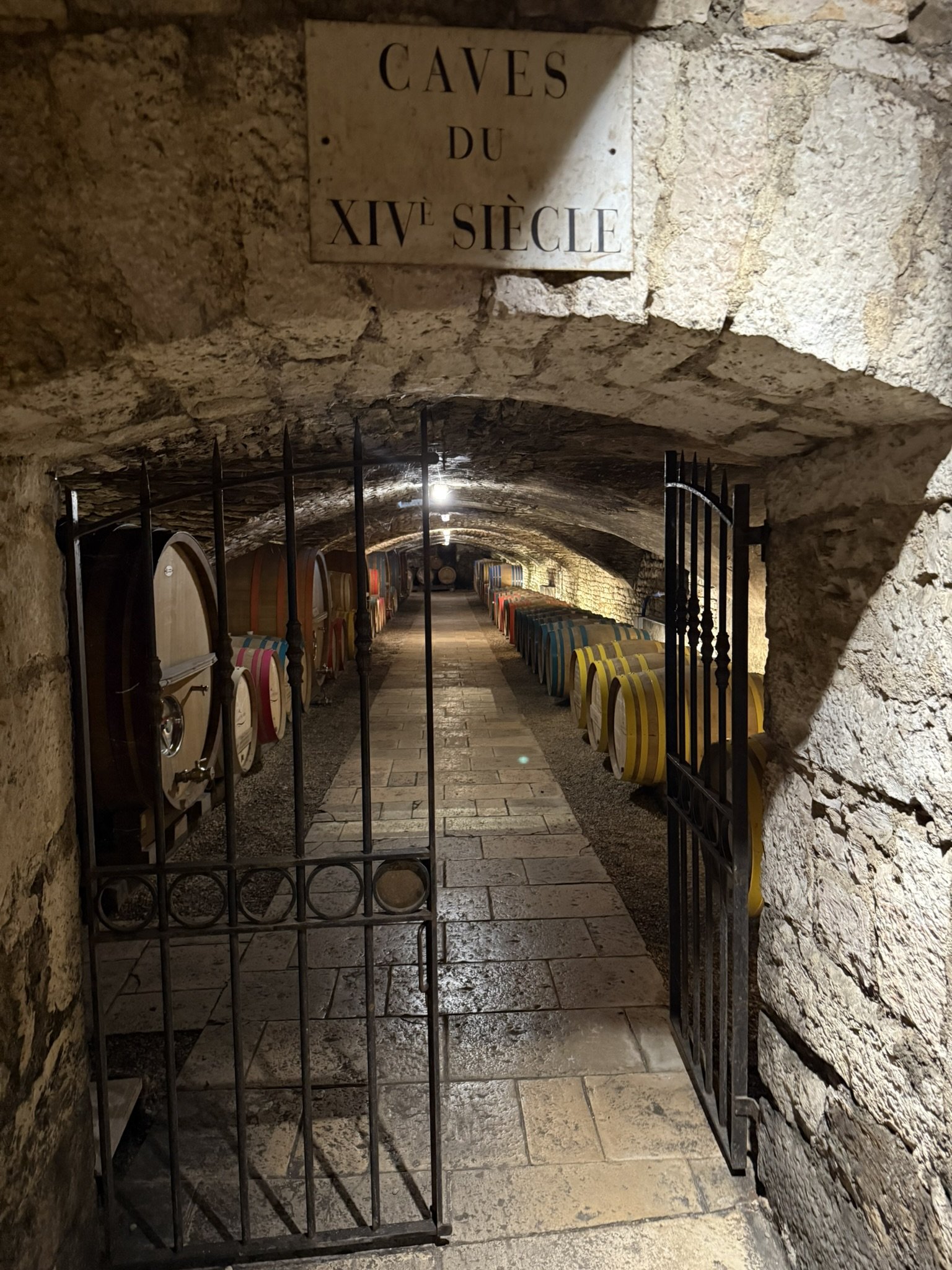
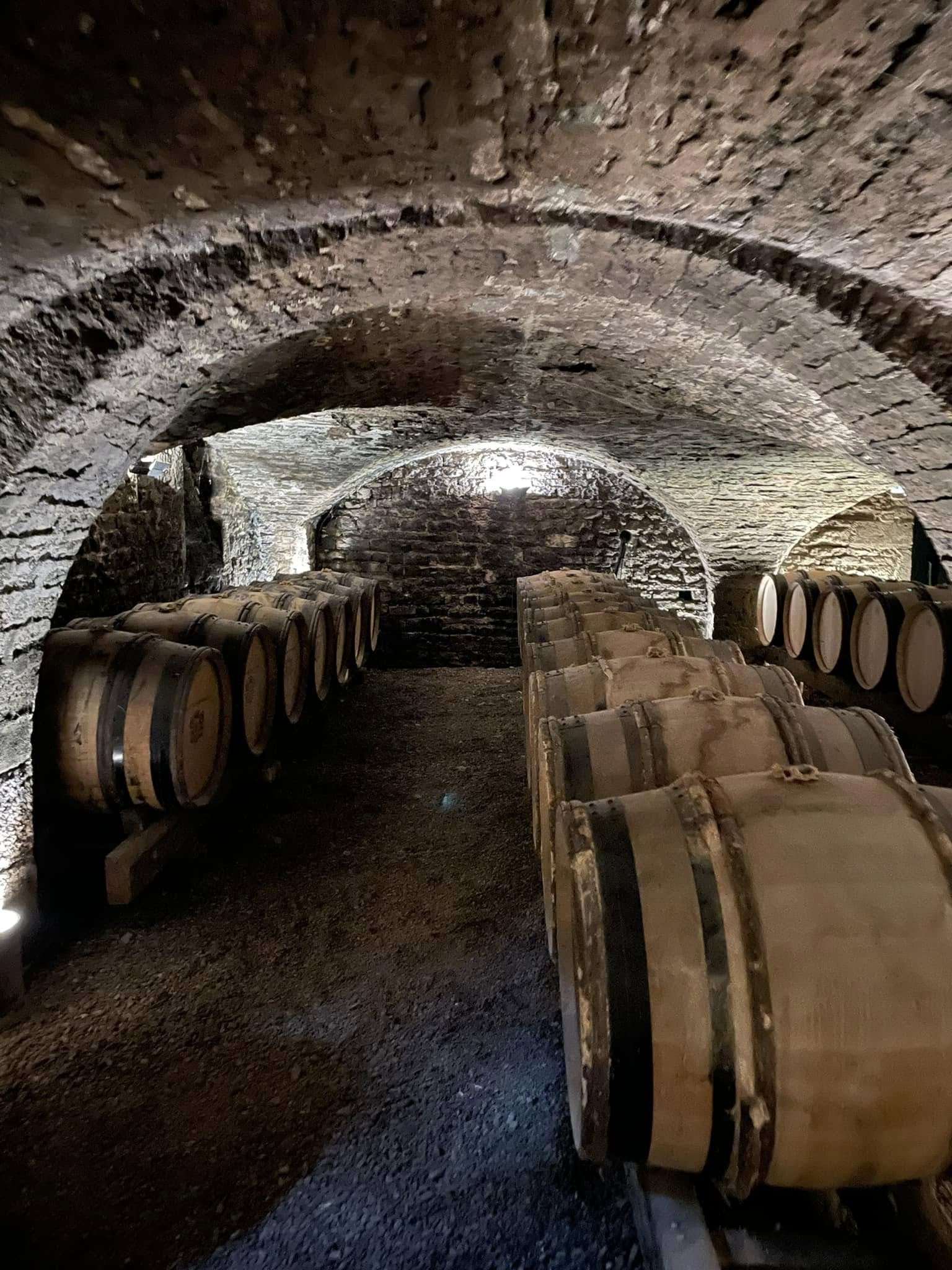
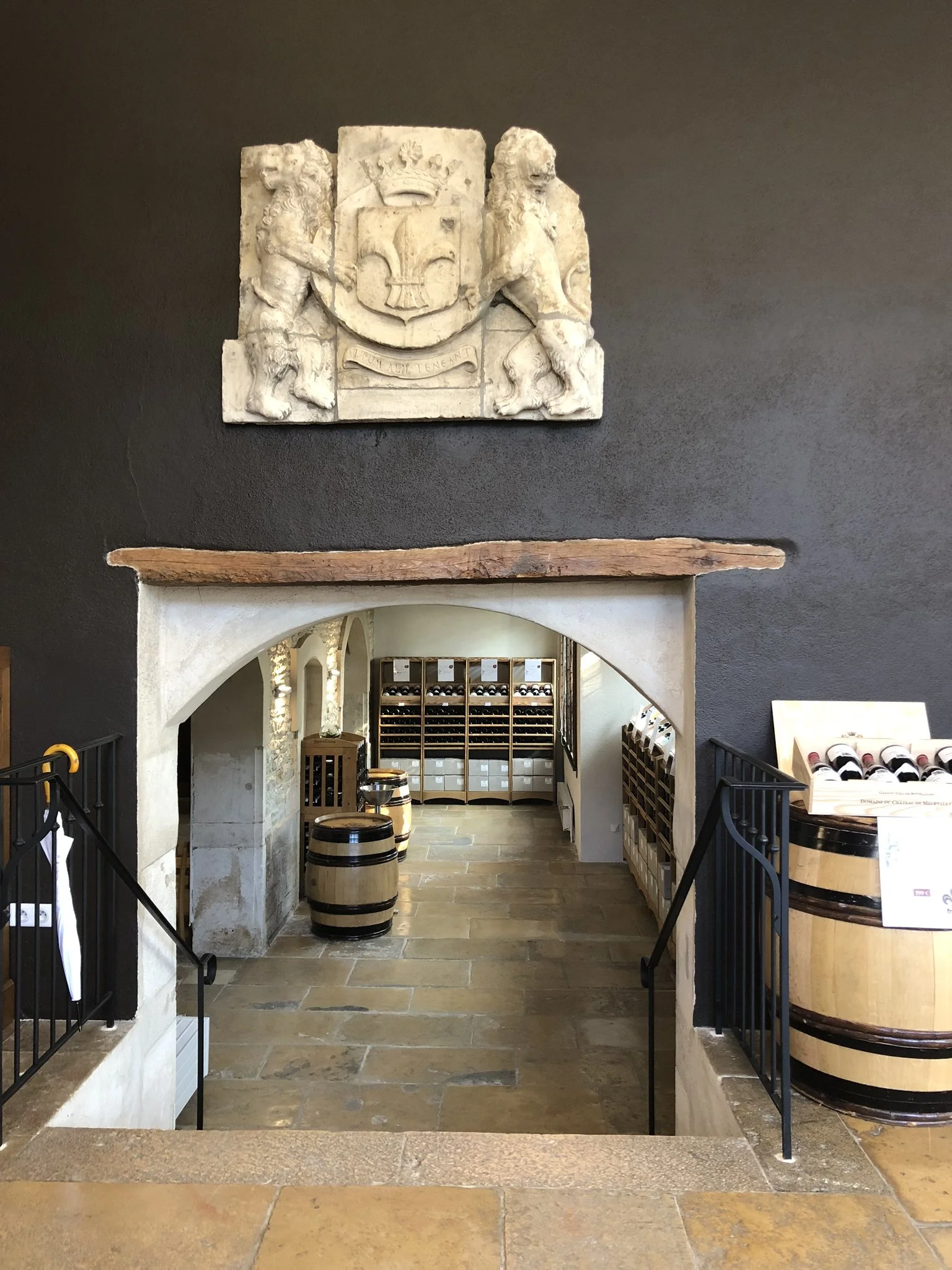
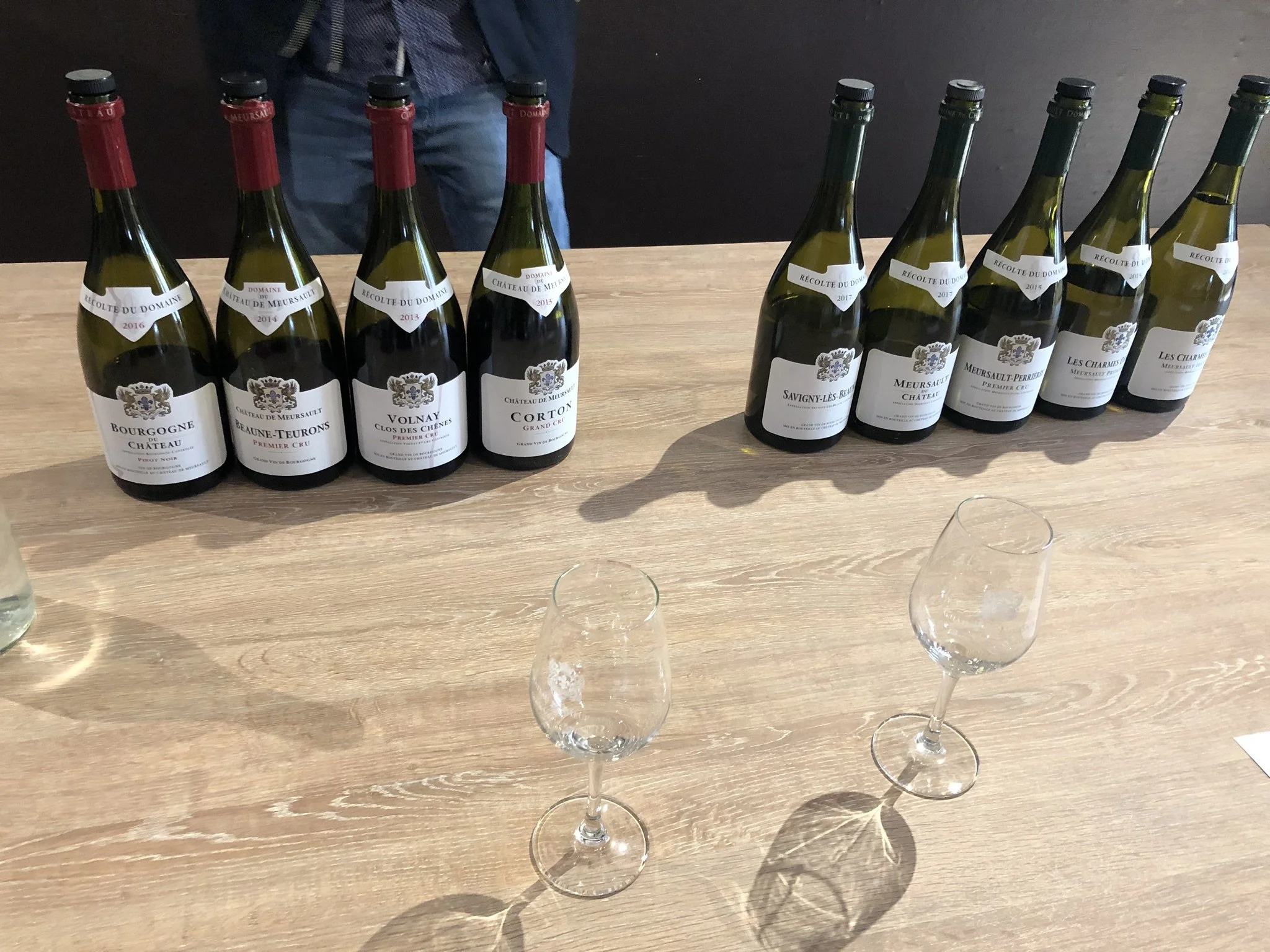
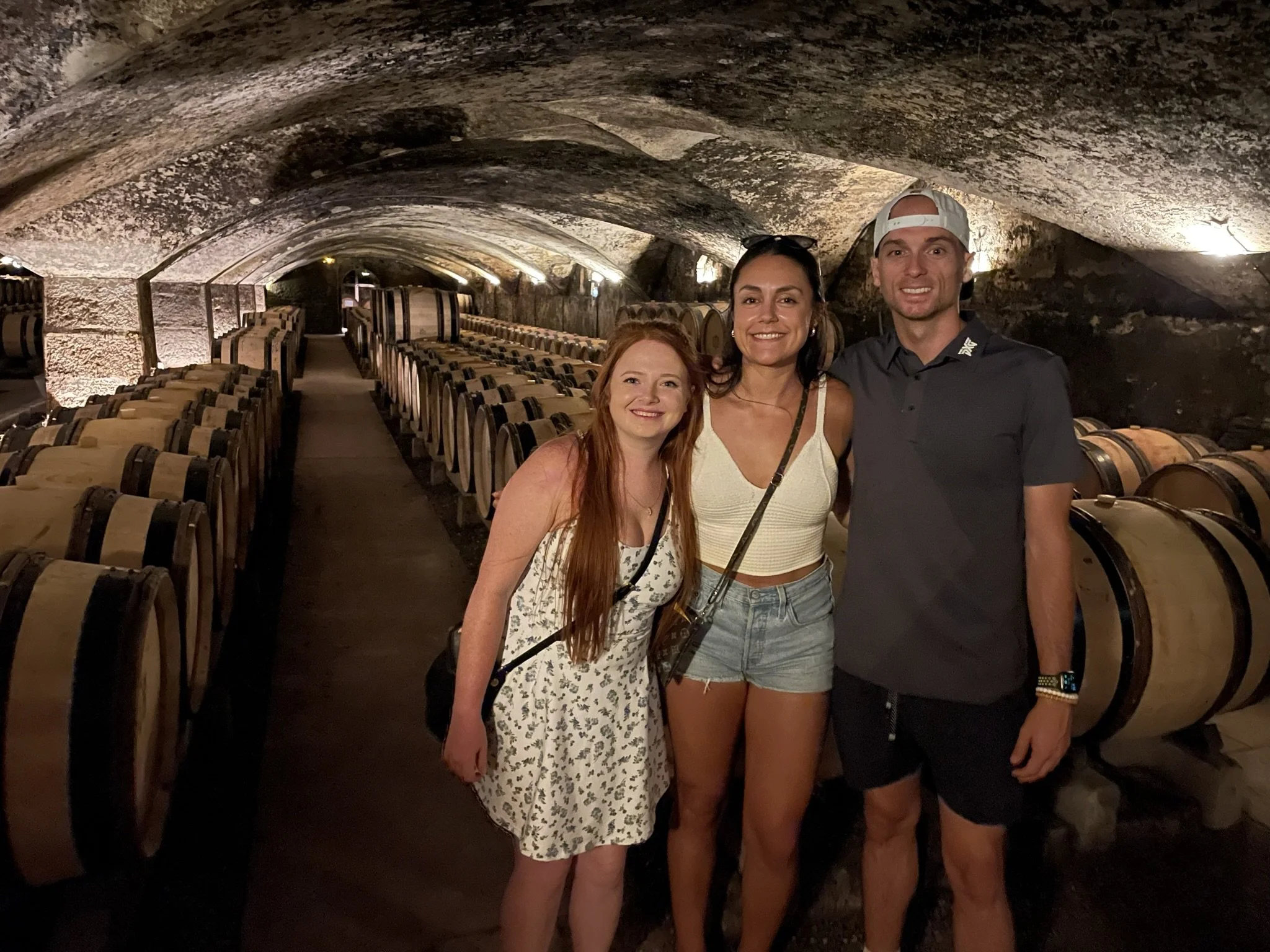
Chateau de Meursault – Just 8 km south of Beaune in the village of Meursault, the Château de Meursault estate is in a beautiful setting with its 8-hectare walled estate and 3,500 m2 (38,000 sq ft) cellars. It is one of the most visited wine estates in the Côte de Beaune. They offer tours and tastings where you get to go into the 12th, 14th and 16th century cellars that stretch beneath the Château.
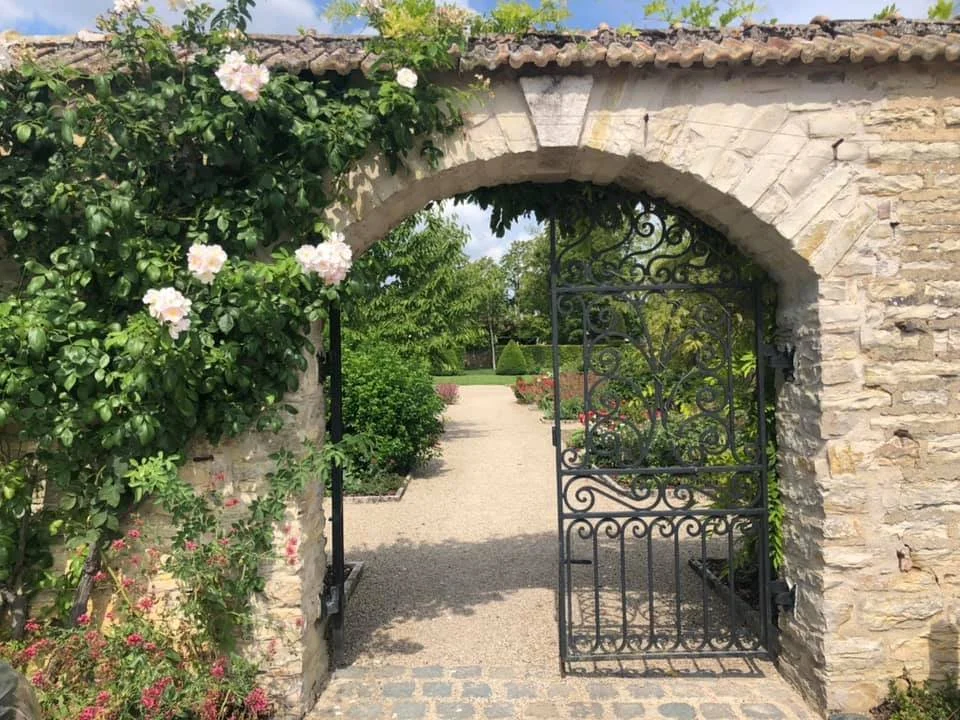
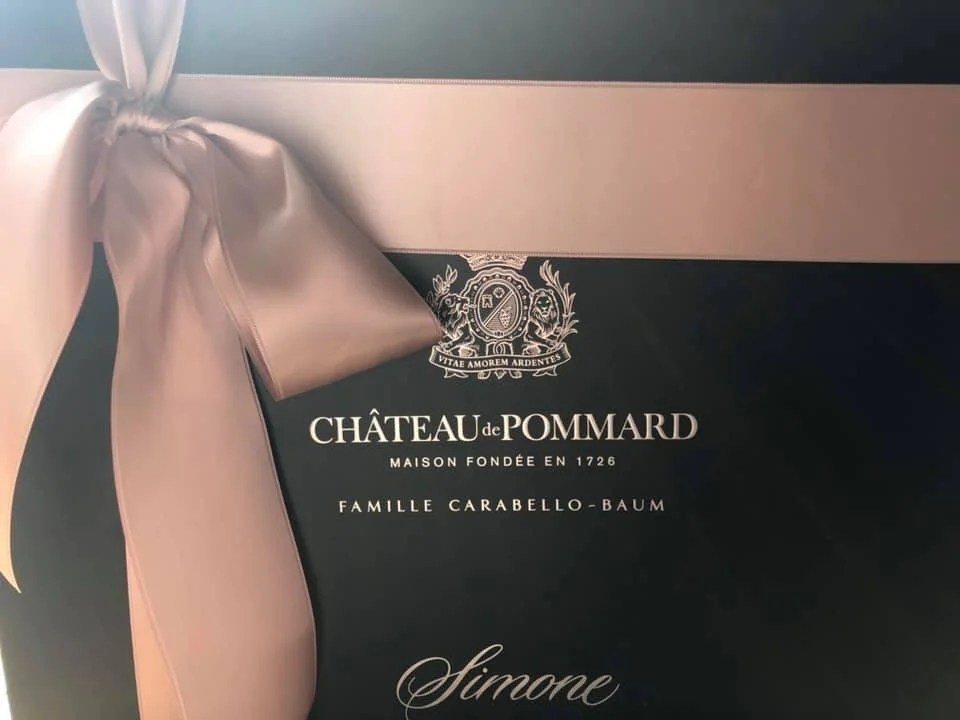
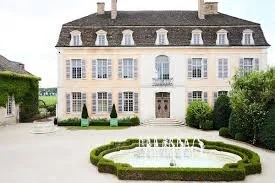
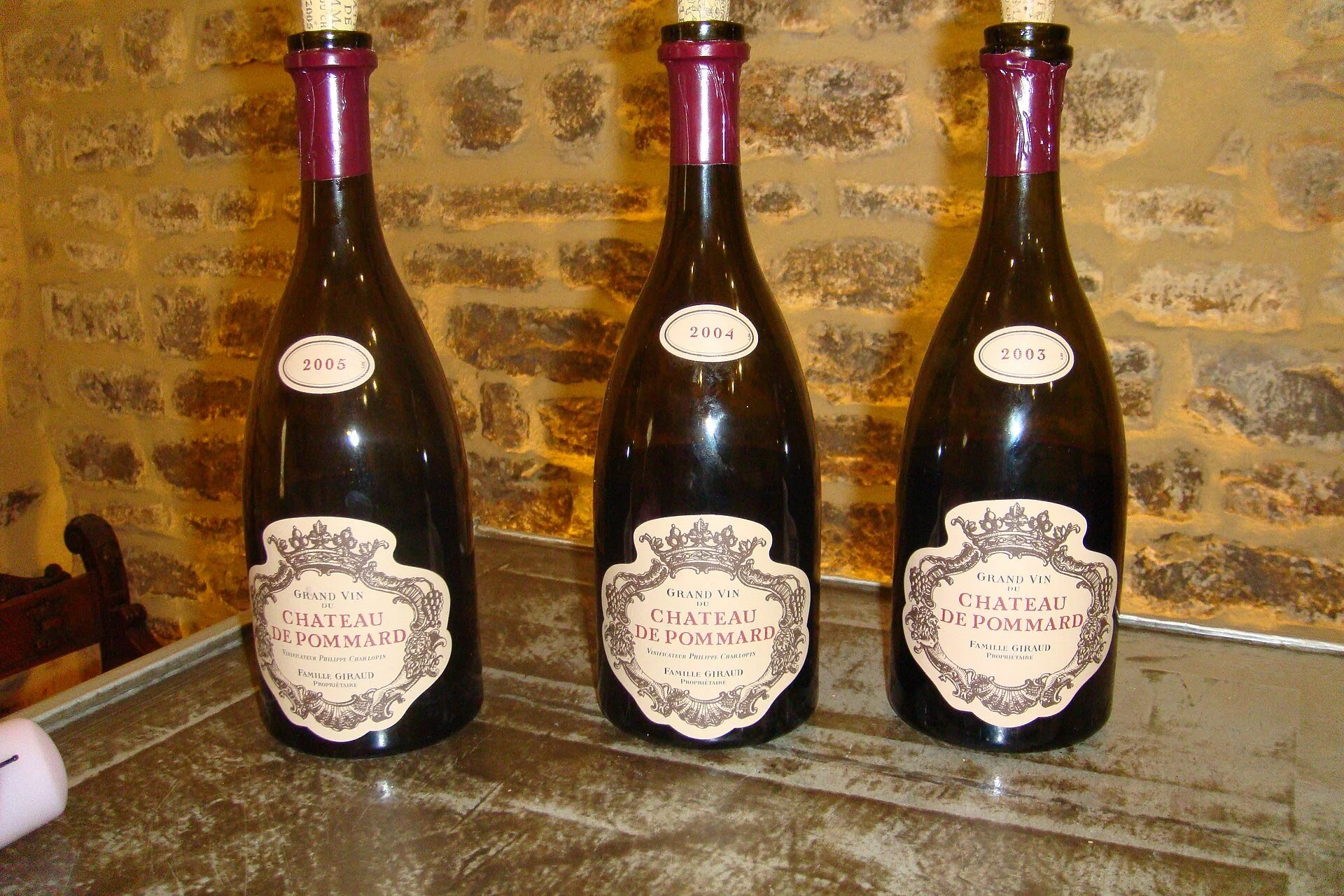
Chateau de Pommard – Founded in 1726, Château de Pommard is home to Clos Marey-Monge, the 20-hectare organic and biodynamic vineyard. Located just a few kilometers from Beaune, this geological marvel creates some of the world’s most outstanding Burgundy Pinot Noirs.
Domaine Evenstad and Chateau de la Cree – Located in Santenay, these vineyards are owned by the Evenstad family of Domain Serene in the Willamette Valley. Domaine Evenstad is in the city center of Santenay and Chateau de la Cree is in the vineyards of Santenay. Both are beautiful experiences. Domaine Evenstad has two-level 19th century vaulted cellars and Chateau de la Cree offers tastings in the vineyard or in the chateau. As wine club members at Domaine Serene in Oregon, we wanted to make sure we visited both of their French locations as well. All make fantastic wine!
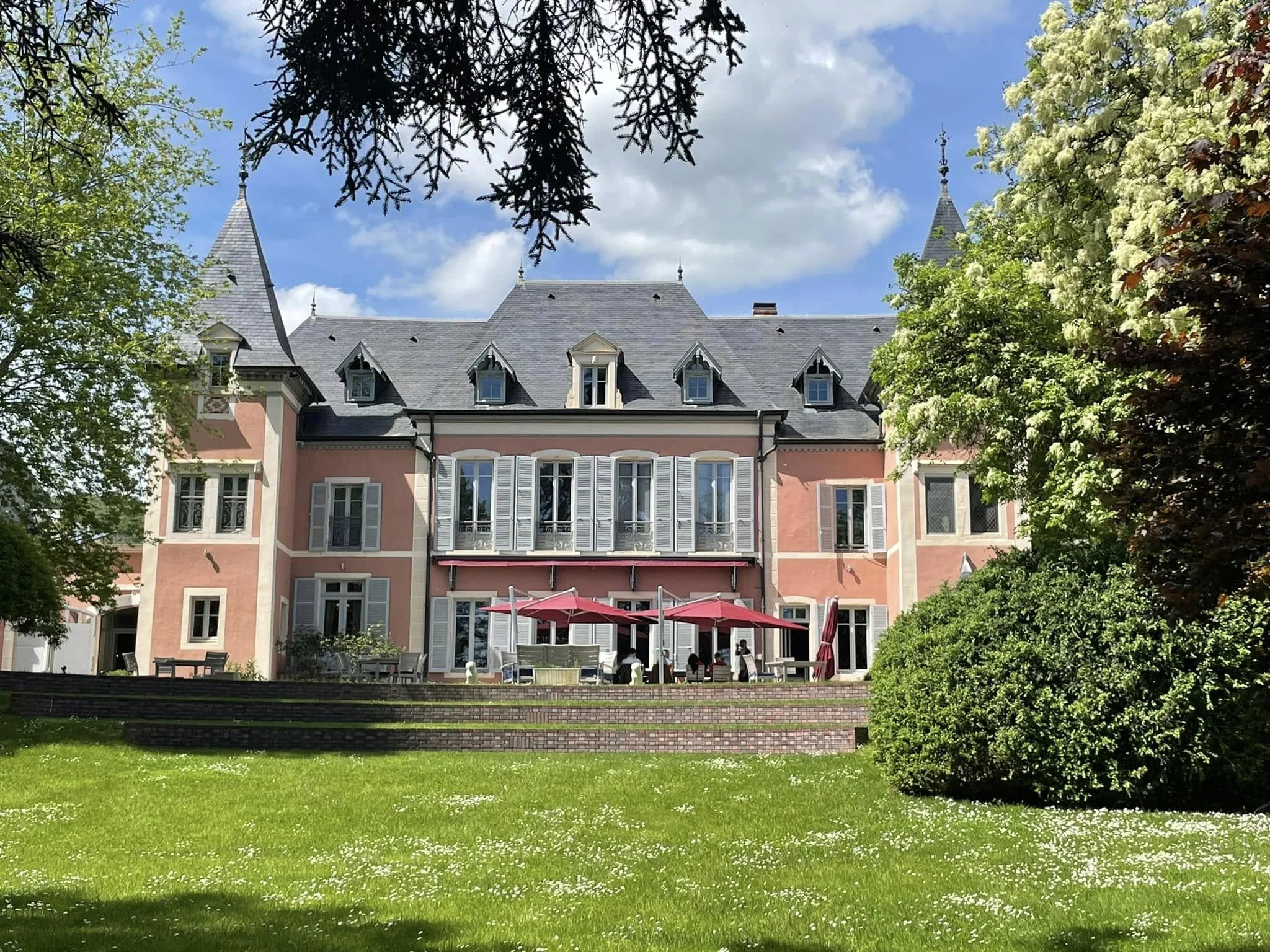
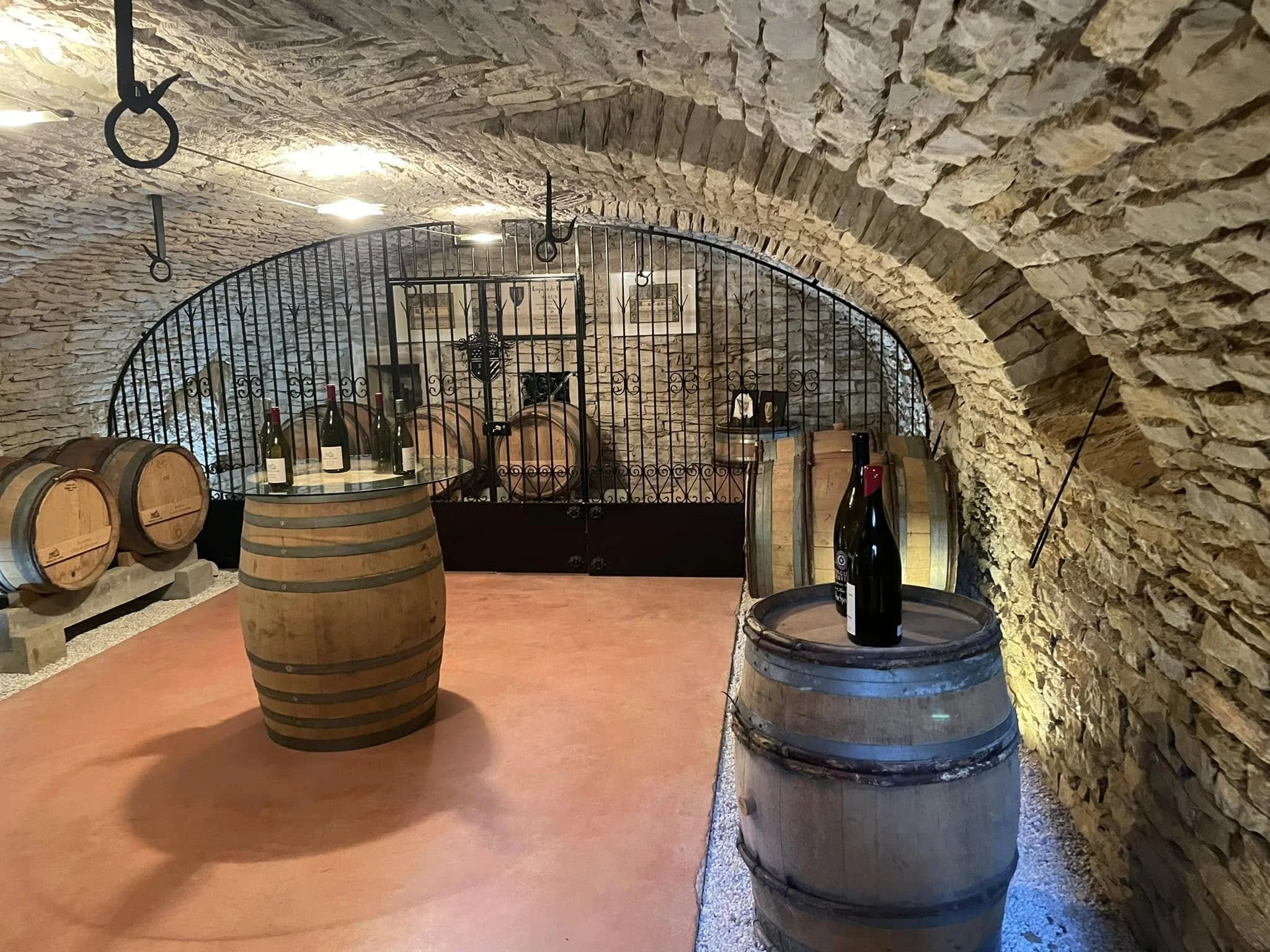
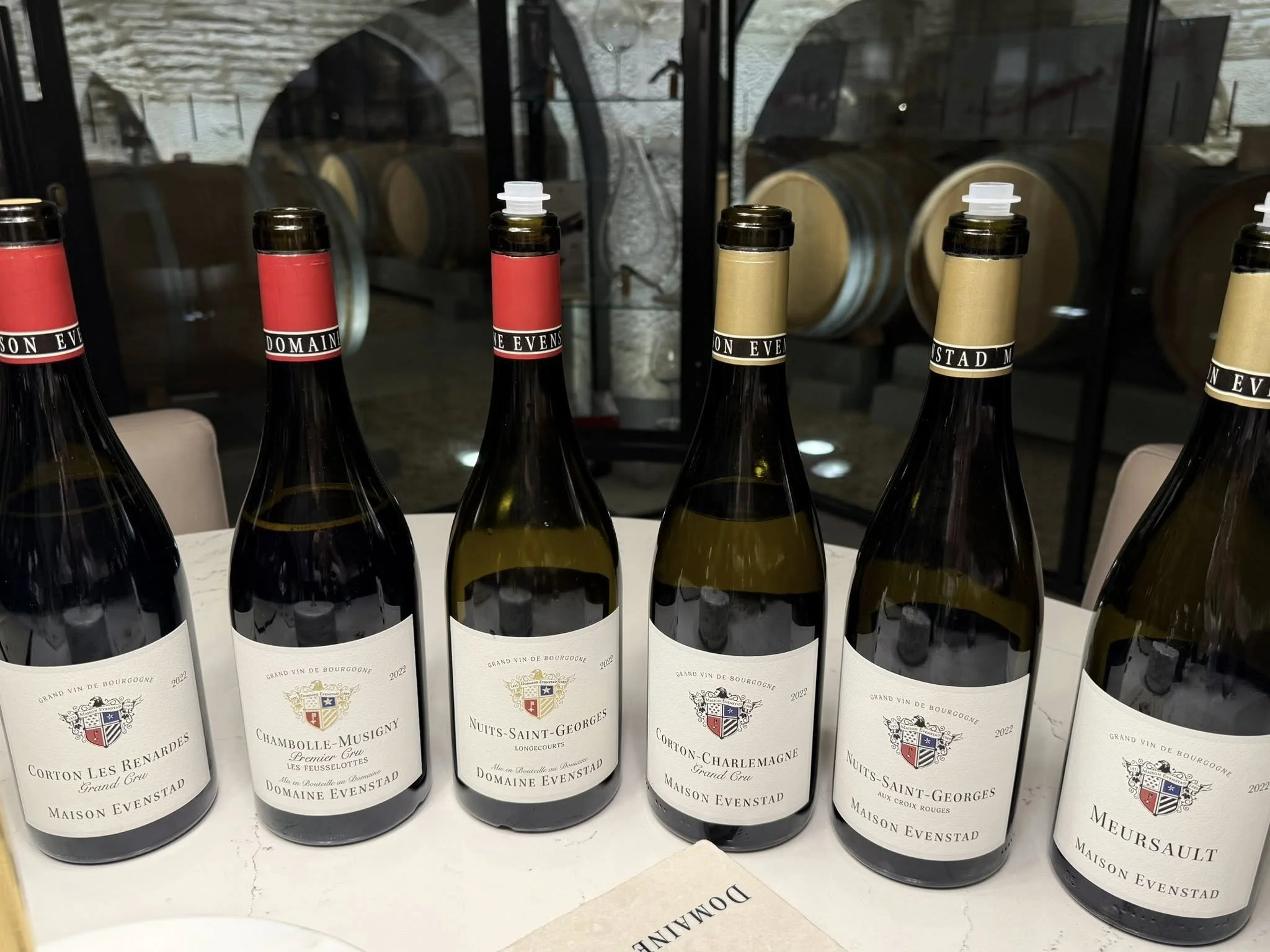
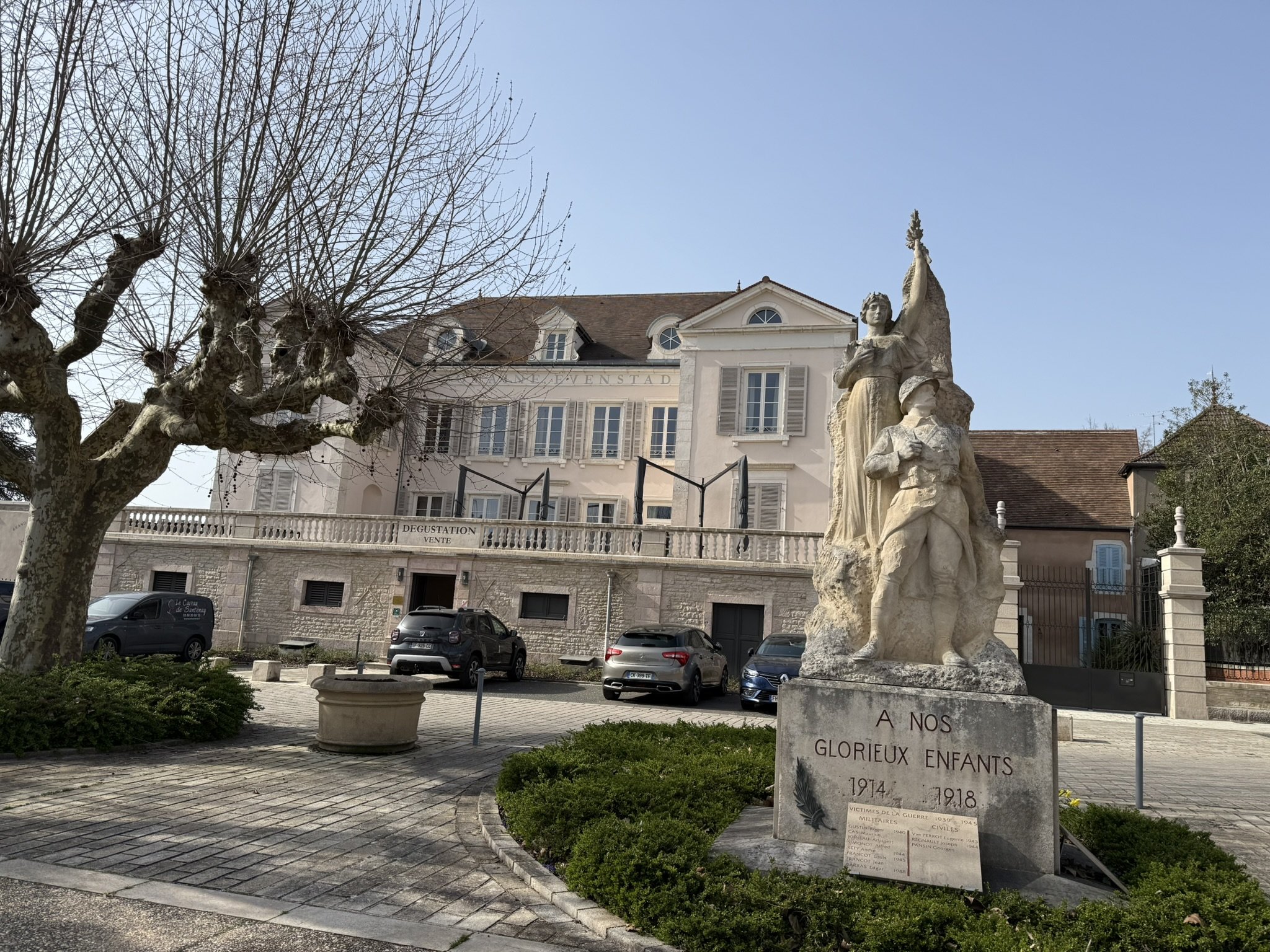
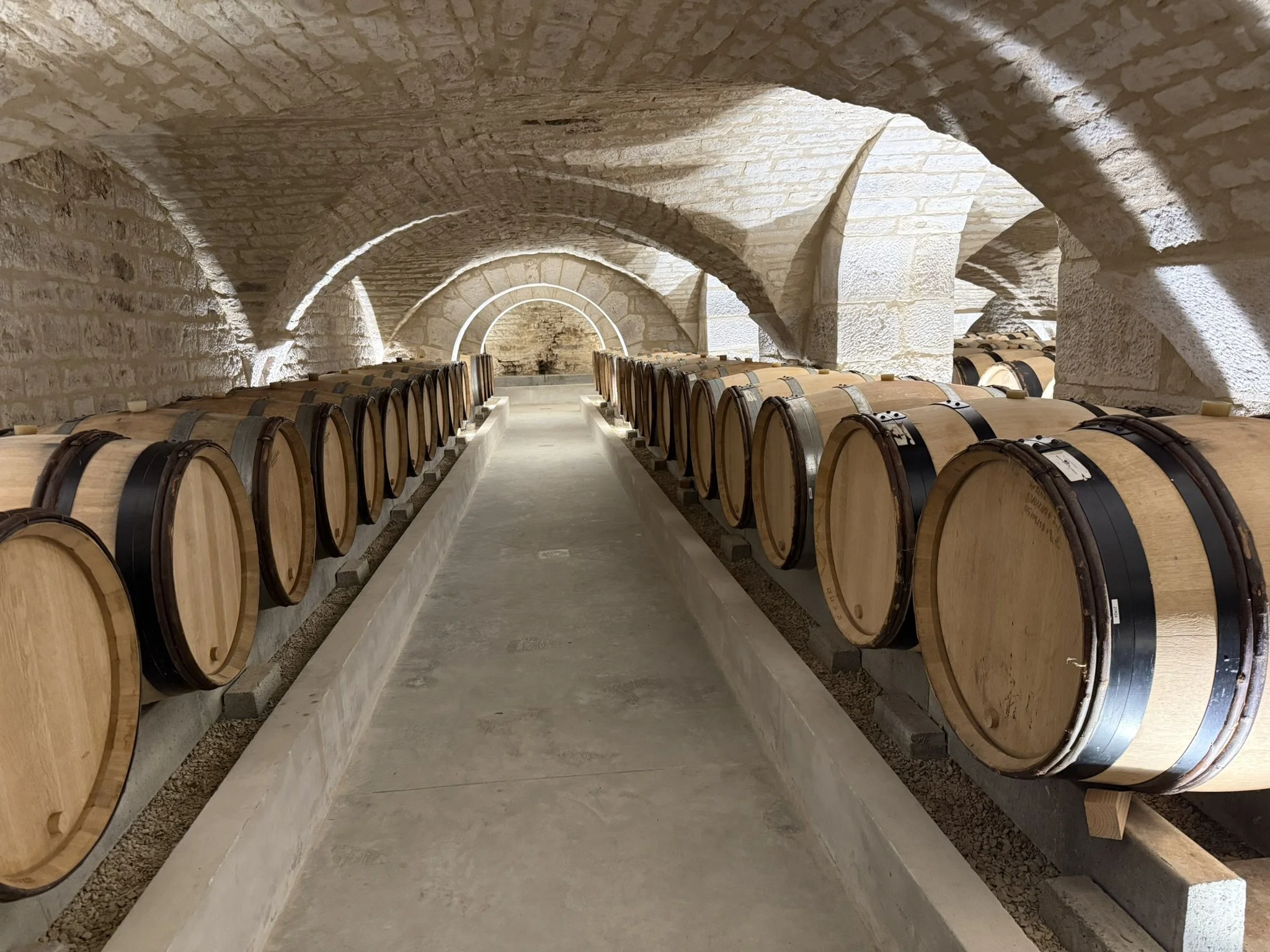
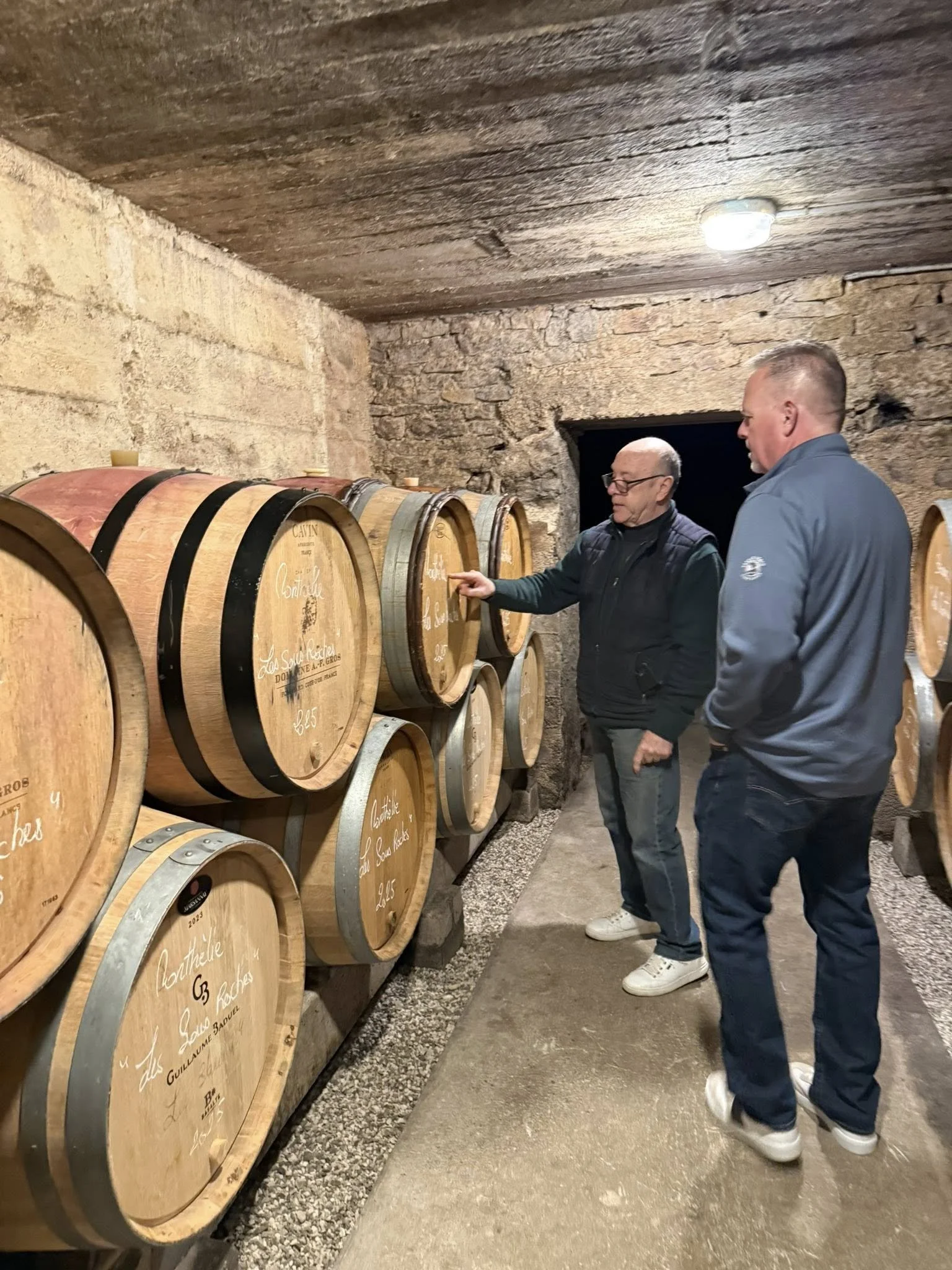
Domaine Guillaume Baduel – We had a wonderful experience at this 6th-generation family estate in Pommard. The winemaker was out of town at an event, so his father gave us a tour of their caves and production facility and did the tasting for us. They make beautiful wines. No website or online reservations so emailed them to reserve. We always love the smaller, less commercial wineries.
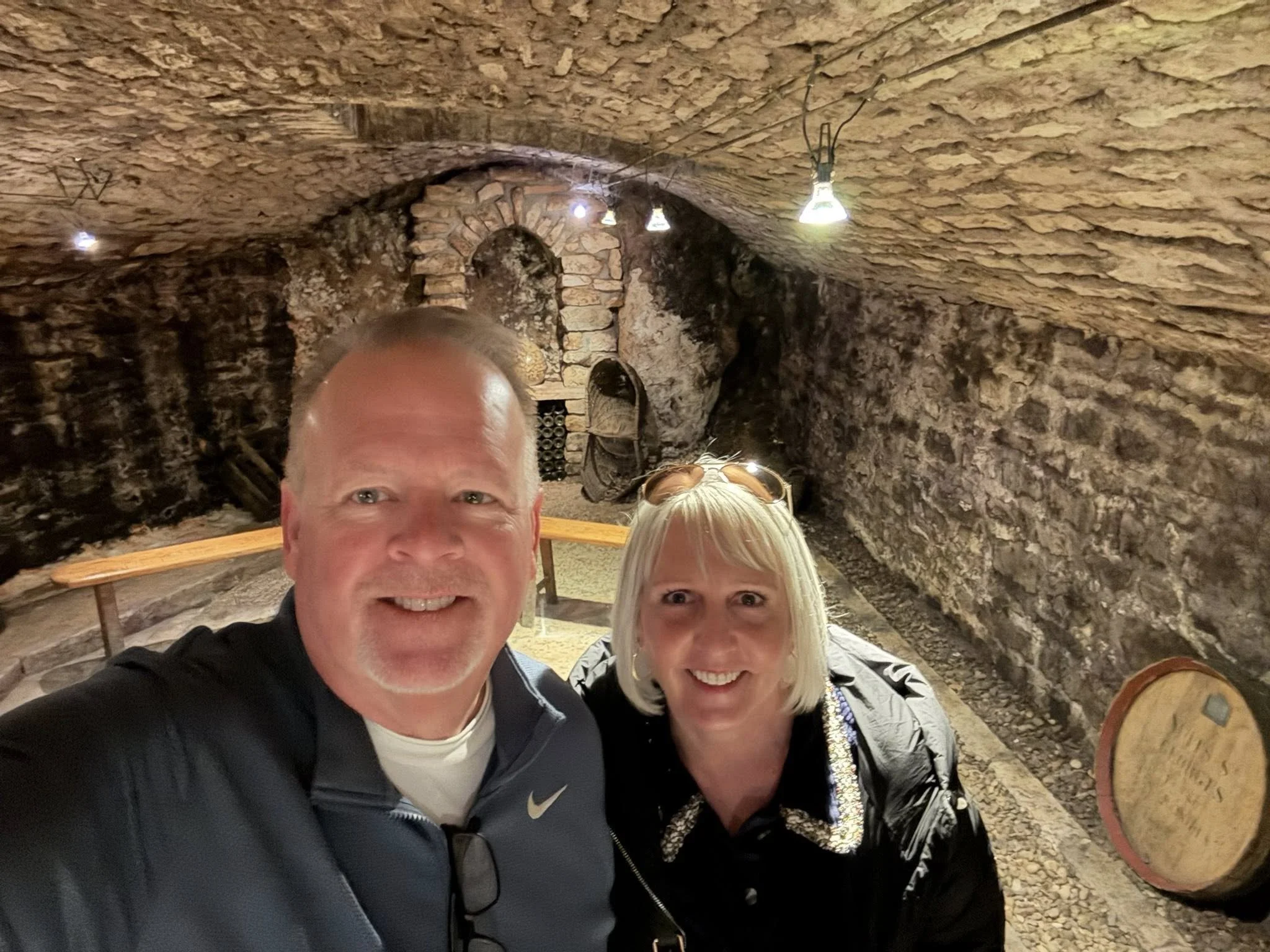
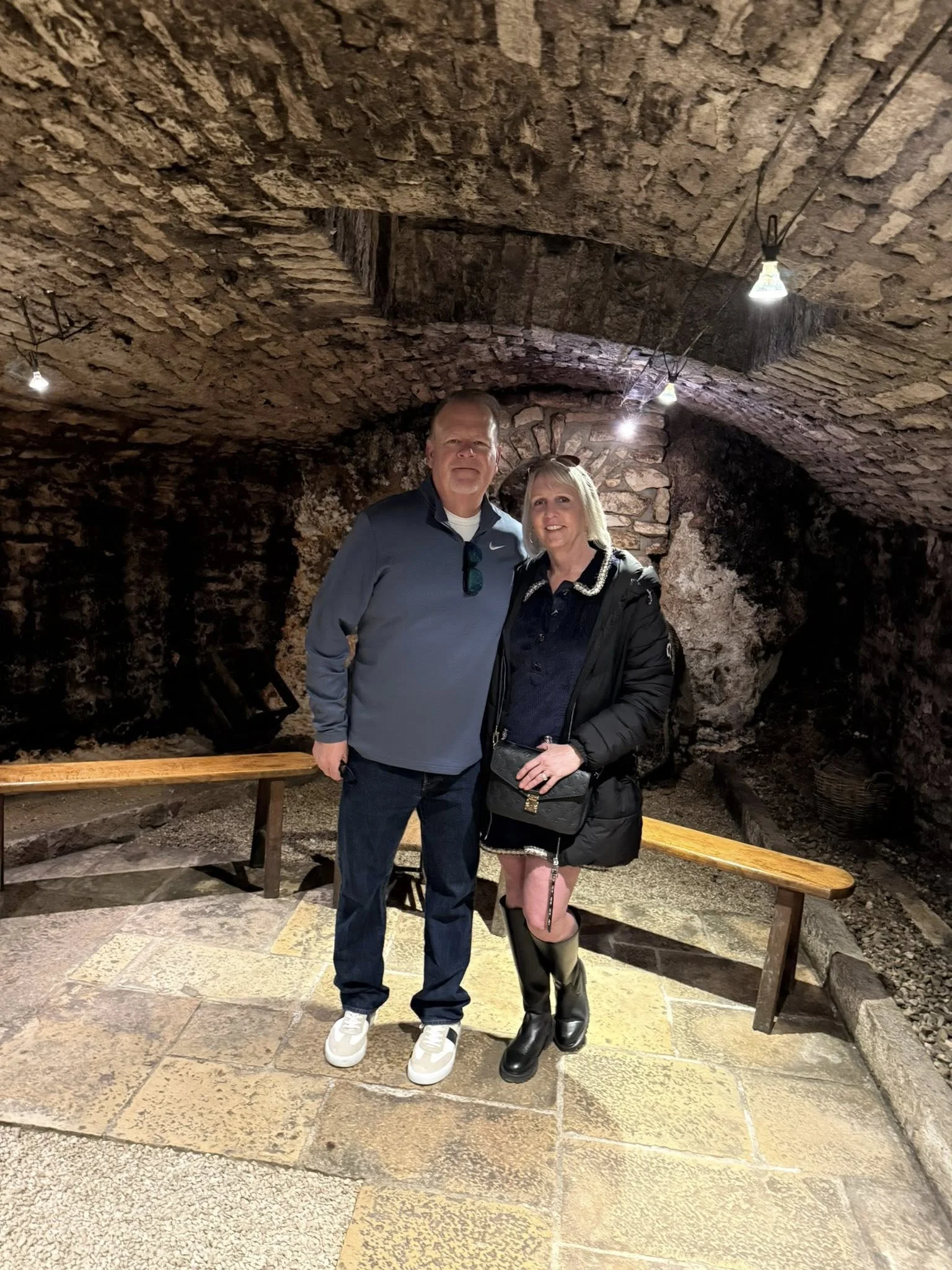
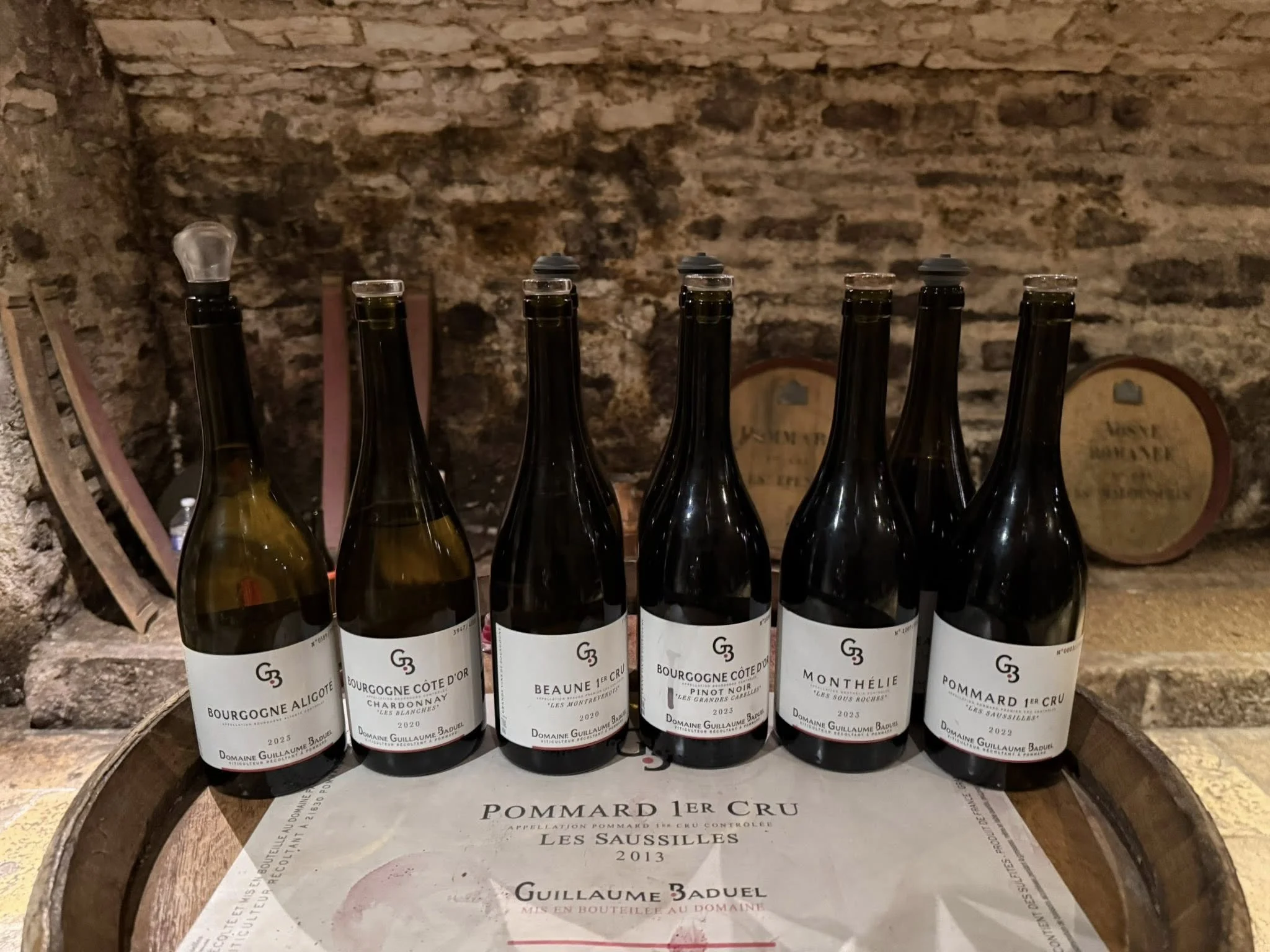
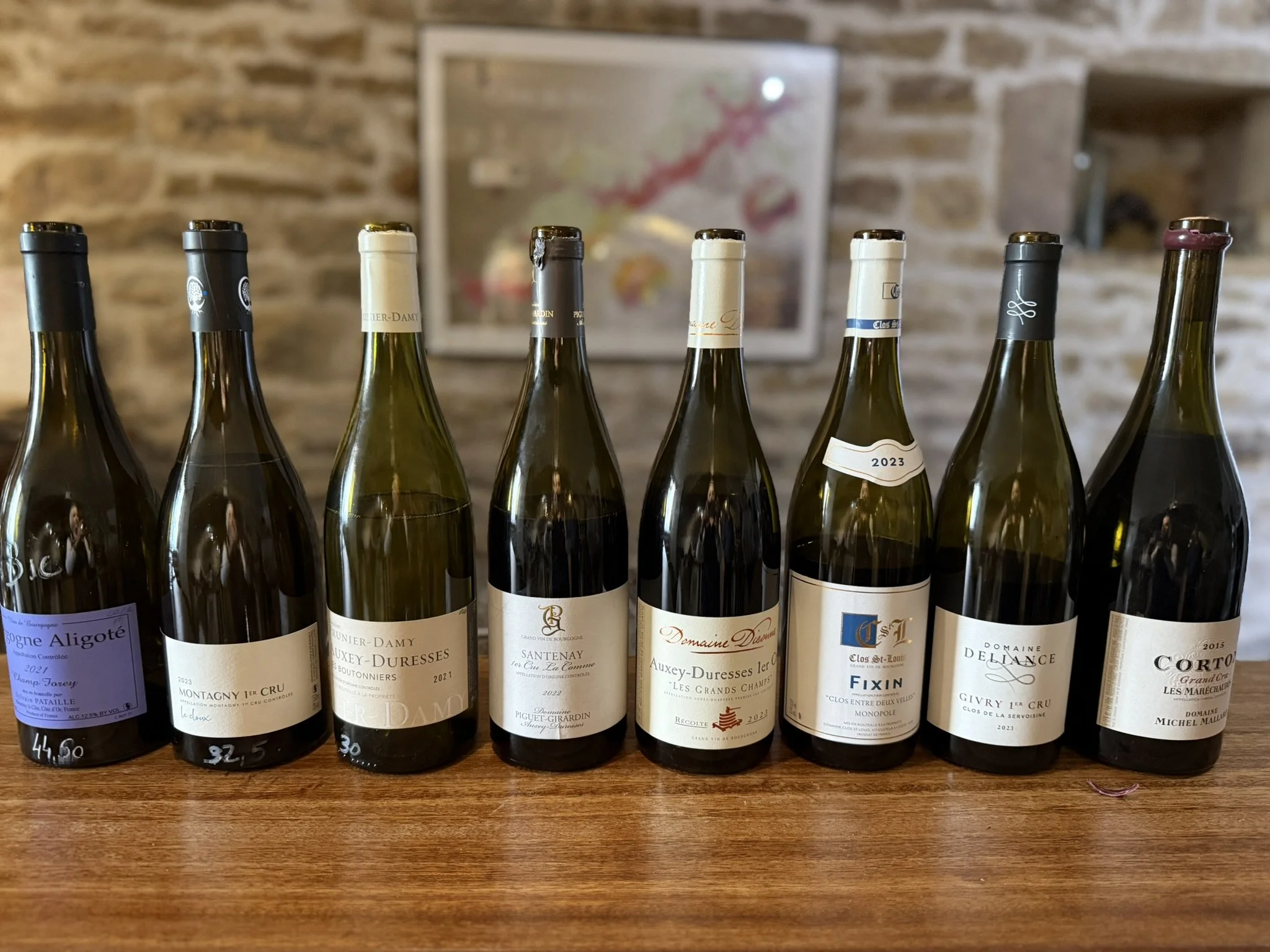
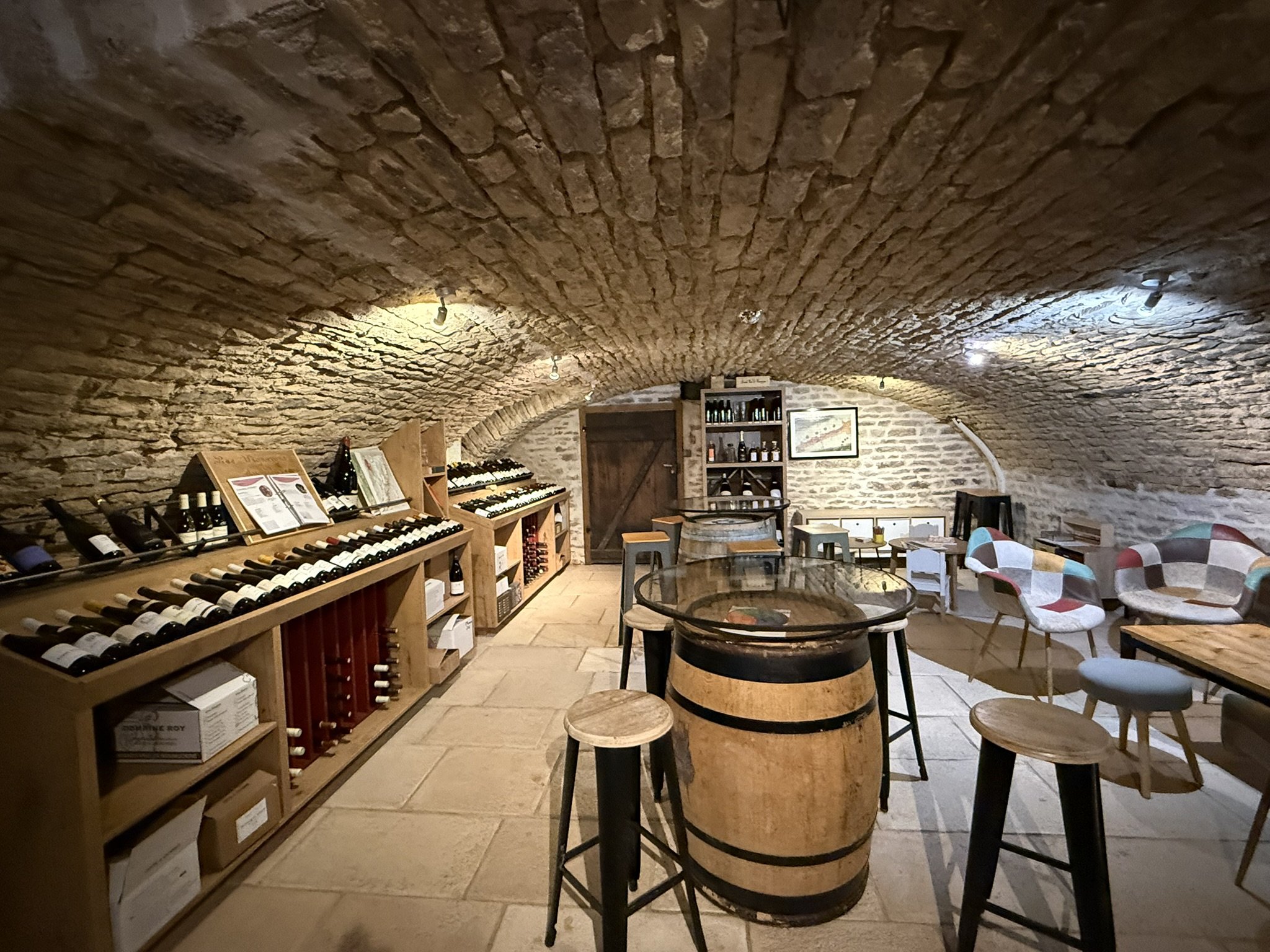
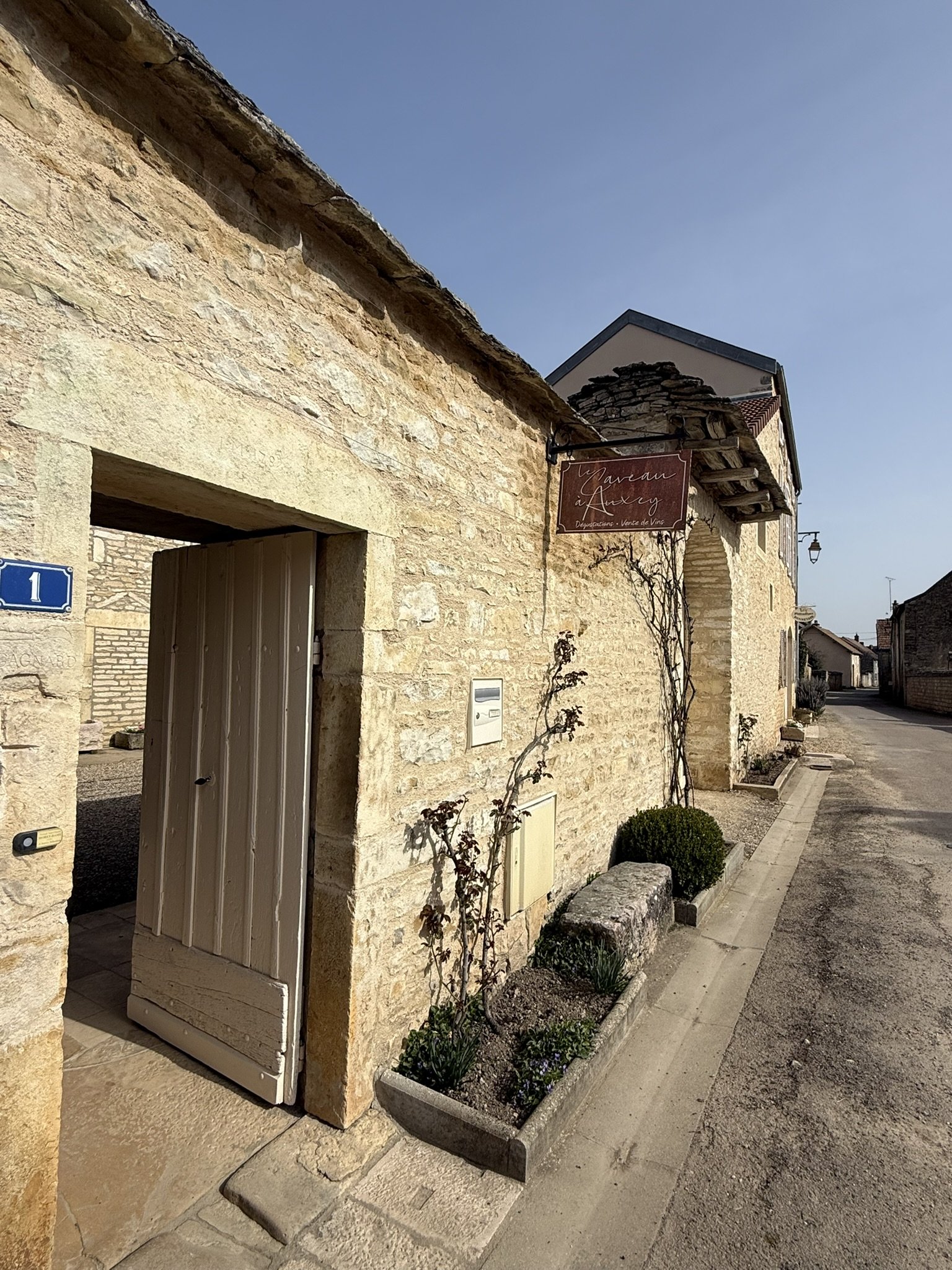
Le Caveau a Auxey – In the heart of a small wine-growing village (Auxey-Duresses), we experienced a wonderful tasting by the caveau owner in the house where his grandparents produced their wines. He’s created a lovely setting to discover wines made by a variety of producers in their area. He asked for our input on the type of wines we wanted to taste in order to create our flight. We loved this personalization.
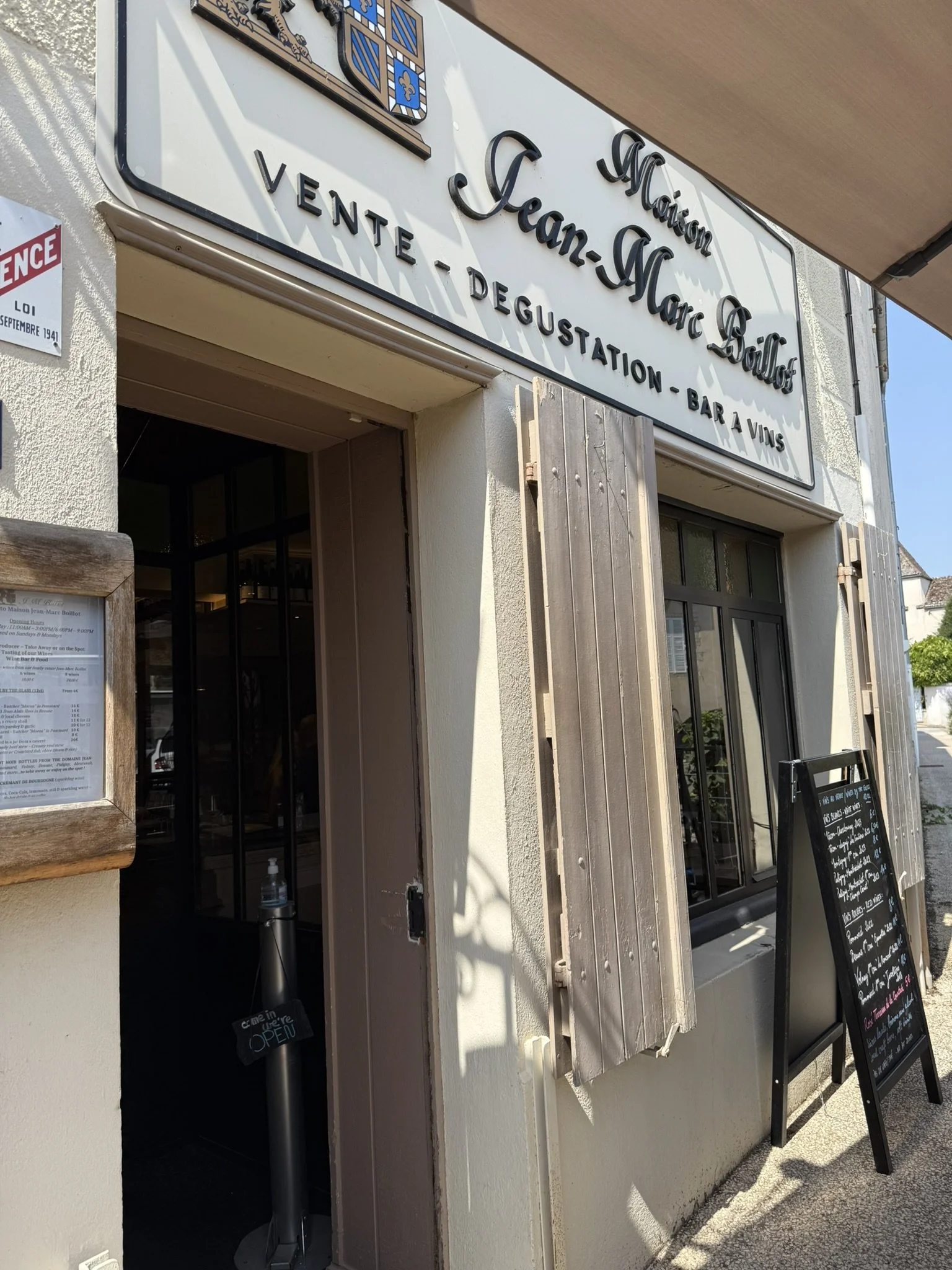
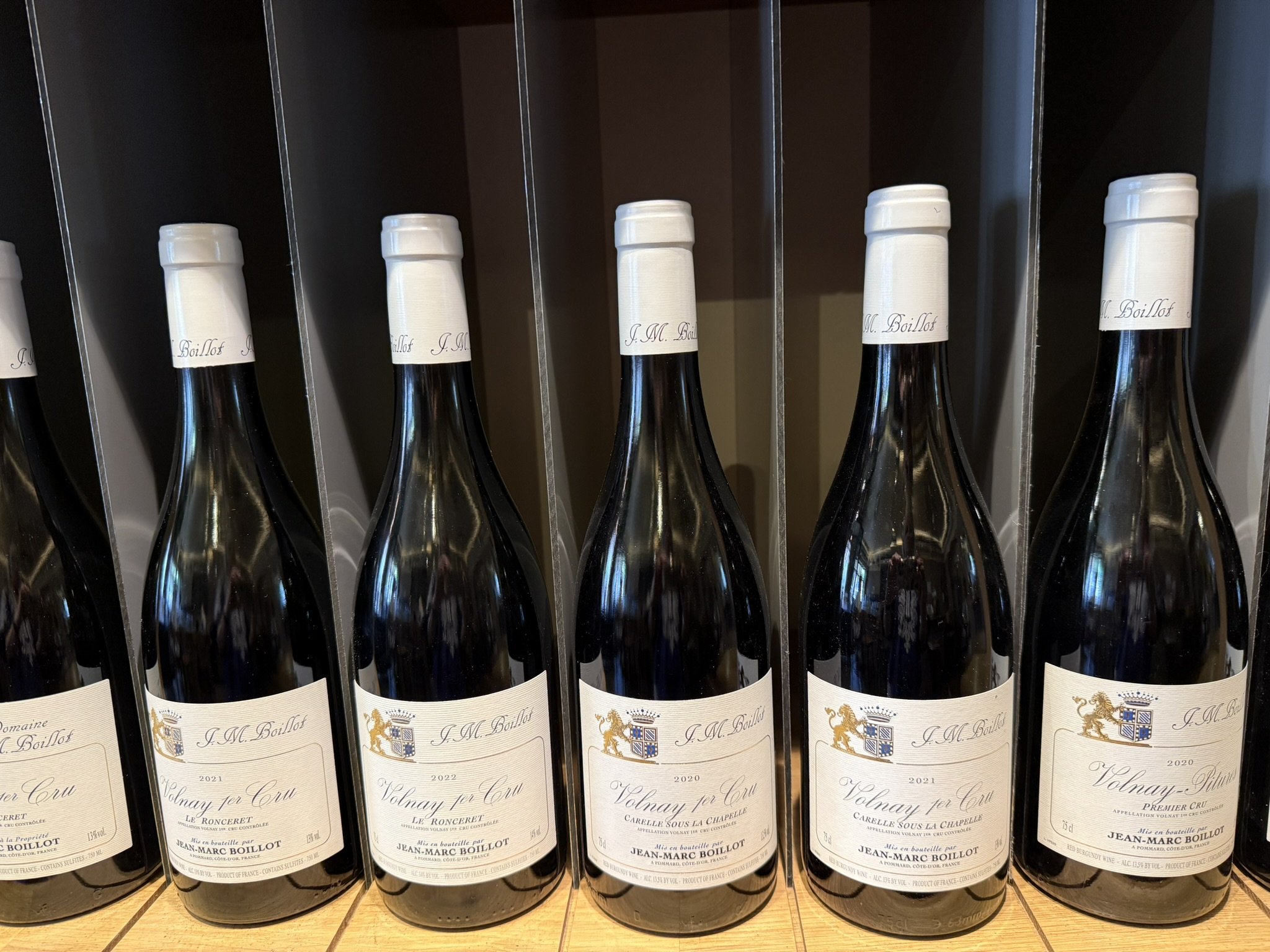
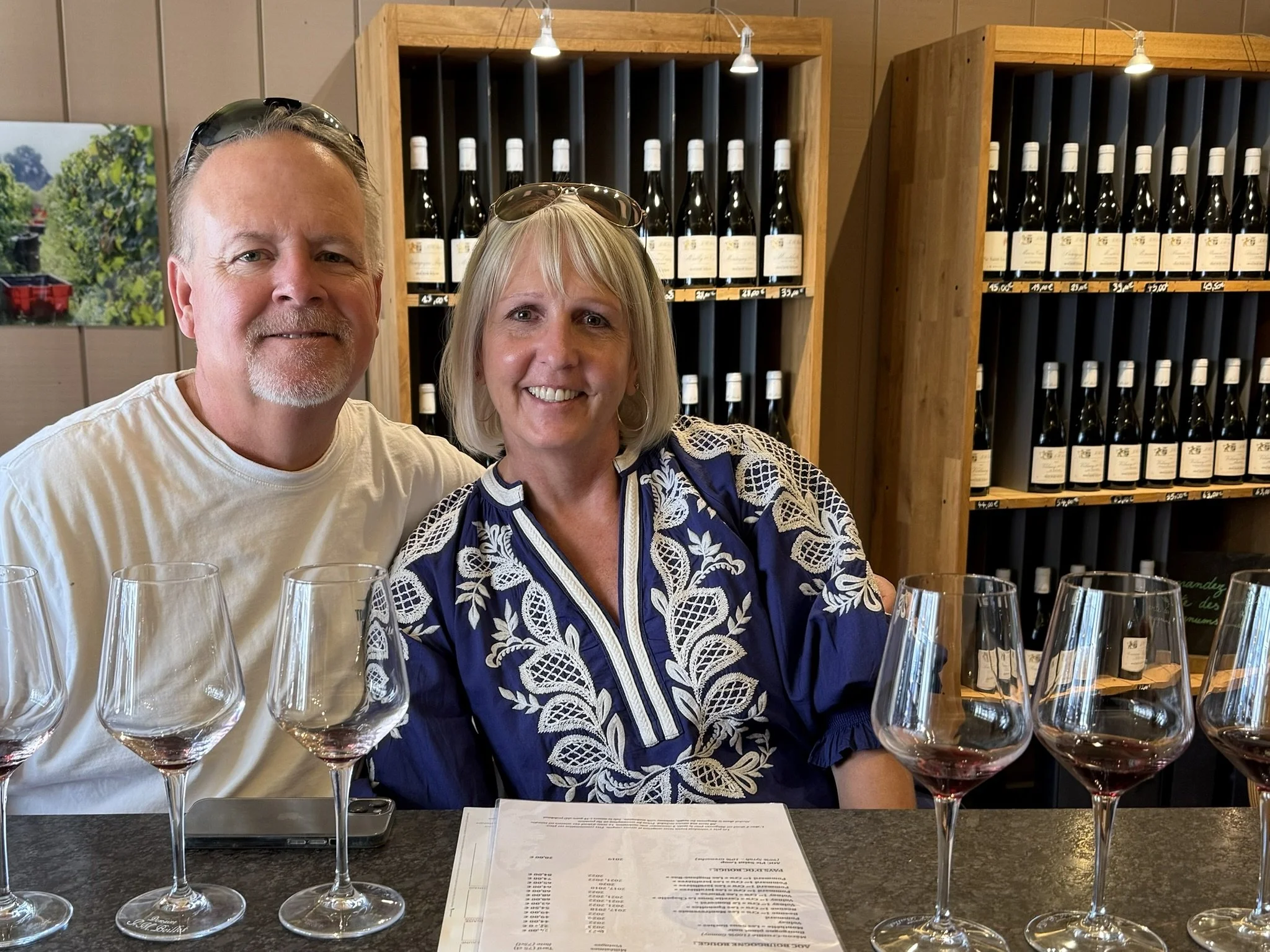
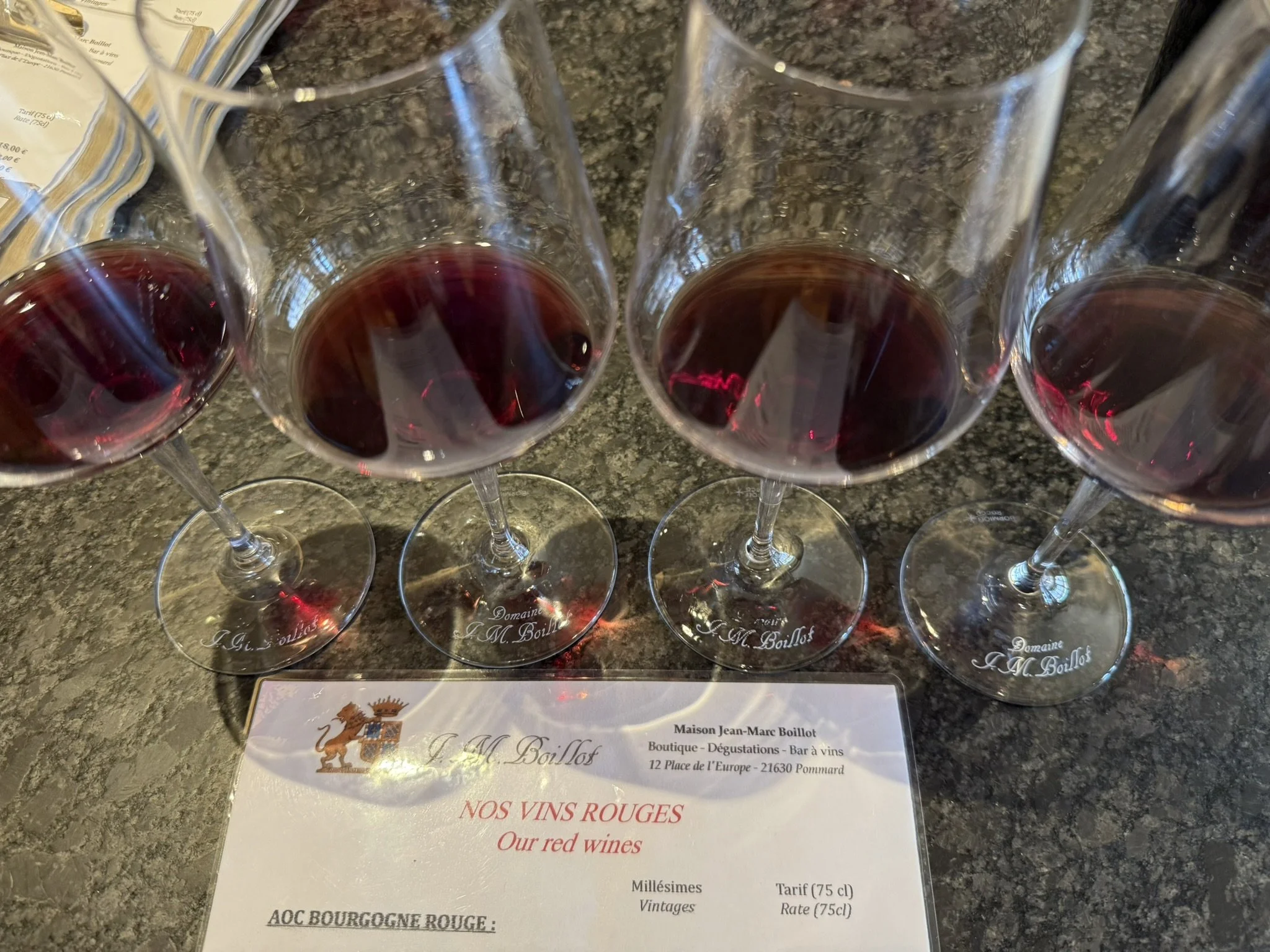
Maison Jean-Marc Boillot - We visited this producer in their wine bar in the heart of Pommard. Although Jean-Marc has now retired, his Pommard-based domaine, continues to grow under his daughter, Lydie, and her husband, François. As the grandson of one of the region’s greatest growers, Jean-Marc started the domaine after inheriting a prime selection of vineyards, including five Premier Cru sites. They make some great wine (and there is a wonderful pizza restaurant next door that we’d recommend trying if you go there).
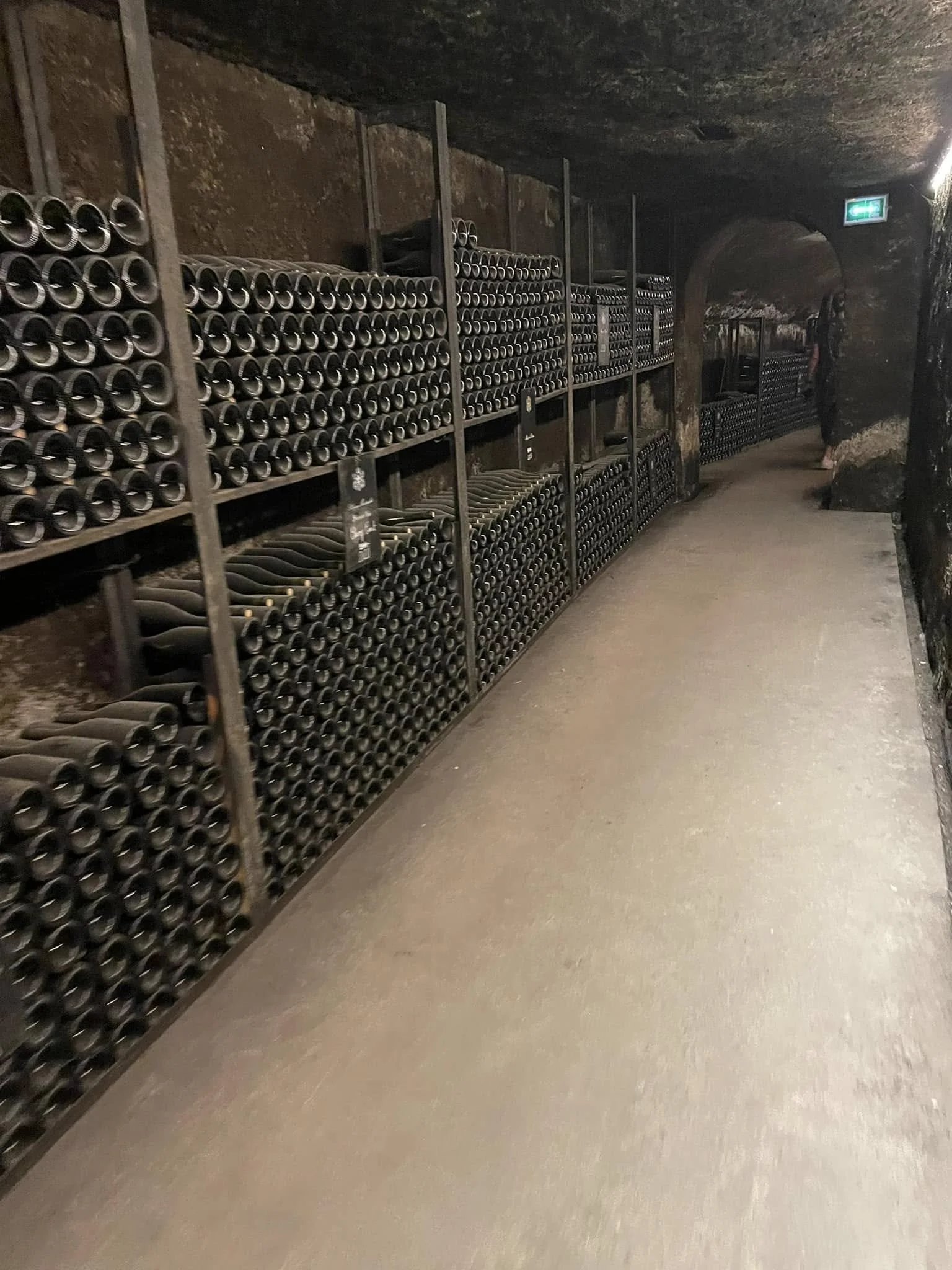
Patriarche Pere et Fils – A large producer located in the former 17th-century convent of the Visitandines in the heart of Beaune, the Patriarche cellars are the largest in Burgundy. They provide a great wine tasting experience and opportunity to traverse their caves that house several million bottles of wine. Note: For those familiar with Beaux Freres in Oregon… they are both owned by the same company.
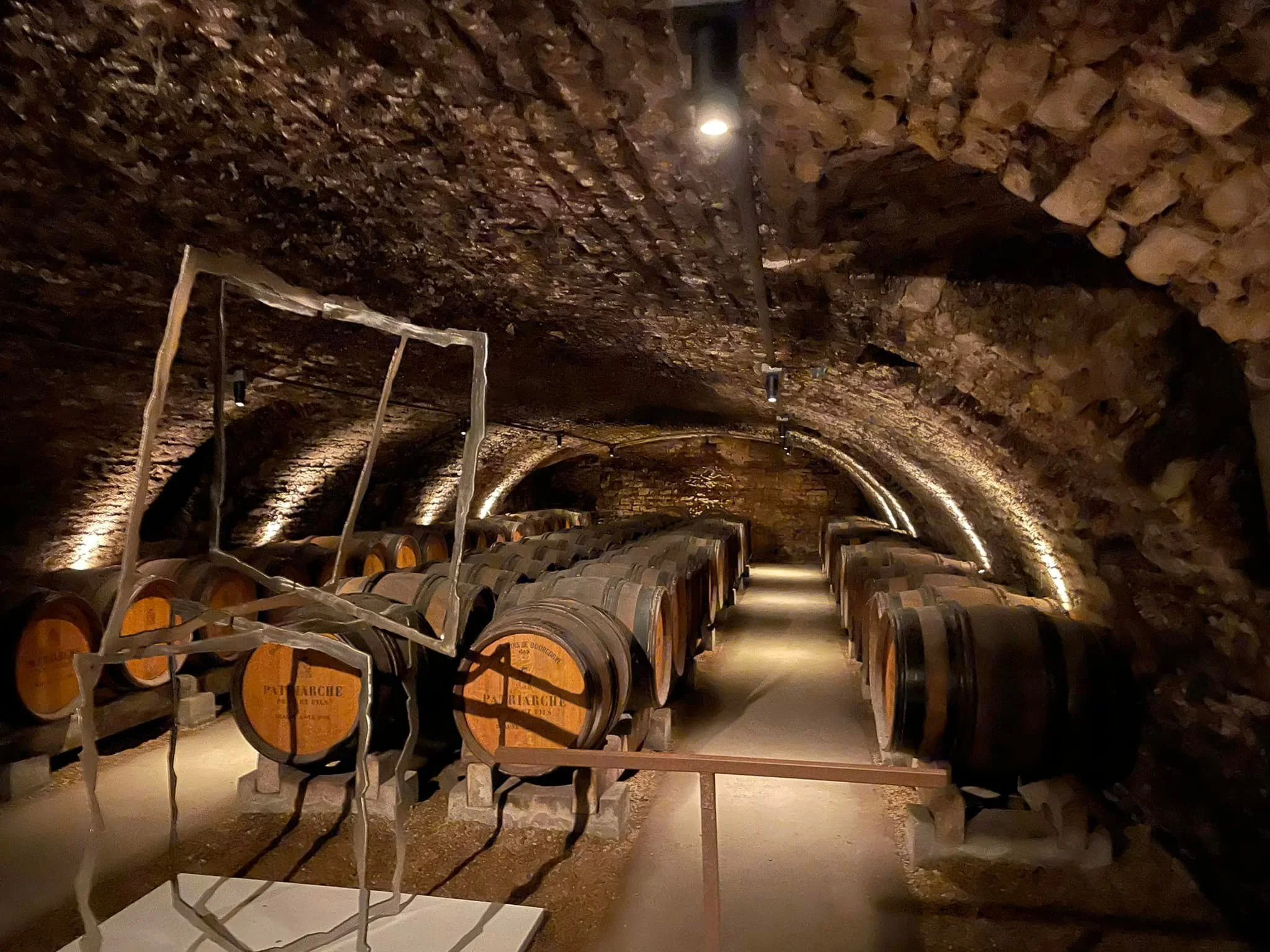
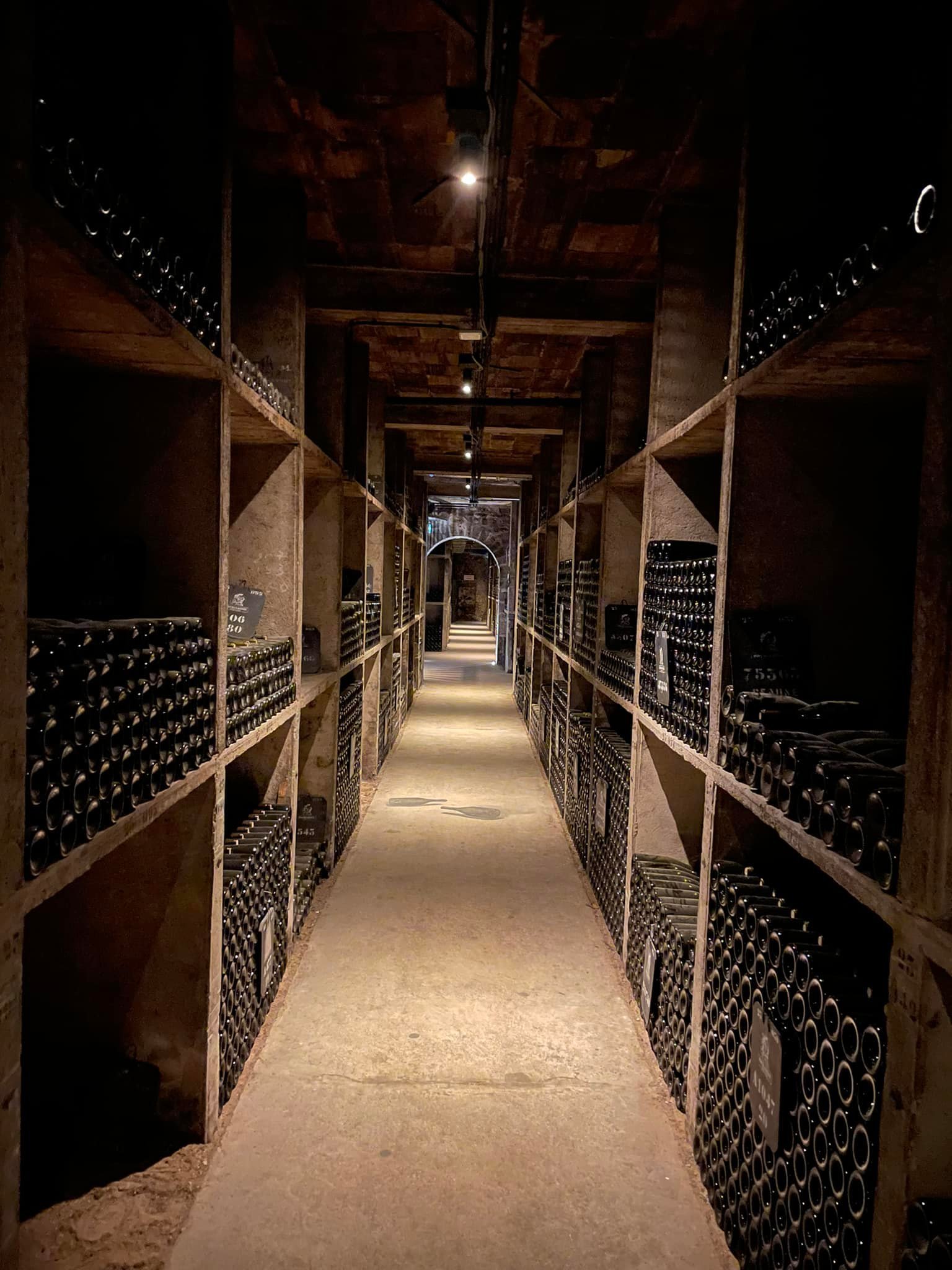
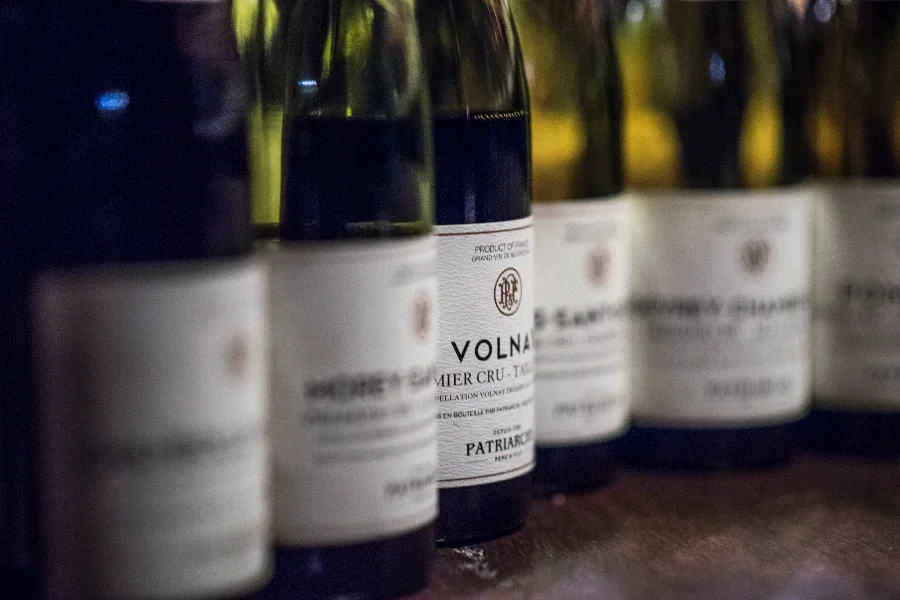
There are many, many, many other options in the area. These are just a few we’ve visited and enjoyed.
THE AMAZING FOOD! WHERE TO EAT
Burgundy is a high-quality gastronomic center and has so many great restaurants. Some of its famous regional delicacies include coq au vin, boeuf bourguignon, escargots (snails), and Epoisses (local cheese).
We have had many great meals at high-end and casual restaurants in the area. Some of our favorites include:
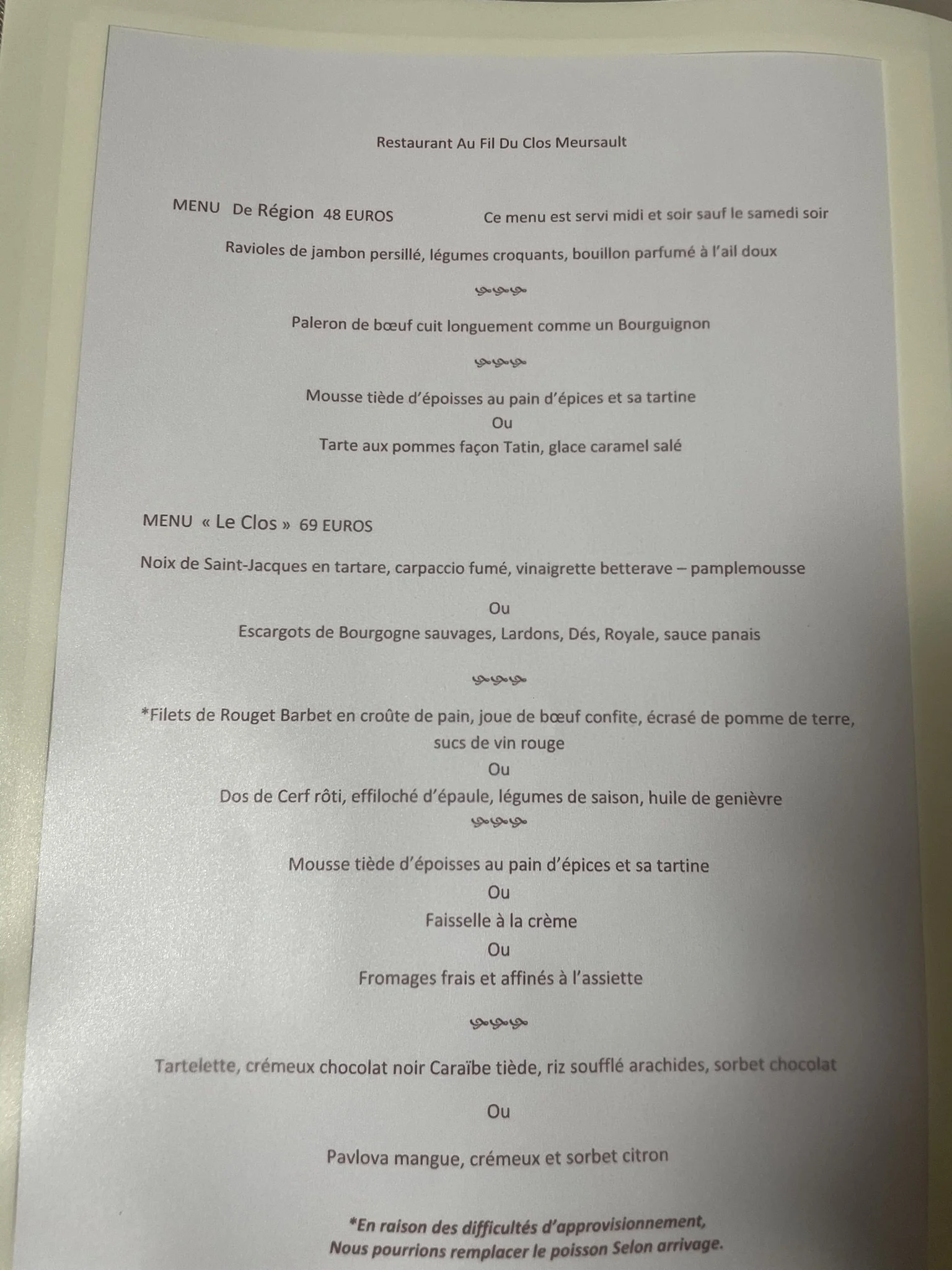
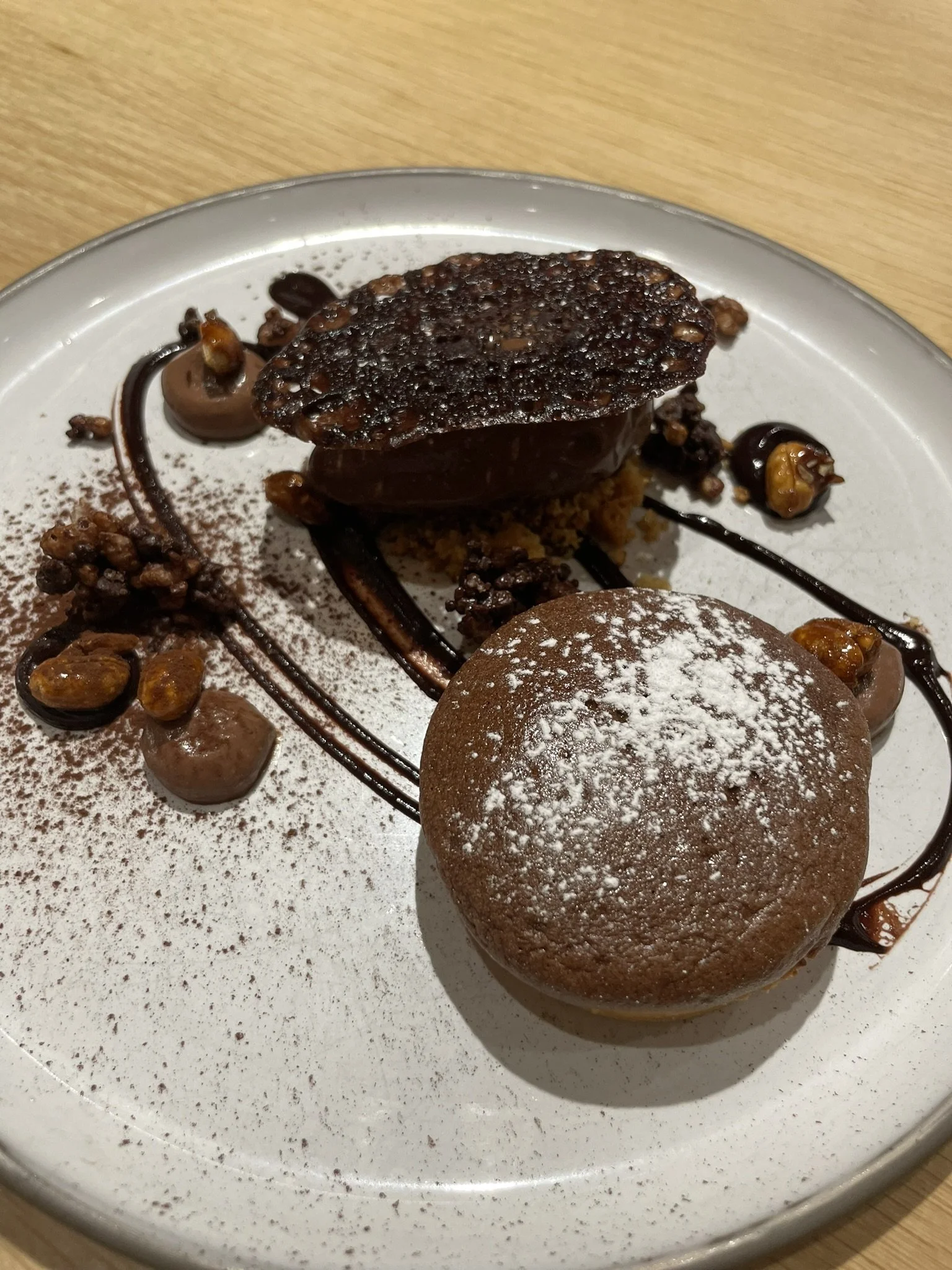
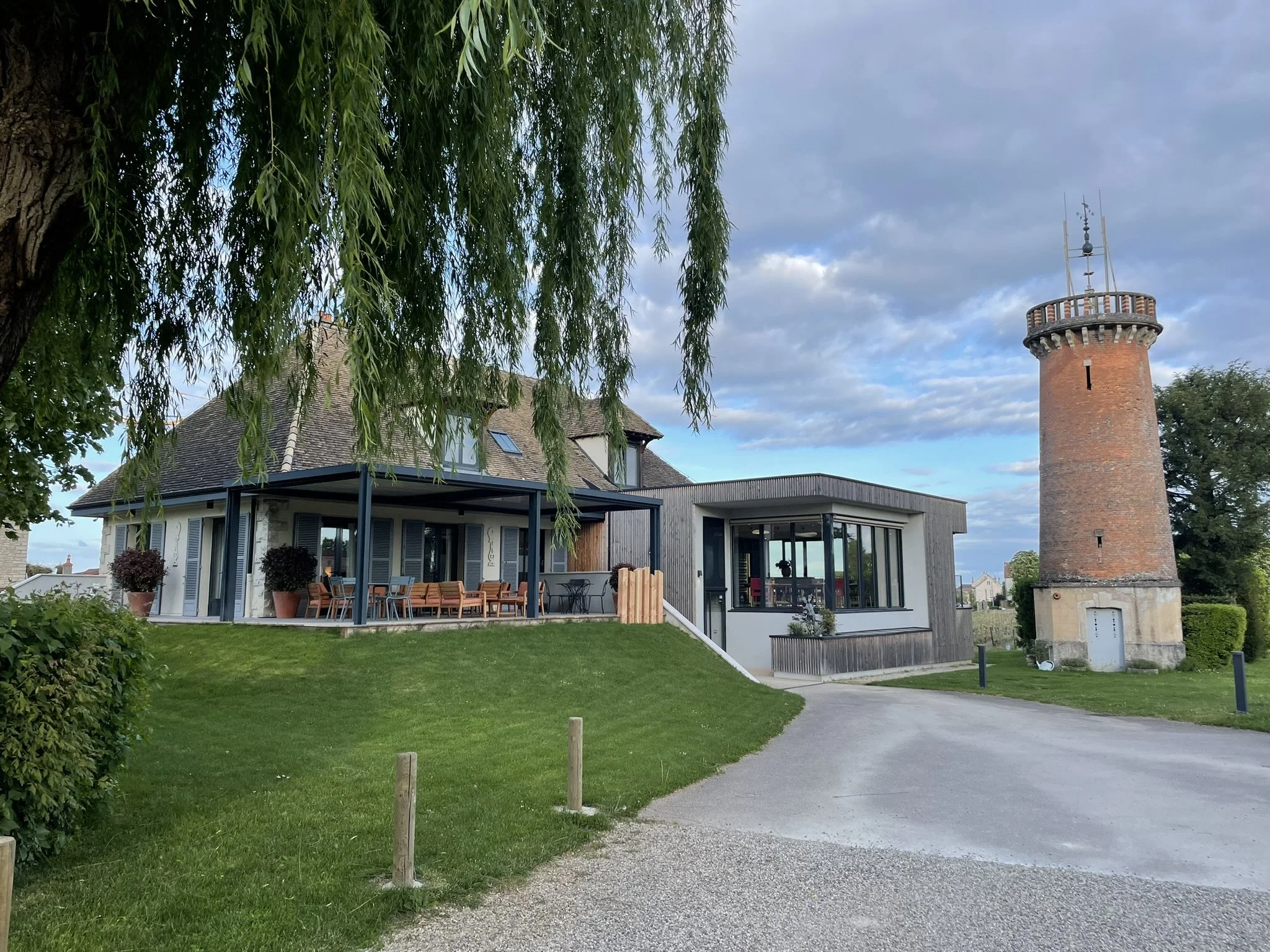
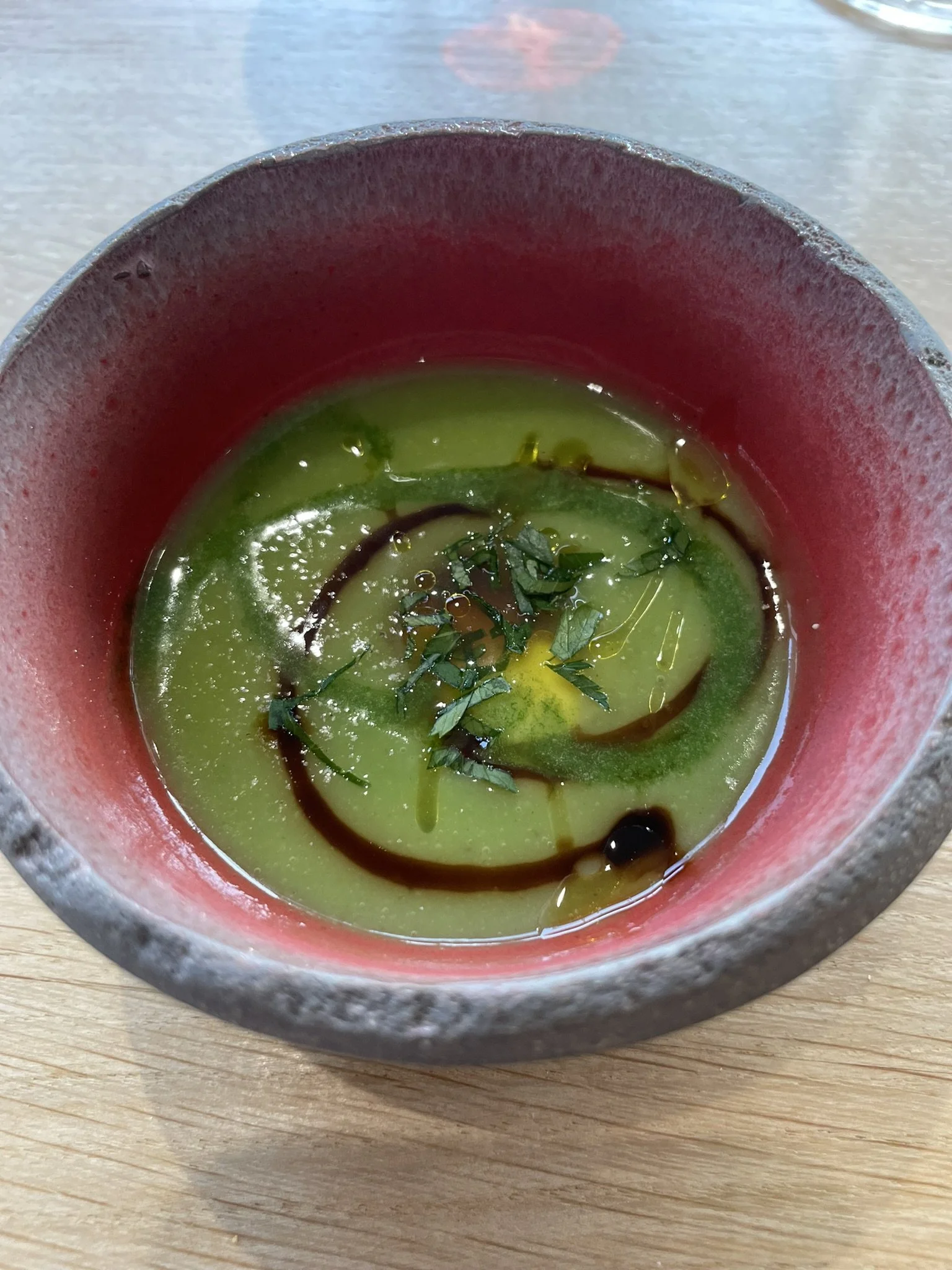
Au Fil du Clos – This is a wonderful restaurant in the heart of Meursault with views of the vineyards and fantastic (and beautiful) food.
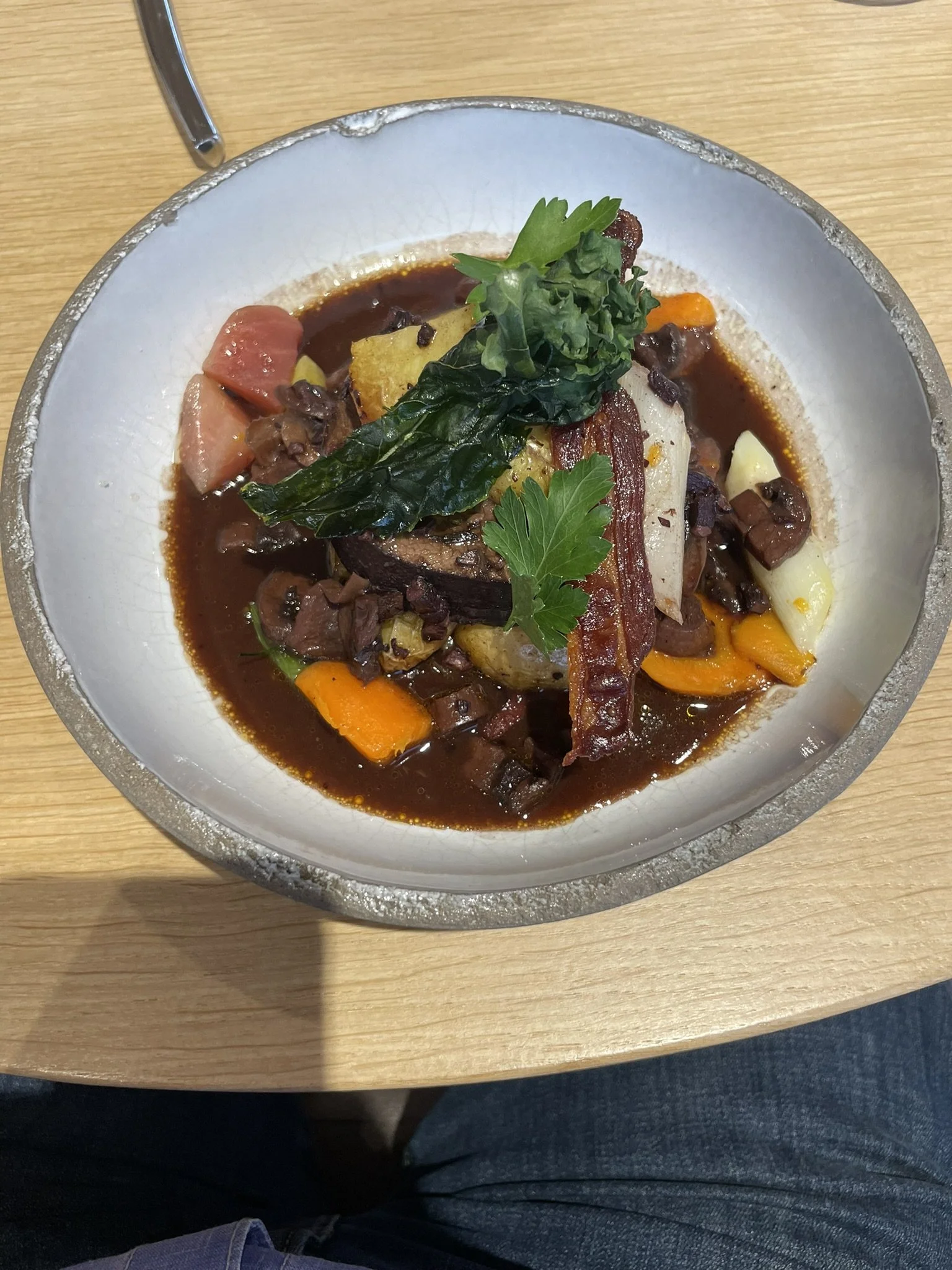
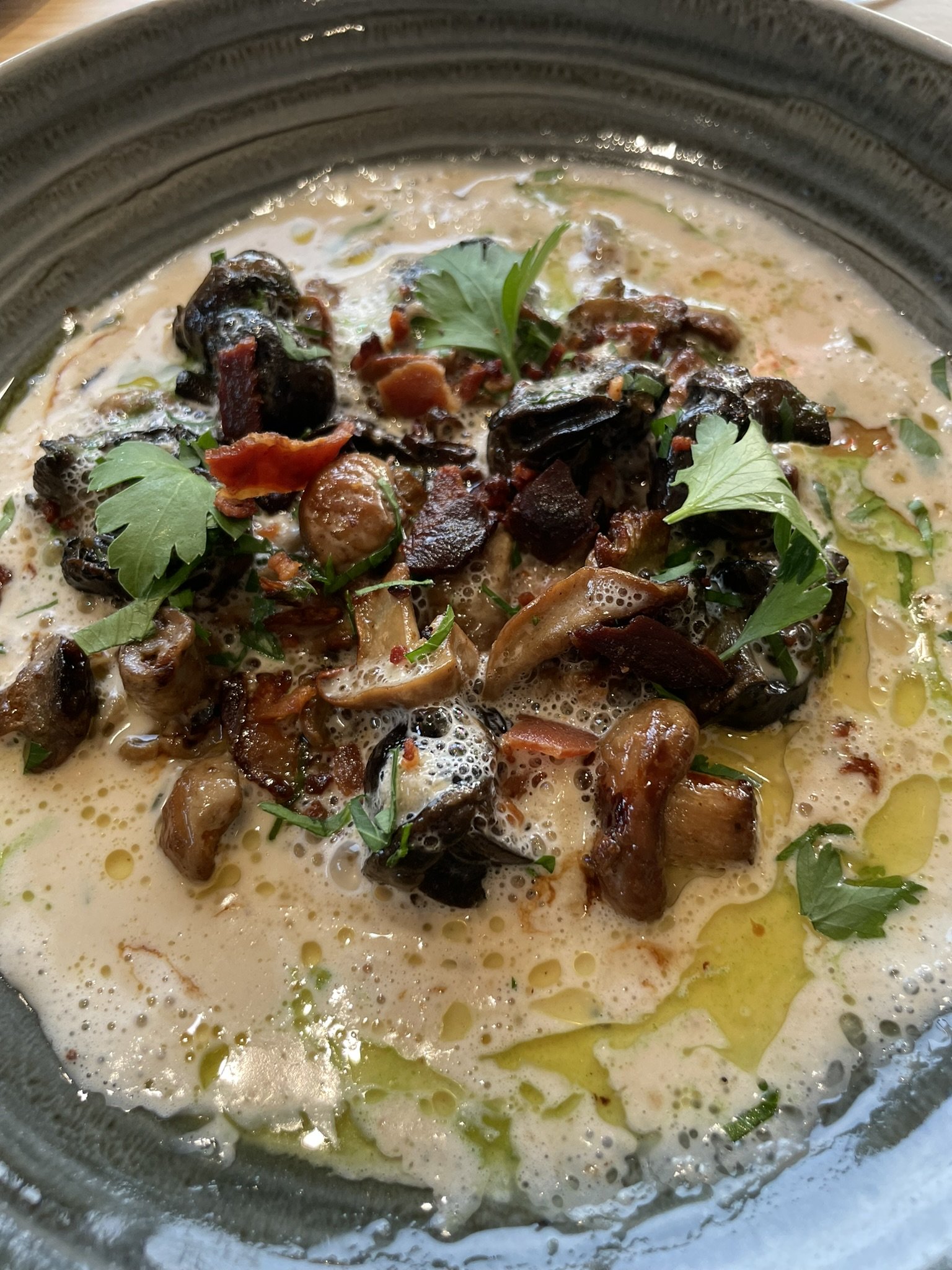
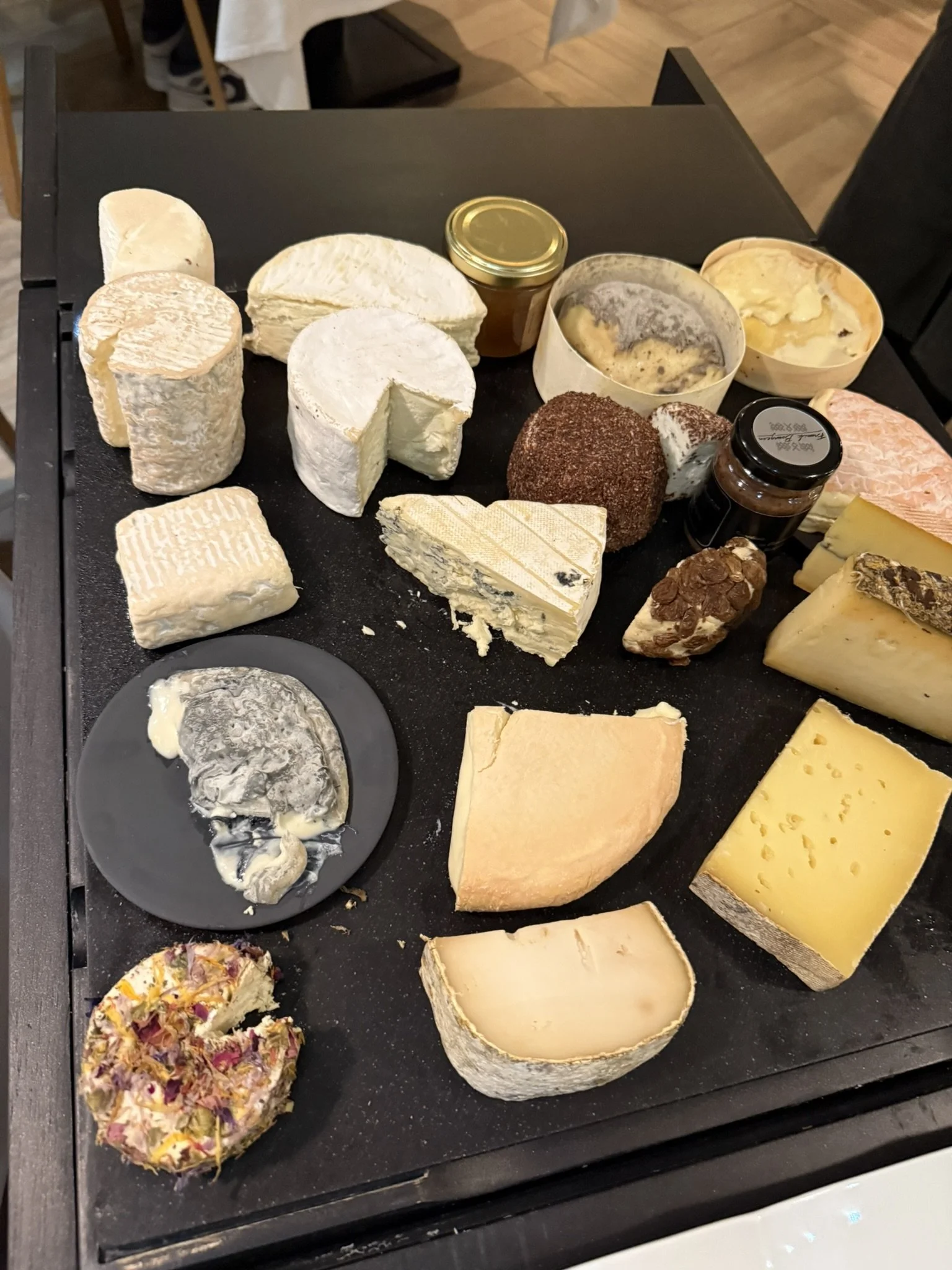
Klima – The food and experience are top notch. So much so, that we went back a second time! Klima is in the Hotel Olivier Leflaive in Puligny-Montrachet. The food is delightful and gorgeous (and the cheese cart over the top amazing!). The service is the best. The atmosphere is wonderful. And as a special treat… At almost 100 years old, Monsieur Leflaive still comes around nightly and greets the diners.
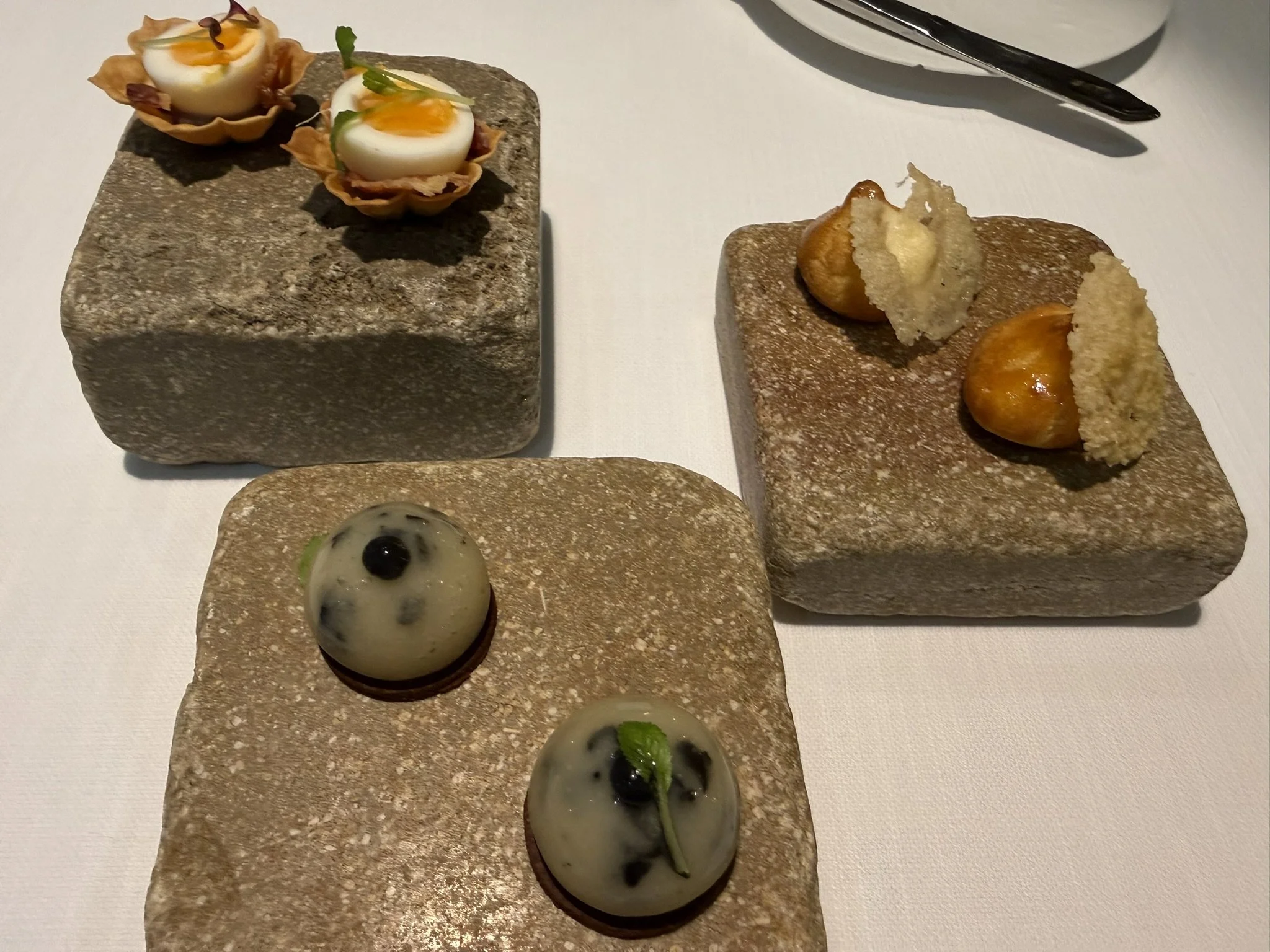
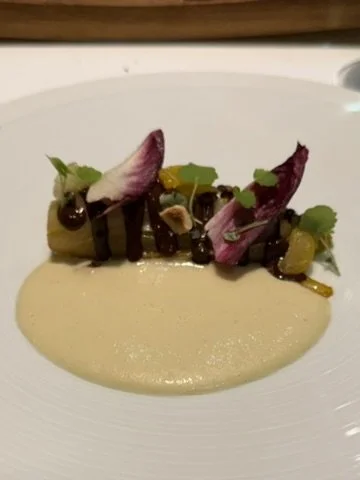
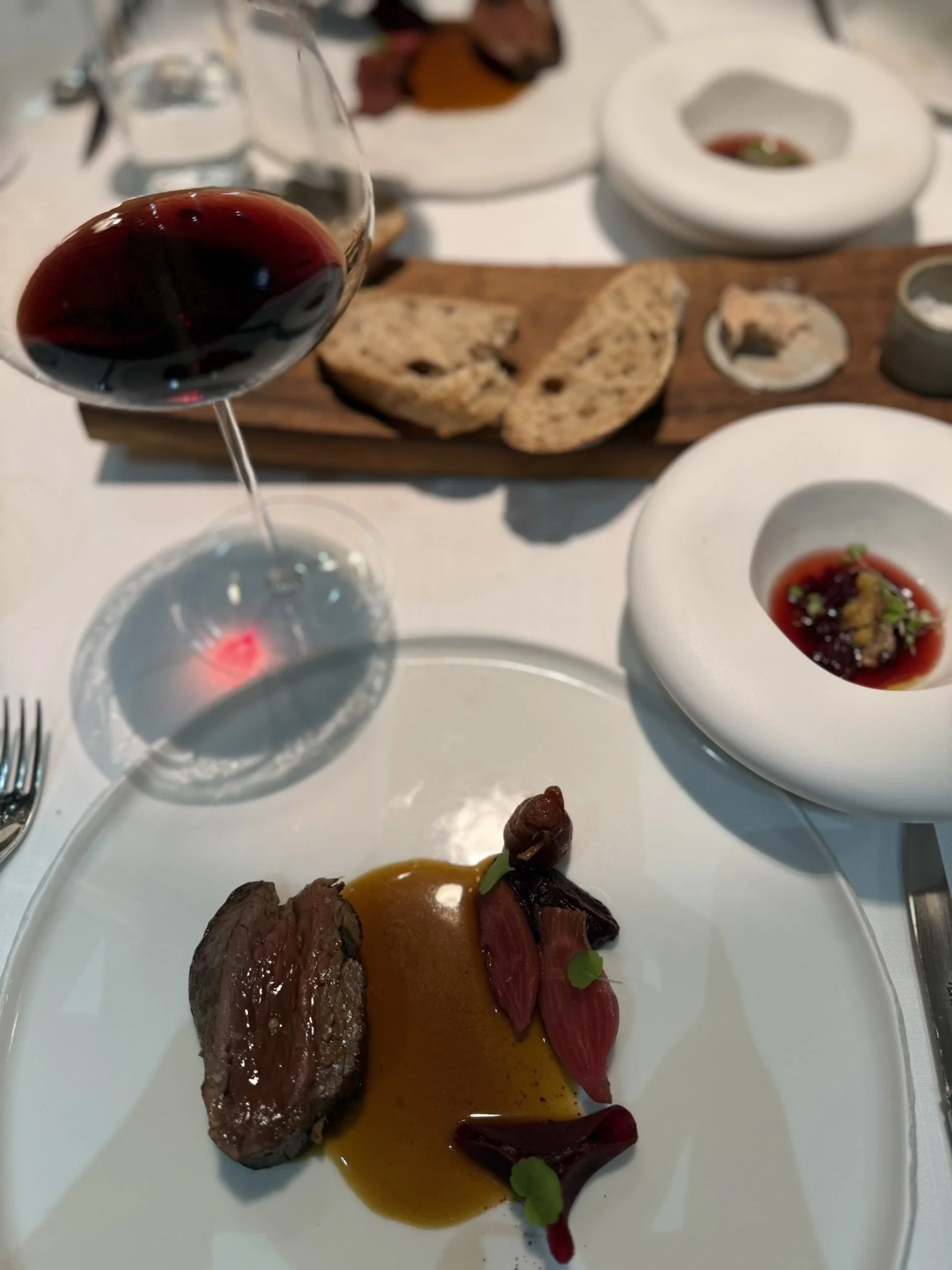
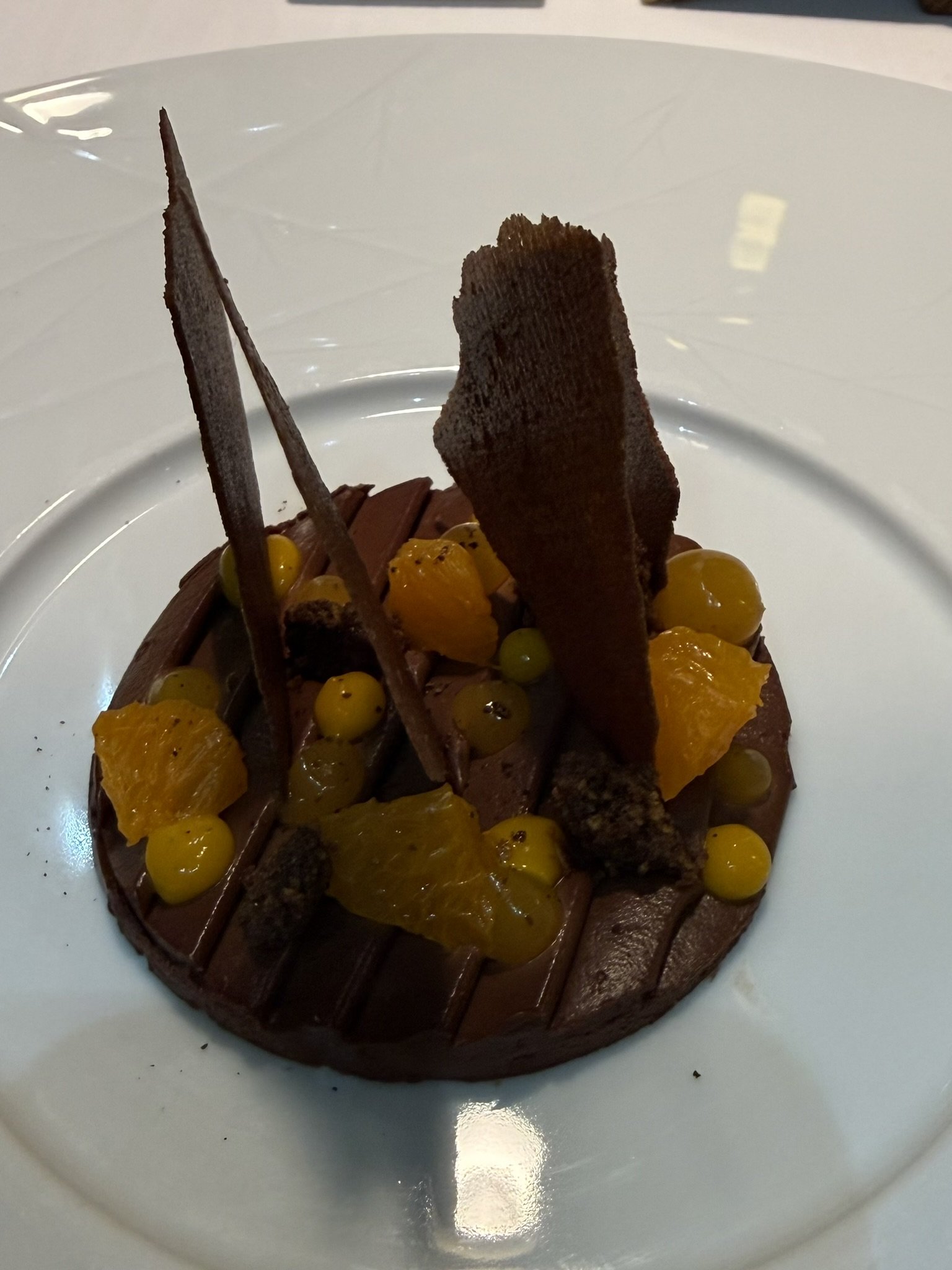
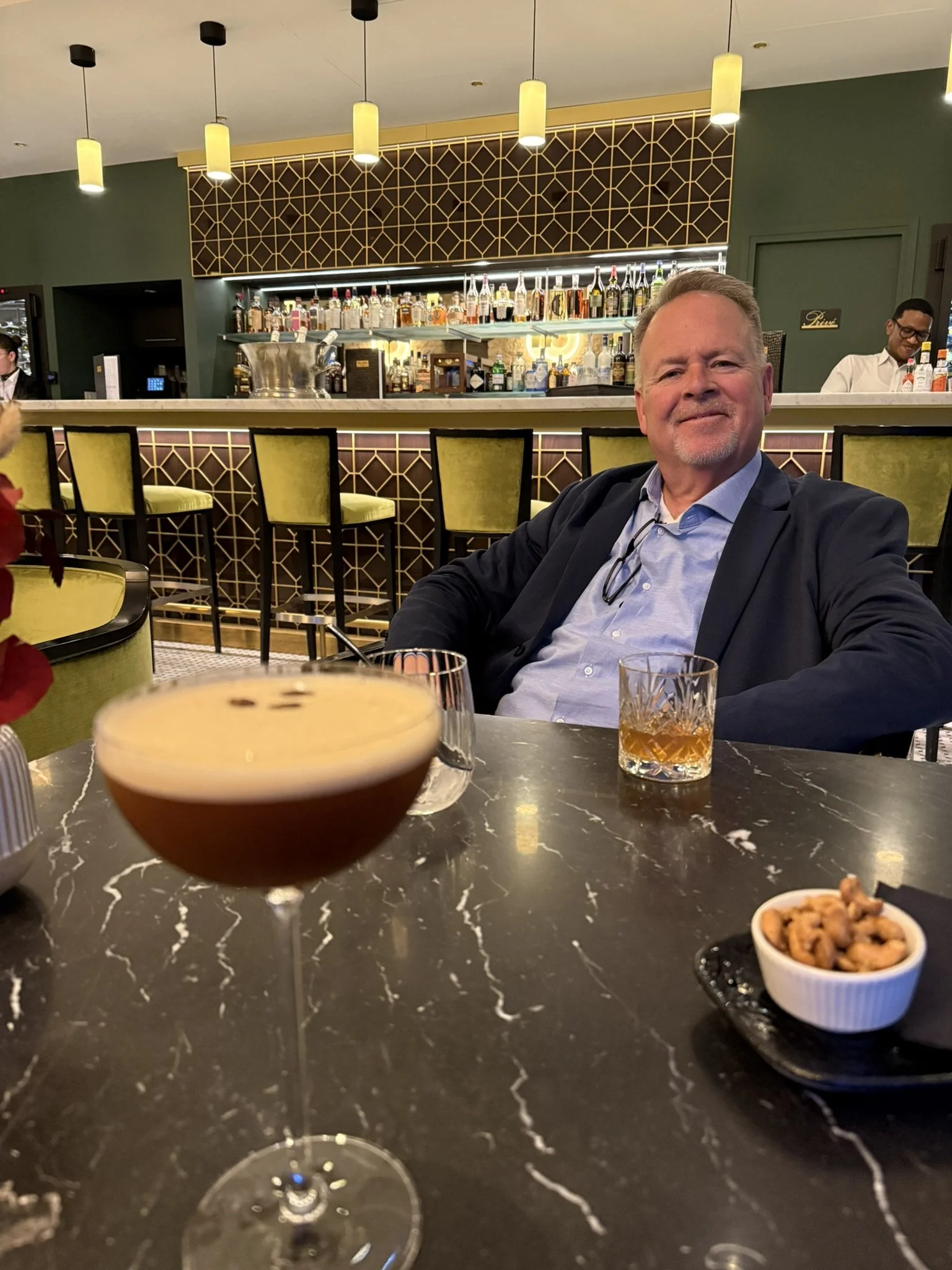
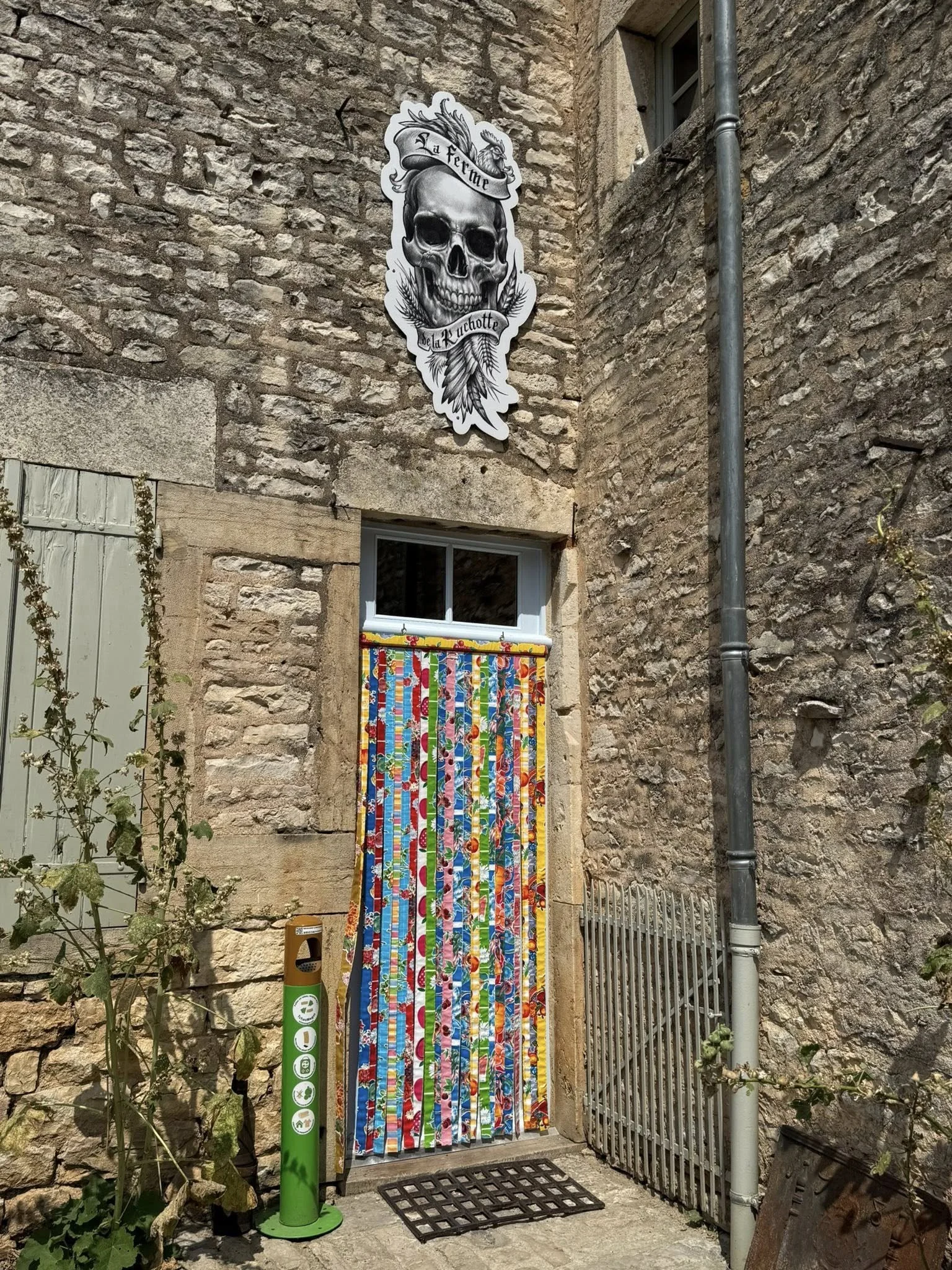
La Ferme de la Ruchotte – I highly recommend this experience! In the village of Bligny-sur-Ouche, this farm-to-table restaurant is absolutely incredible. We enjoyed a long, leisurely lunch with wine pairings. The chef, Frédéric Ménager, is Michelin trained and has created an amazing experience where the menu is ever changing to reflect what’s currently in season on his farm.
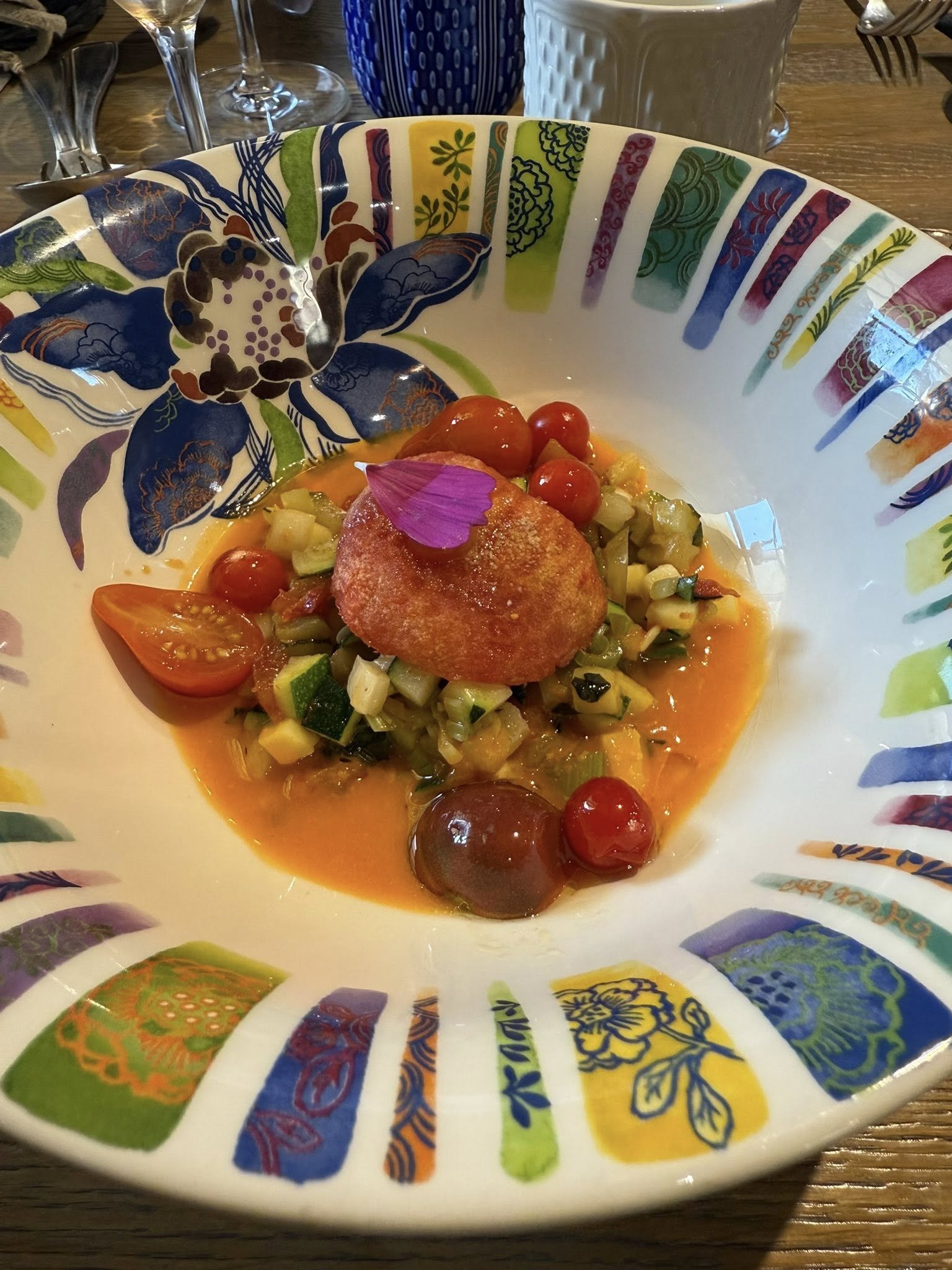
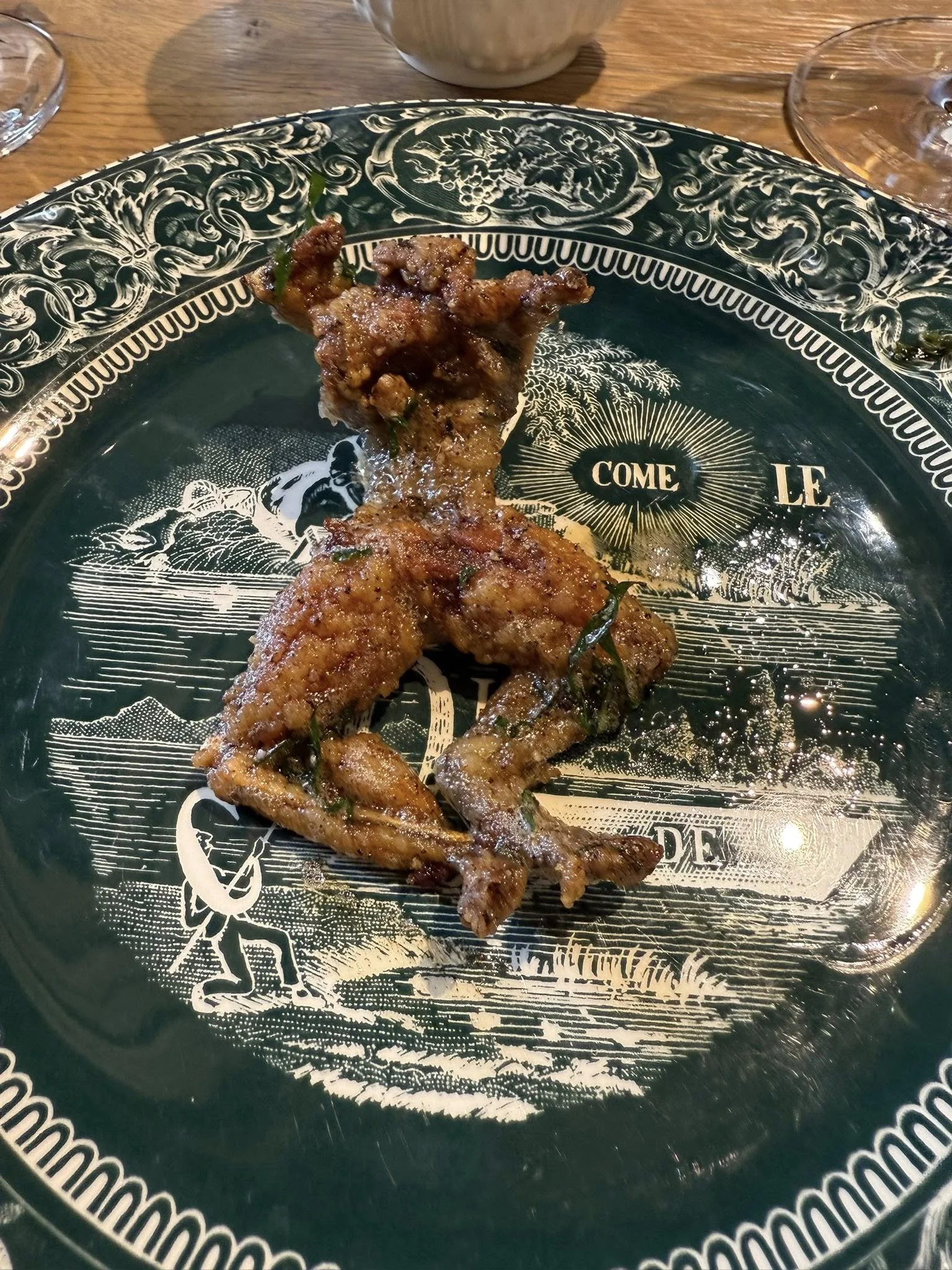
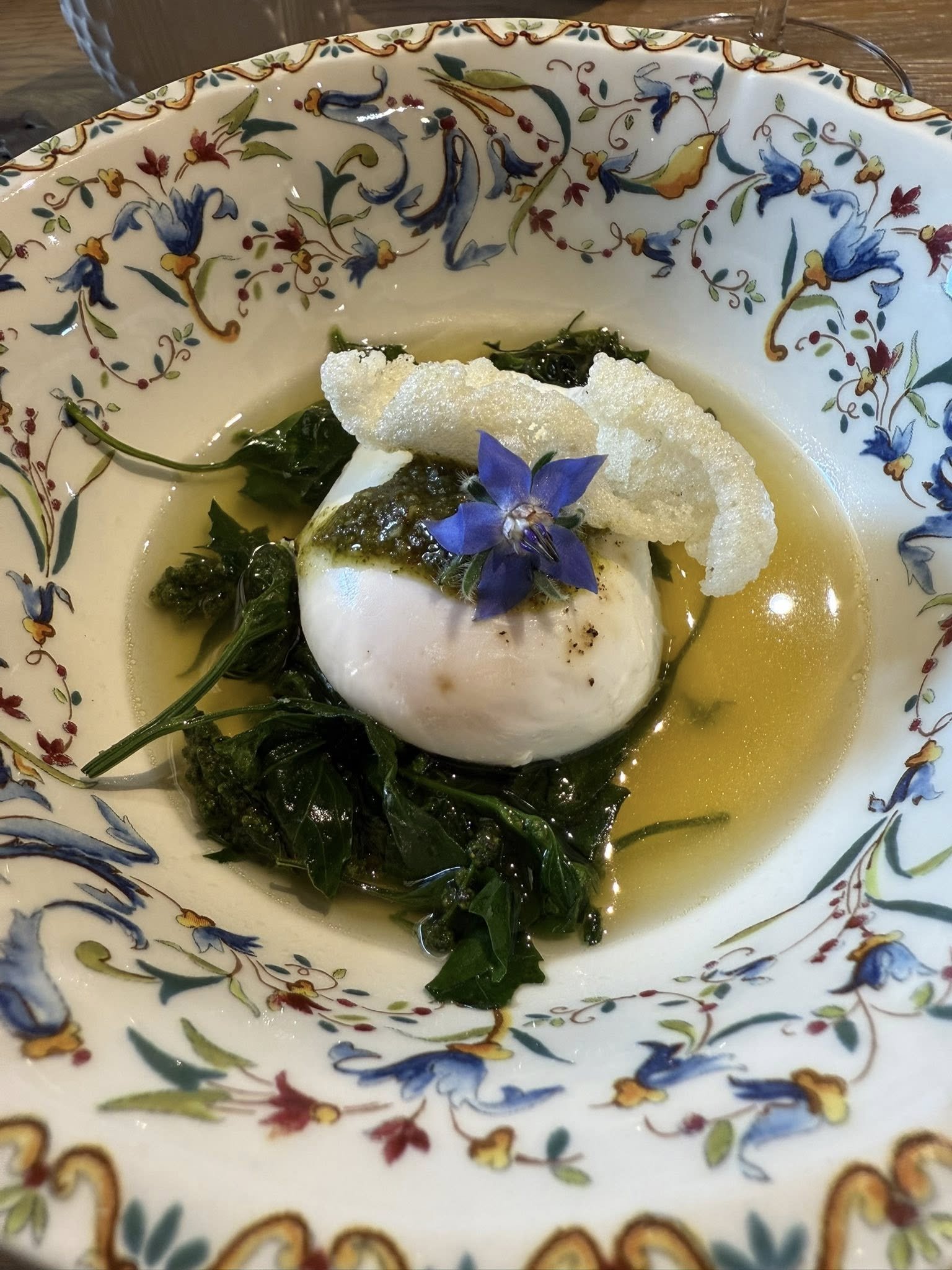
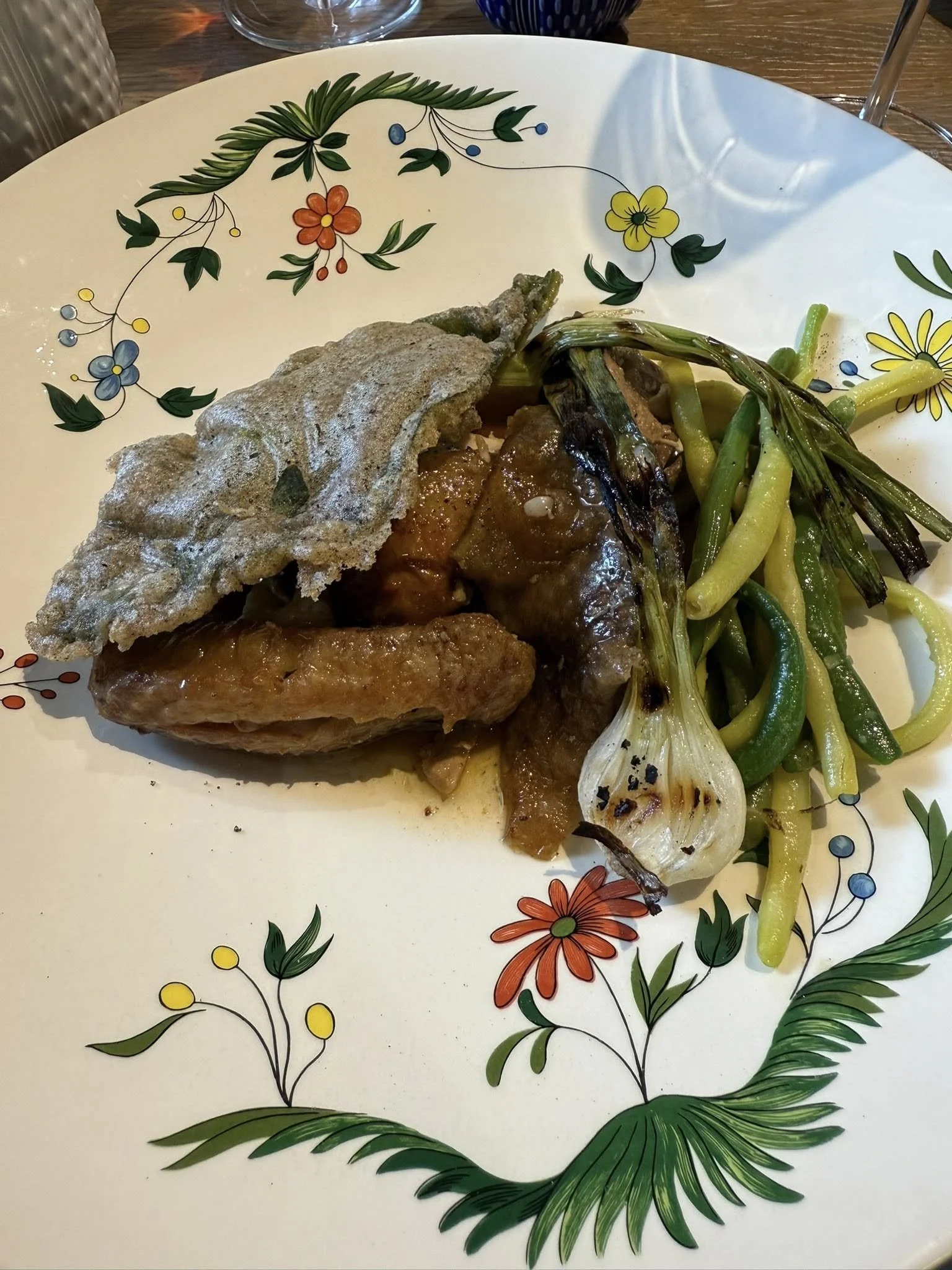
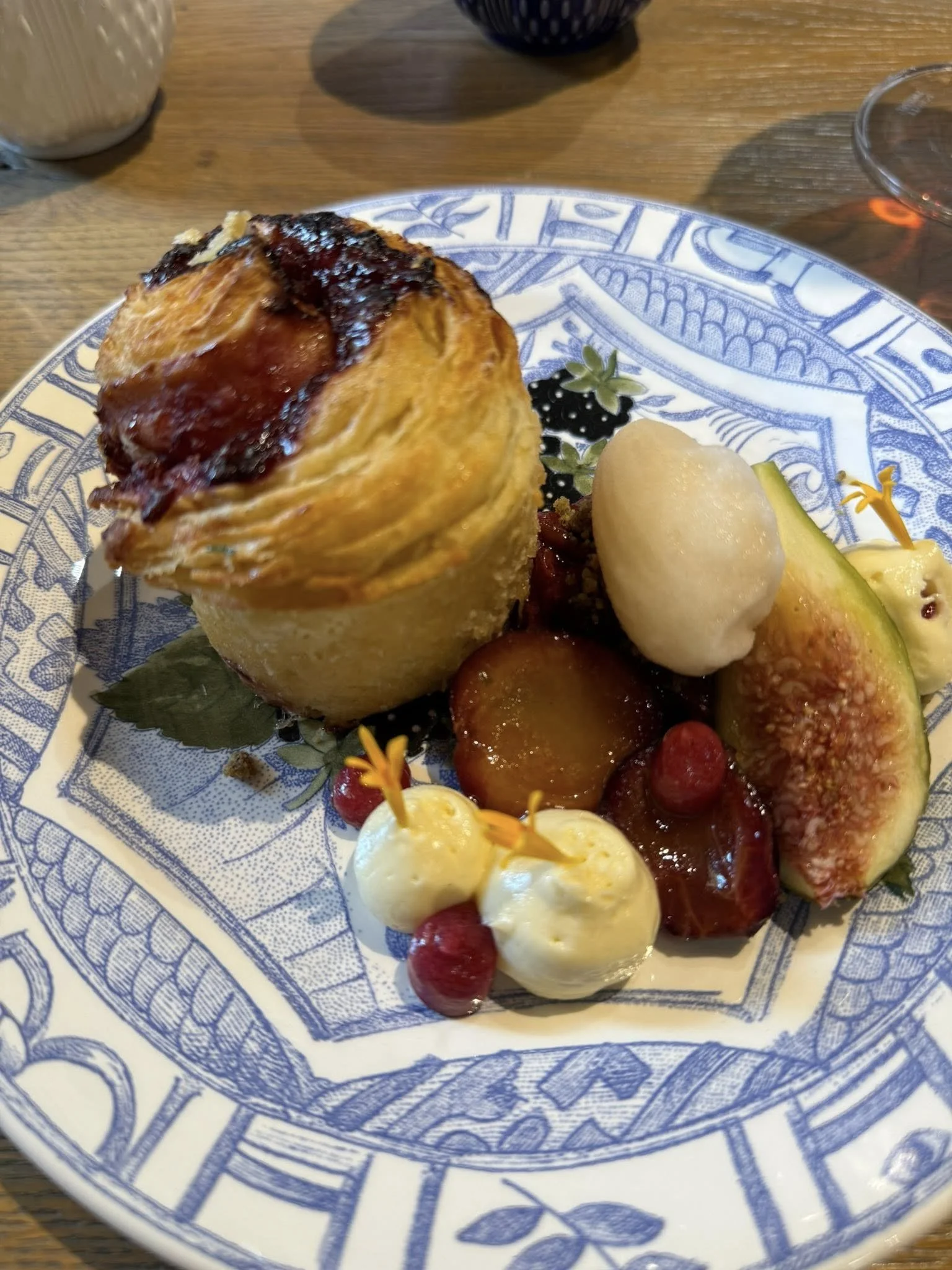
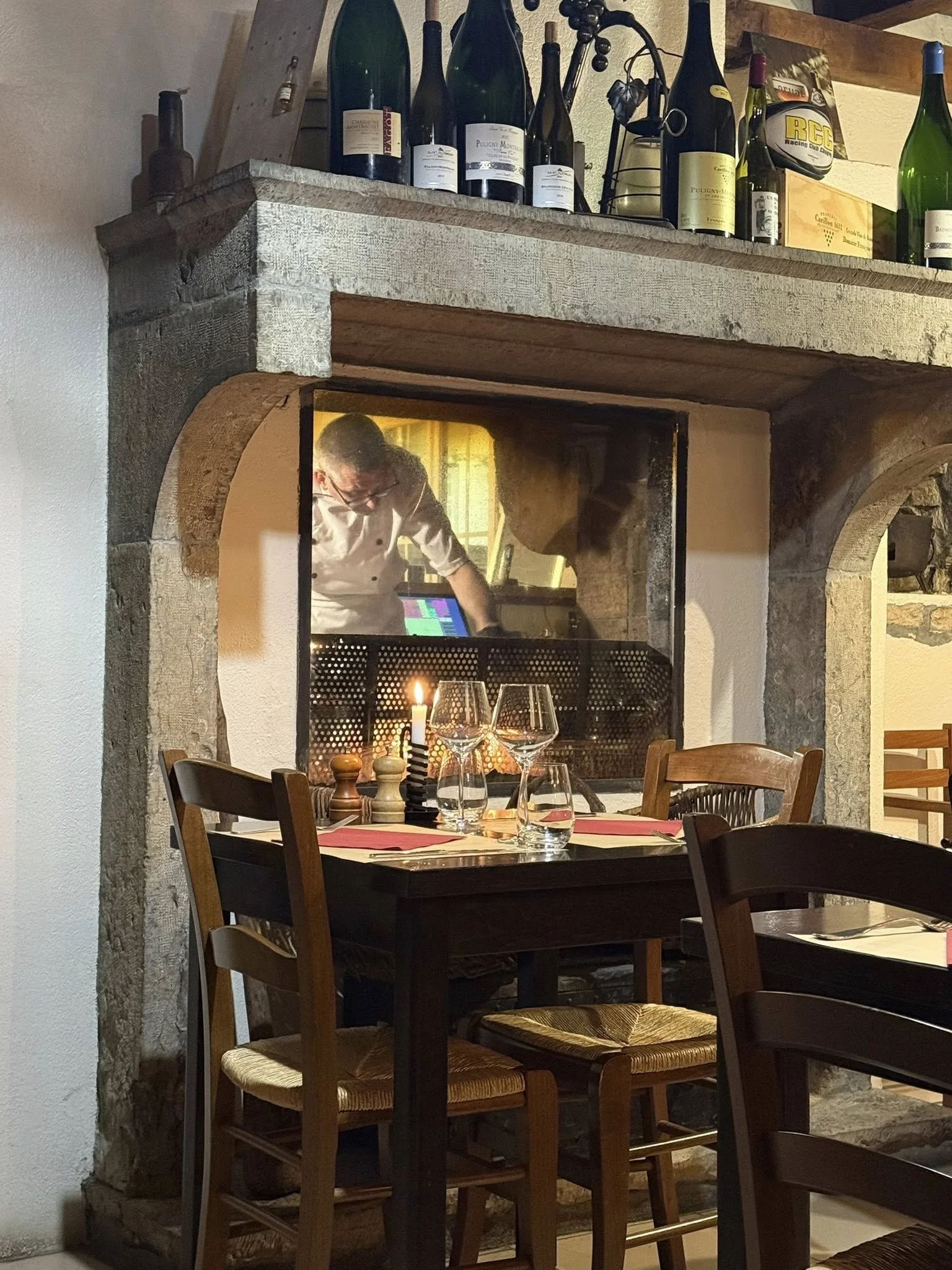
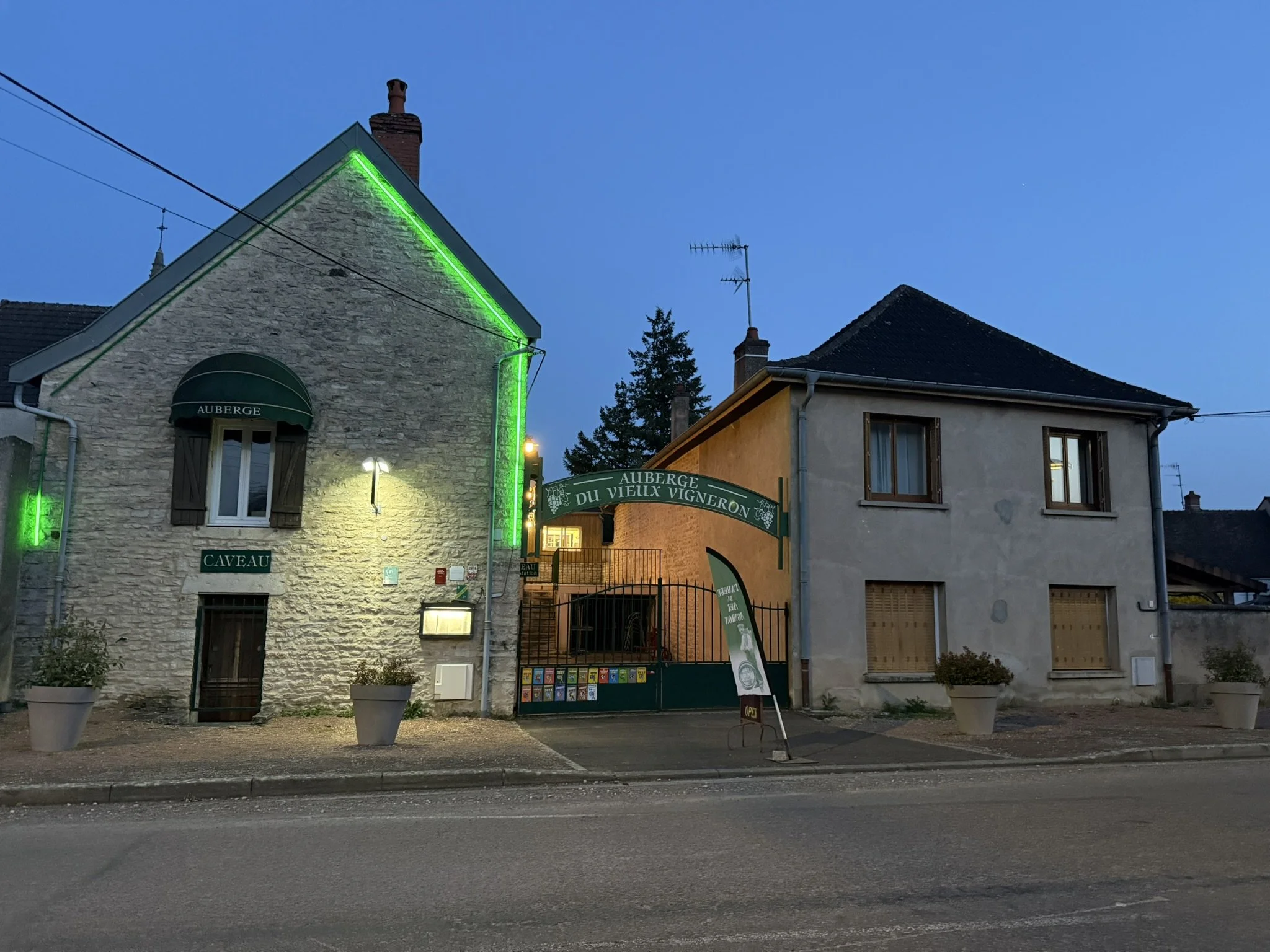
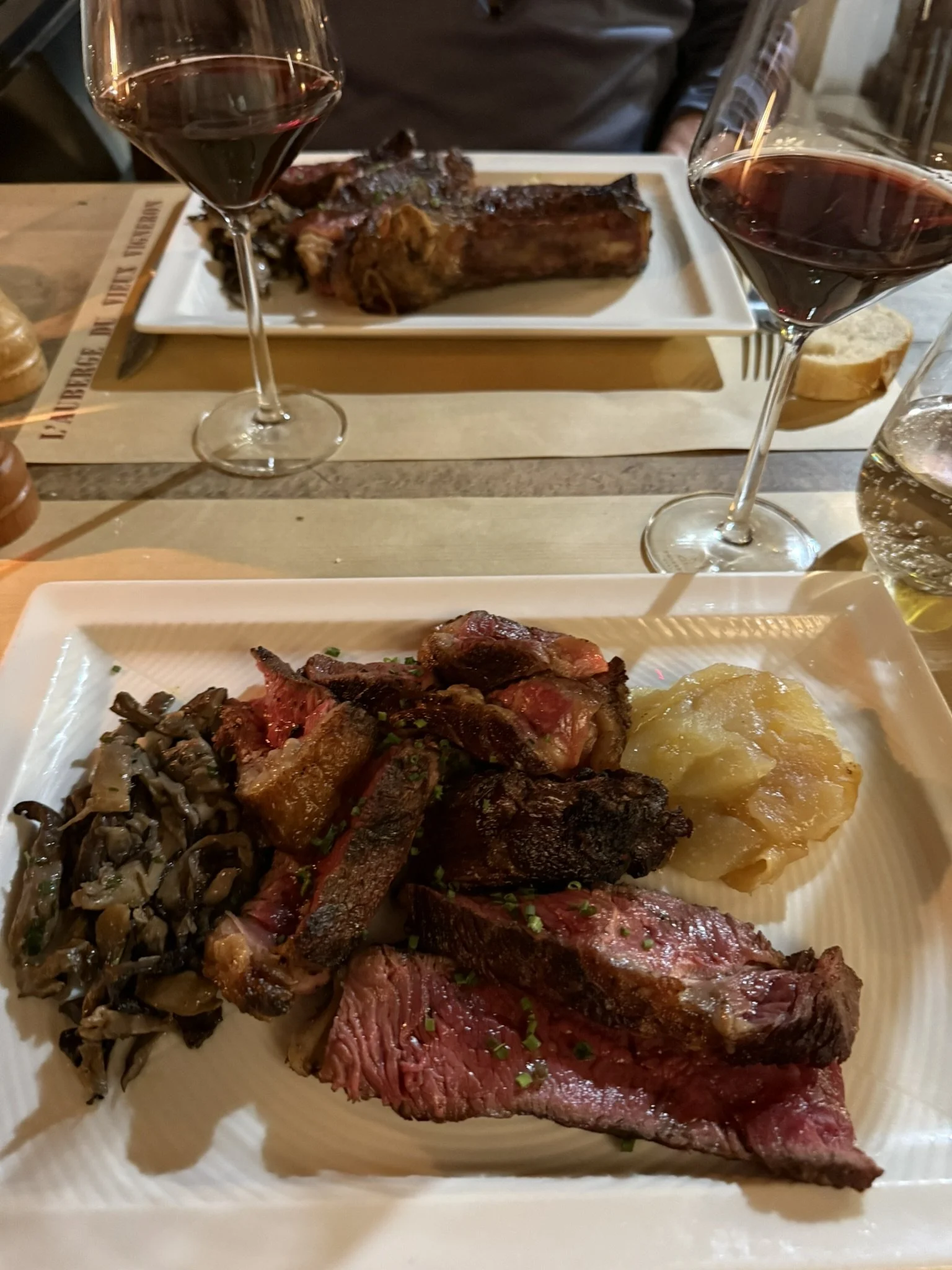
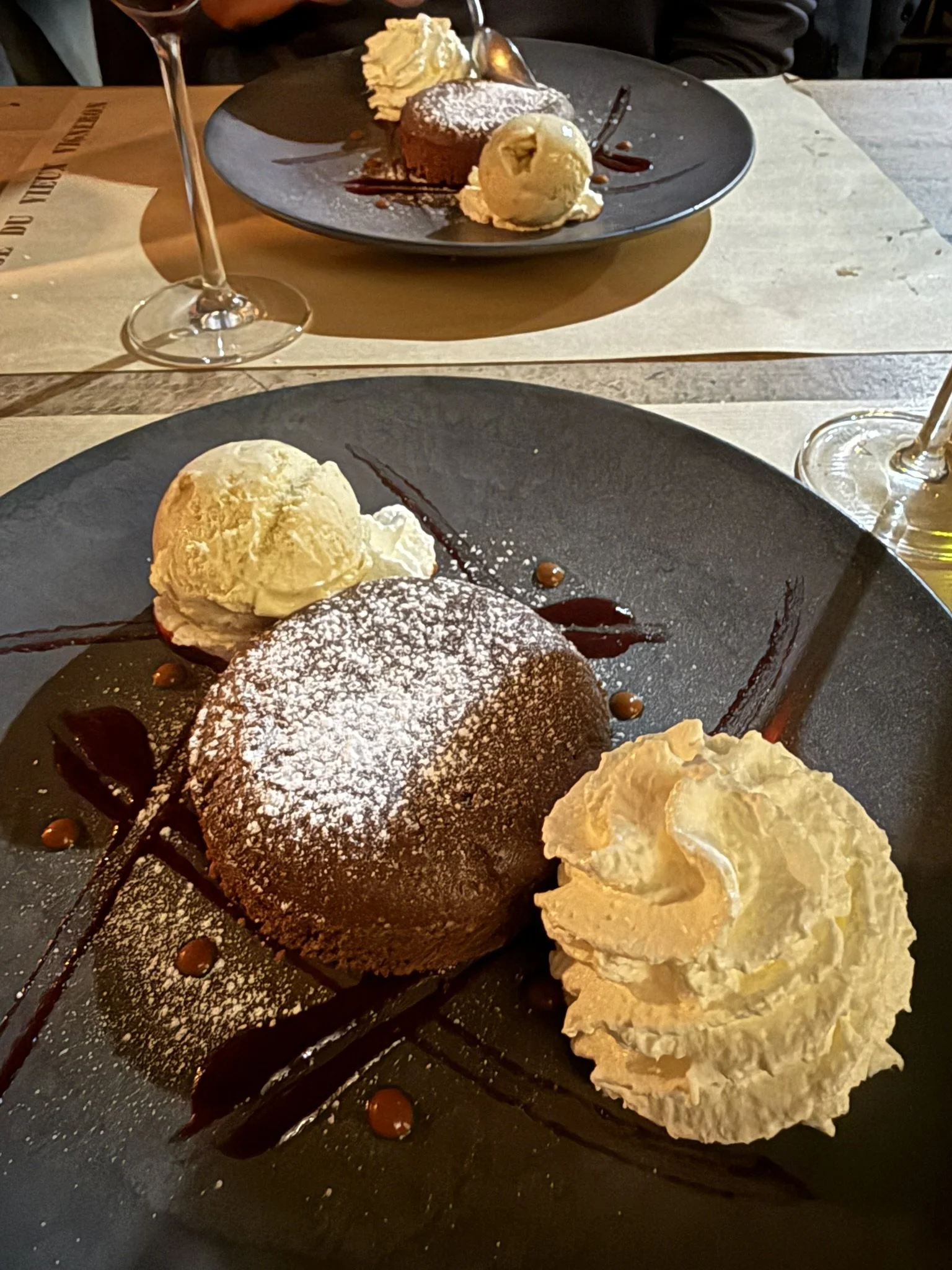
L’Auberge du Vieux Vigneron – I stumbled upon this restaurant while doing internet searches. It’s in the village of Corpeau and we were the only people in the restaurant who were not French. We enjoyed delicious regional cuisine, and our beef was cooked over an open fire in the restaurant fireplace by the chef!
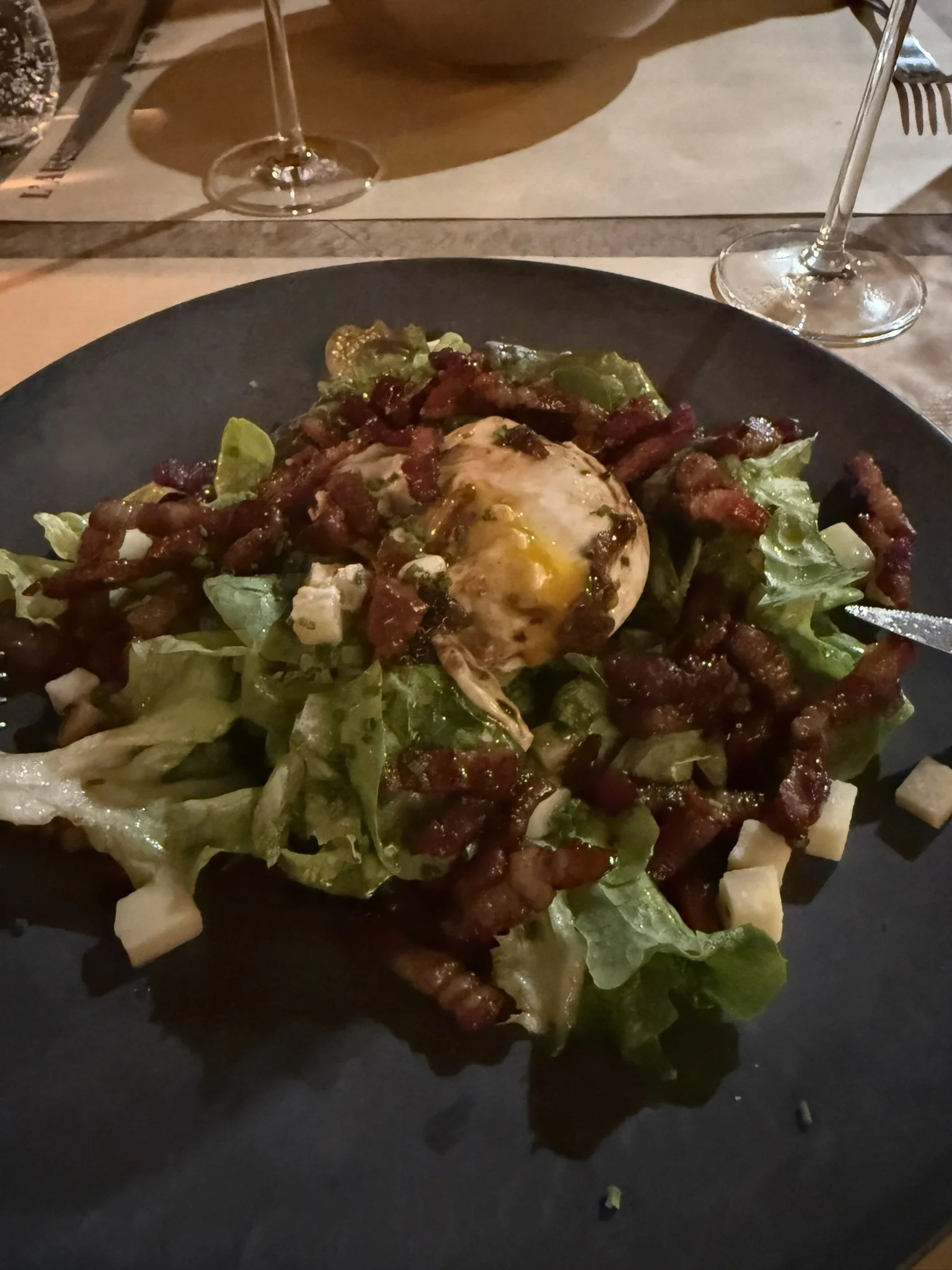
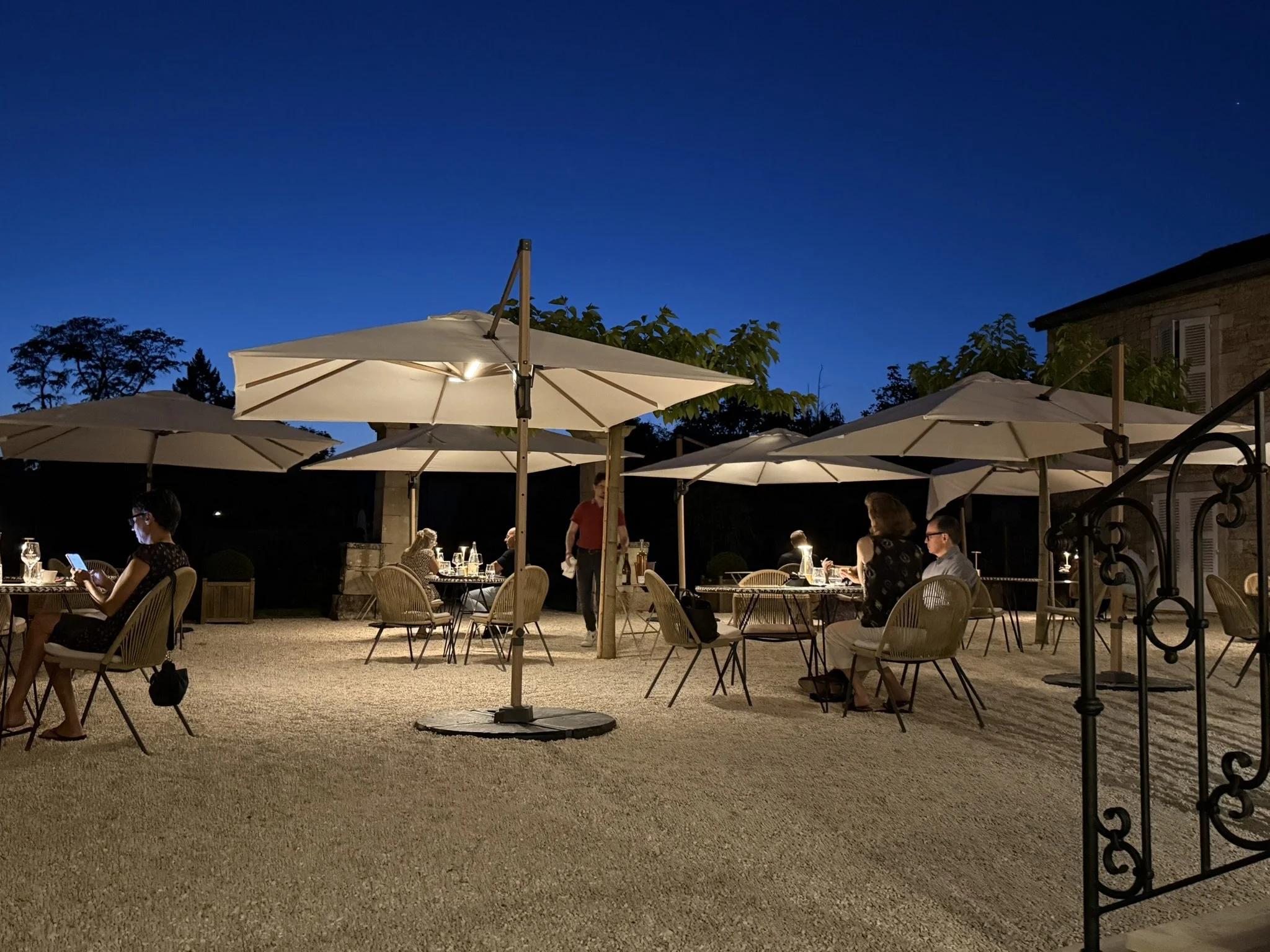
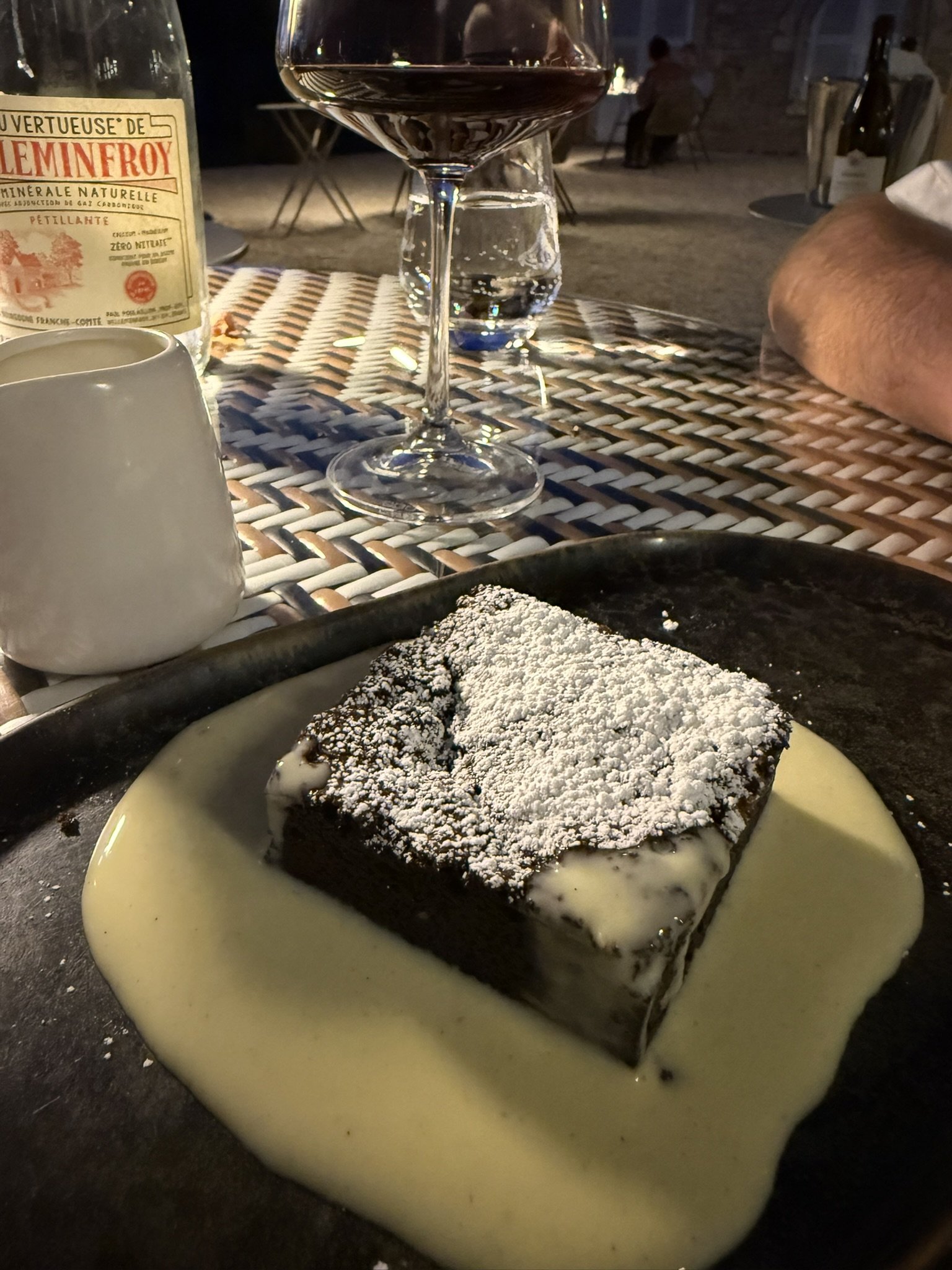
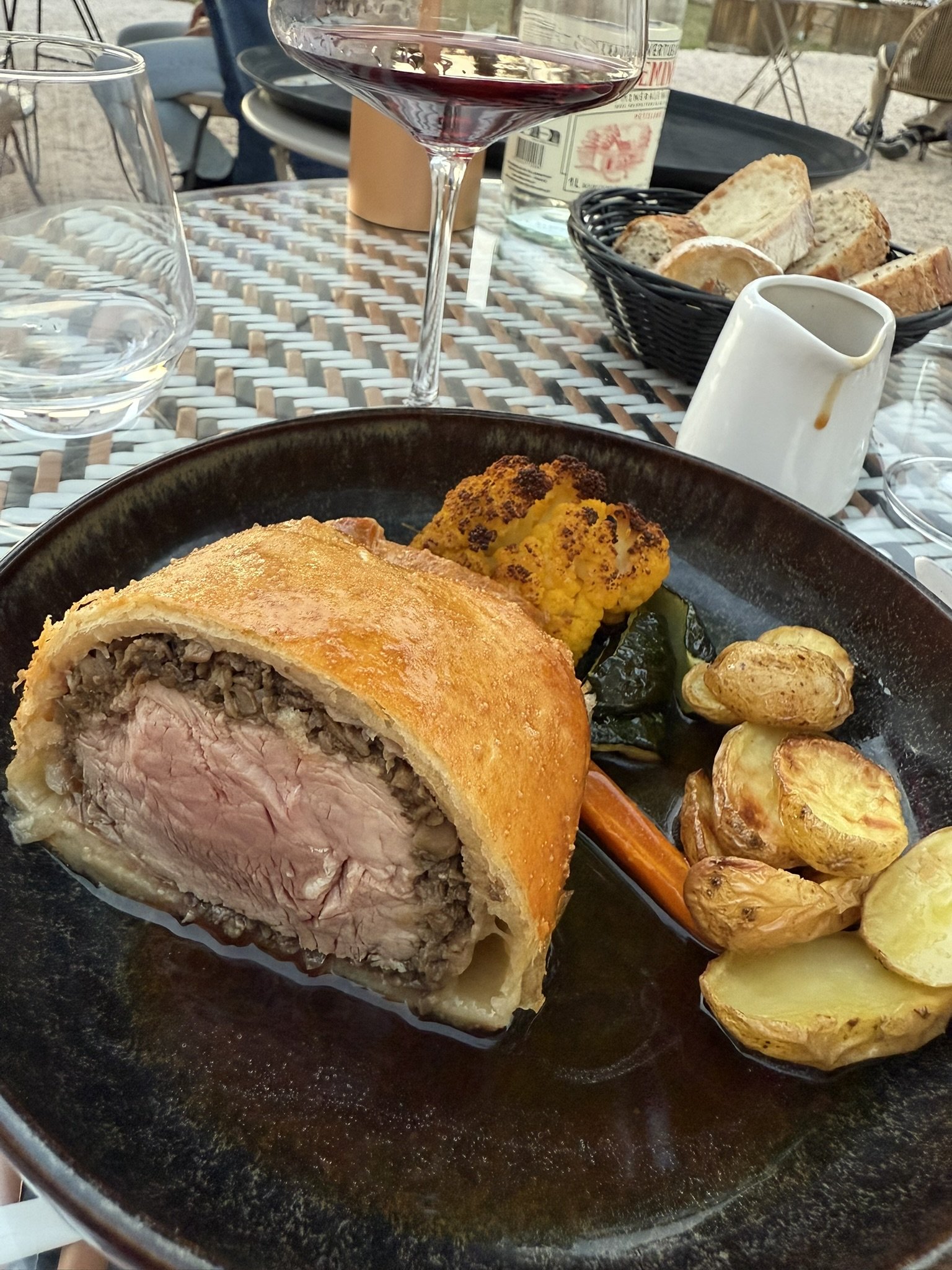
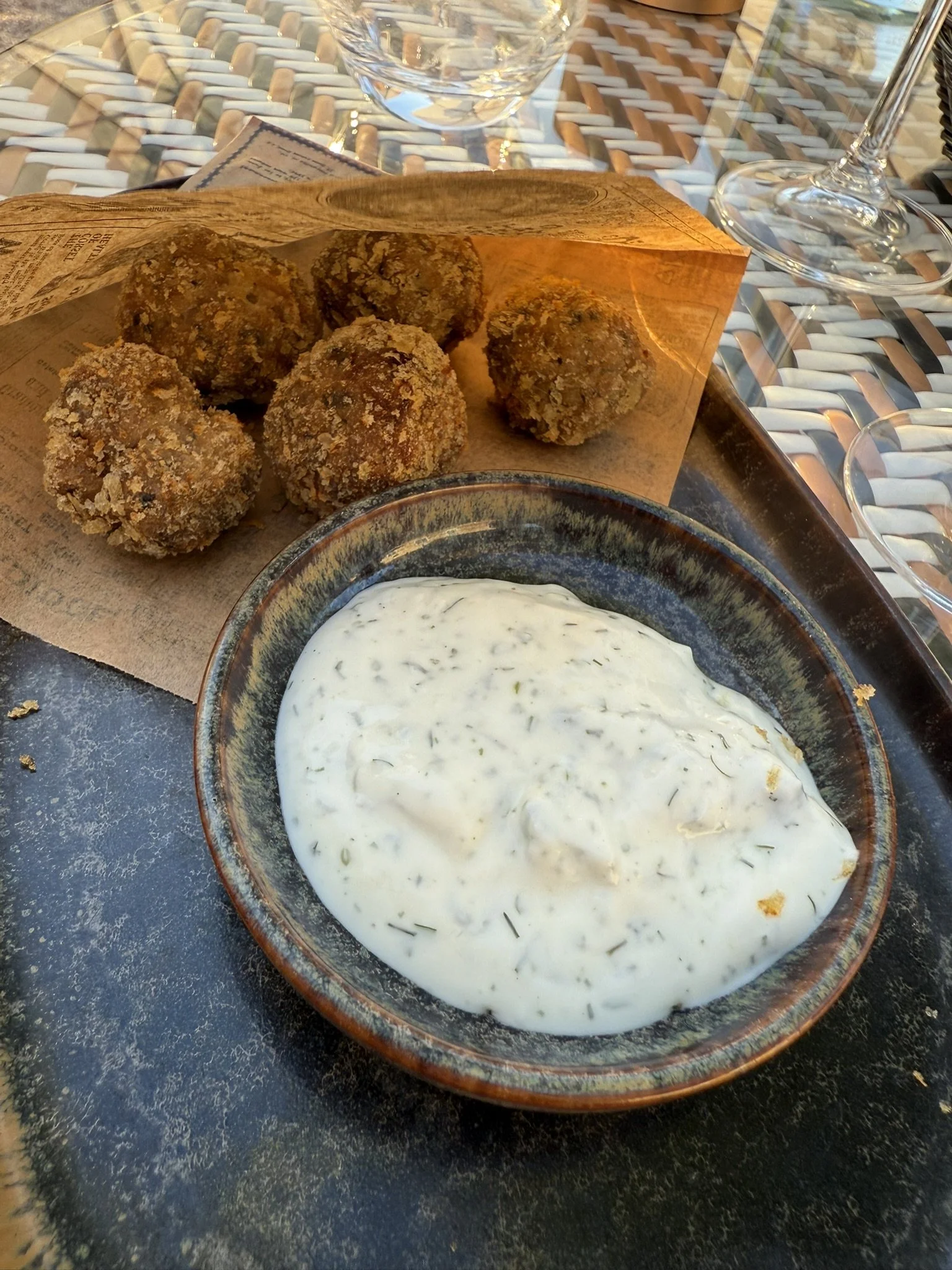
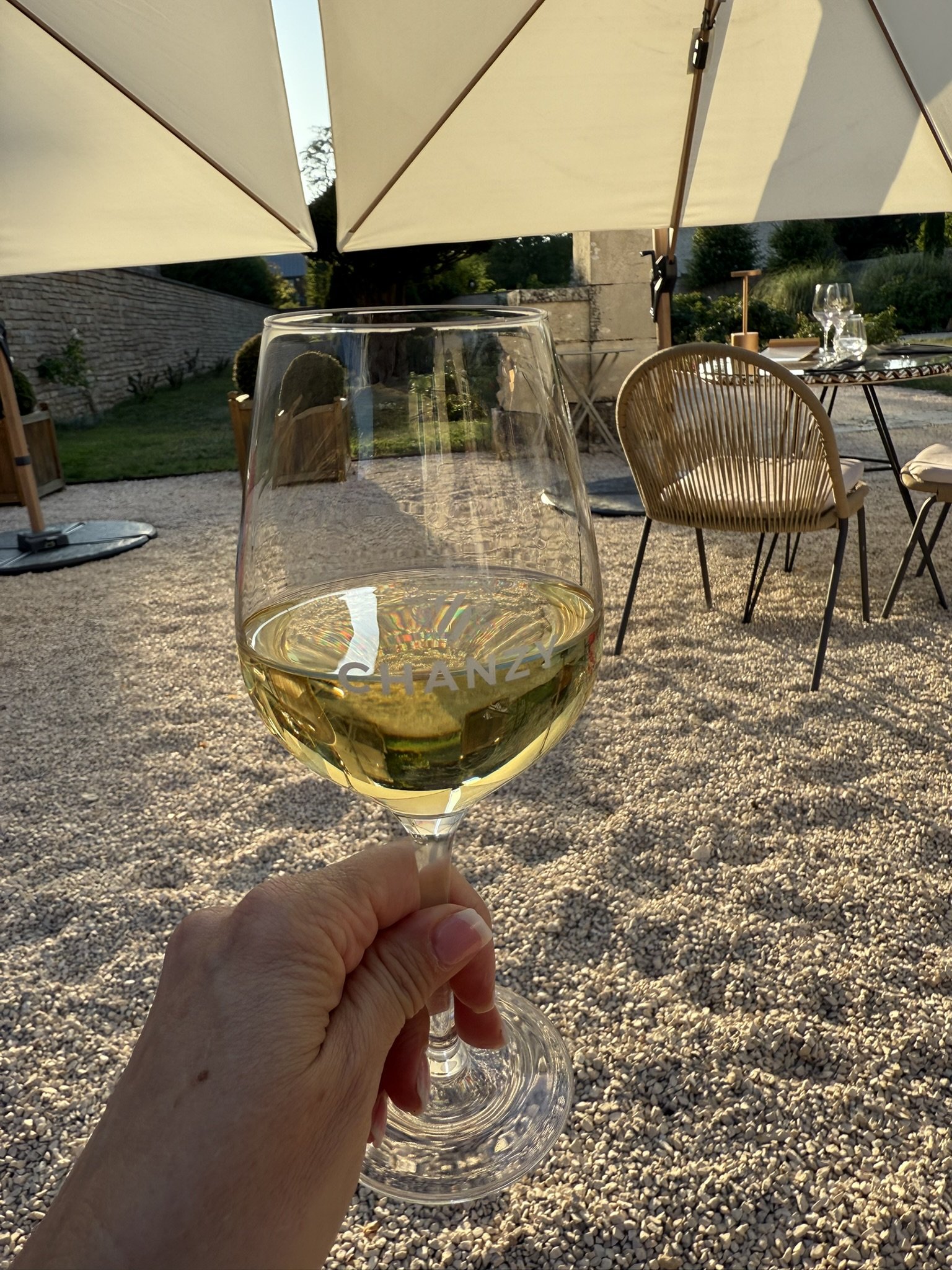
Maison Chanzy – This Puligny-Montrachet winery has a wonderful restaurant. We sat in the courtyard outside and enjoyed the weather, the view, the food, and the experience.
WHERE TO STAY
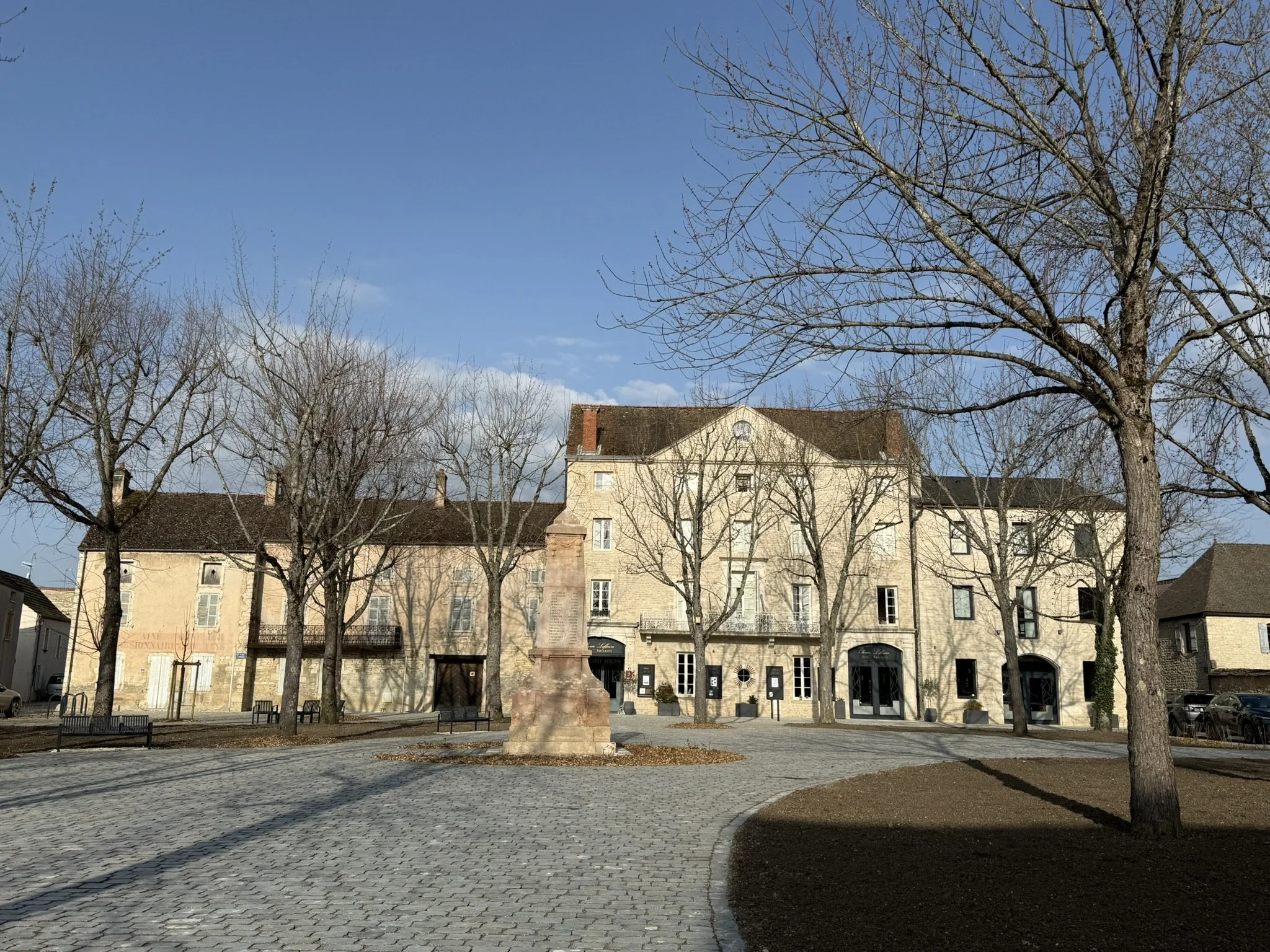
Hotel Olivier Leflaive (4 star) – We’ve stayed at this charming hotel in Puligny-Montrachet twice. It’s in a 17th century building overlooking the village square. The hotel has 17 rooms and both times we stayed in a junior suite. They are spacious with a big bathroom, tub and shower, and a private outdoor patio that we enjoyed. The staff is the friendliest. And the bar and restaurant are amazing (see Klima review above). They also offer a buffet breakfast that is wonderful.
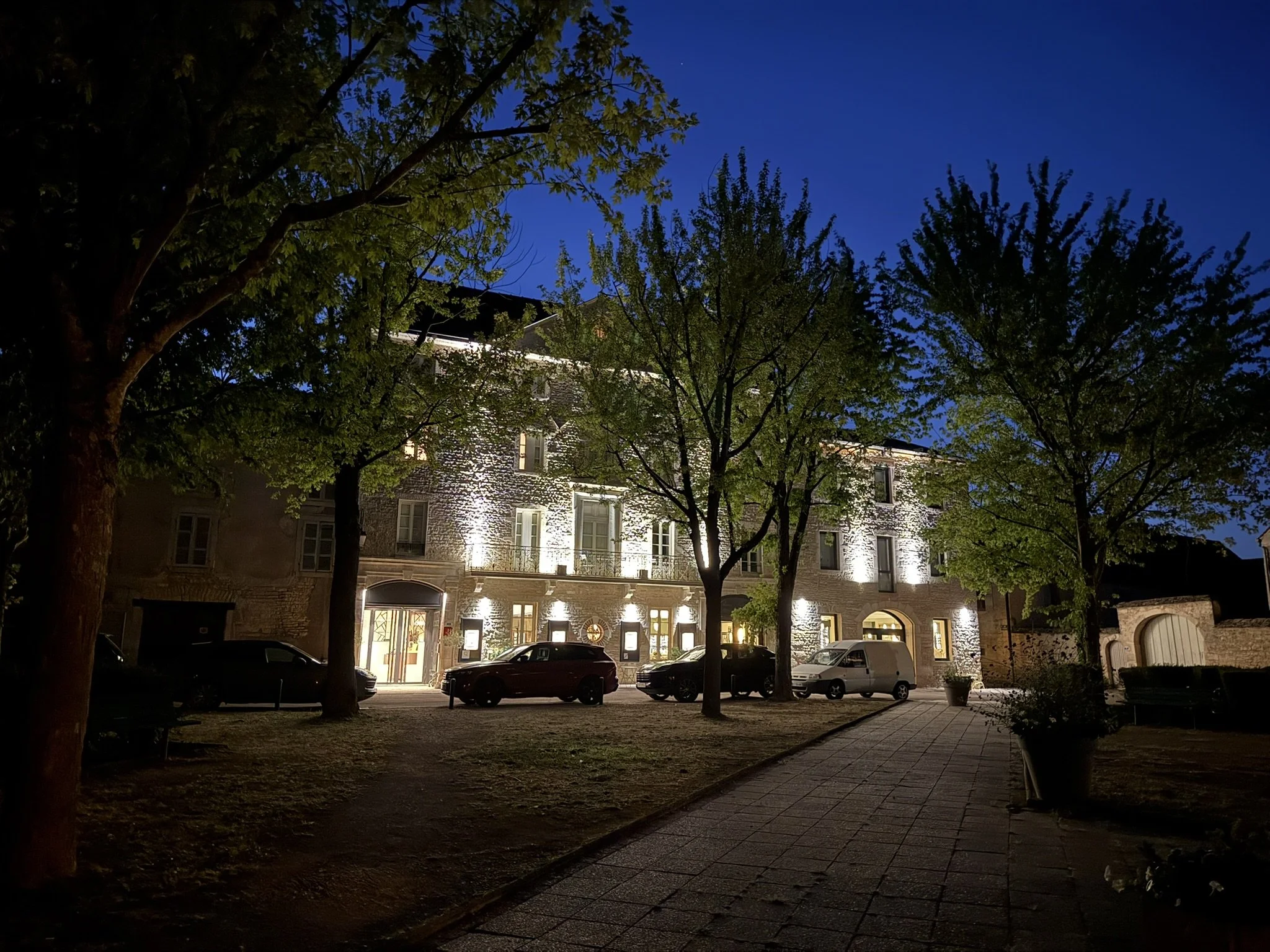
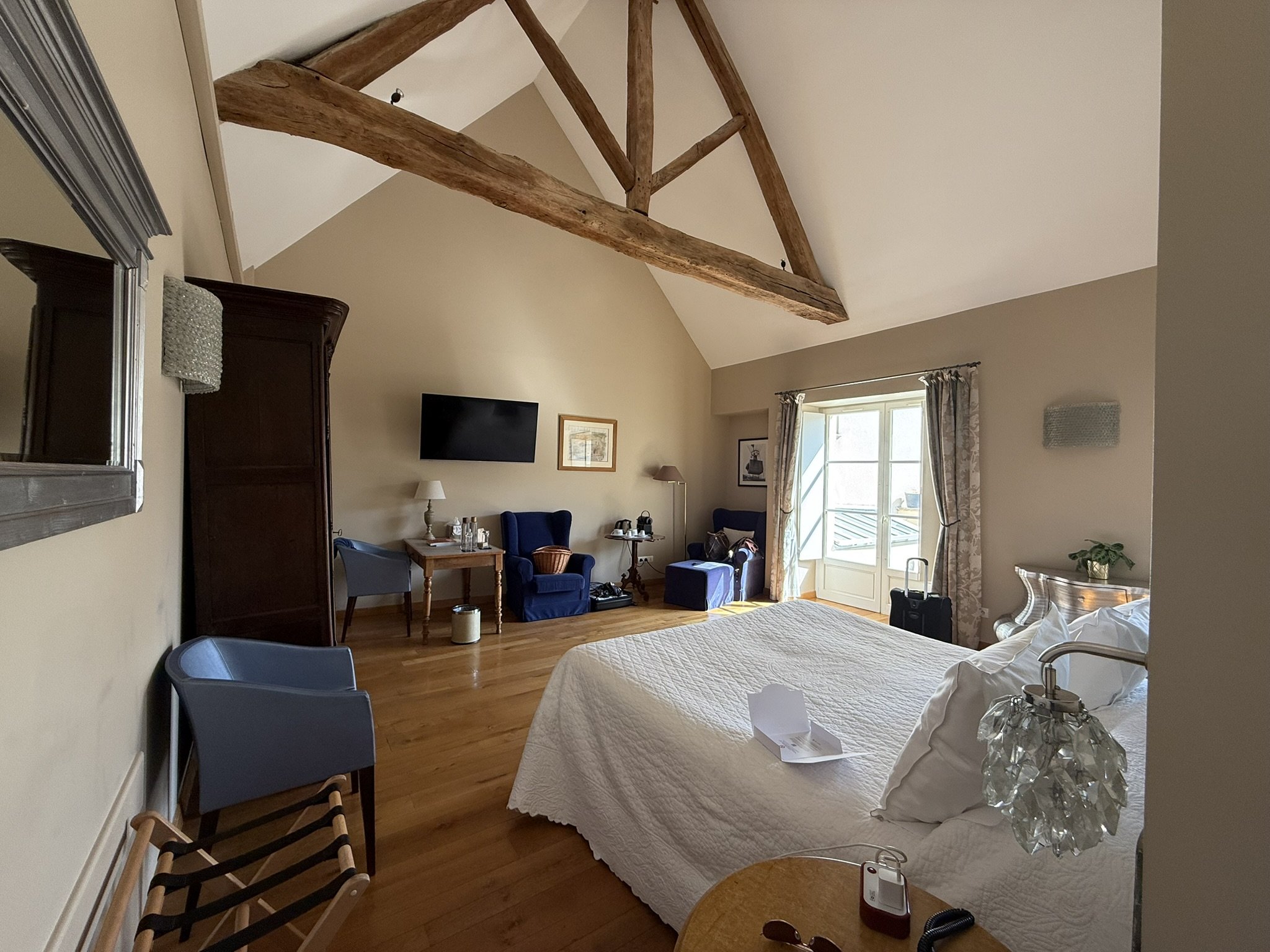
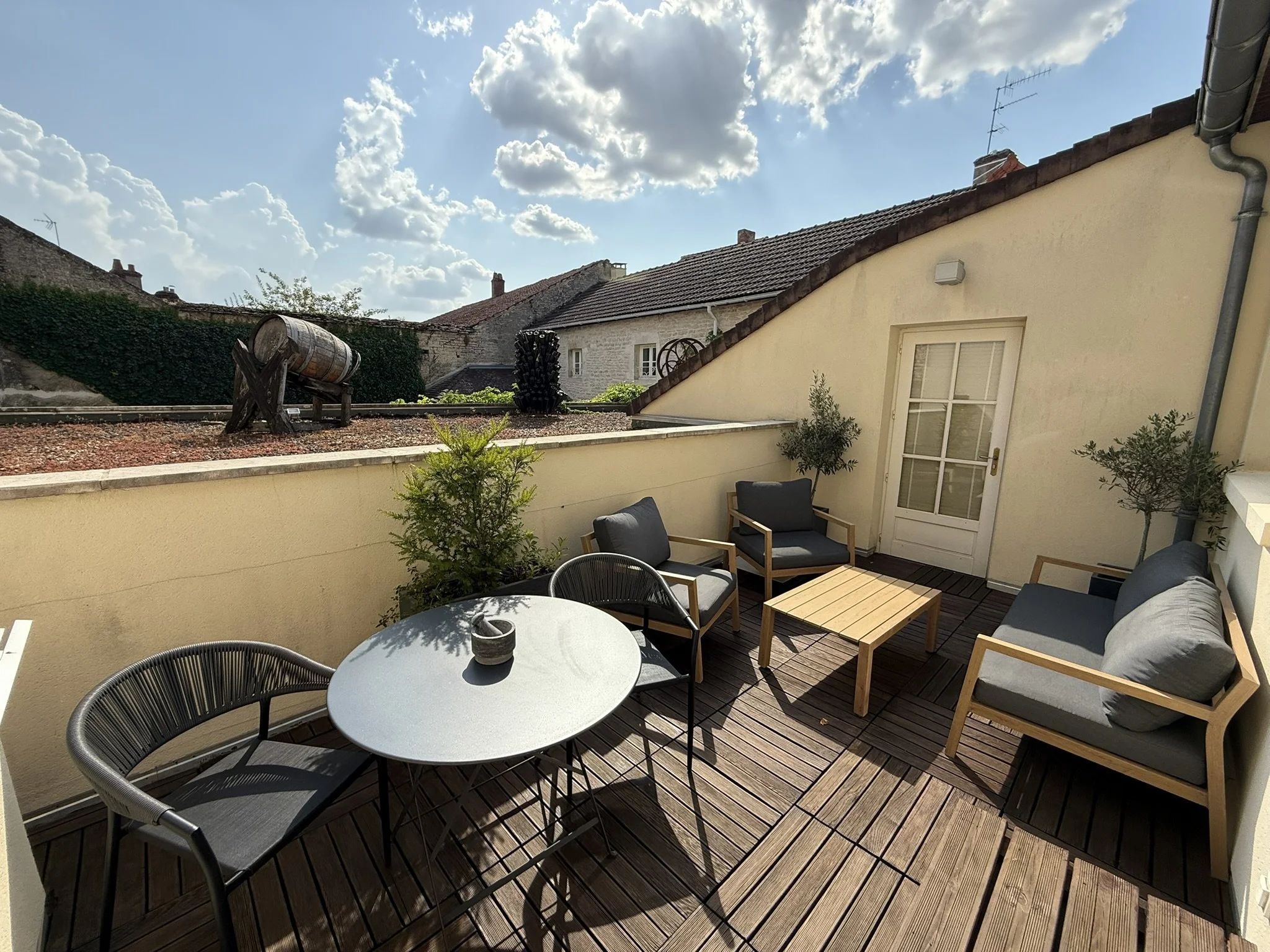
La Cueillette (4-star) – Situated in the heart of Meursault with vineyard views, La Cueillette is a historic hotel set in a 19th-century building. There are 19 rooms, and a bar, restaurant, and spa. The spa is the largest in the Burgundy region, with indoor swimming pool, jacuzzi, steam room, sauna, solarium, relaxation room, herbal tea room, fitness room. Access to the spa facilities is free to hotel guests and you may pay for spa services such as massages and facials (which we did and thoroughly enjoyed). They are currently remodeling and will open again in summer 2026.
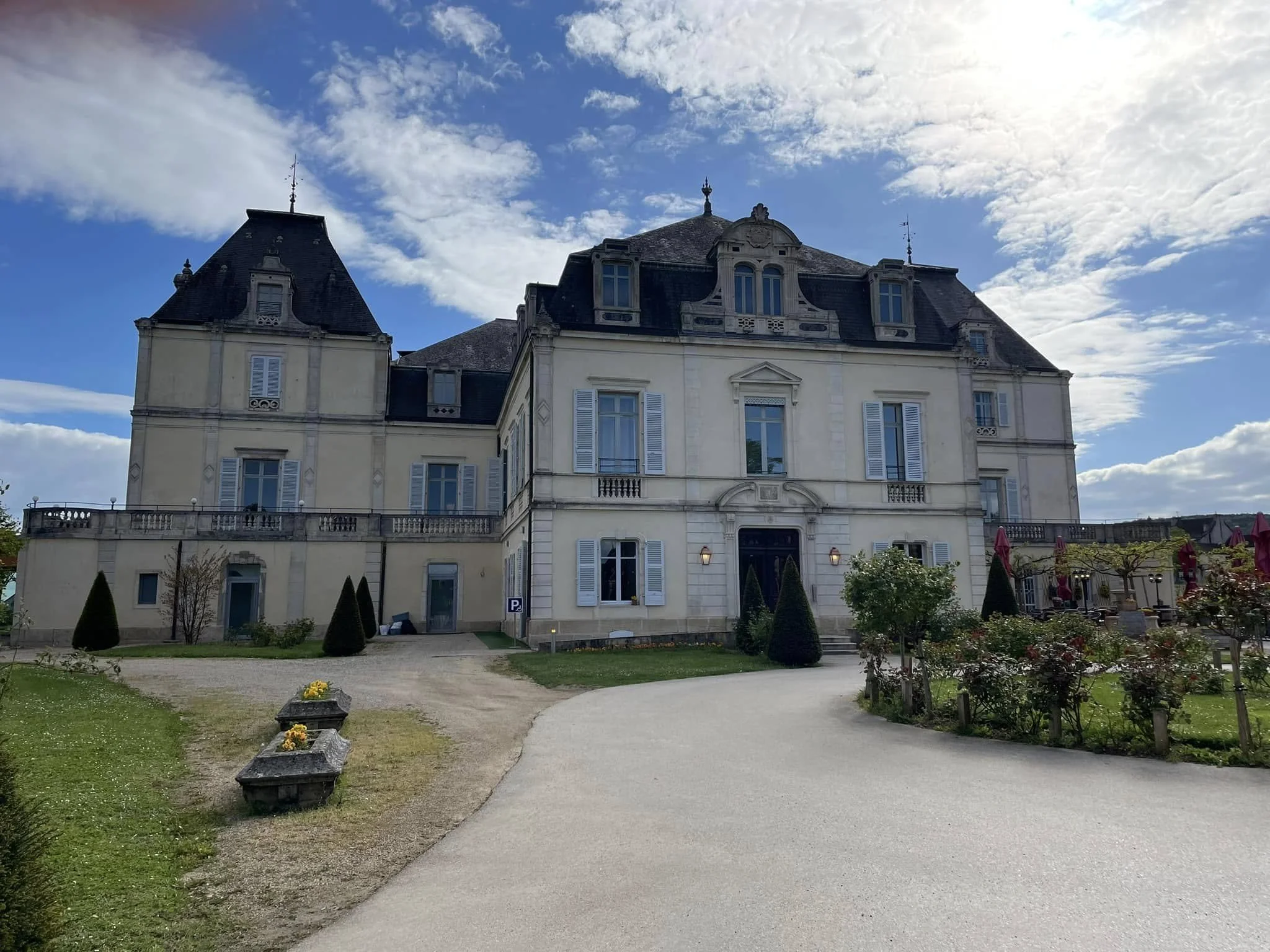
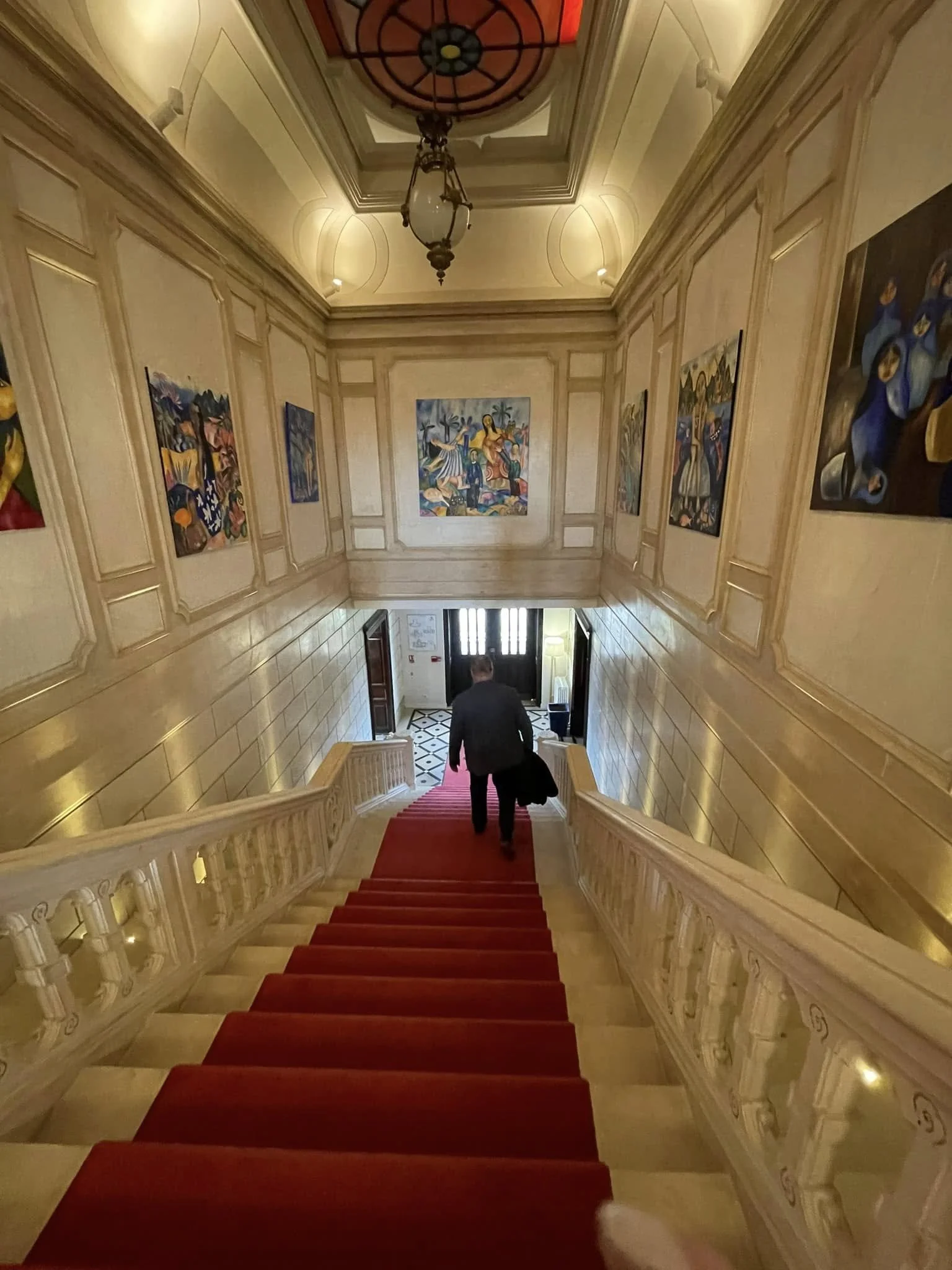
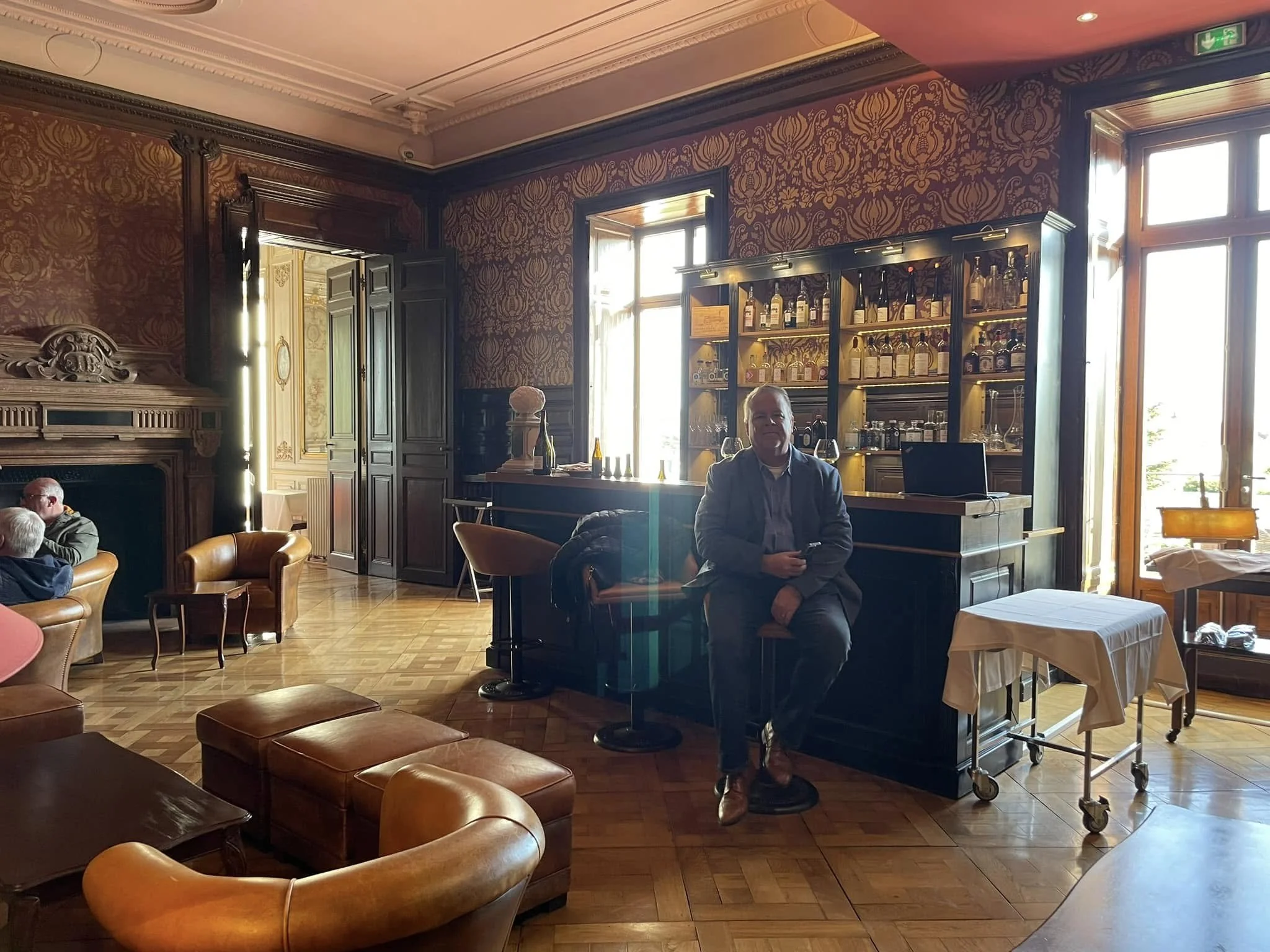
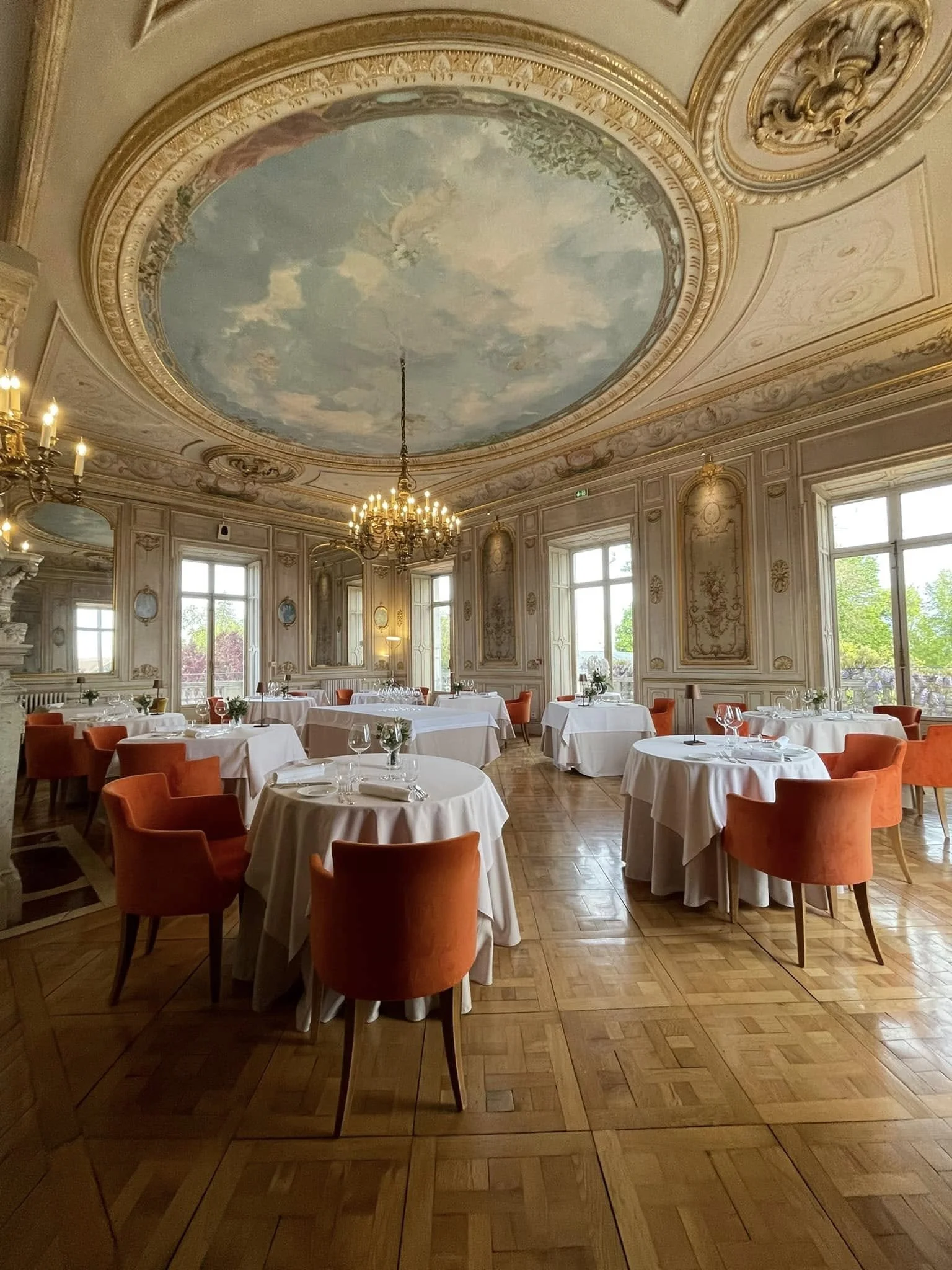
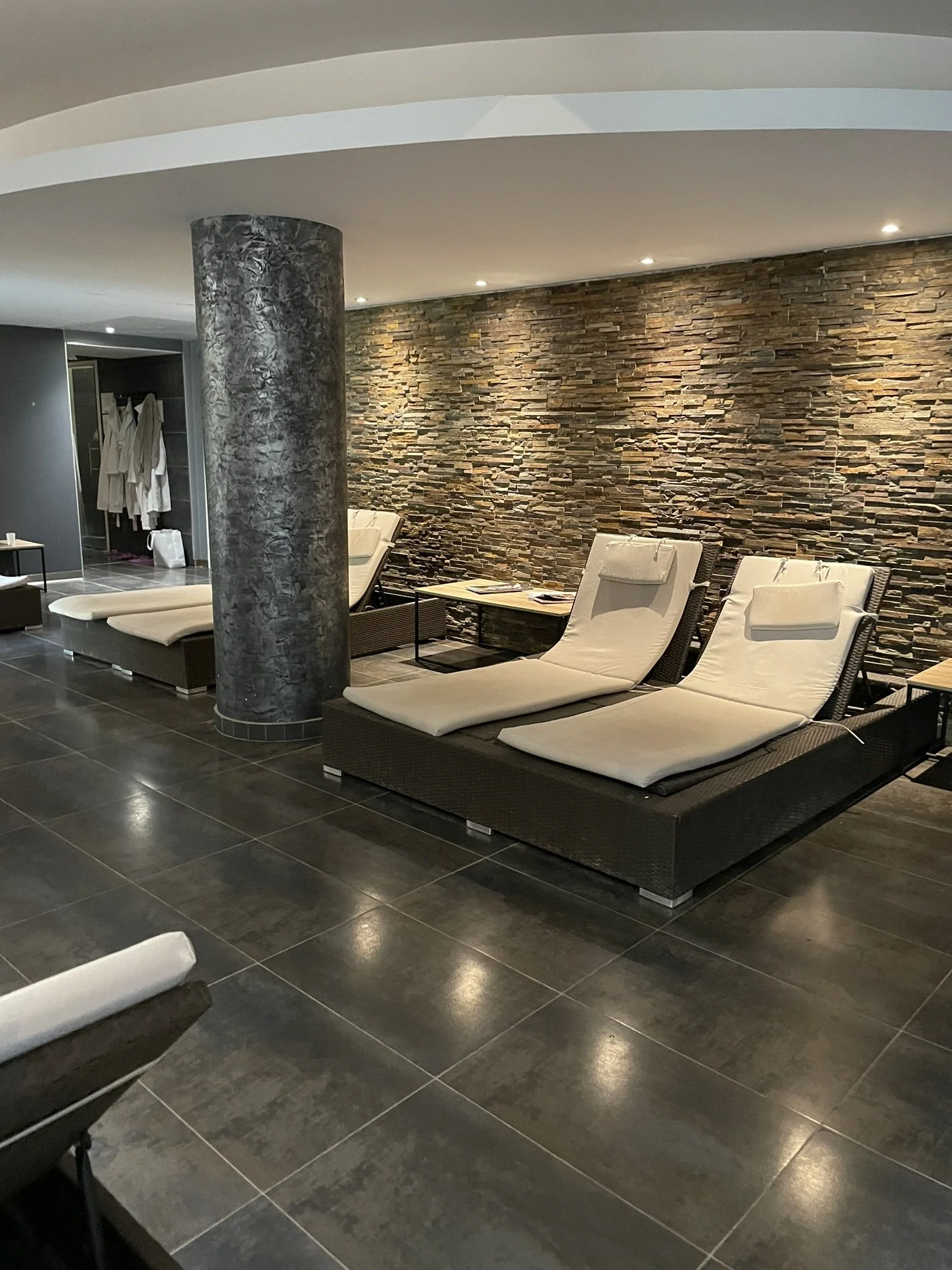
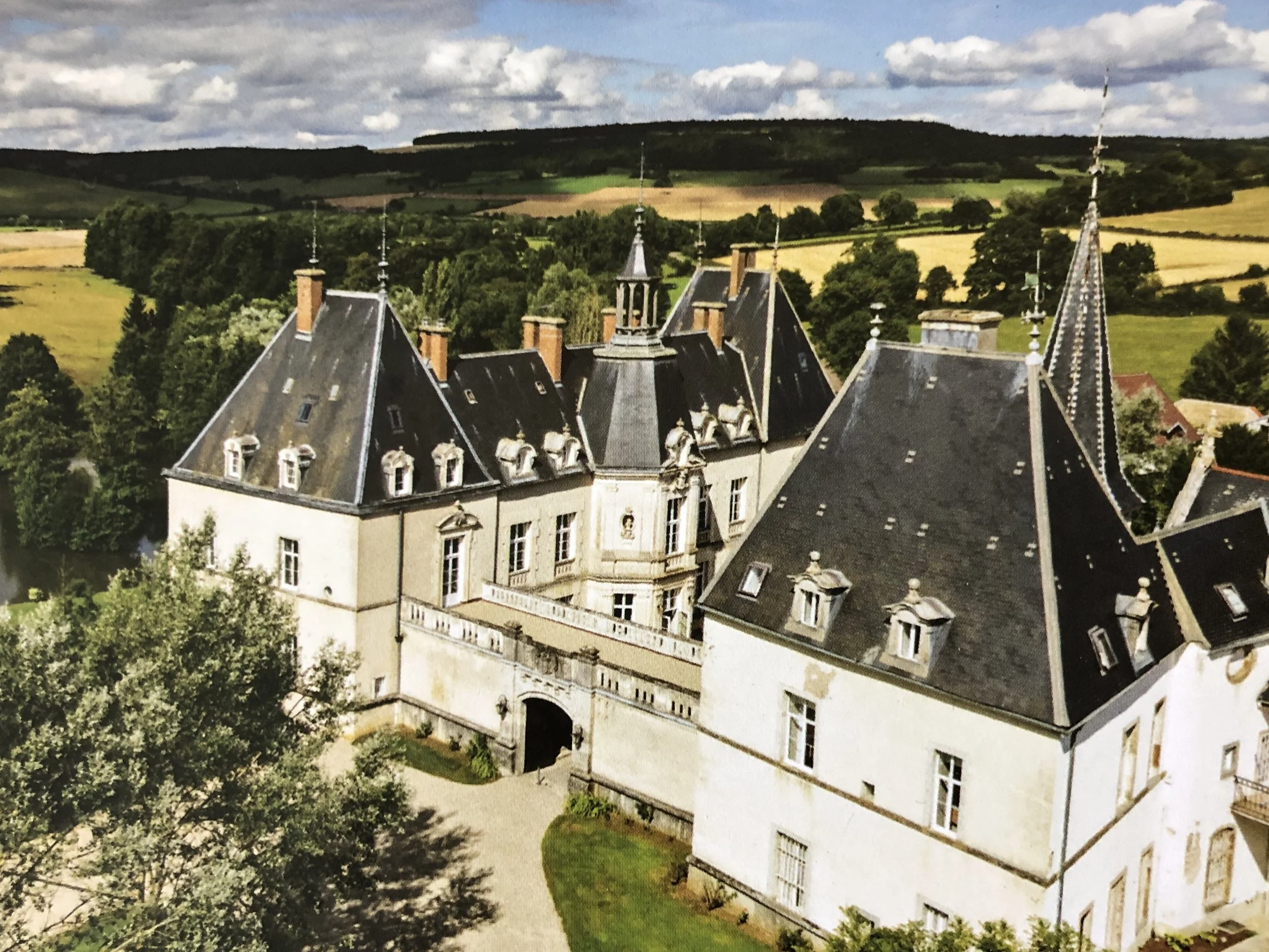
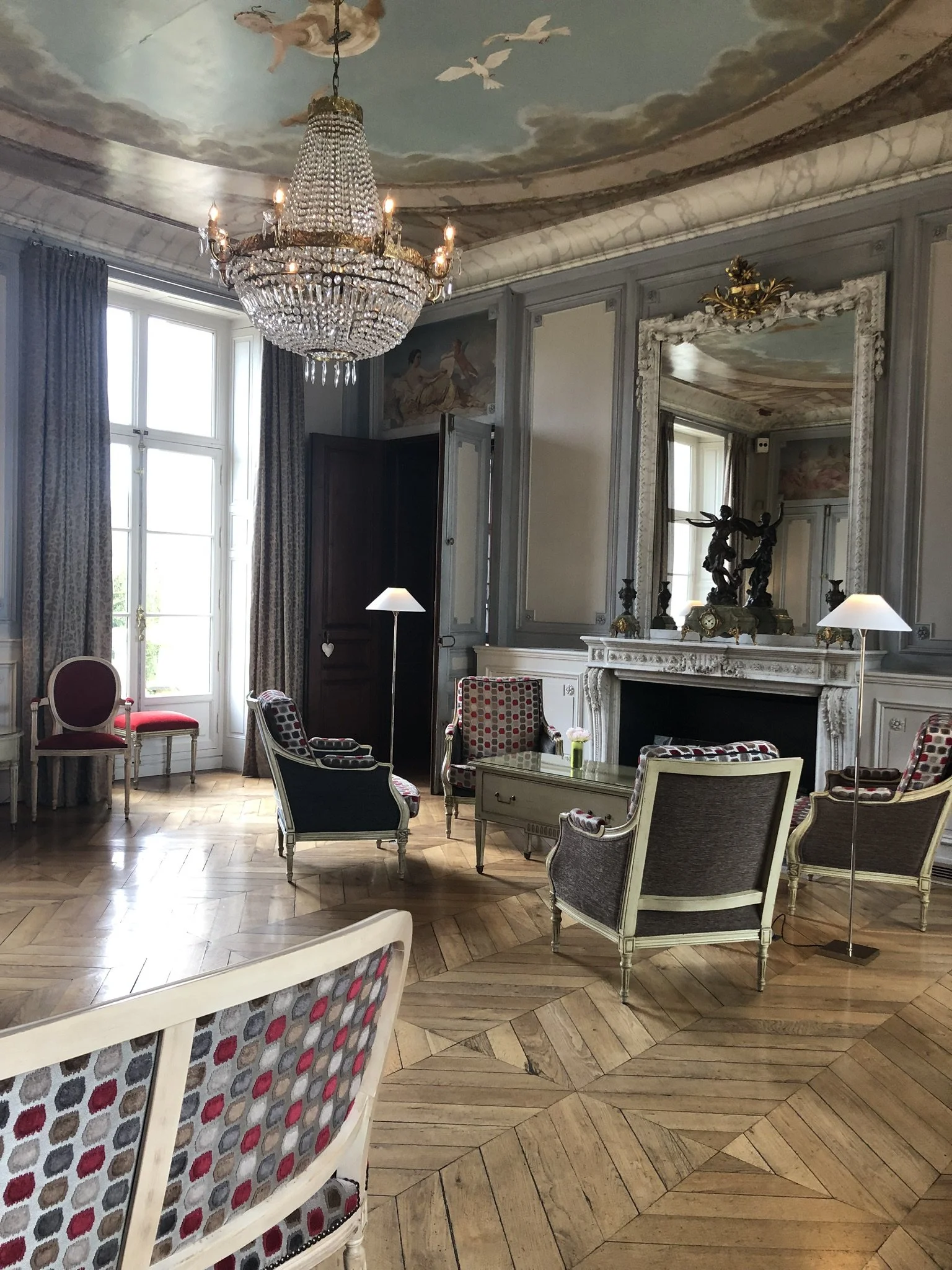
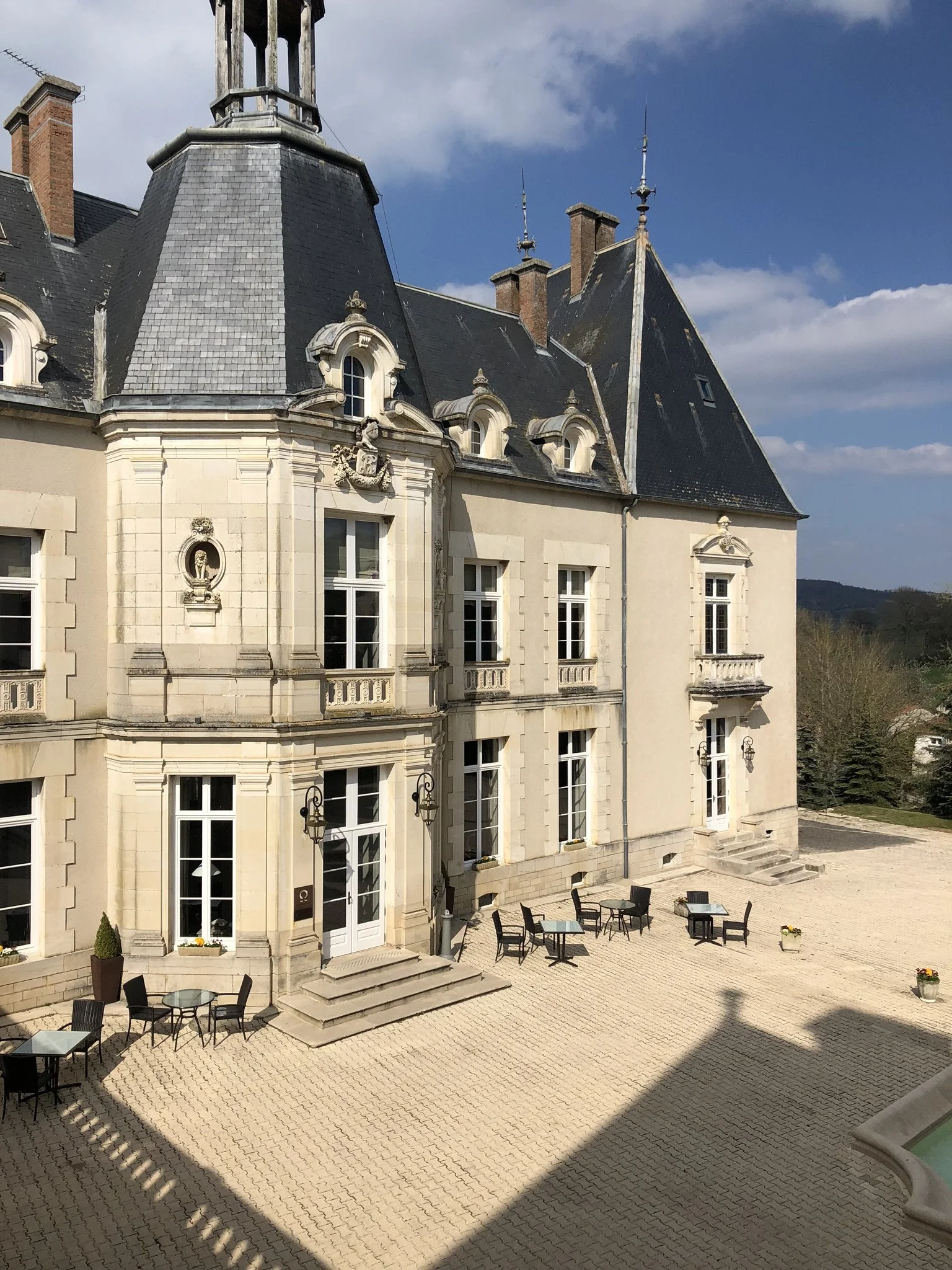
Chateau Sainte Sabine (5 star) – A little farther north but absolutely still worth mentioning is this castle hotel where we’ve stayed twice. Set in 8 hectares of parkland, the 5-star Château Sainte Sabine offers 23 fully renovated rooms and a gourmet restaurant. The rooms are great and we enjoyed dinner at the restaurant and picnics on the grounds.
OTHER THINGS TO KNOW
Best ways to get around – For wine tasting and seeing the area, I’d recommend driving, cycling, or hiring a tour/driver. We like to explore places on our own so have driven and cycled but have not done any tours (but there are many available). We found it easy to get around by bike and car so would highly recommend car when the weather is cold or rainy and cycling when the weather is nicer. Google maps and well-marked roads/bike paths make it easy to get where you want to go.
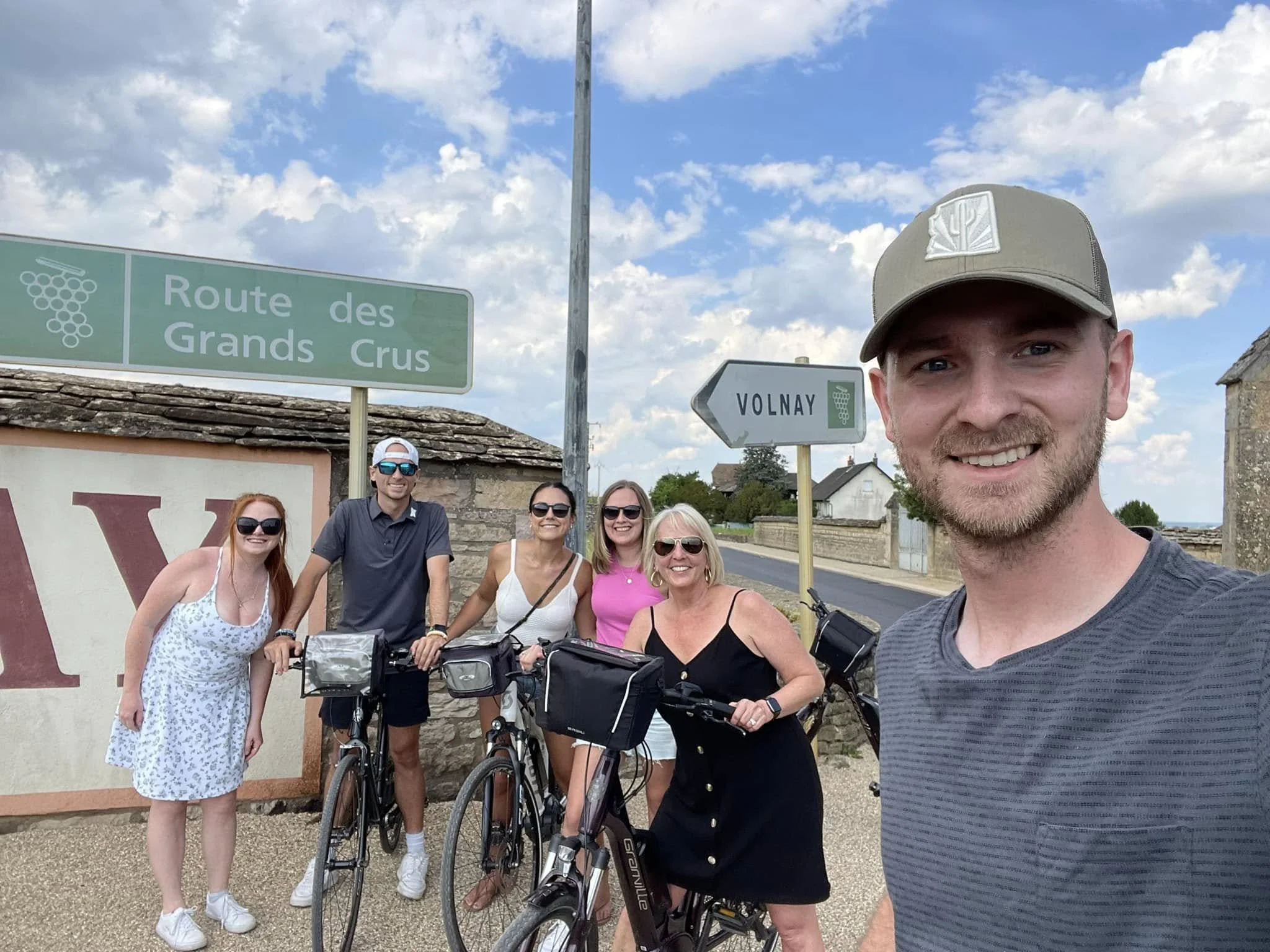
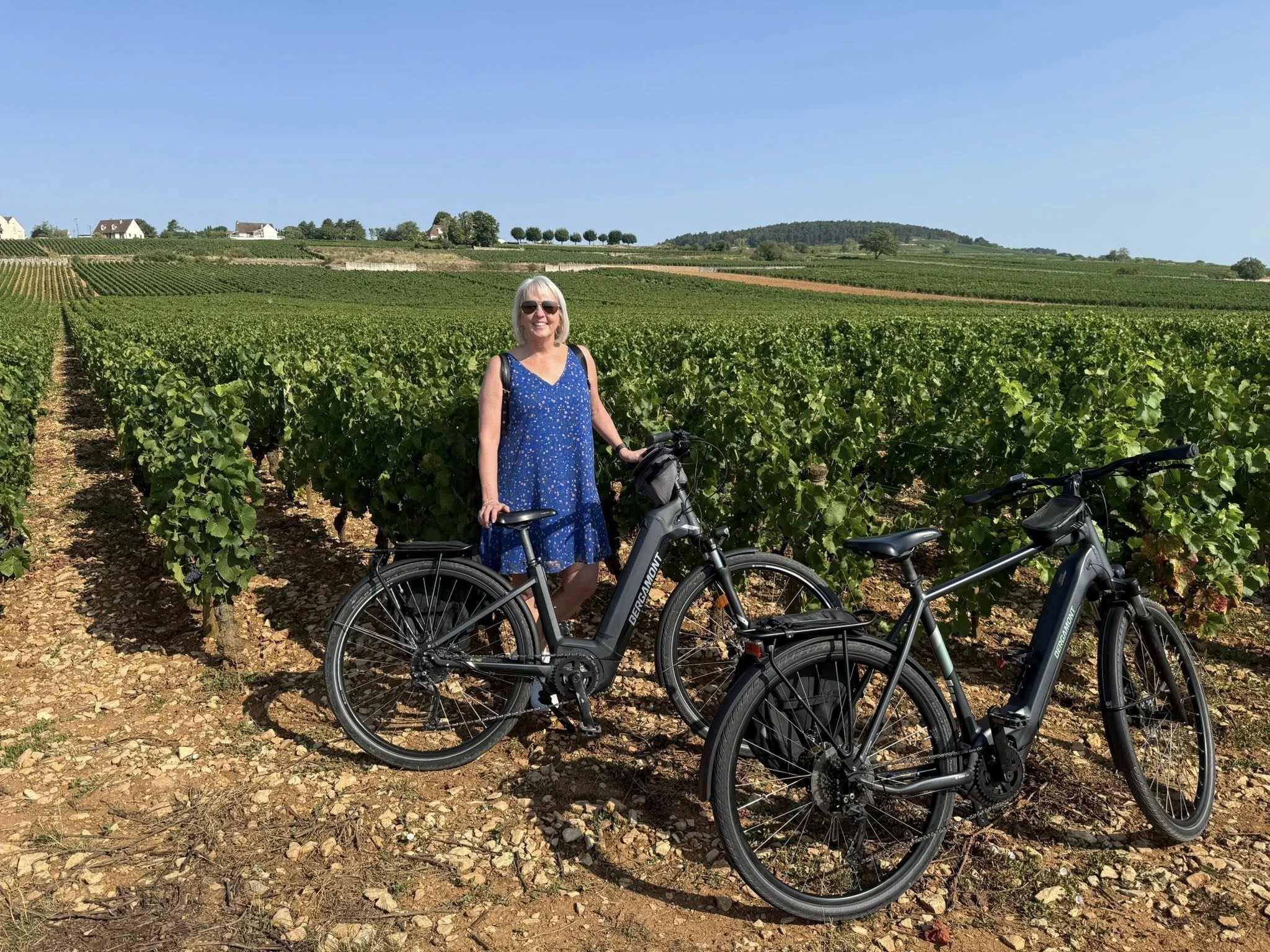
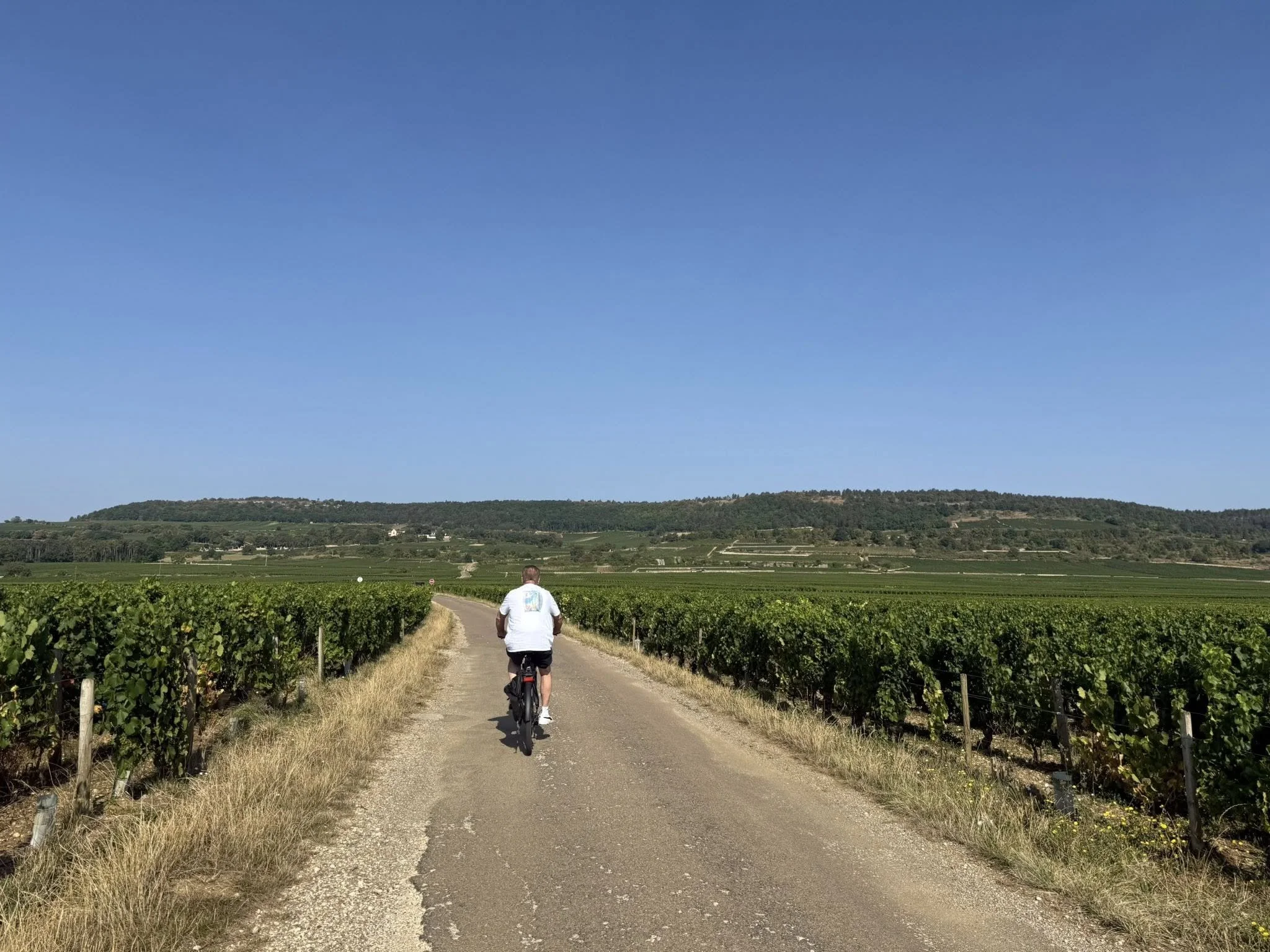
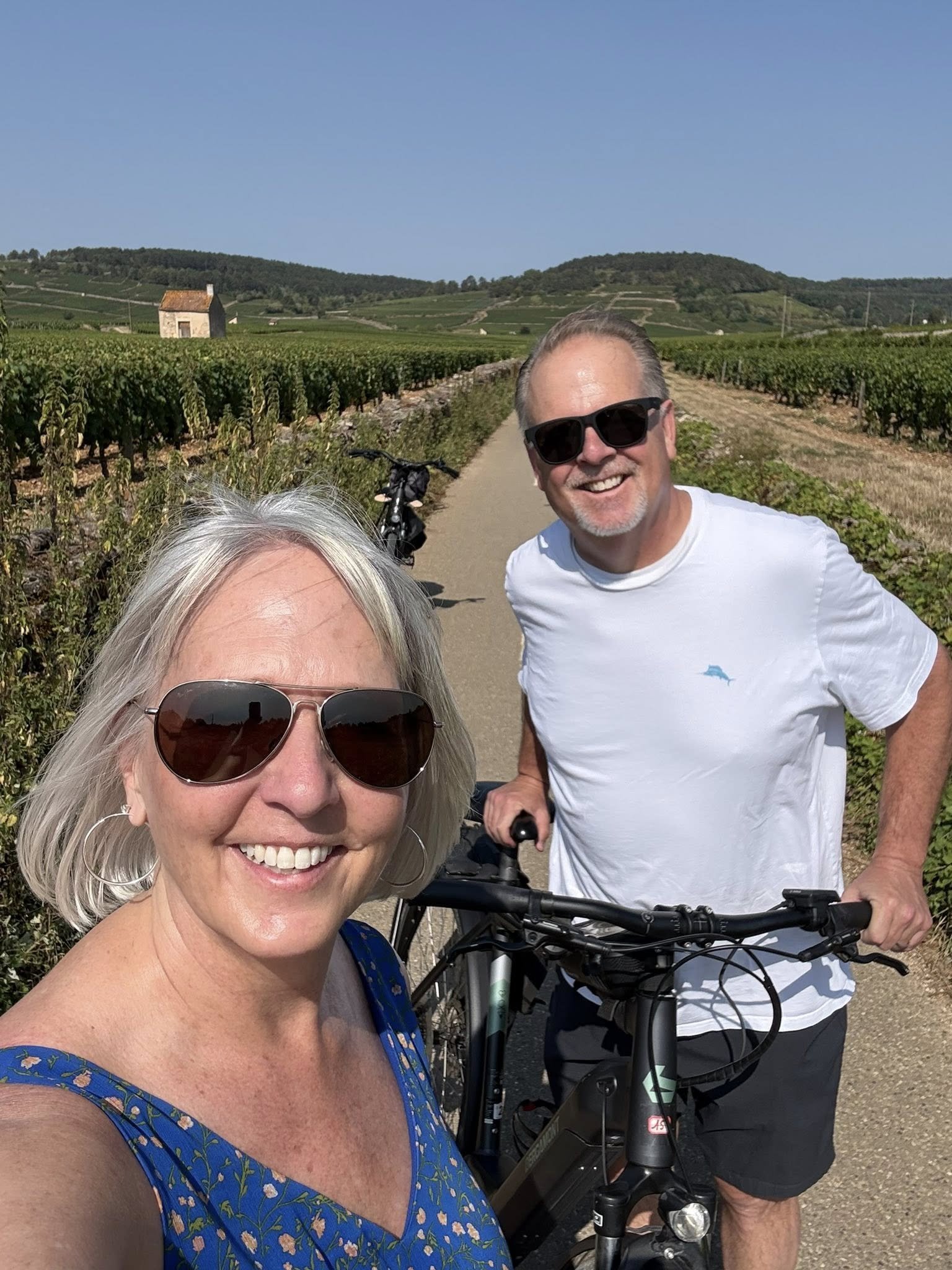
We’ve rented bikes from Hotel Olivier Leflaive once and from Bourgogne Randonnees many times. Both had great equipment and made it easy to rent and return the bikes.
Language – French is the local language and you will find a mixture of places where English is spoken and places where it is not. The big wineries and restaurants typically have English speaking employees. Smaller wineries and smaller or off-the-beaten path restaurants may be staffed with people who only speak French. But hand signs and Google Translate always help us when needed.
Currency – France uses the Euro as local currency.
Summary - You can’t go wrong spending a day, a long weekend, a week, or longer in Burgundy! There is so much to see, so much to do, and so much good food and wine to experience!