A Guide to Provence France
Here is your trip guide to the charming villages, vibrant daily markets, epic dining experiences, glorious fields of lavender, beautiful Mediterranean Sea scapes, and laid-back lifestyle.
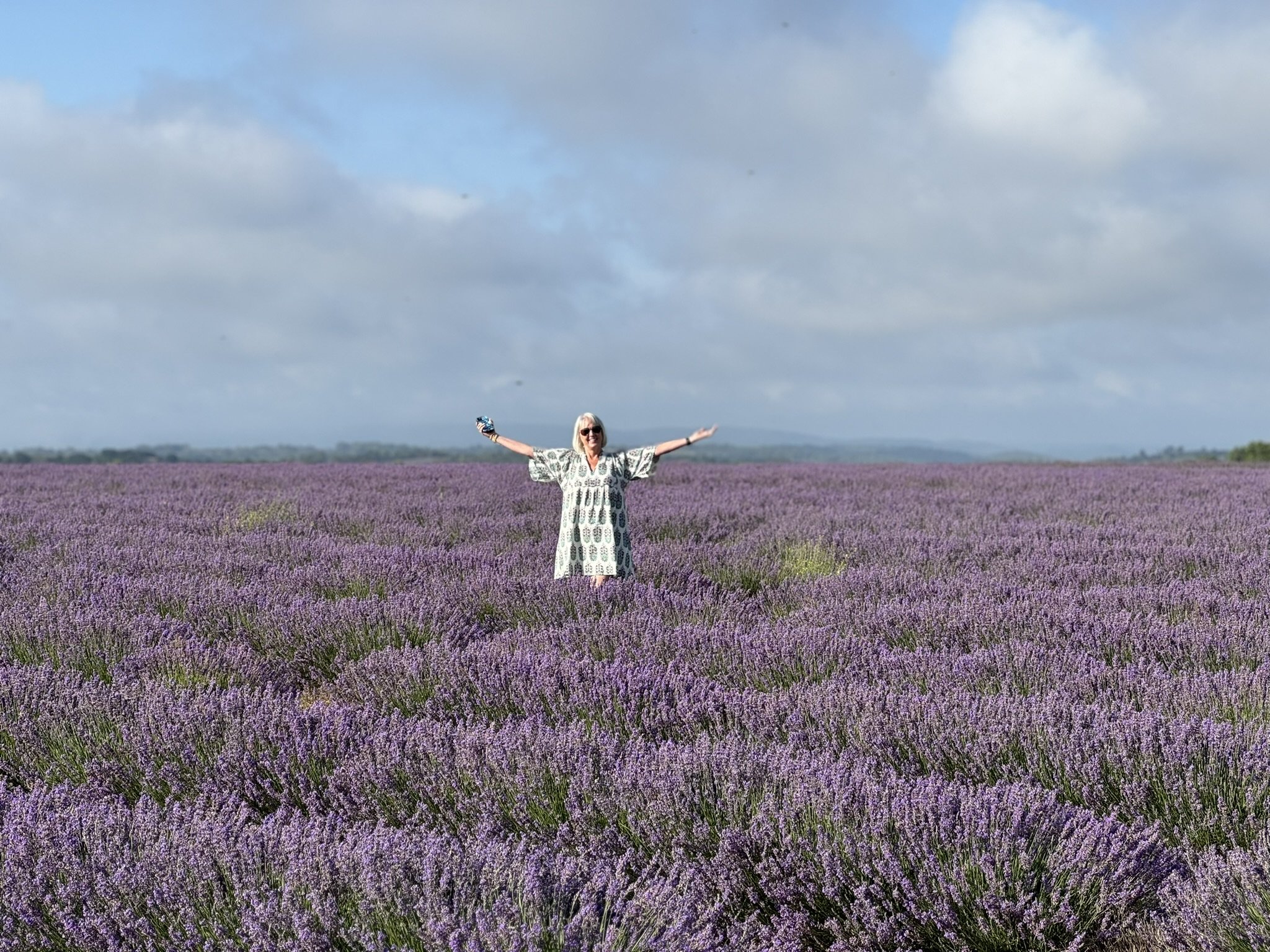
Have you dreamed of sundrenched landscapes, charming hilltop villages, fragrant lavender fields, exceptional wines, Roman ruins, Provençal farmer’s markets, beautiful olive groves, fantastic dining experiences, and the sparkling Mediterranean coast???
You can get ALL of this and more in Provence!
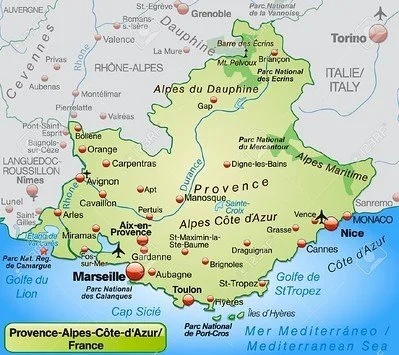
Provence is a large area defined by diverse landscapes in southeastern France, bordered by the lower Rhône River to the west, the Italian Alps to the east, and the Mediterranean Sea to the south. Its five main areas are the Vaucluse (olive groves, hilltop villages, and Mont Ventoux), Bouches-du-Rhône (historic hubs like Marseille and Arles), Var (the Mediterranean coast), Alpes-de-Haute-Provence (canyons and lavender fields), and Alpes-Maritimes (the French Riviera).
Provence happens to be one of our very favorite places. It is probably the place in Europe we’d choose to live if we were to move there!
This blog post focuses on the areas of Provence where we’ve traveled – primarily to see the lavender fields and to visit the beaches of the French Riviera.
WHERE WE BASED OURSELVES TO EXPLORE PROVENCE
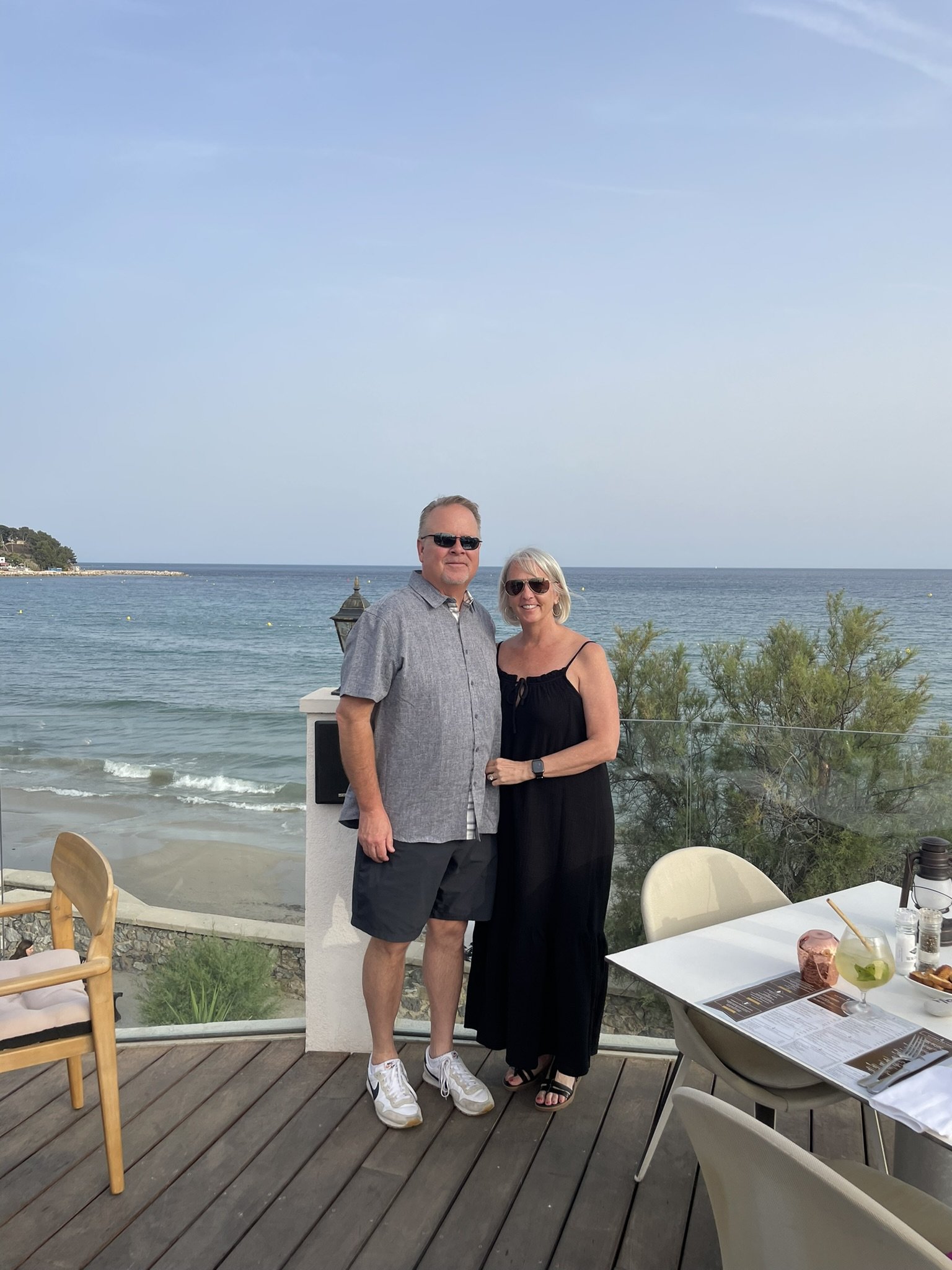
When in Provence, we based ourselves on the Luberon Plateau and on the Mediterranean Sea. This allowed us to see both the beautiful coastline and the lavender fields, which are the two primary things we went to see.
To cover this large space, we did do quite a bit of driving. But it wasn’t overwhelming. Driving ourselves meant we were in charge of our own schedule and we could cover a lot of territory and see much of what the area has to offer.
WHAT TO DO IN PROVENCE
When in Provence, I highly recommend:
Explore the charming villages
Stand in a lavender field and let it ignite your senses
Do some vineyard hopping and taste the local wine
Go open-air markets and buy local artisan products
Soak up the sun at a beach on the Mediterranean Sea
Eat, eat, eat! Enjoy the local cuisine
Read on to find highlights and suggestions for each of these experiences.
EXPLORE THE CHARMING VILLAGES OF PROVENCE
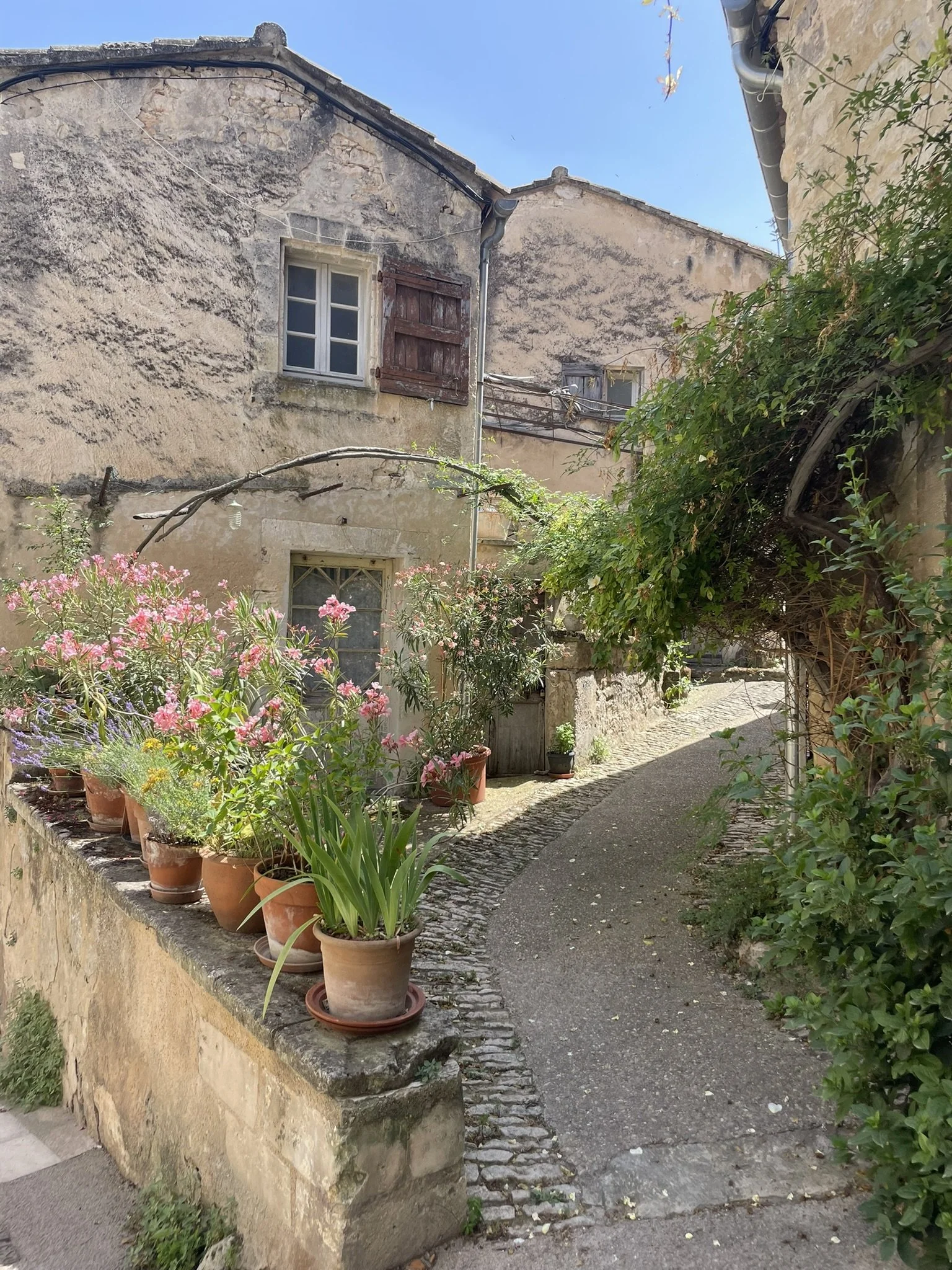
One of our favorite things in Provence was stopping and exploring many of the charming villages We’d spend time in each place, discovering the vibe and checking out all that each had to offer. I highly recommend getting lost in the back streets away from the crowds and tourist shops! Each village has its own feel and distinct personality.
I’ve highlighted some of the villages we visited below.
Gordes
Gordes is one of the Luberon’s most beautiful and photographed villages. Set atop a hill with breathtaking views of the valley below, it’s a must-visit Provençal village. You can wander the narrow cobblestone streets up to the Renaissance Castle, enjoy the Tuesday market, have coffee while enjoying the beautiful valley views, and visit nearby Abbaye Notre-Dame de Senanque (12th century monastery surrounded by lavender fields).
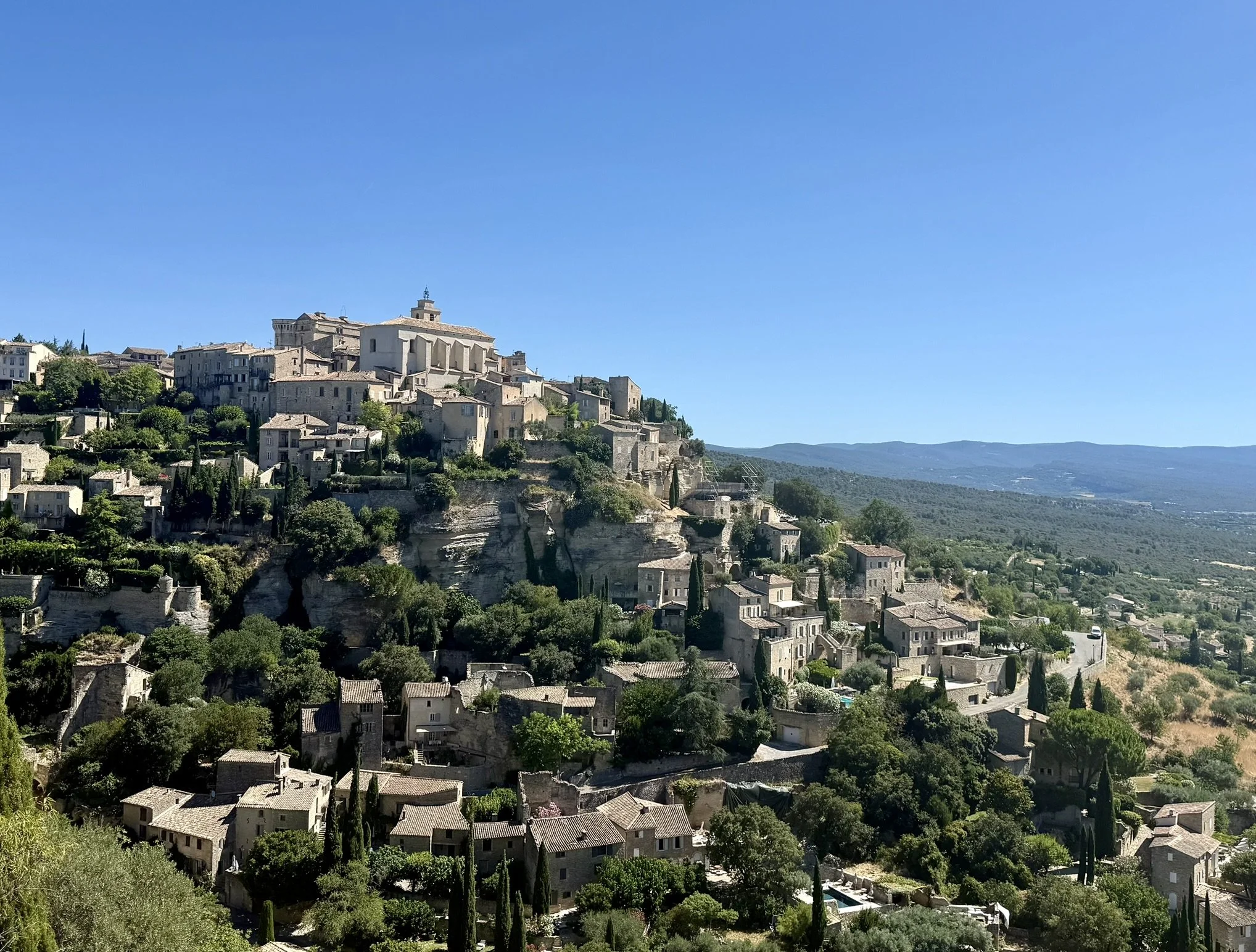
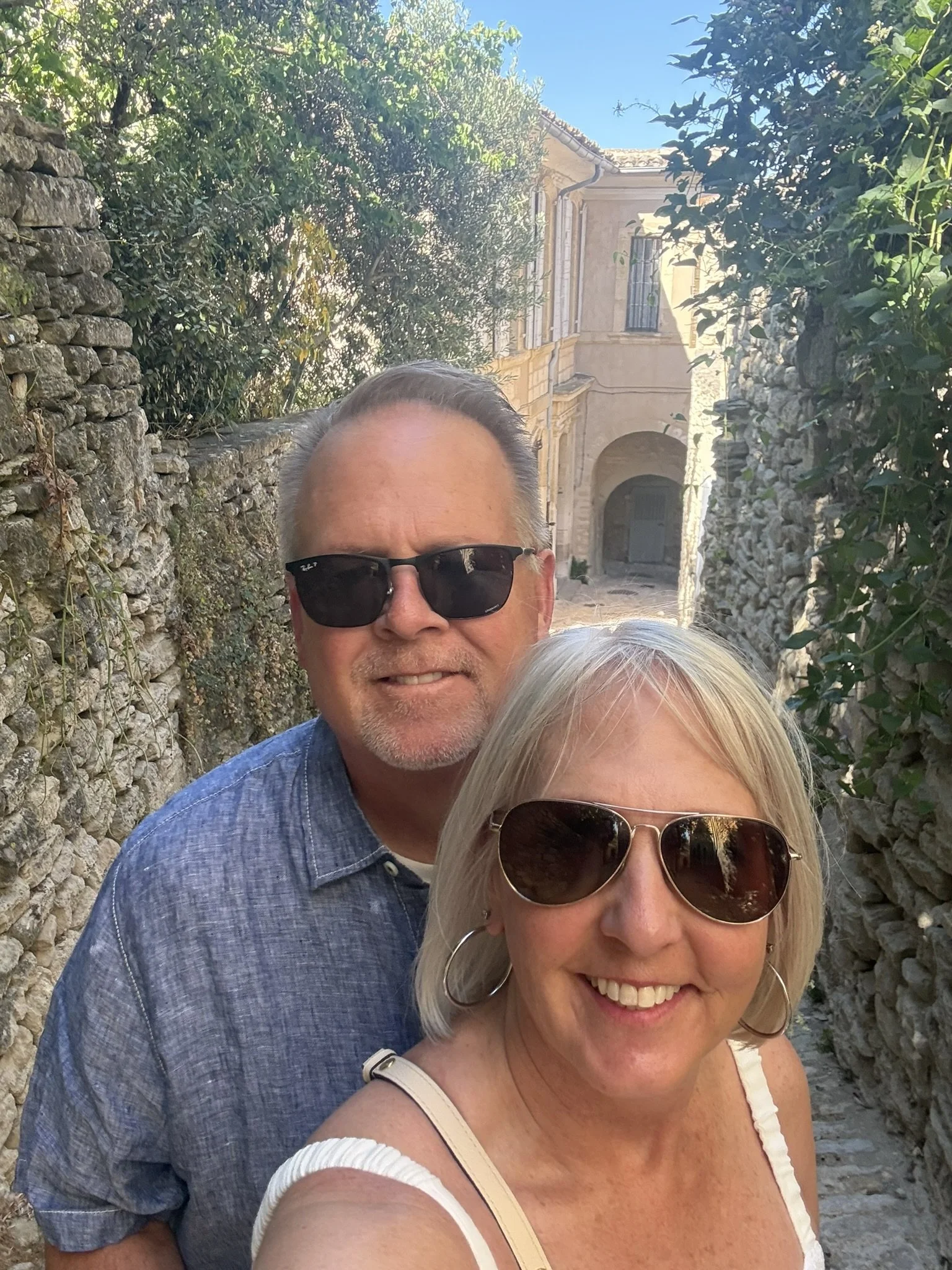
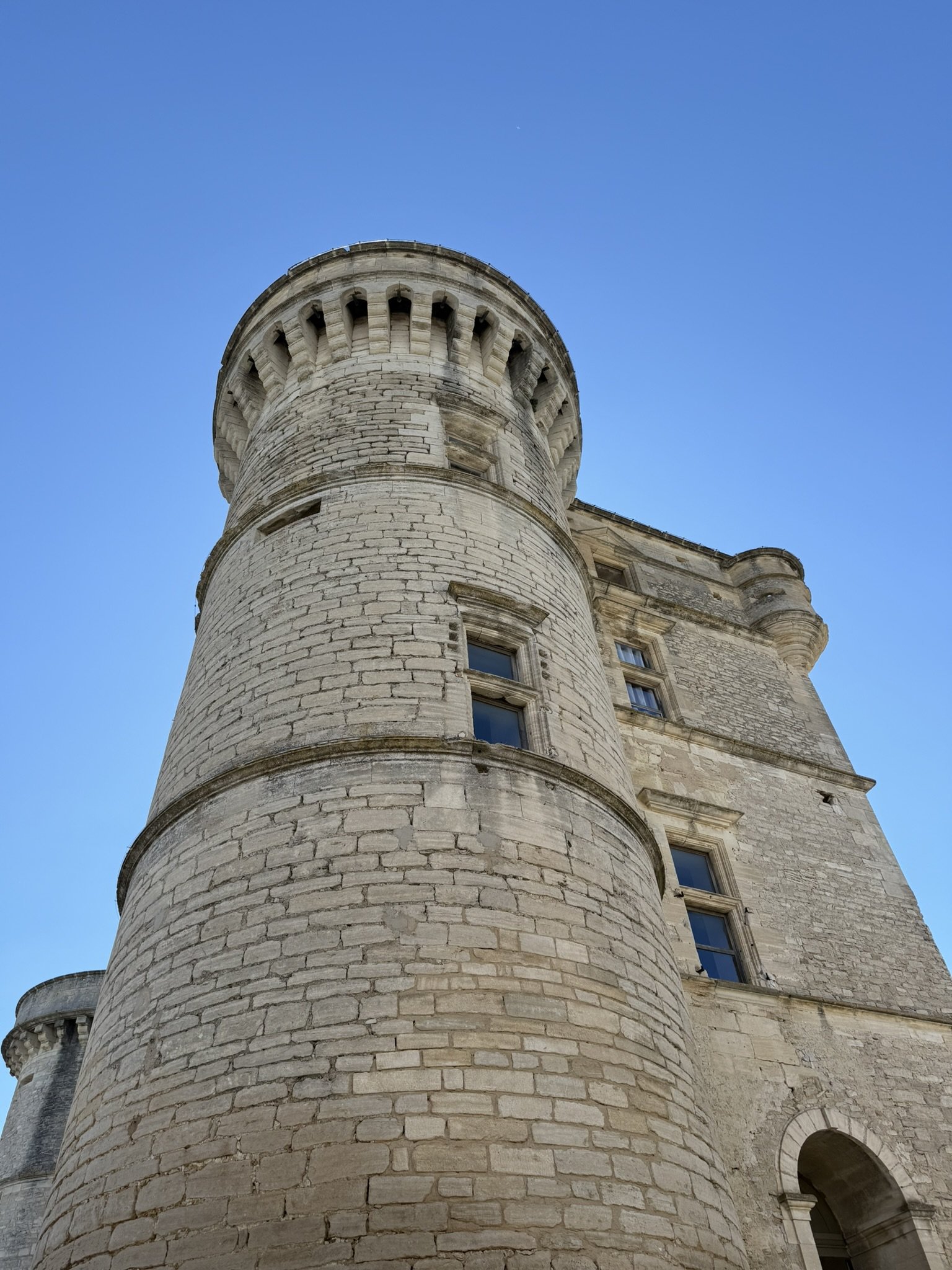
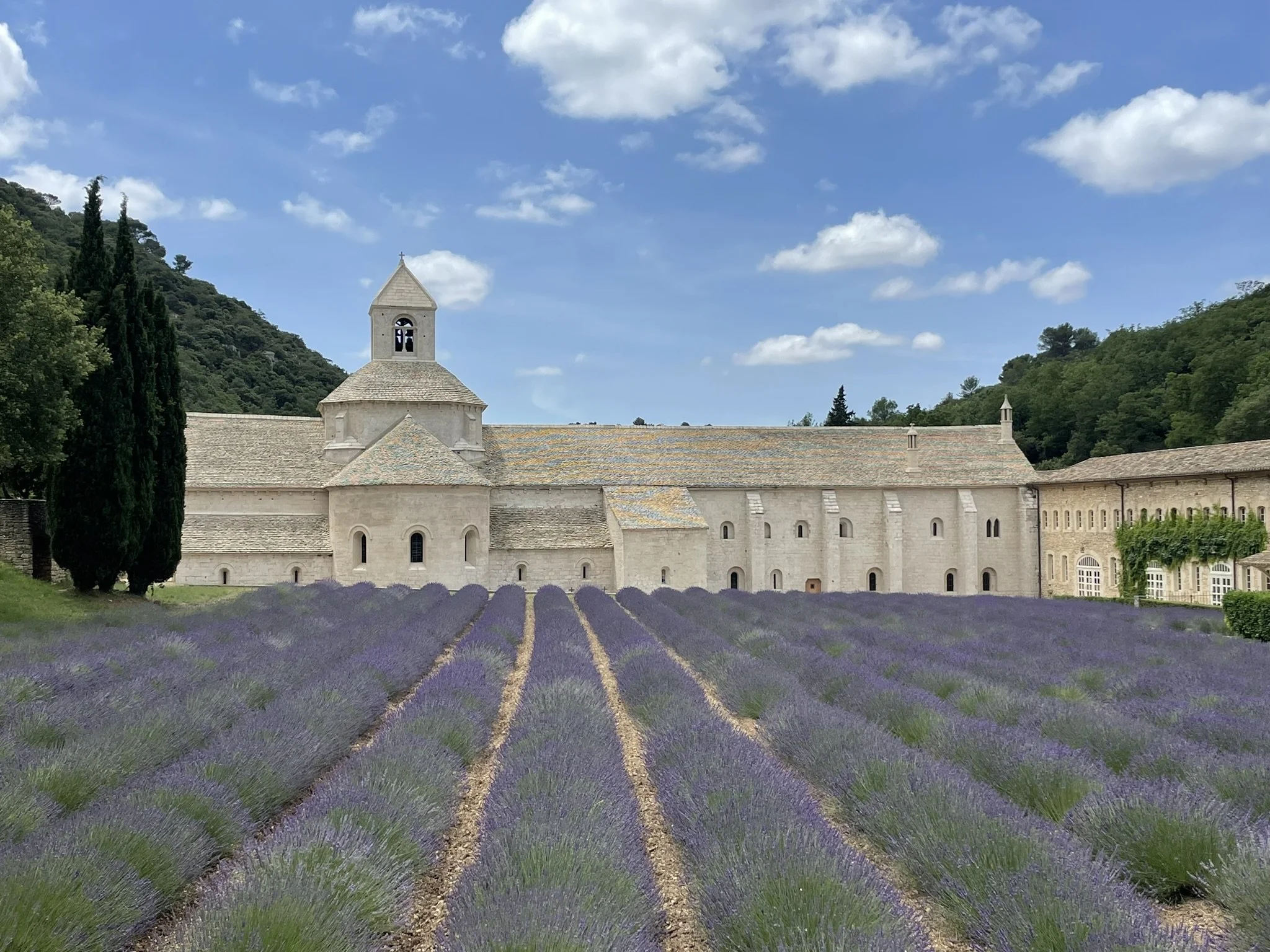
Because it’s on everyone’s must-visit list, Gordes can get very crowded. The first time we went to Gordes, we couldn’t even find a parking space. I suggest going early to beat the crowds!
Roussillon
Roussillon is another must-visit hilltop village, famous for its fiery-red ochre cliffs and trails. You can stroll its narrow, winding streets with buildings in every shade of orange, pink and yellow, explore art galleries, visit the minor remains of Roussillon Castle, hike the ochre trails (Sentier des Ochres), and take in views of the valley below.
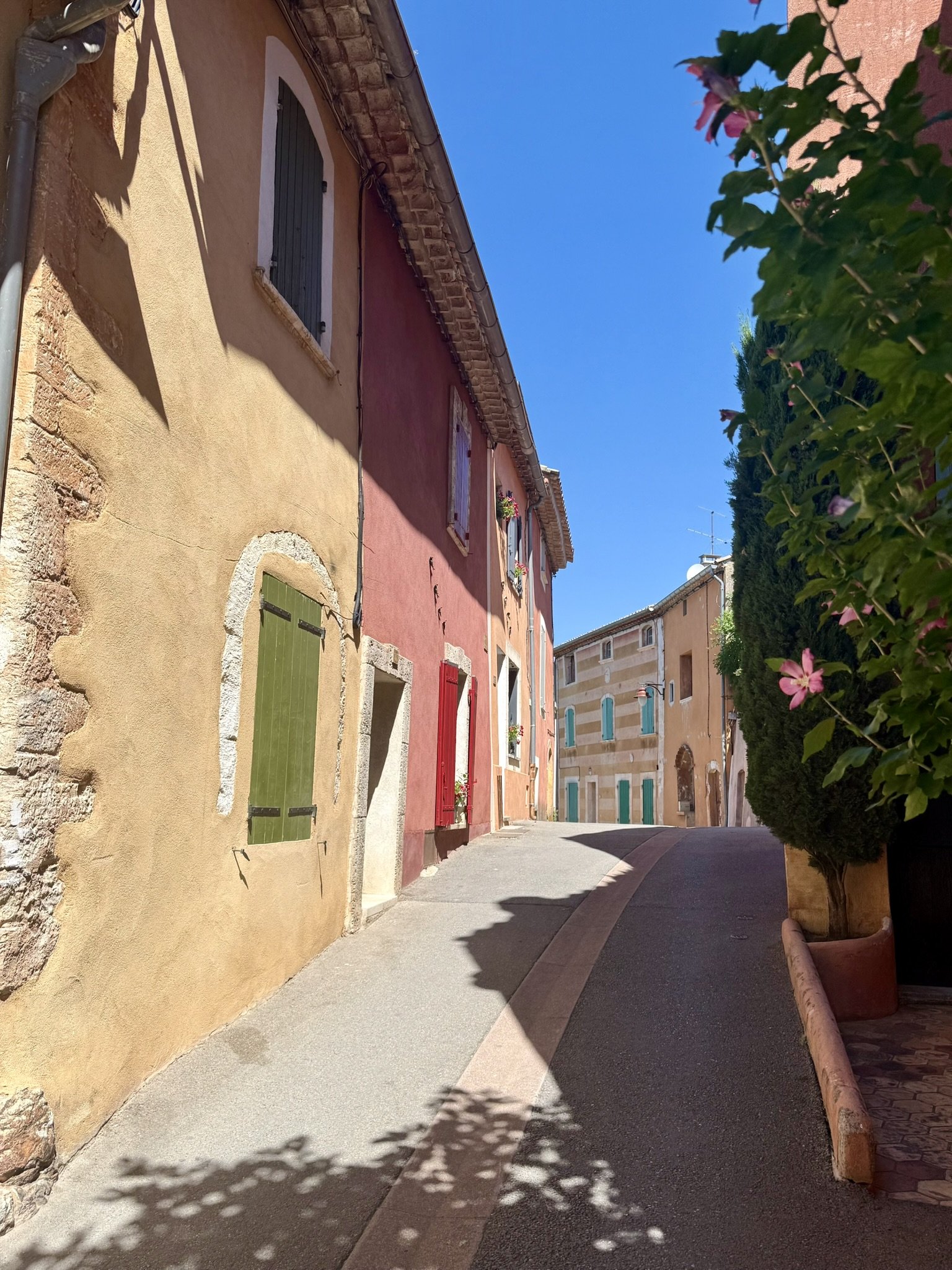
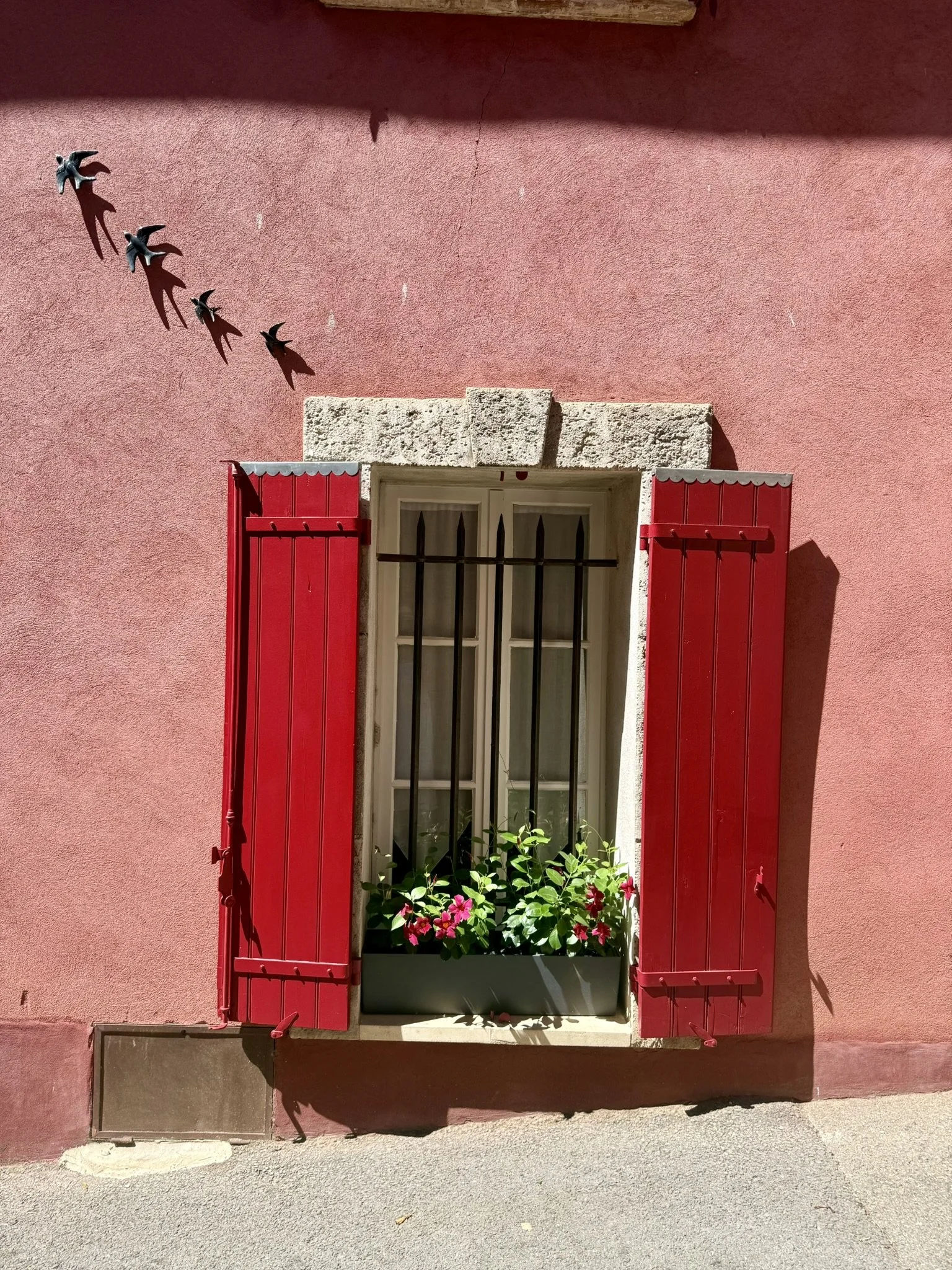
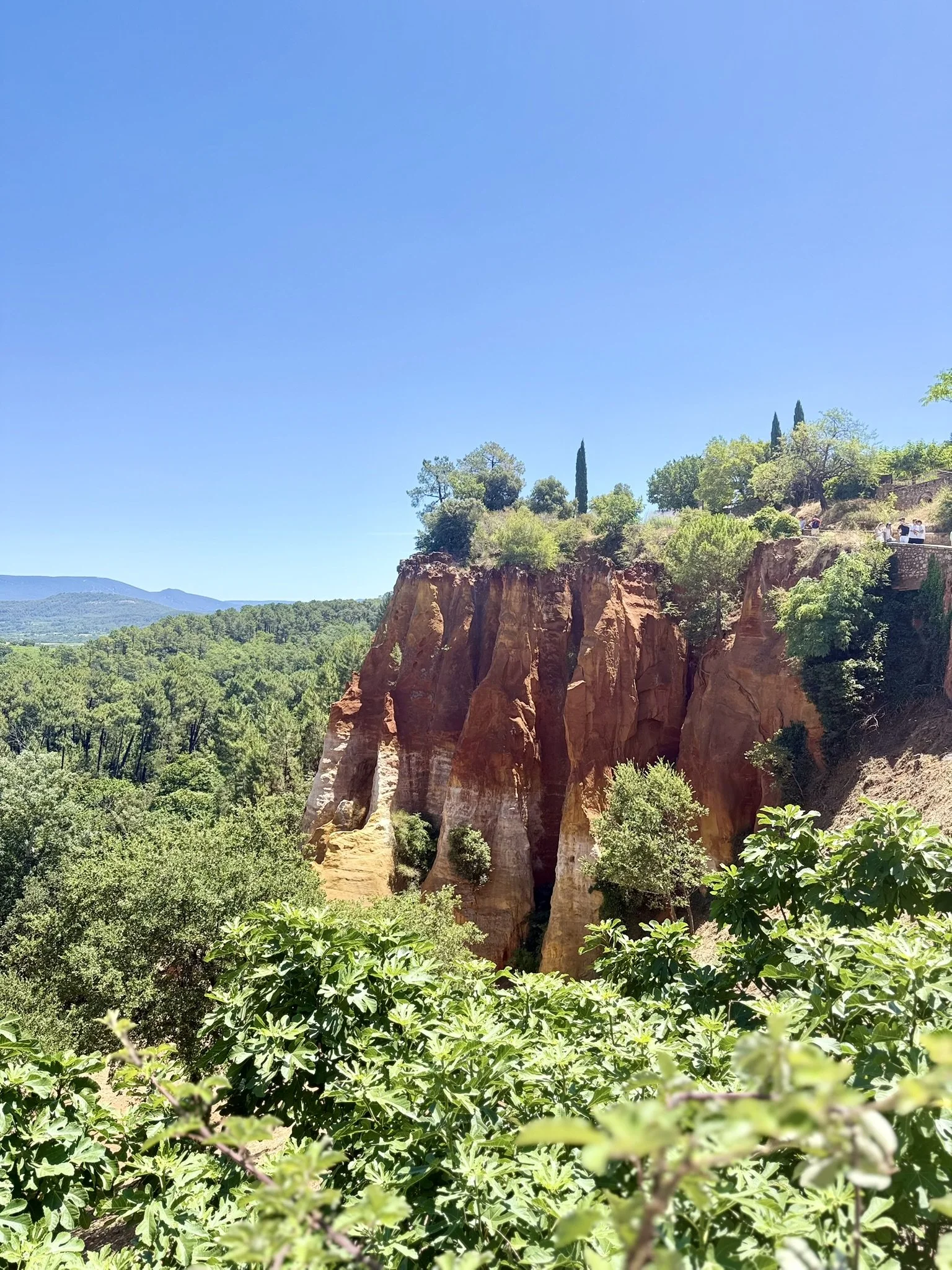
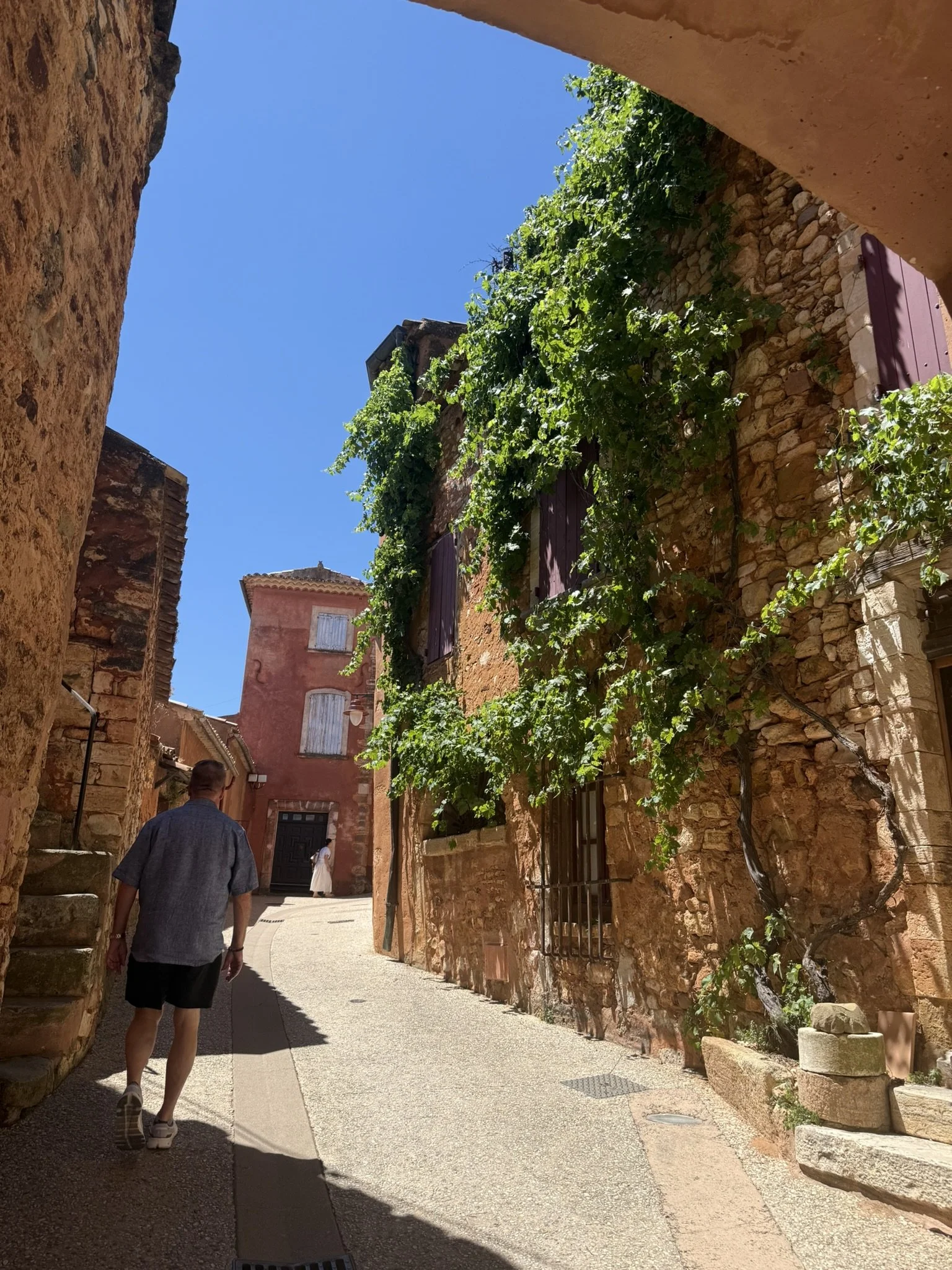
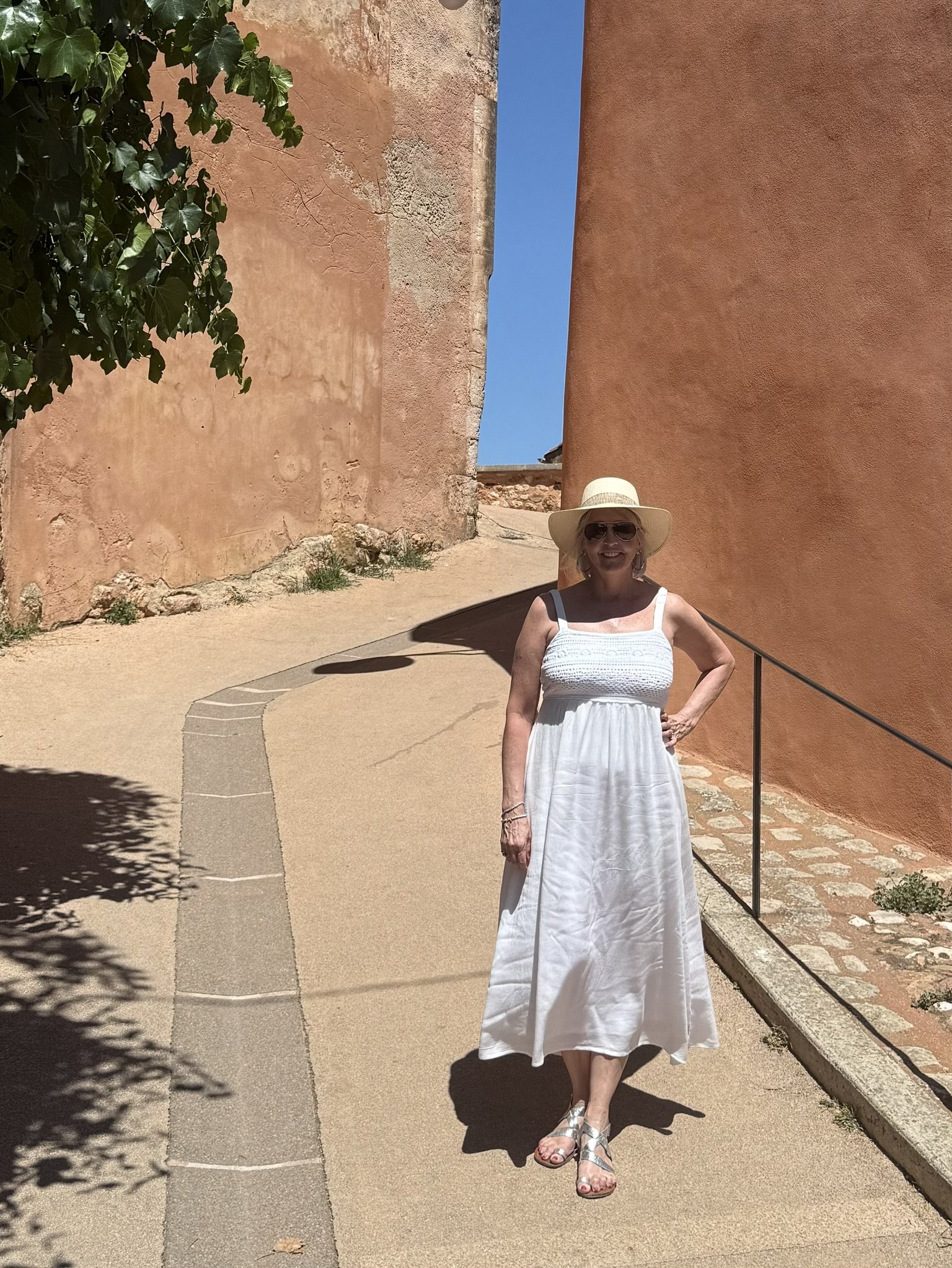
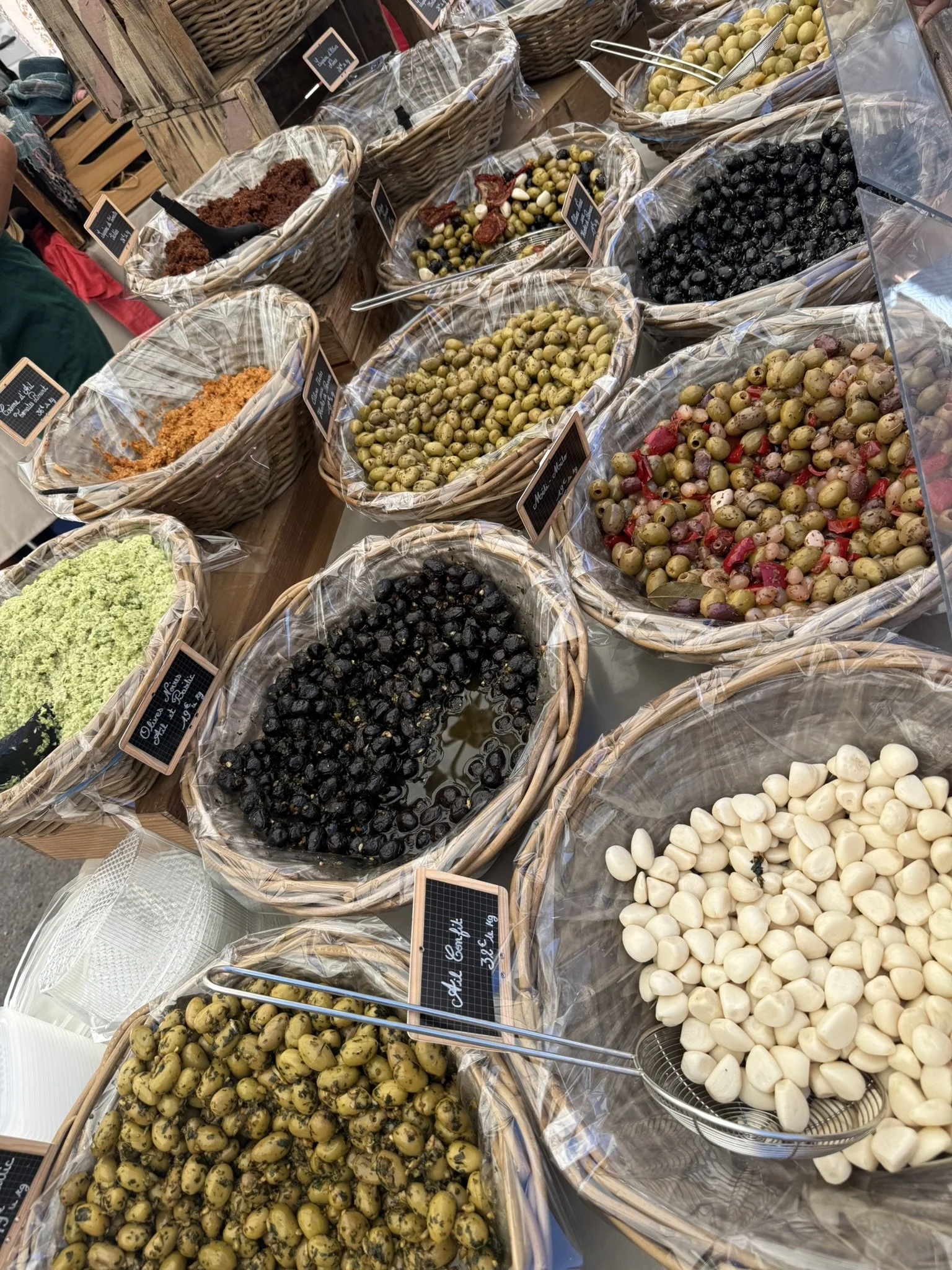
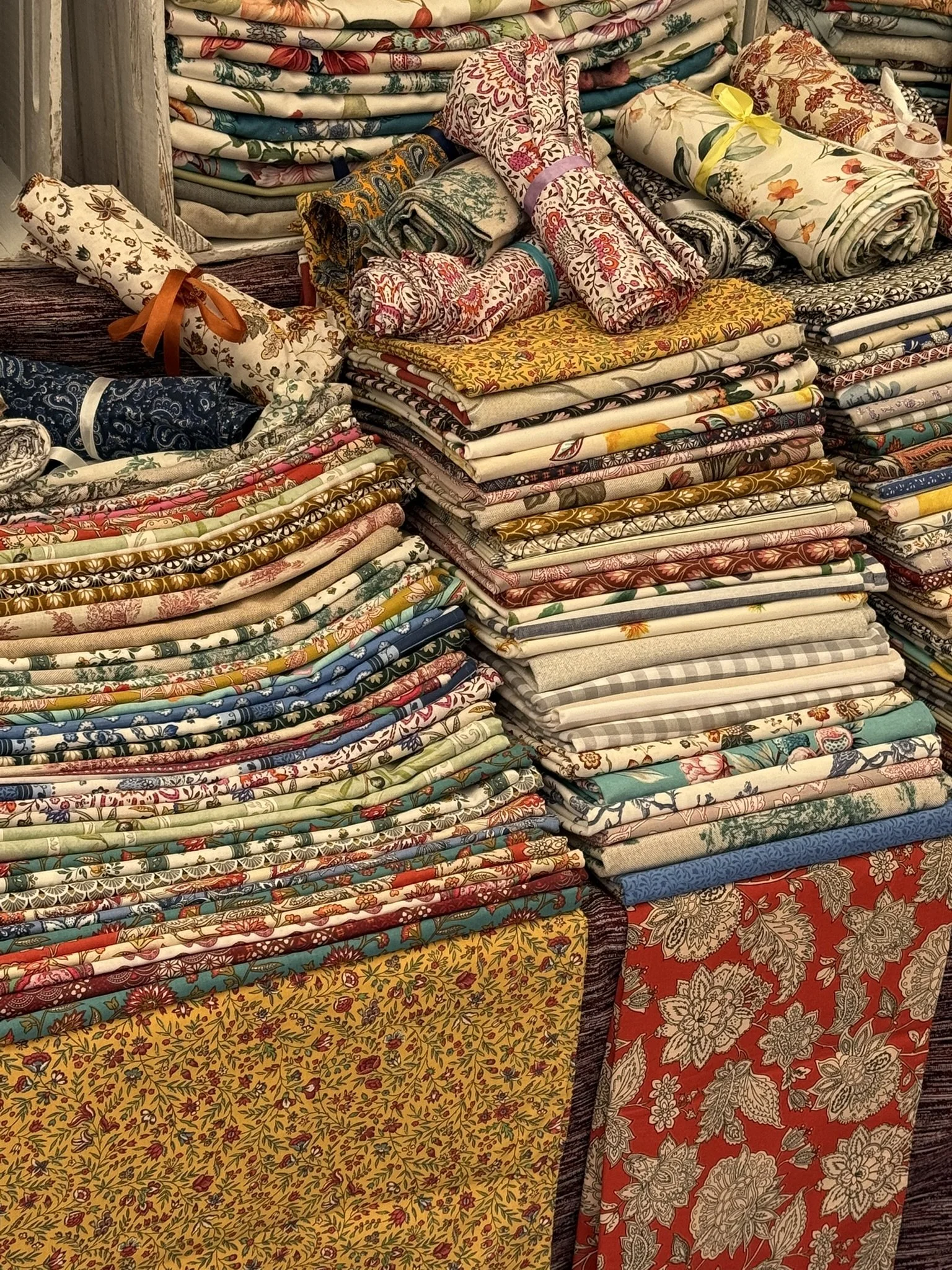
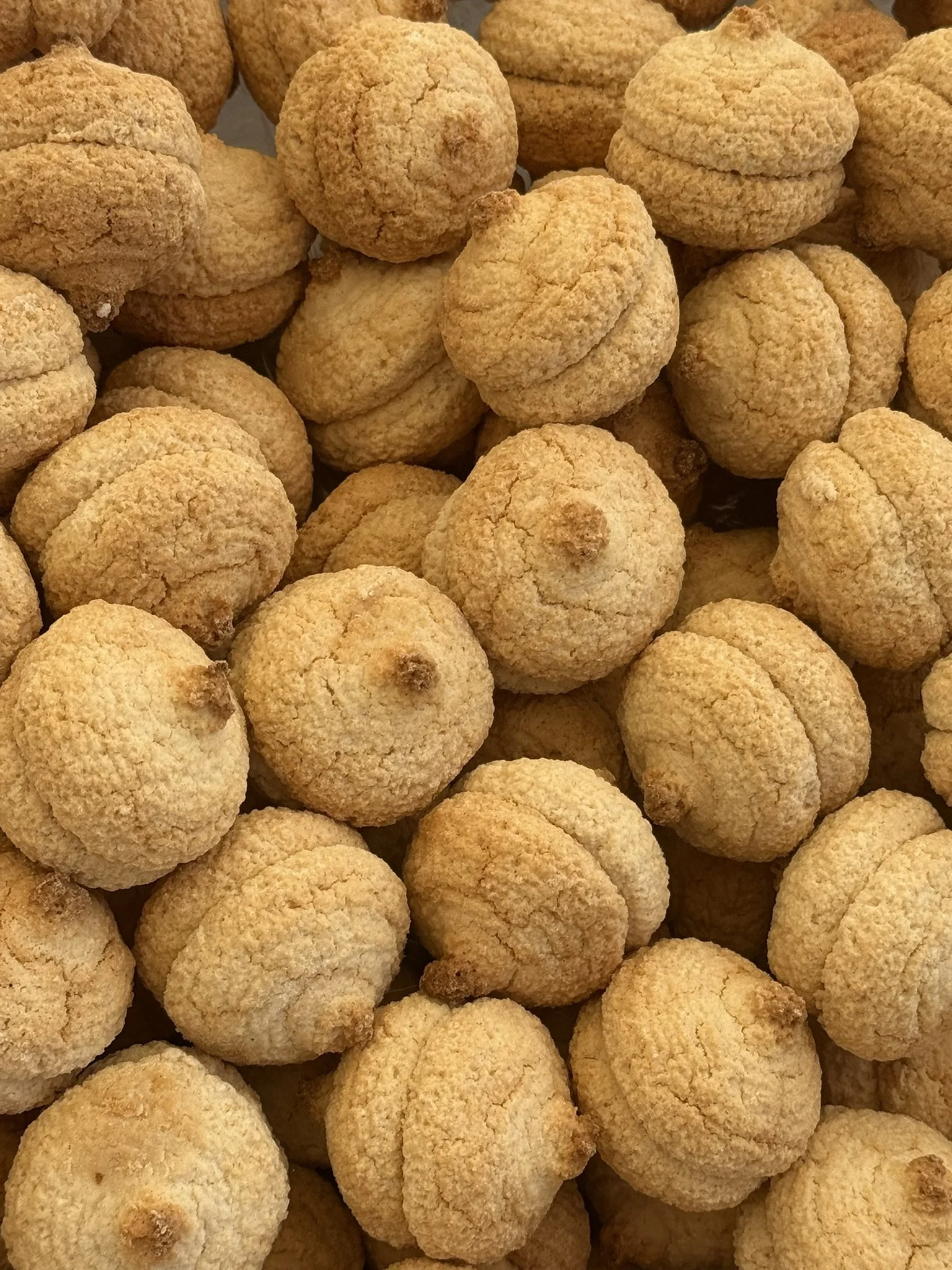
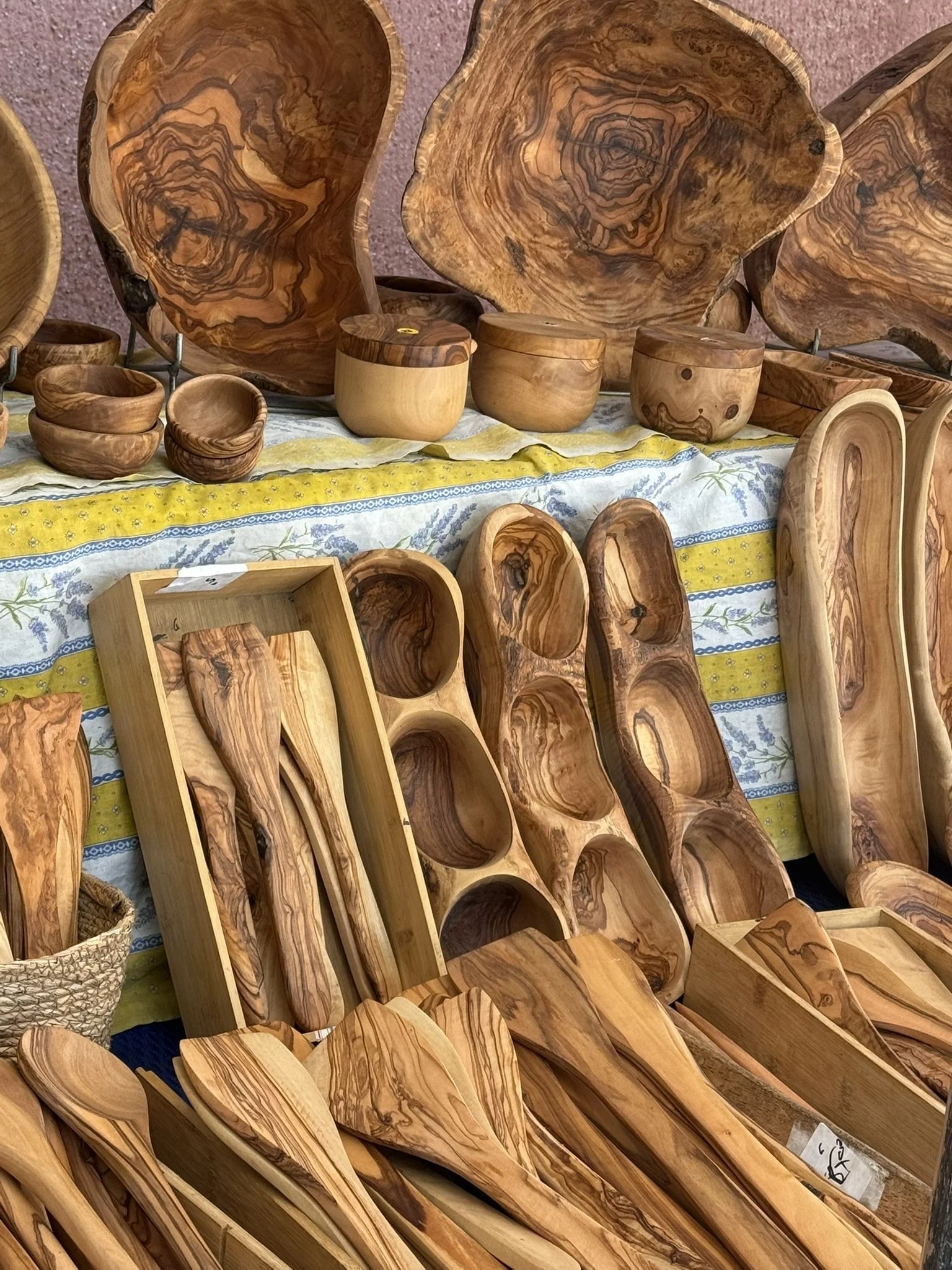
We really enjoyed the market in Roussillon!
Lourmarin
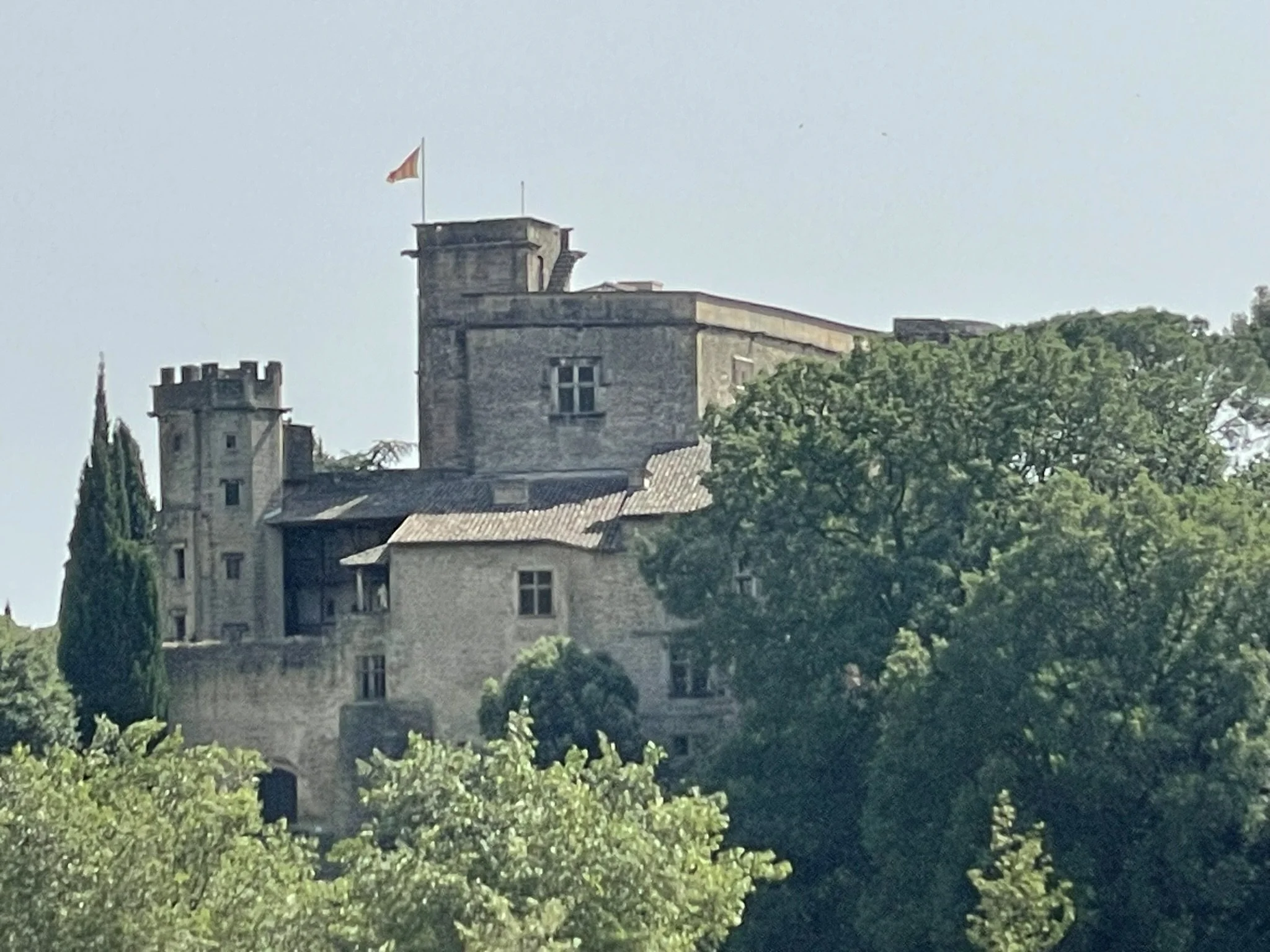
Lourmarin is located at the foot of the mountain and has a deep literary and creative history. It offers an old town with craft, linen, and art galleries - so great places to wander. And it’s worth a visit to the Chateau de Lourmarin, a beautifully preserved 15th-century fortress which was the first Renaissance castle in Provence.
Bonnieux
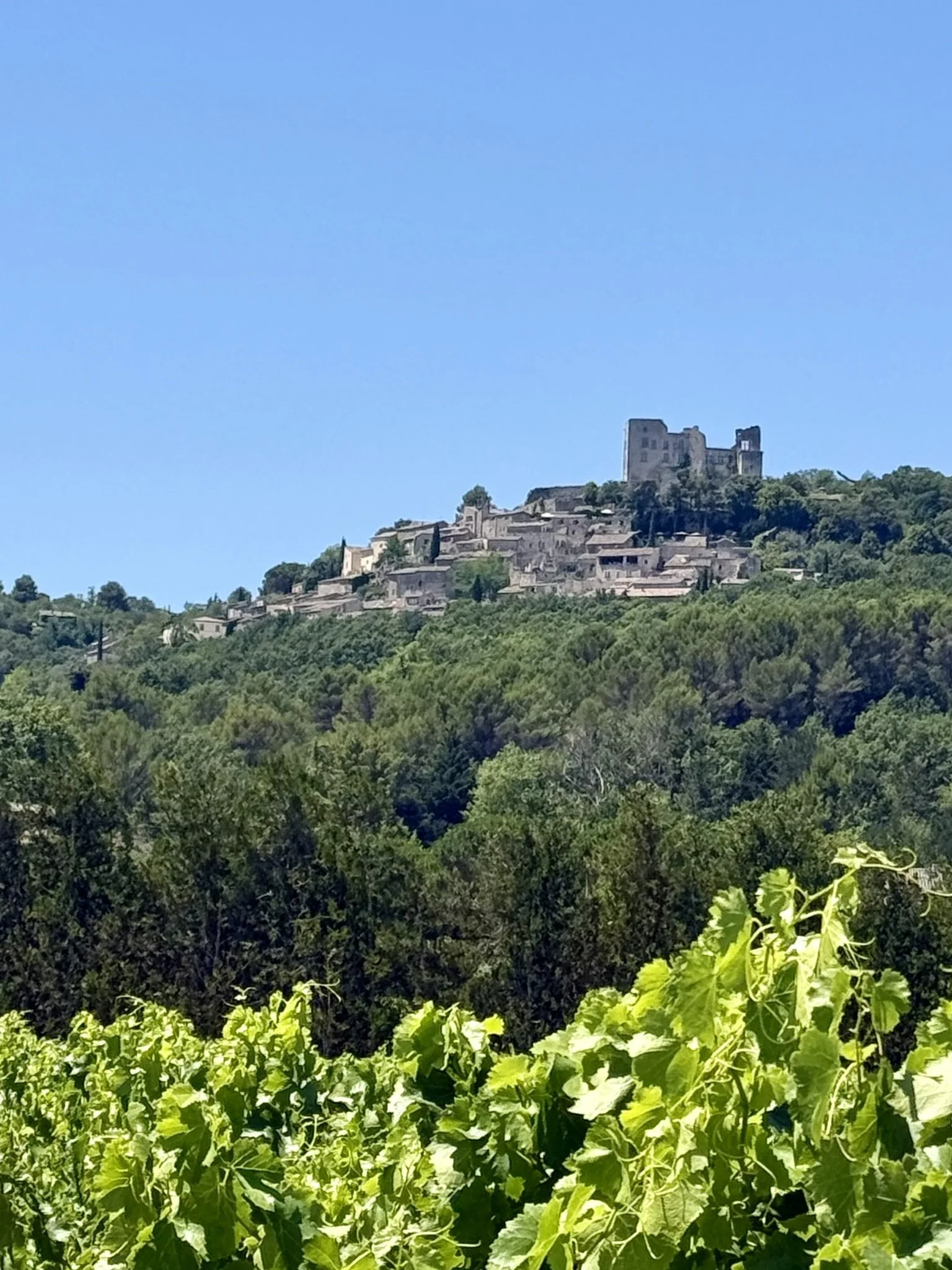
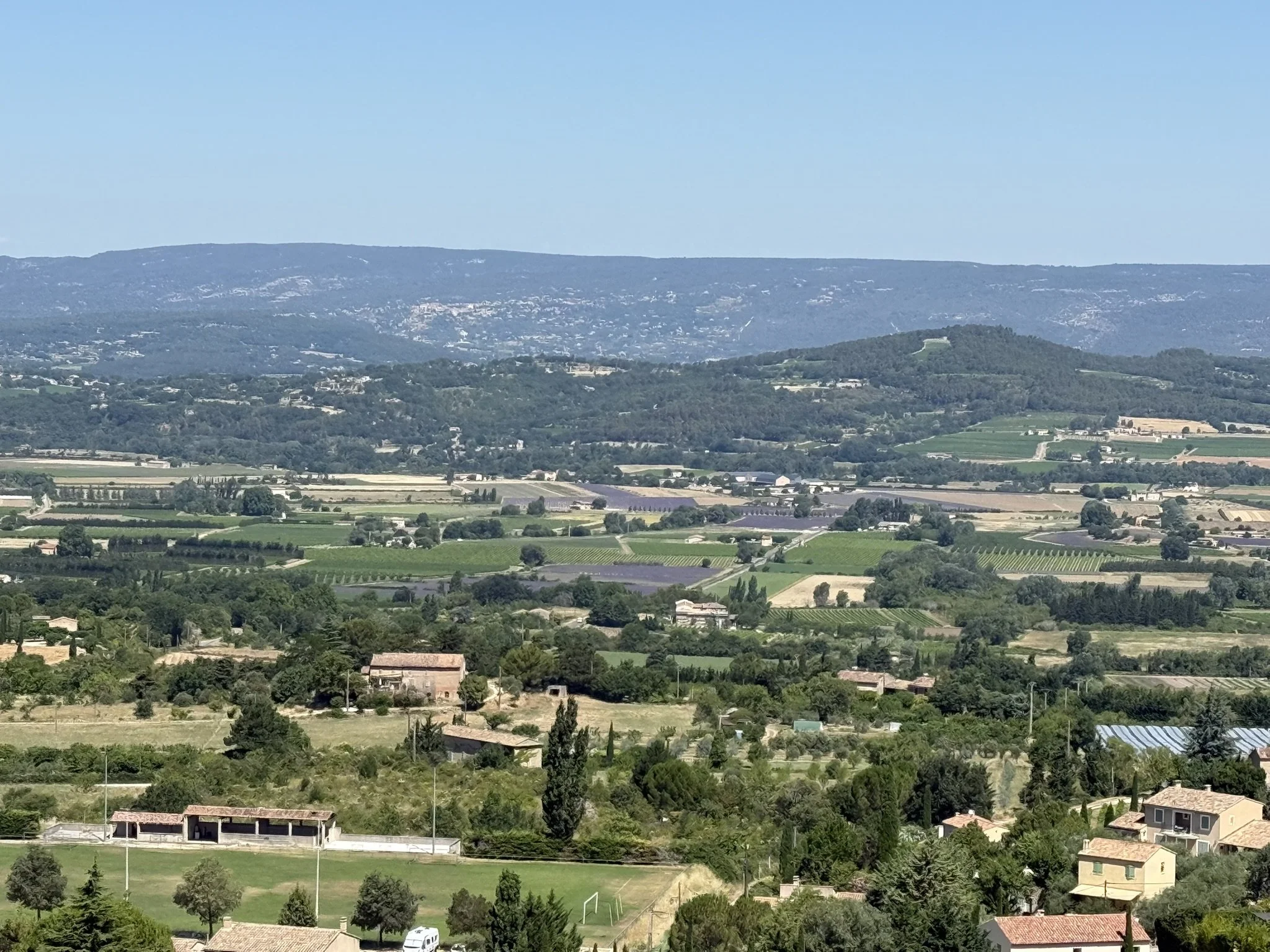
Bonnieux is another breathtaking hilltop village in the Luberon known for its 16th-century architecture, vibrant Friday markets, and endless panoramic views of Mont Ventoux and the valley below. You can visit the 12th-century Old Church, wander the winding streets, and dine at charming terrace restaurants.
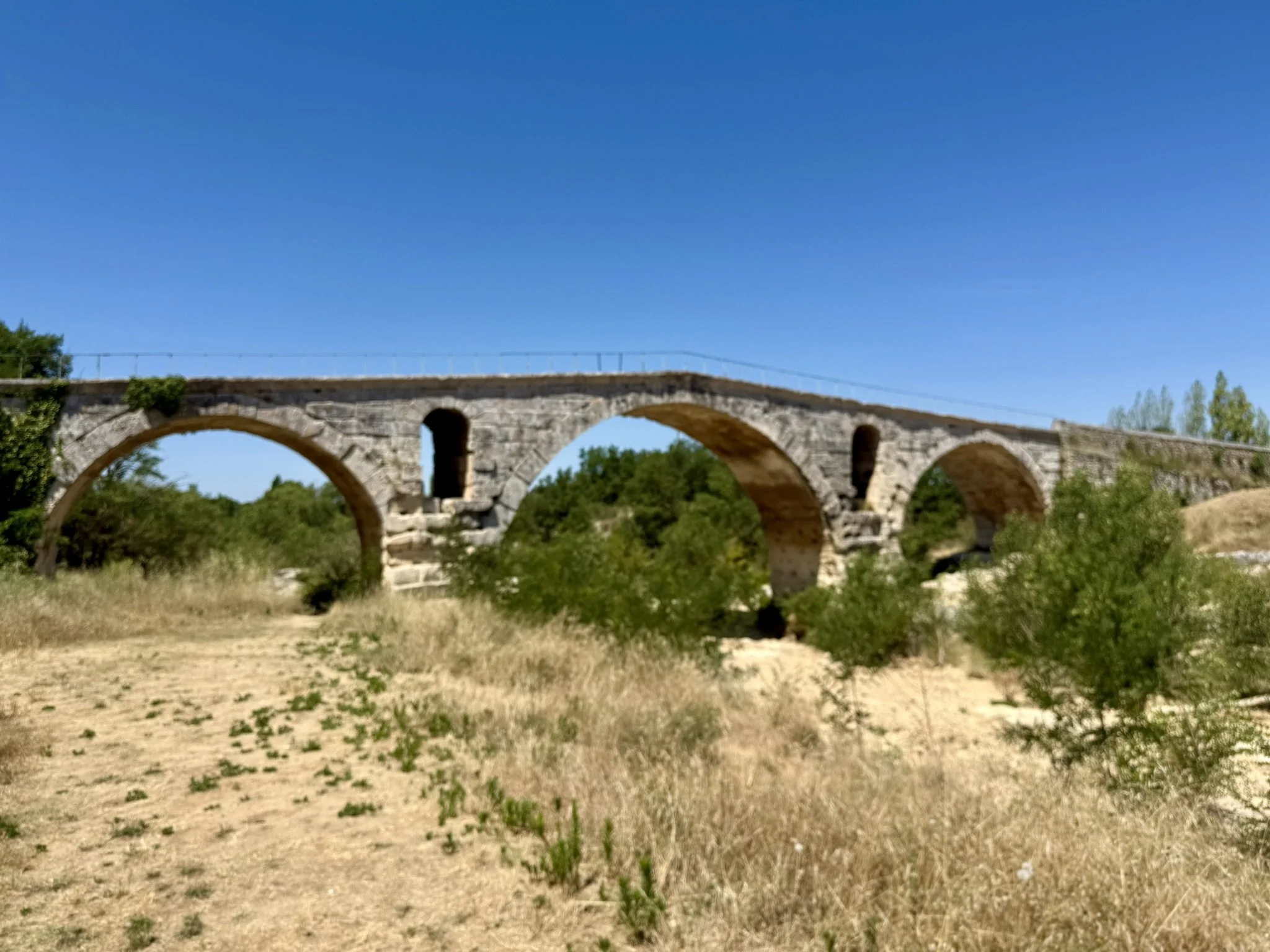
Not far from town is Le Pont Julien, a Roman stone arch bridge over the Calavon River dating back to 3 BC. It’s worth a stop!
Valensole
Valensole is another quintessential Provençal village known for the vast, vibrant lavender fields on the surrounding plateau. Perched on a hill overlooking the Alps, it offers 300 days of sunshine and lots of medieval charm.
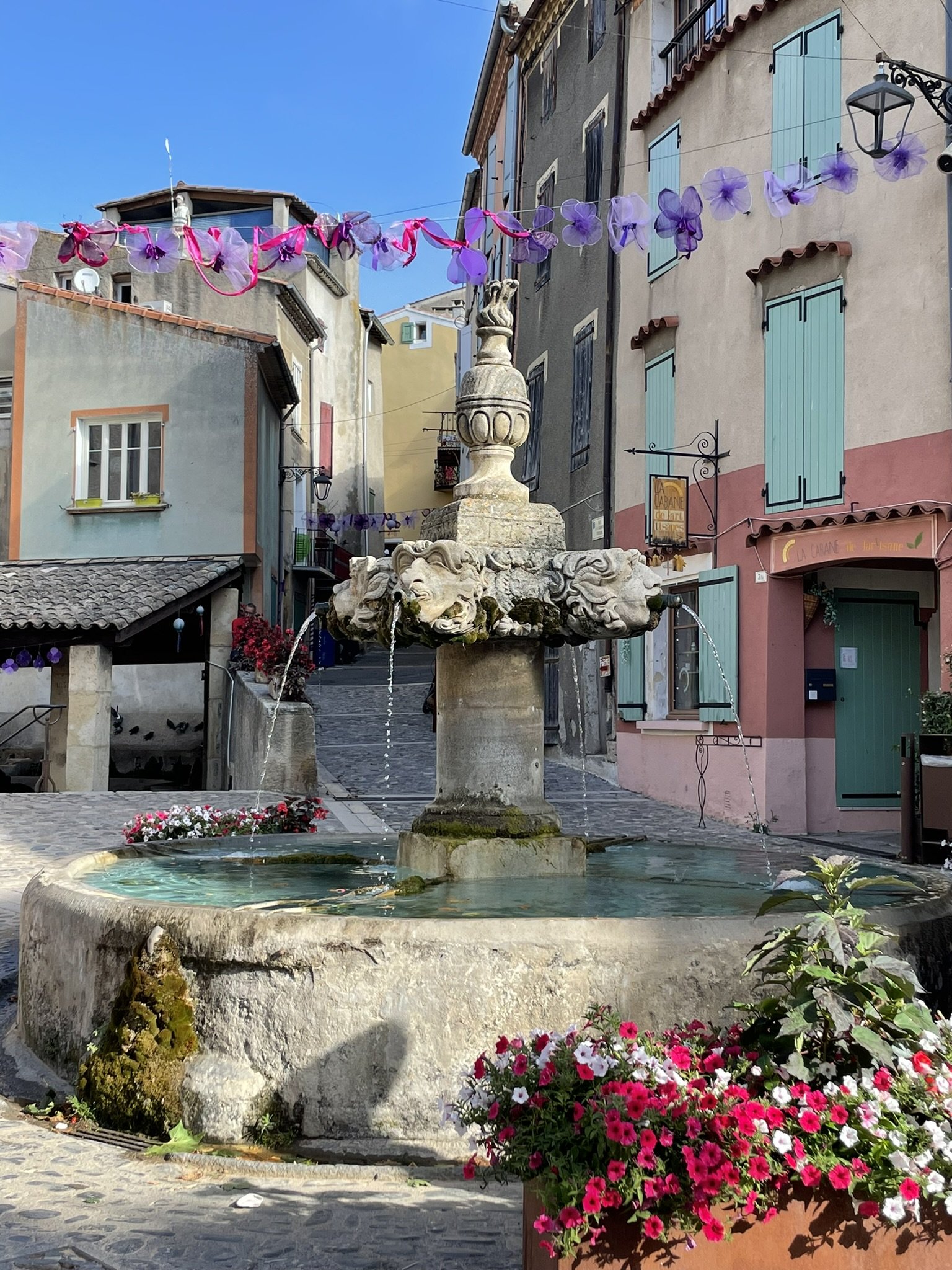
It sits in the heart of the Plateau de Valensole, the largest lavender-growing region in France, and features tiered streets, 11th-century architecture and quaint squares perfect for enjoying a spritz or local wine of your choice.
Valensole is also the gateway to the Verdon Canyon, which we’ve never been to but is supposed to be beautiful so we have it on our list of places to go.
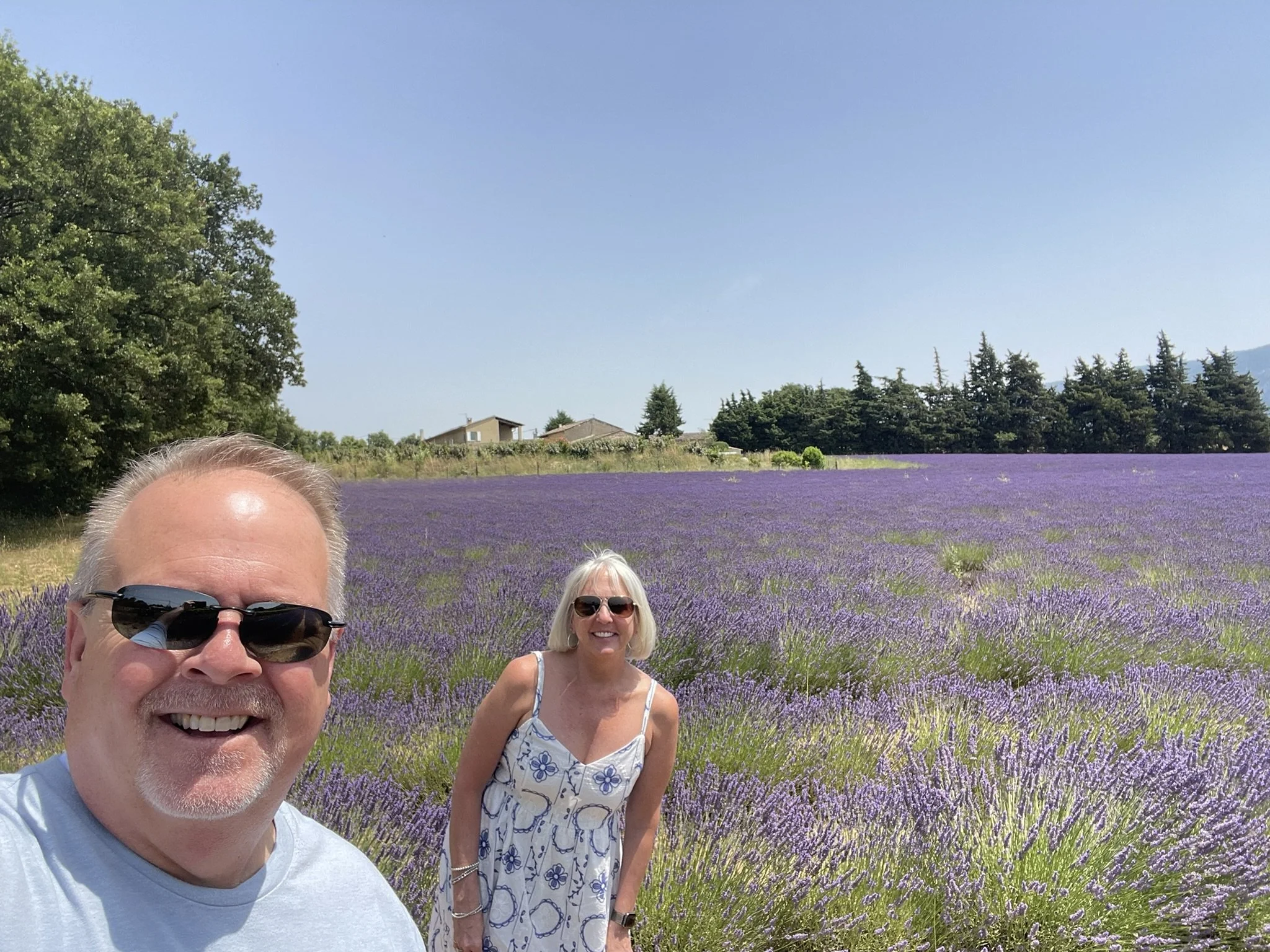
If you visit during the third or fourth week of July, you can experience the village’s Lavender Festival (Fete de la Lavande) with dancing, music, craft markets, and (of course) all things lavender.
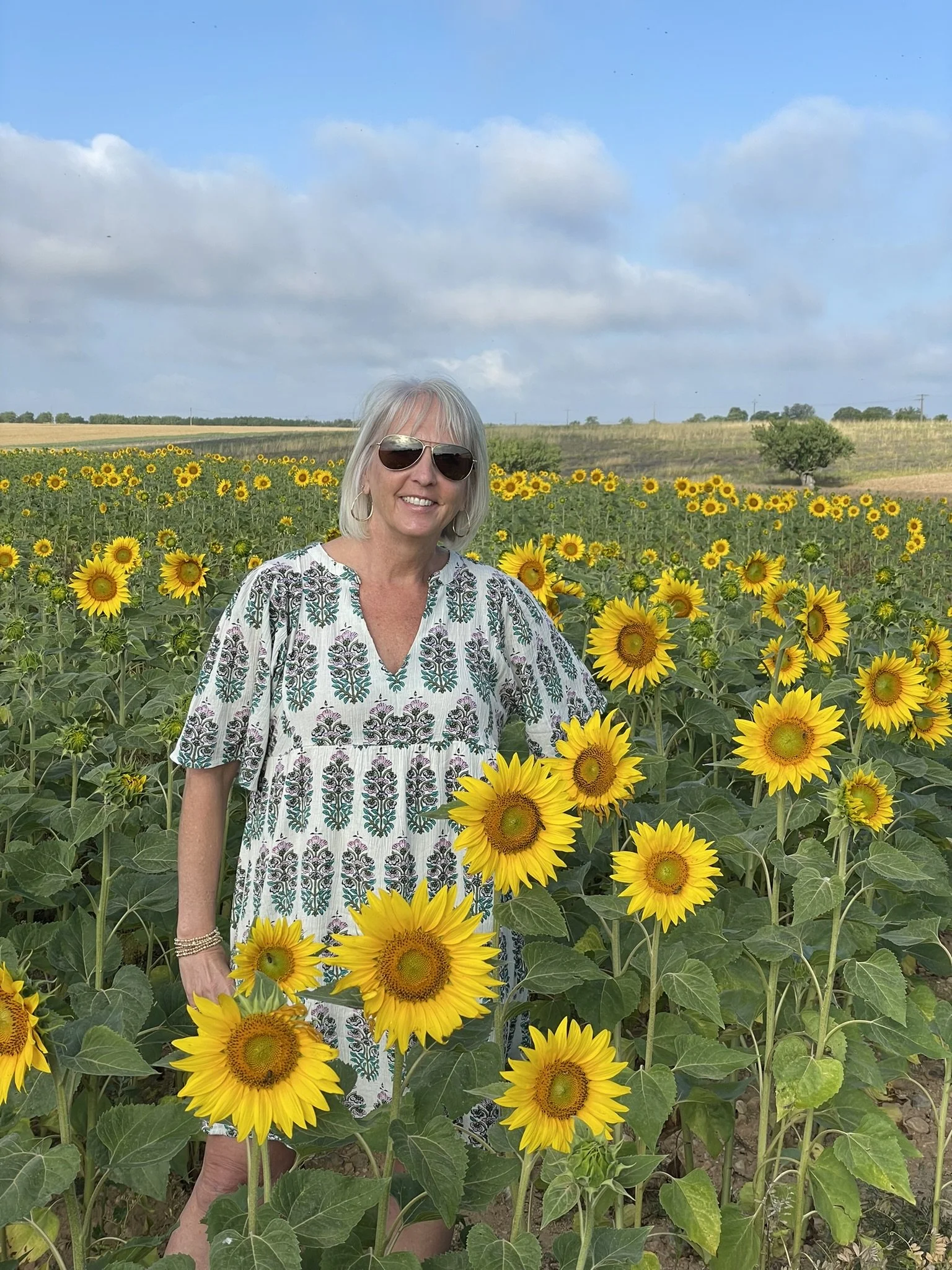
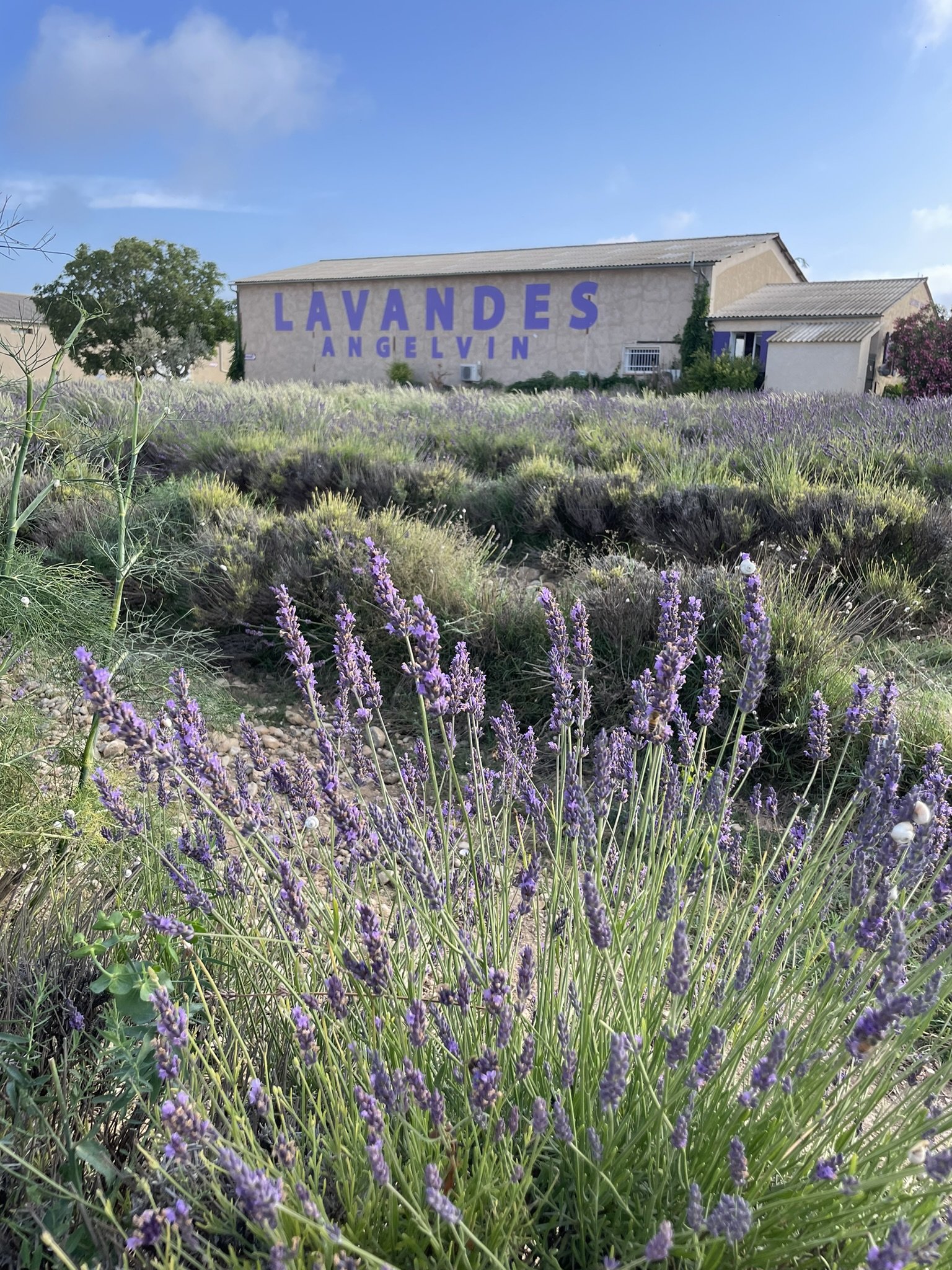
Not far from Valensole is the very popular Lavandes Angelvin, a family-owned lavender farm, with its fields of lavender and sunflowers and a boutique offering pure essential oils, regional lavender honey, and lavender cosmetics.
Saignon
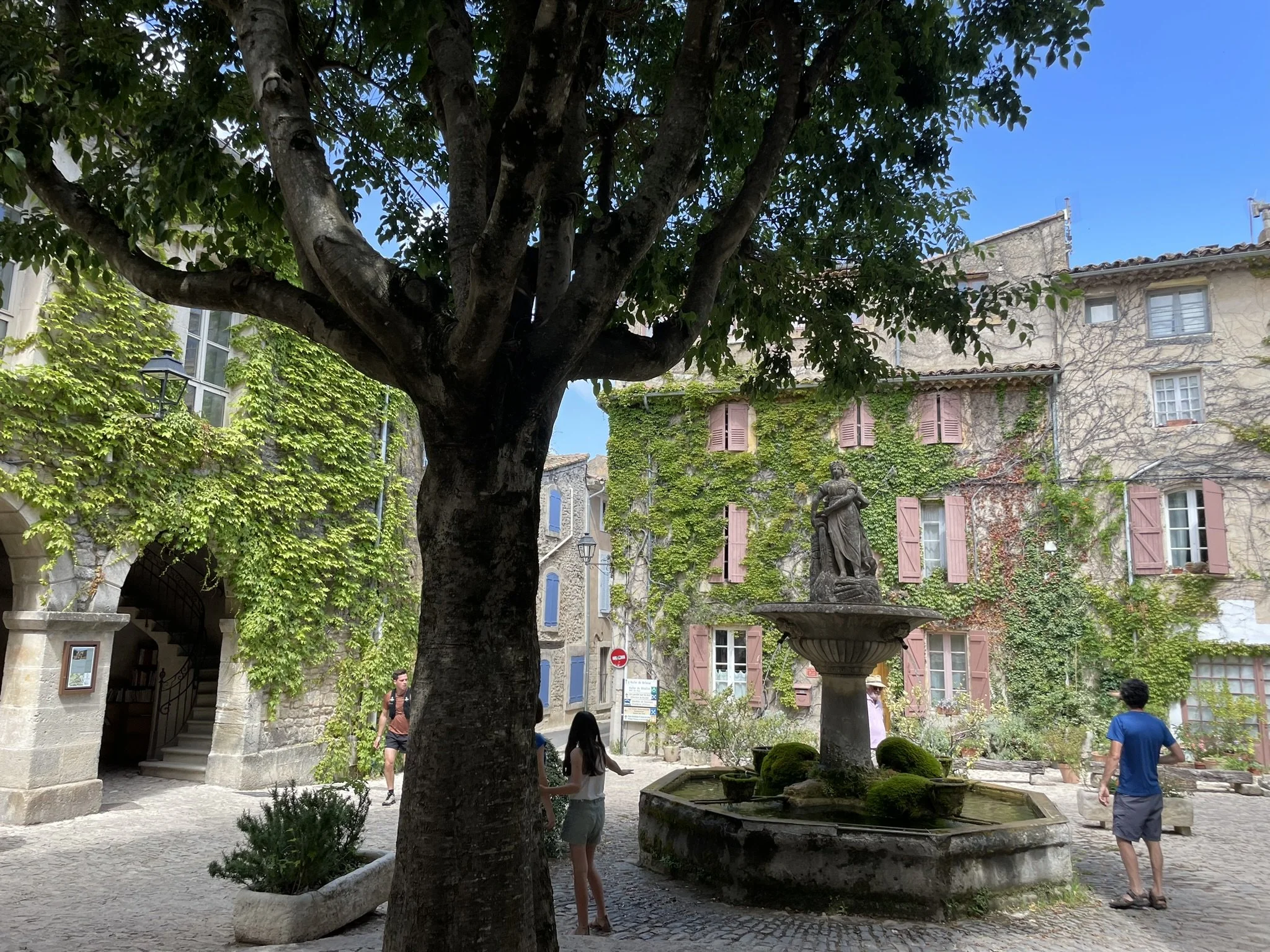
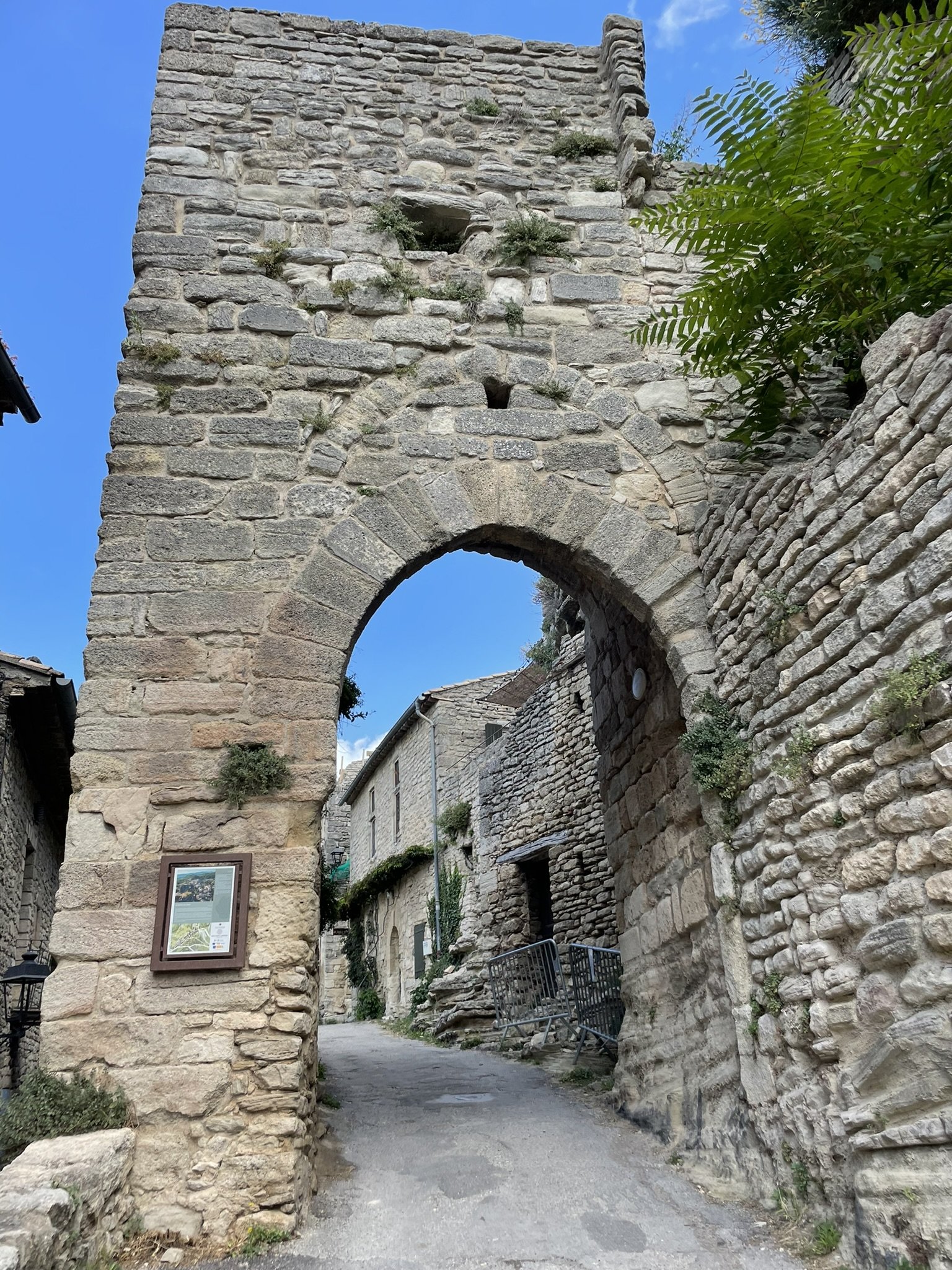
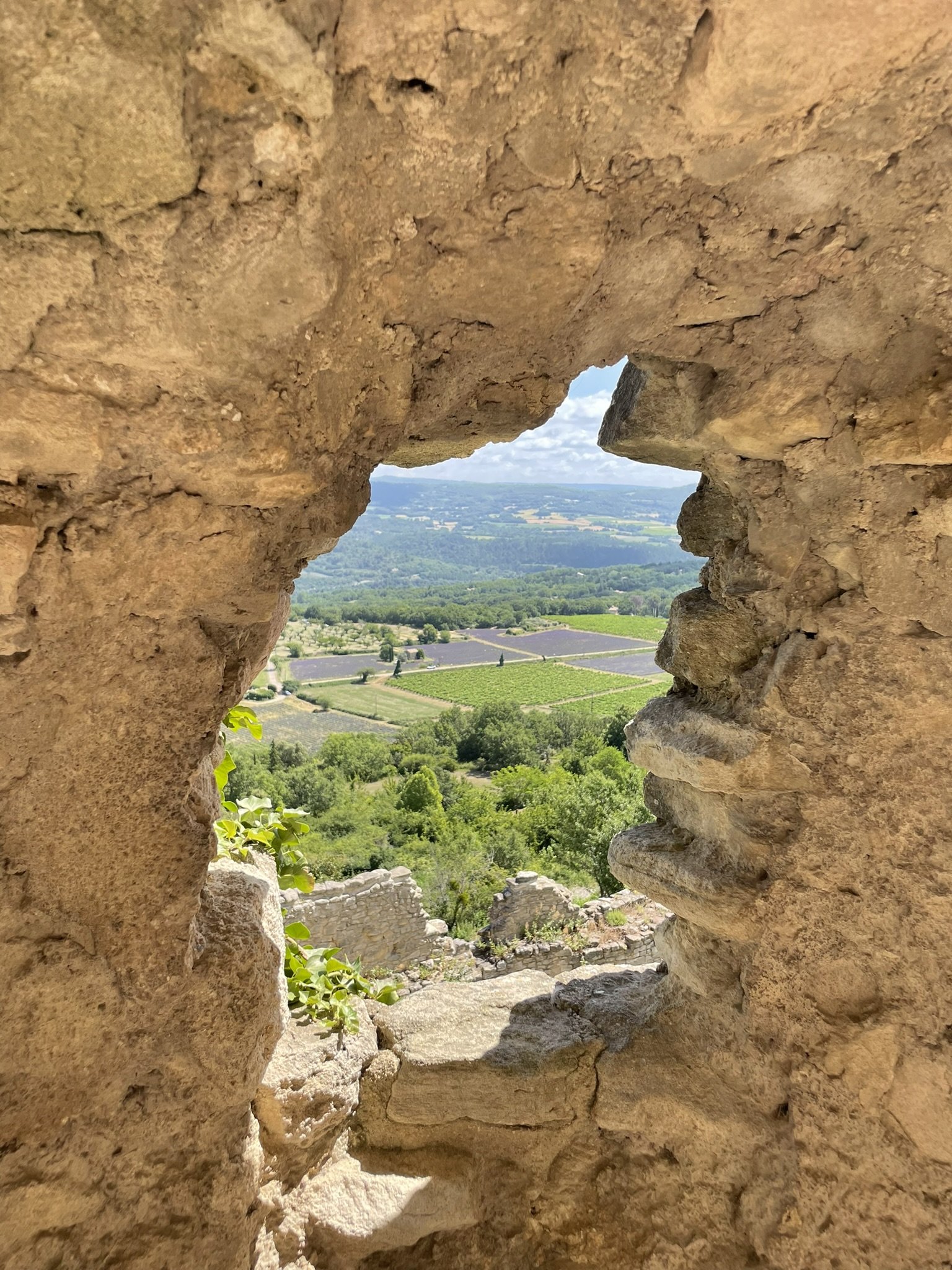
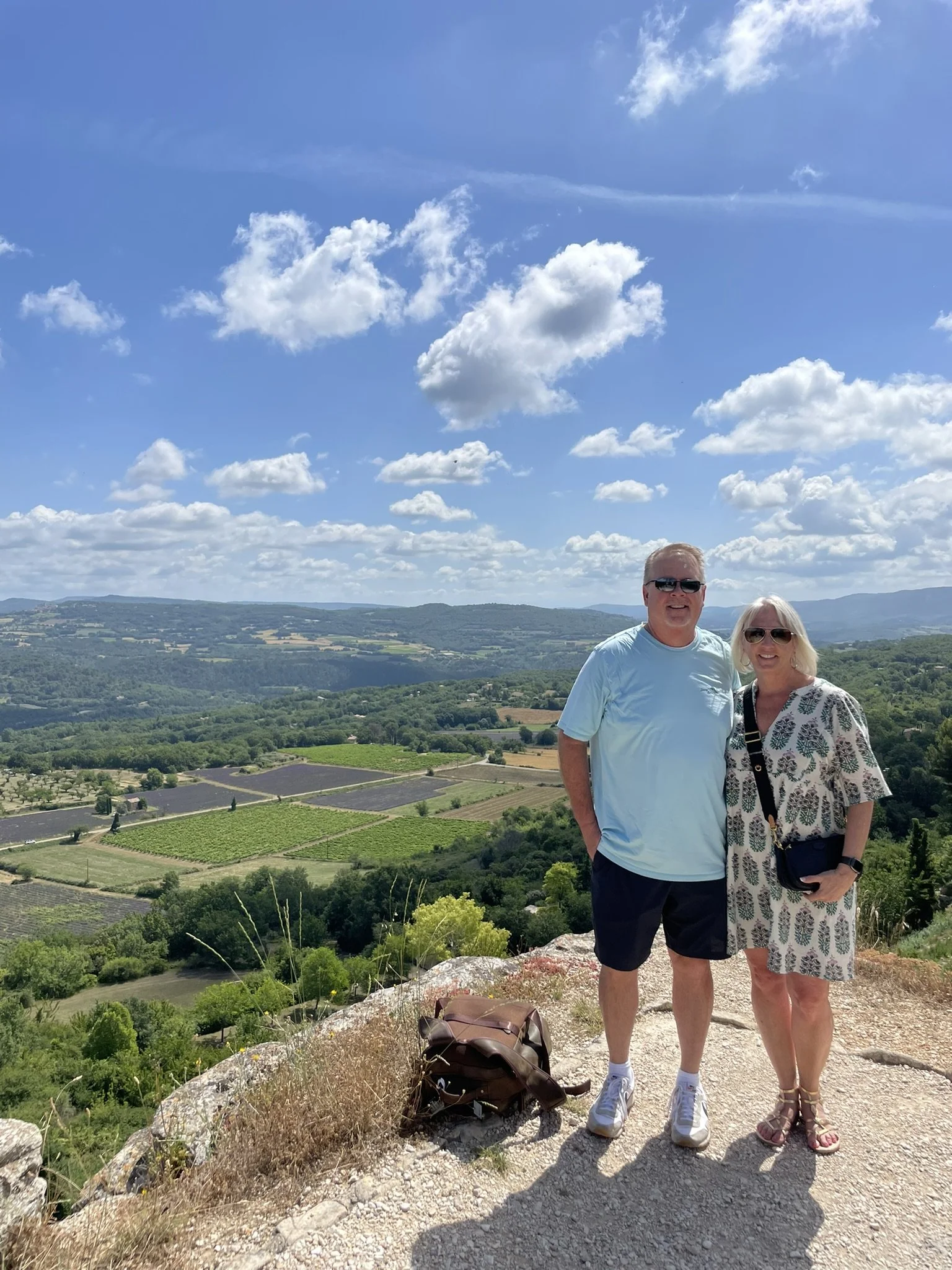
Saignon is another hilltop village with views upon views upon views! You can wander through the remains of the old city ramparts and visit the 12th-century Notre-Dame de Pitie church. At the top of the hill is Le Rocher (the viewpoint), a dramatic 30-meter-high rock formation with unobstructed, 360-degree views of Mont Ventoux, the Alps, and the valley and lavender fields below.
Lacoste
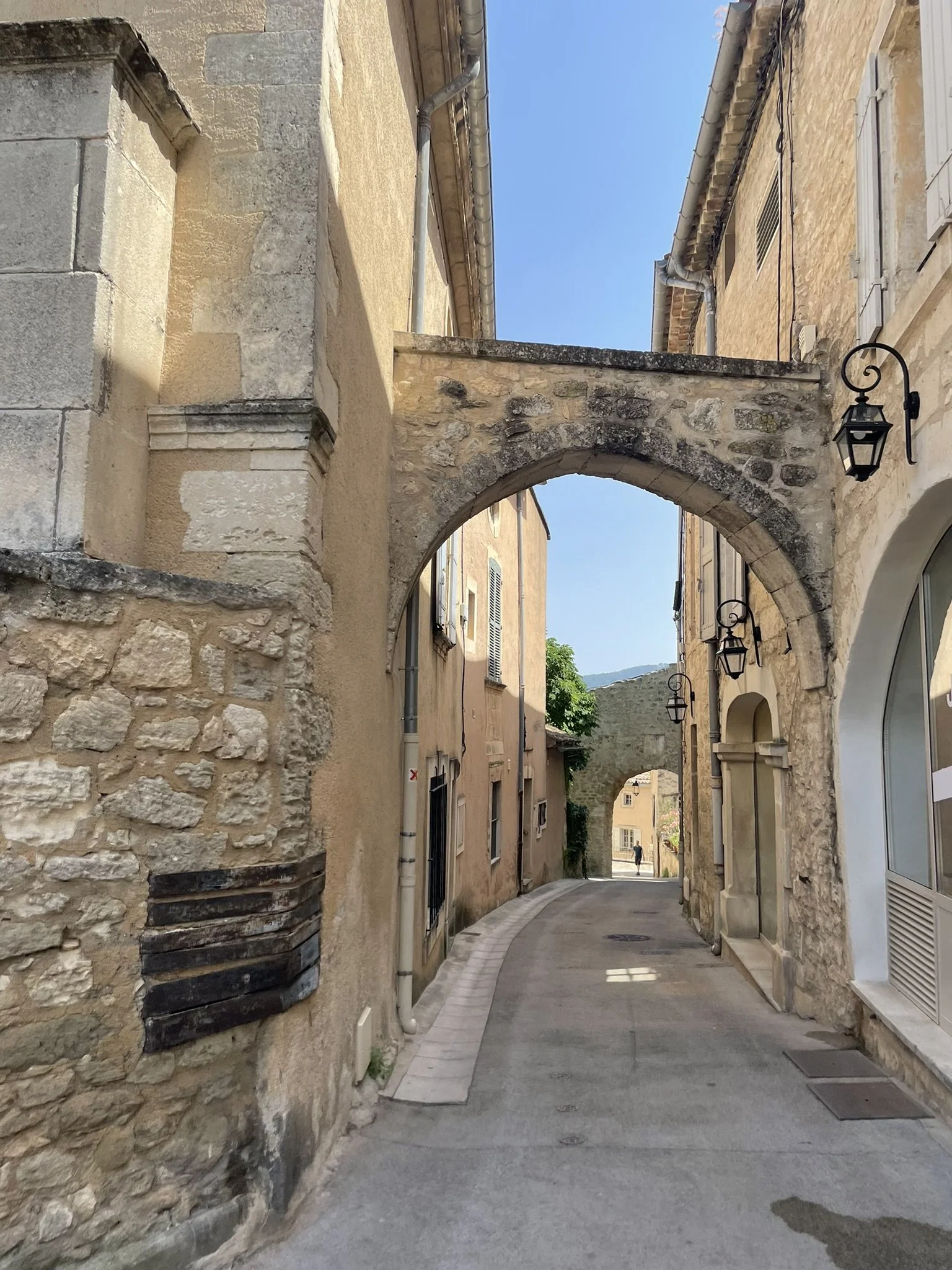
Lacoste is worth a visit as well, with its 11th century castle and pebble-paved streets with views of the Provençal countryside. The castle, Chateau de Sade, belonged to the scandalous Marquis de Sade, and was later rescued and restored by fashion designer Pierre Cardin.
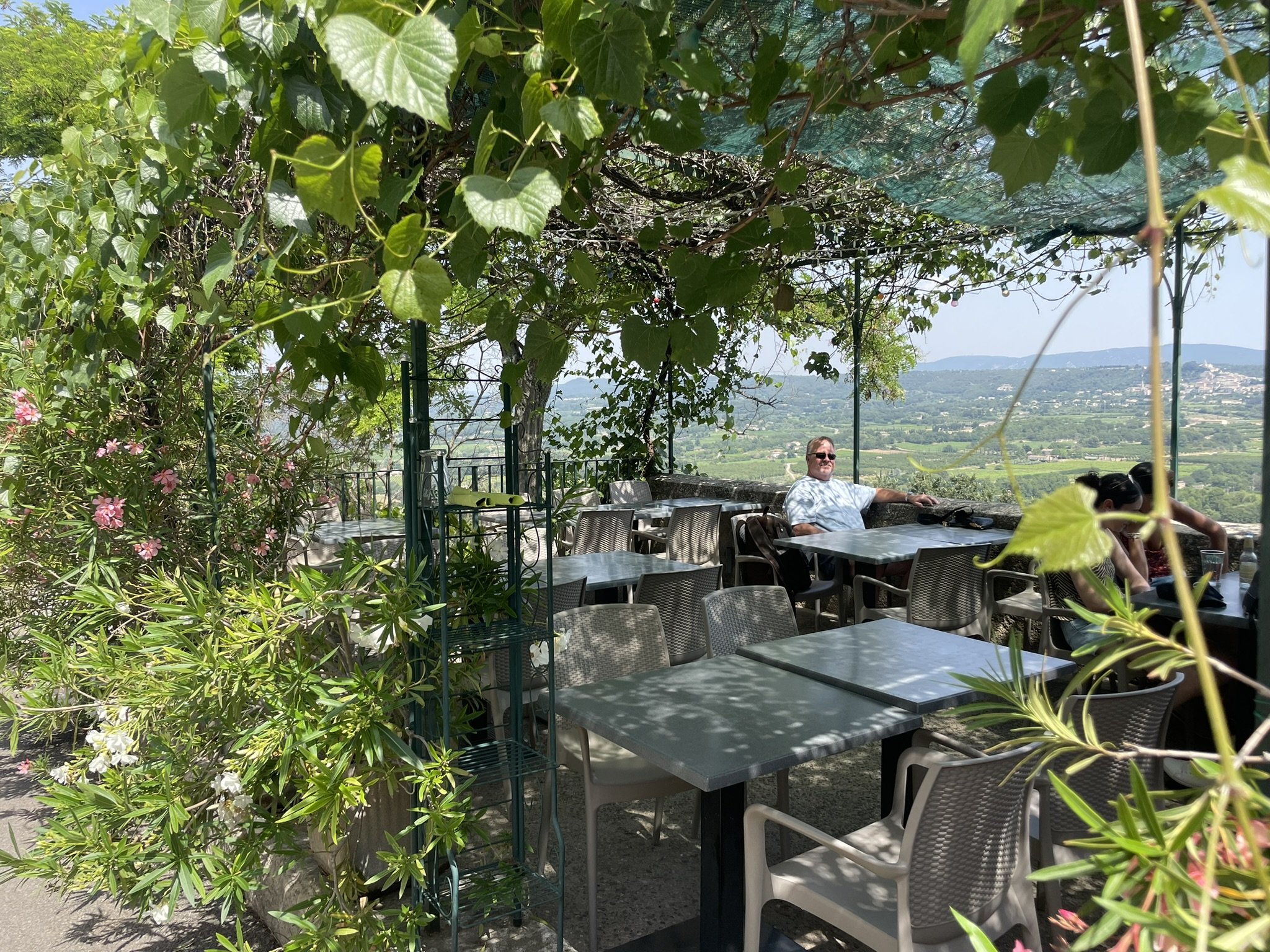
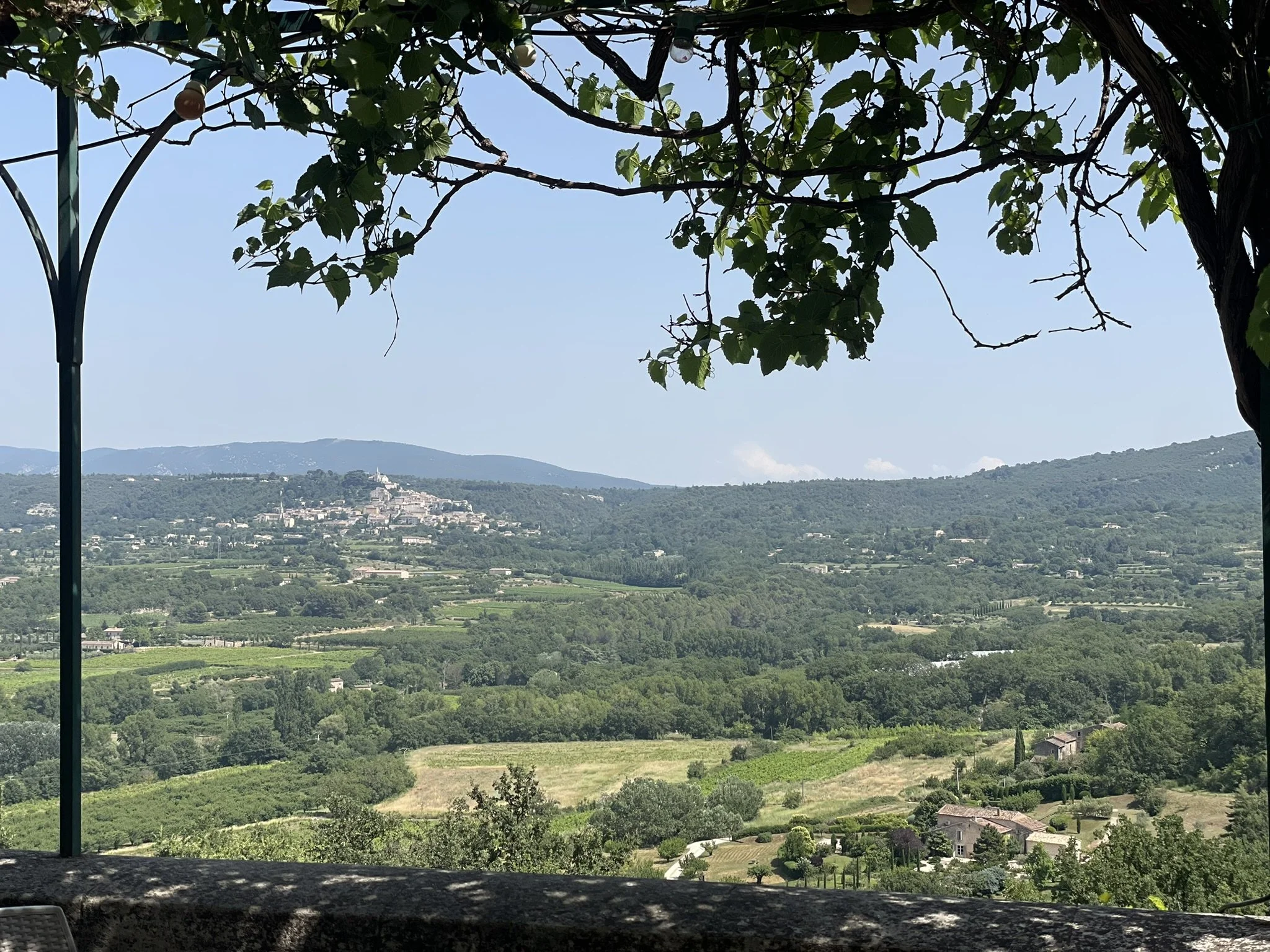
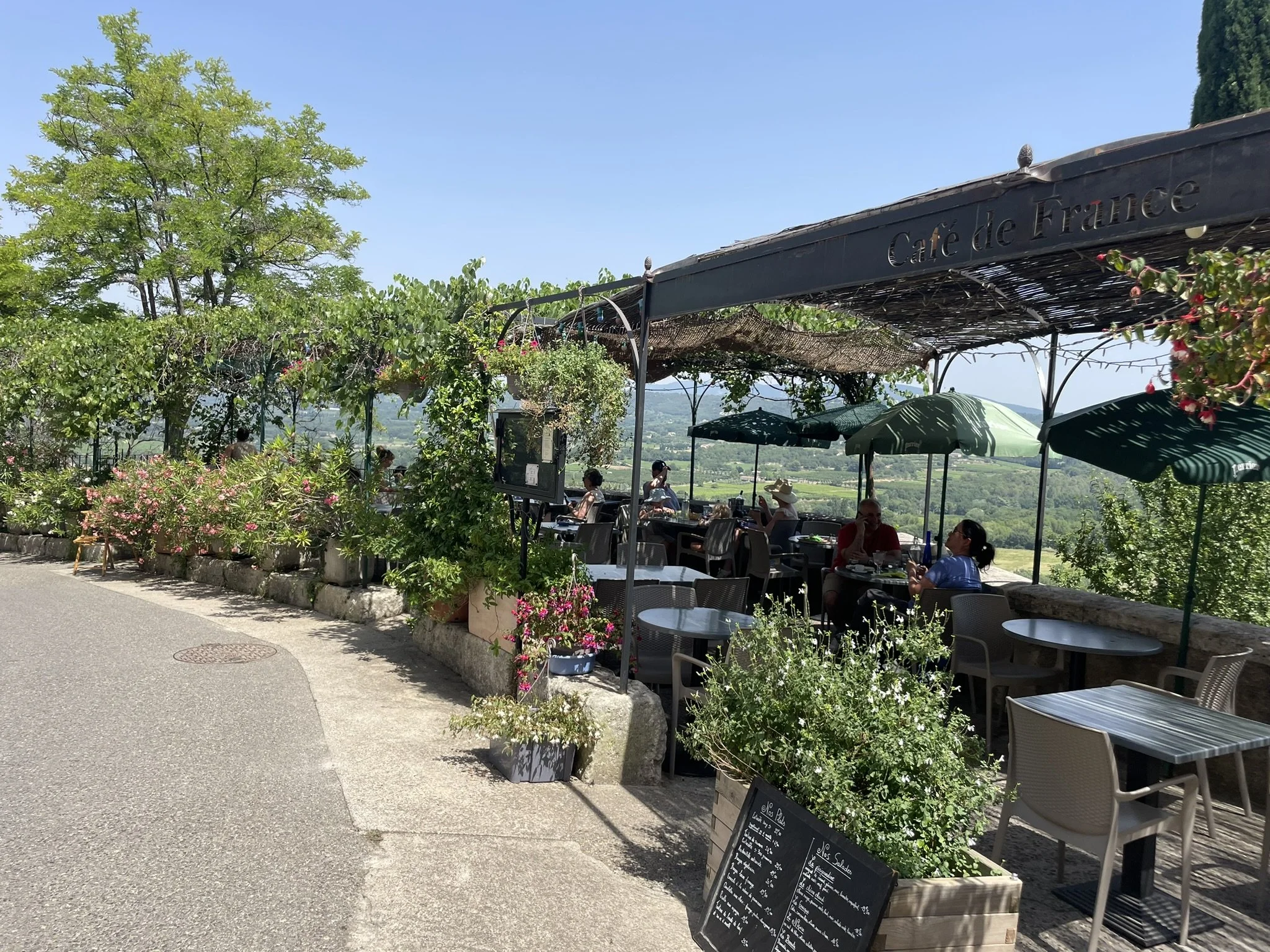
I highly recommend a drink for meal at the Café de France, a restaurant with an outdoor terrace with breathtaking views of the surrounding area. We’ve been there twice and the views never cease to amaze me!
Apt
A larger town than many of the others, Apt is worth a visit for its exceptional Saturday market that has been running for over 900 years. But get there early to secure a parking space! Apt is also the global capital of candied fruit and you can tour or shop at the boutique devoted to Apt’s famous candied fruits. Other draws include the Mines de Bruoux (cathedral-like underground ochre quarries) and Cathedral of Sainte-Anne (one of the oldest churches in Provence).
Nimes
While technically not Provence (it’s the Gard department), Nimes deserves a mention as it’s nearby and often on the way to Provence. It is known as the “most Roman city outside of Italy,” with the Maison Carree temple and the incredibly well-preserved Arenes de Nimes amphitheater.
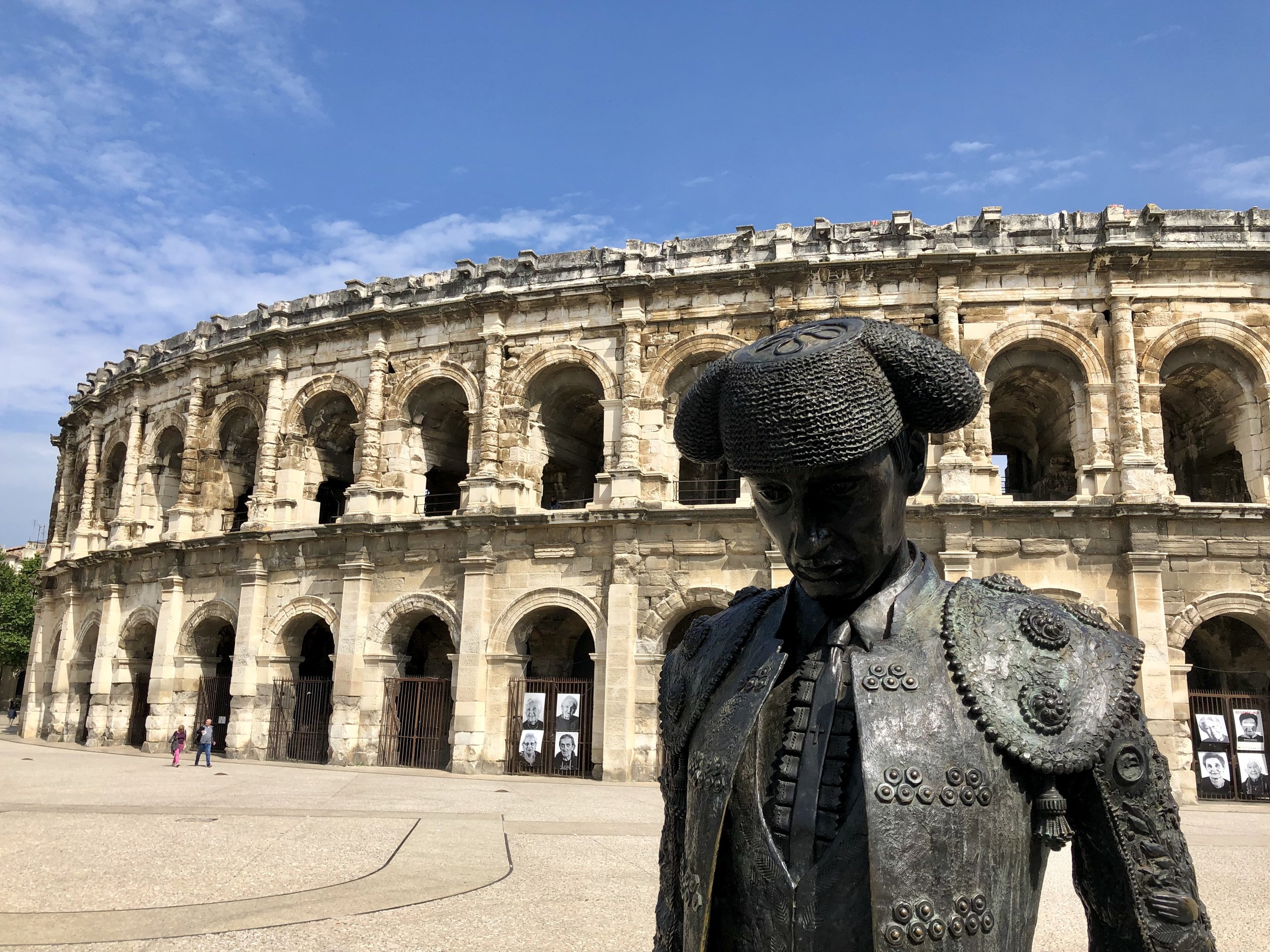
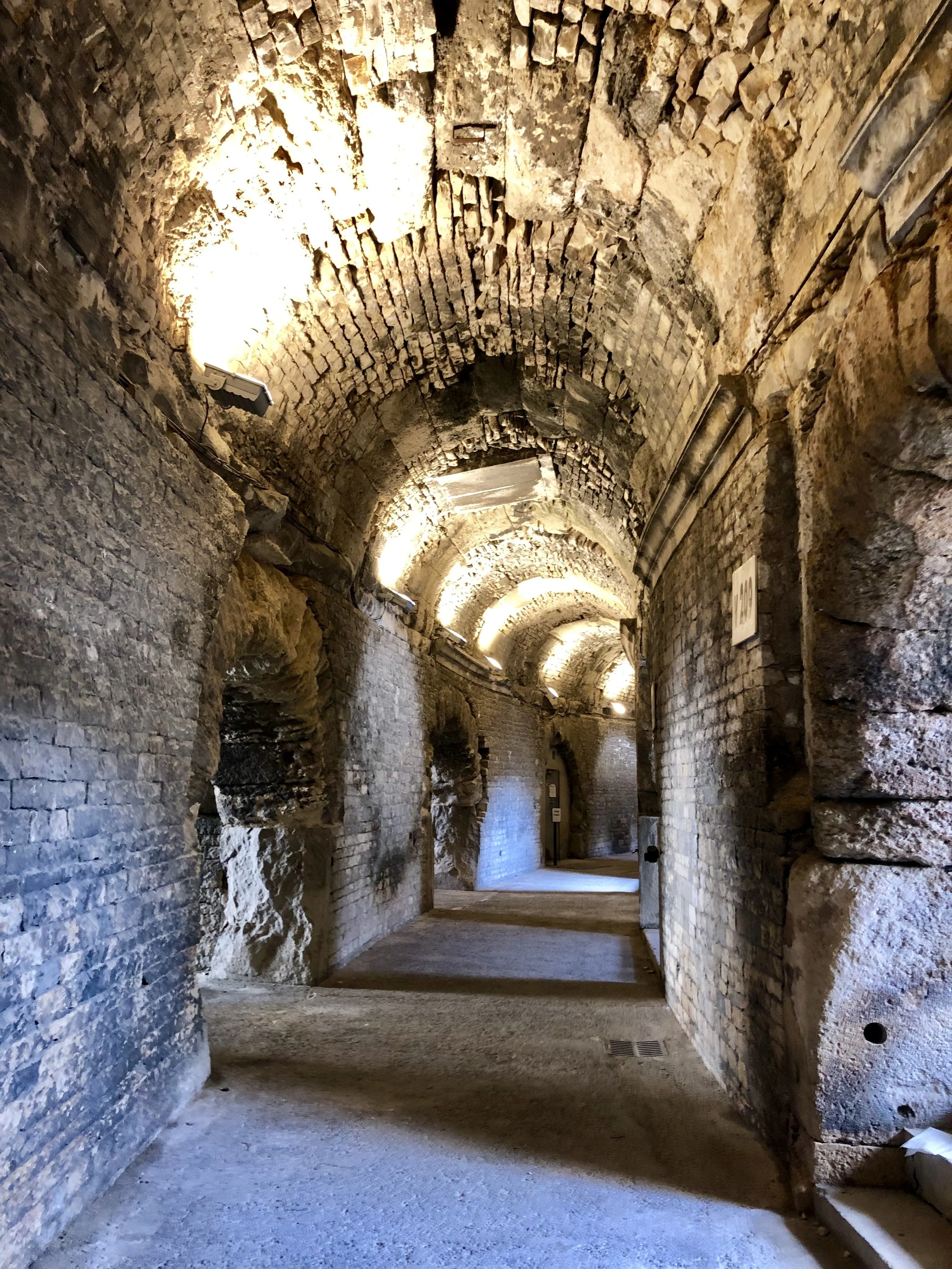
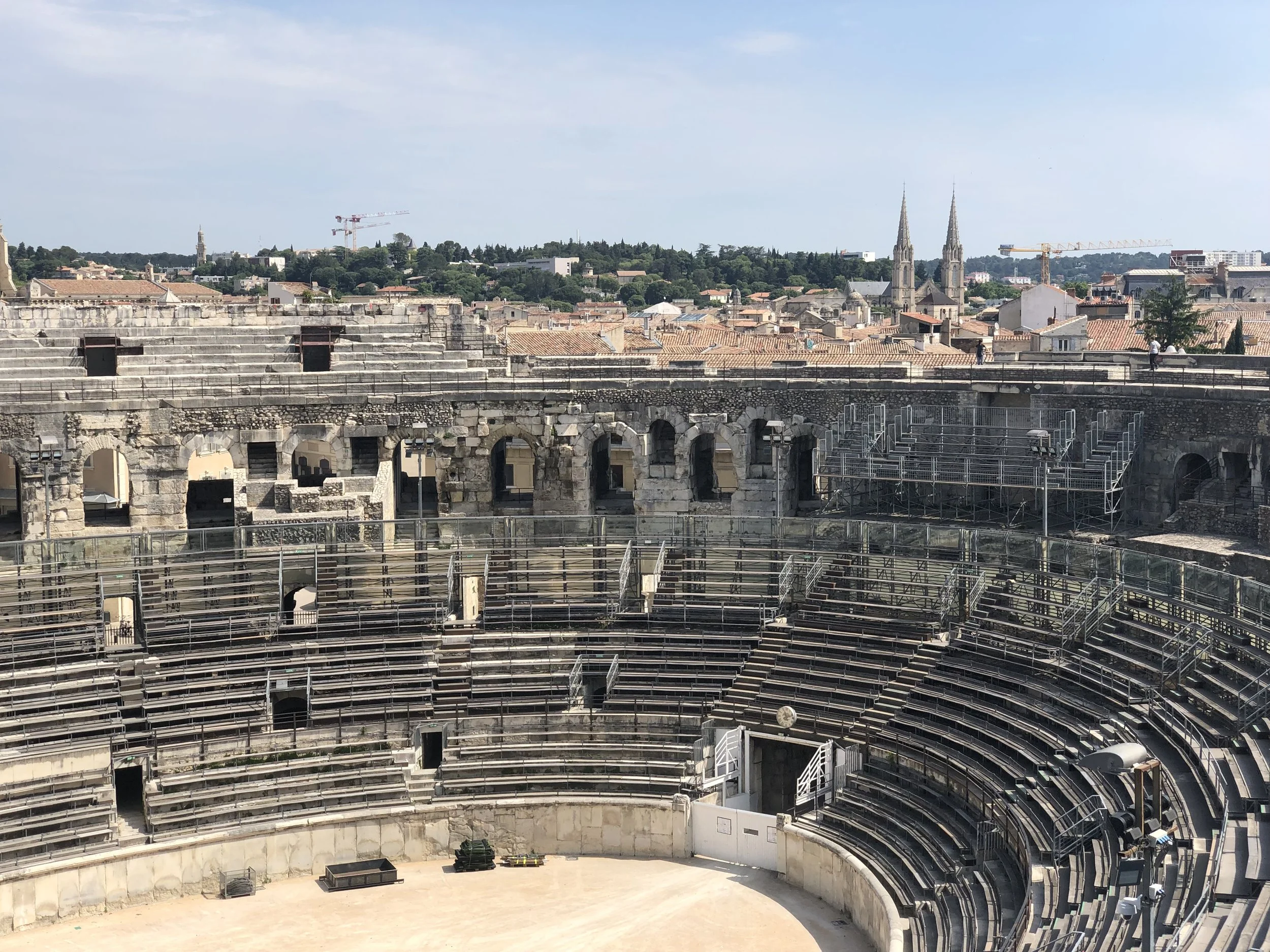
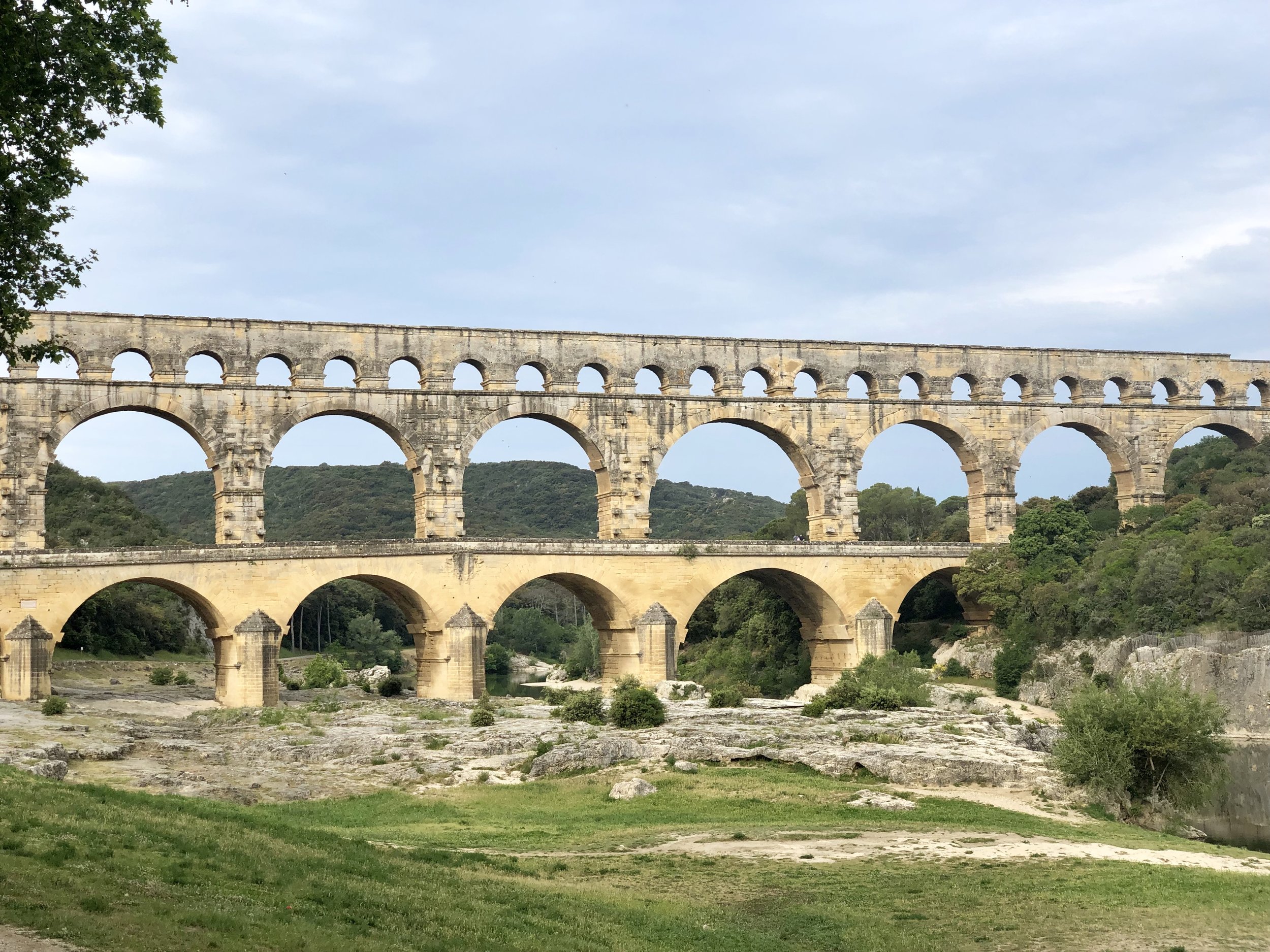
Nimes is the birthplace of denim and offers the 18th-century Jardins de la Fontaine. When in Nimes, you can also take the quick 30-minute trip to see the UNESCO-listed Roman aqueduct Pont du Gard. I love Pont du Gard and can’t get enough of beautiful towering arches.
Nice
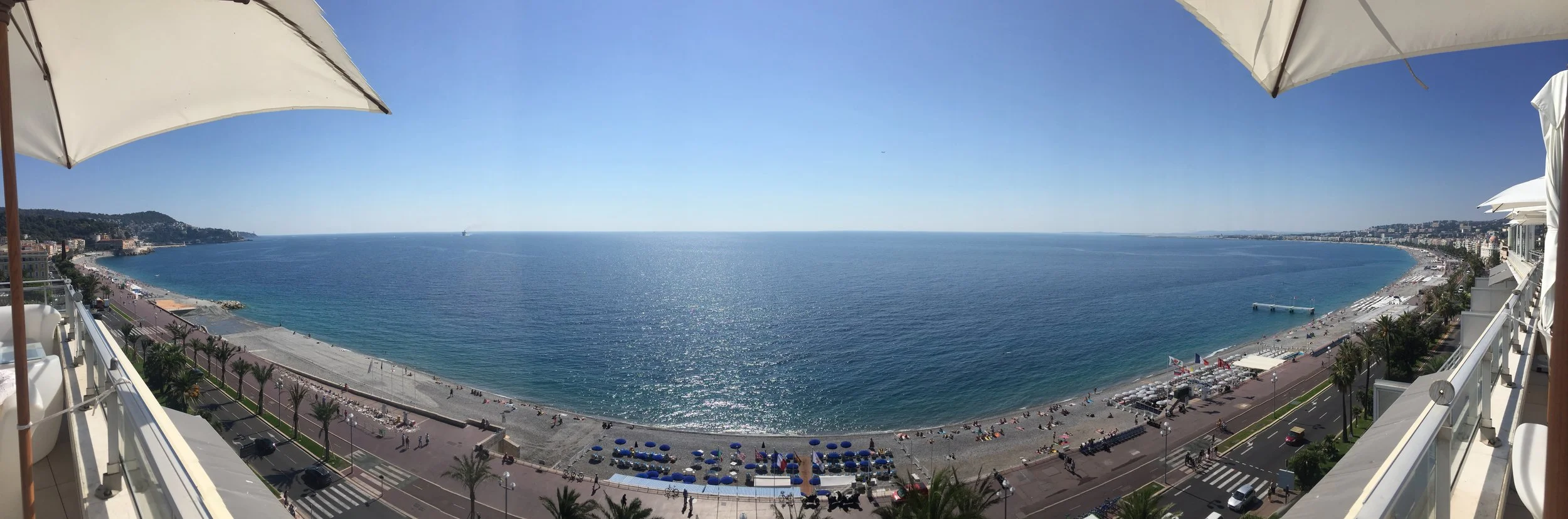
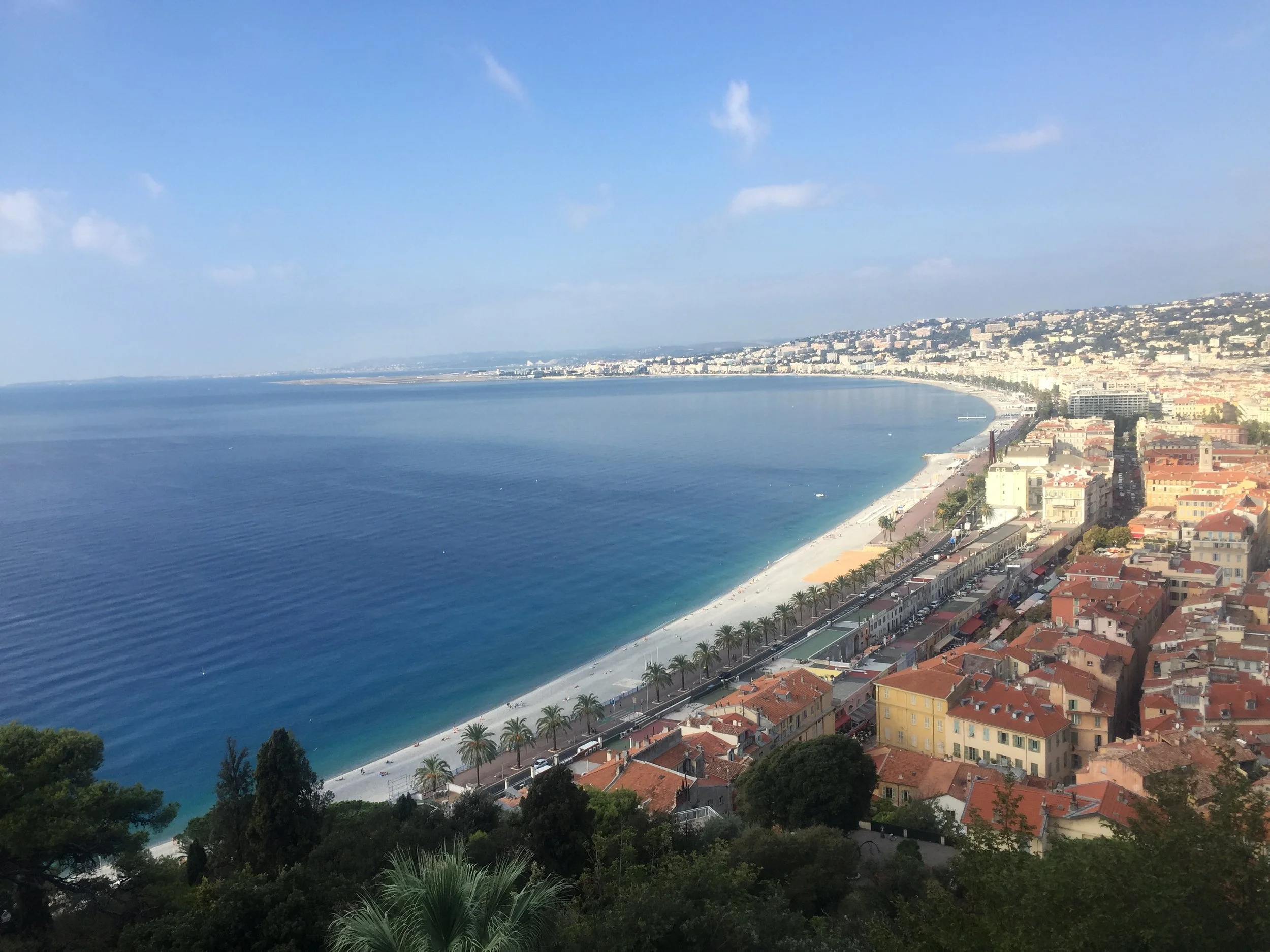
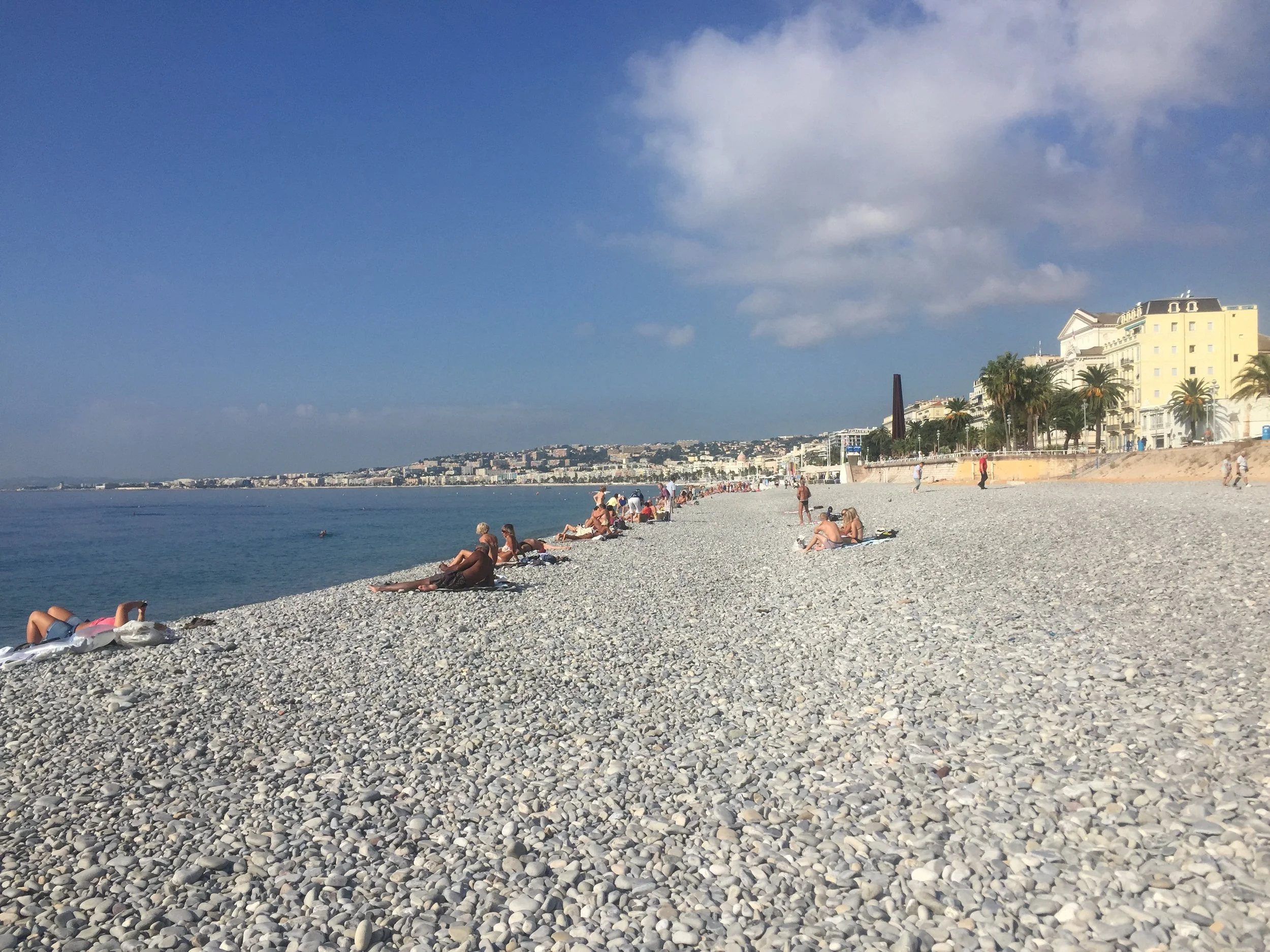
Often called the “jewel of the French Riviera,” Nice offers a combination of Mediterranean beaches, historic architecture and an arts scene. There is a nice Old Town, the famous Promenade des Anglais, and a beautiful flower market.
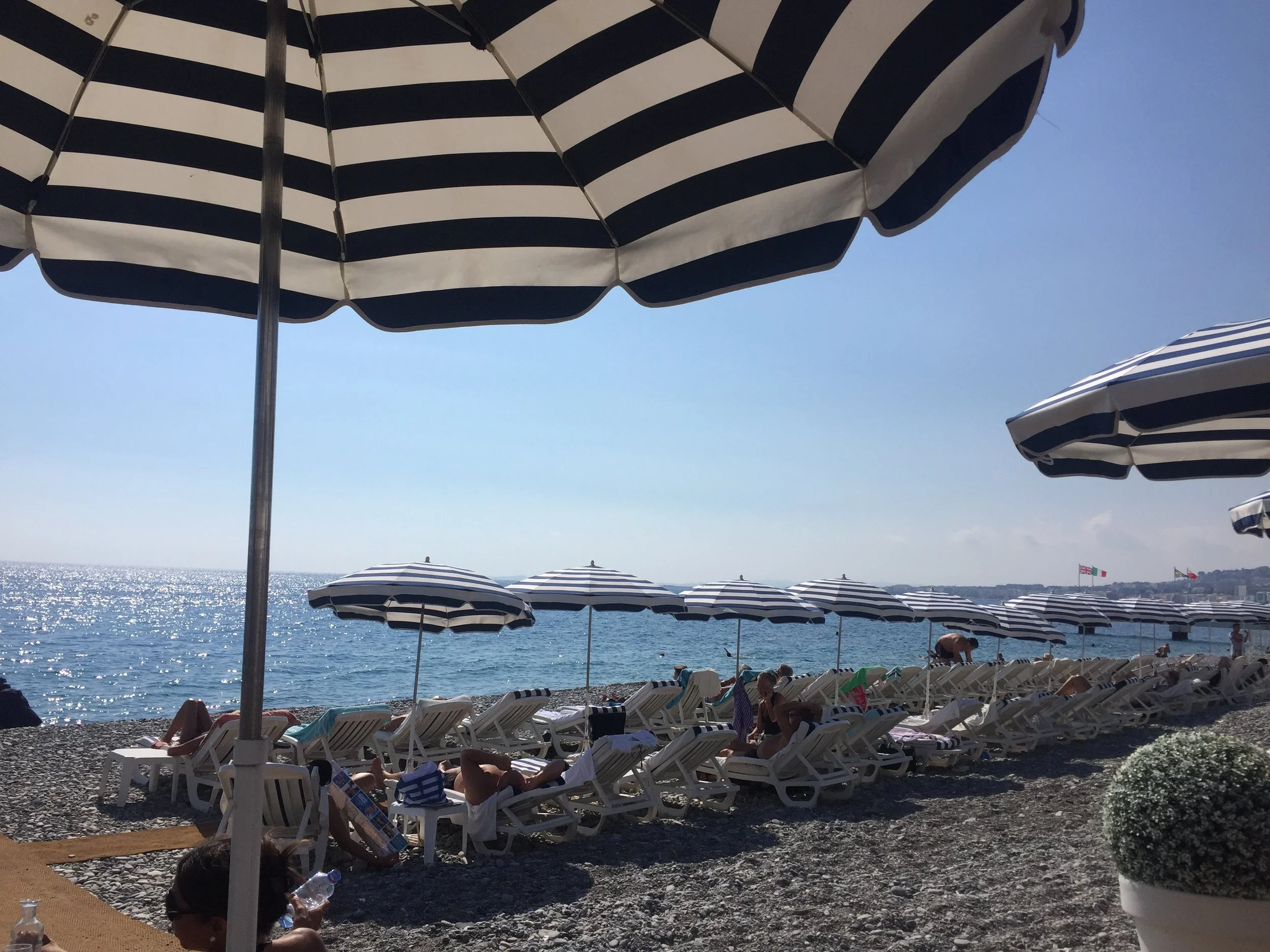
The beaches in Nice are pebble beaches and I just can’t get to a place where I like that. It’s just not as nice as sand! You can go to a public beach or rent a chair and umbrella at a private beach club.
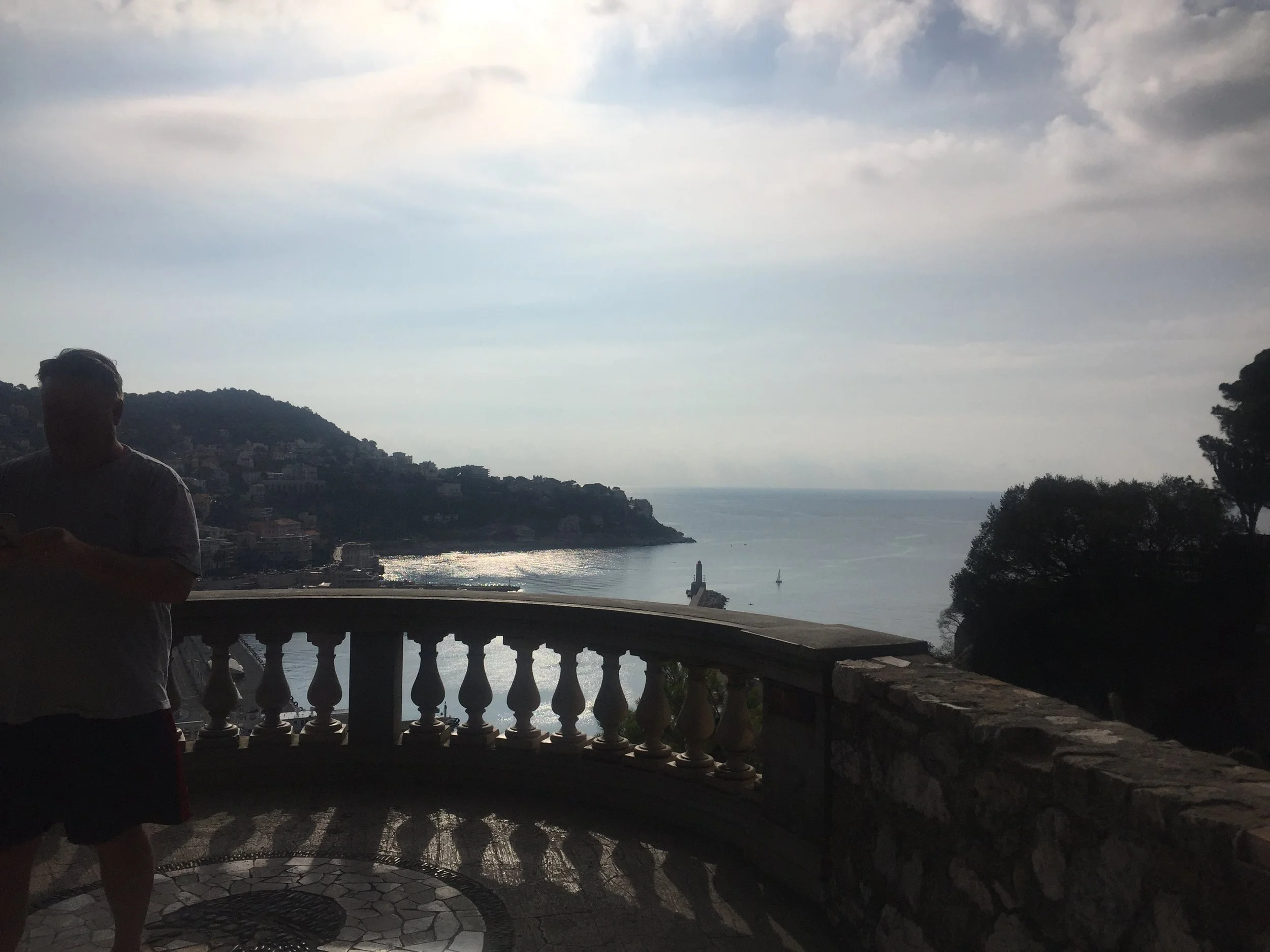
Atop Castle Hill (which was a really long walk in the heat!), you will find ruins of an old defensive wall, a large park, and amazing panoramic views of Nice and the sea.
Palavas les Flots and La Seyne-sur-Mer
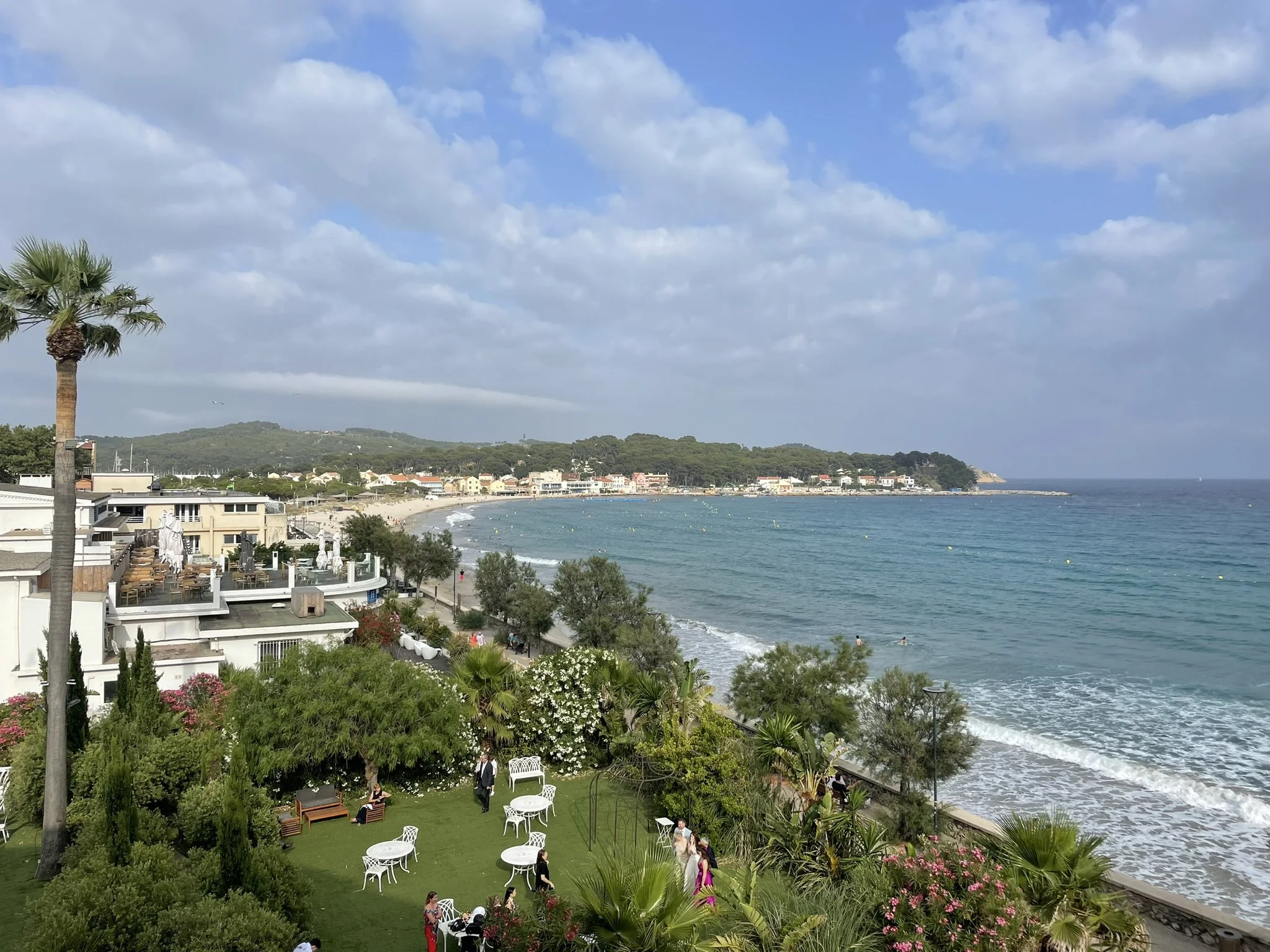
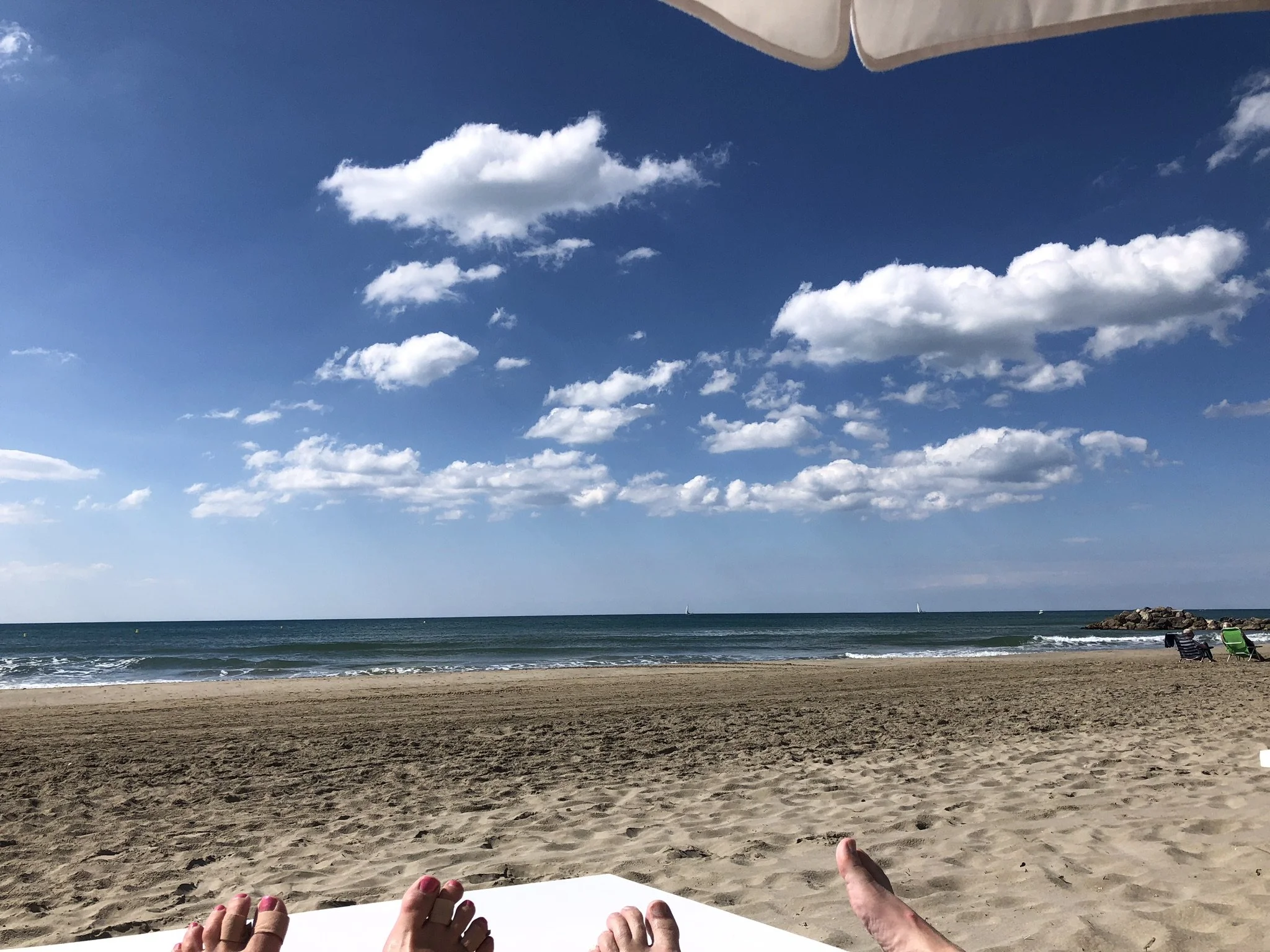
These were both nice beach towns. The vibe was laid back but energetic. They had beautiful white sand beaches. There were plenty of options for eating and drinking. We enjoyed them both.
STAND IN A LAVENDER FIELD AND LET IT IGNITE YOUR SENSES
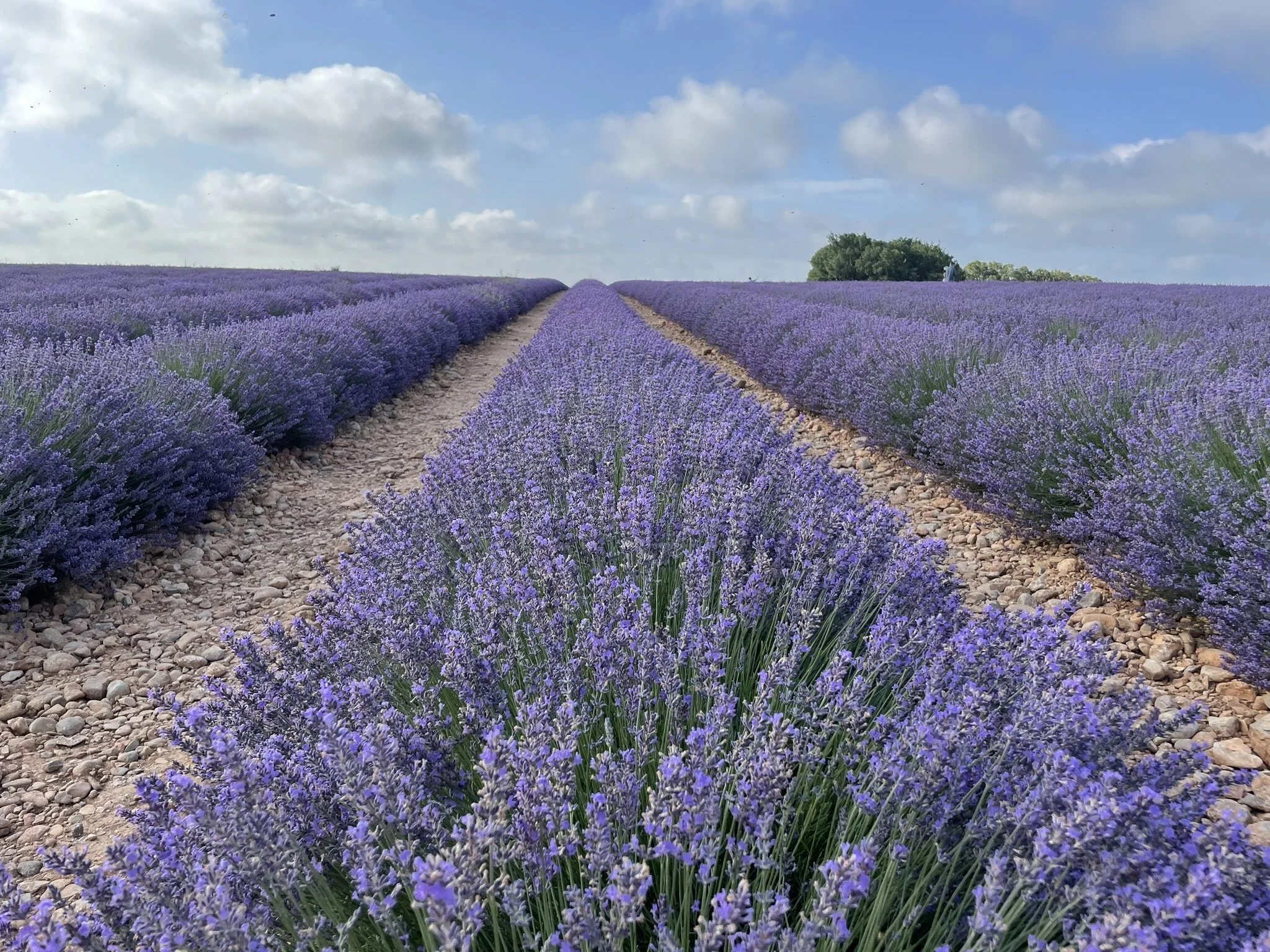
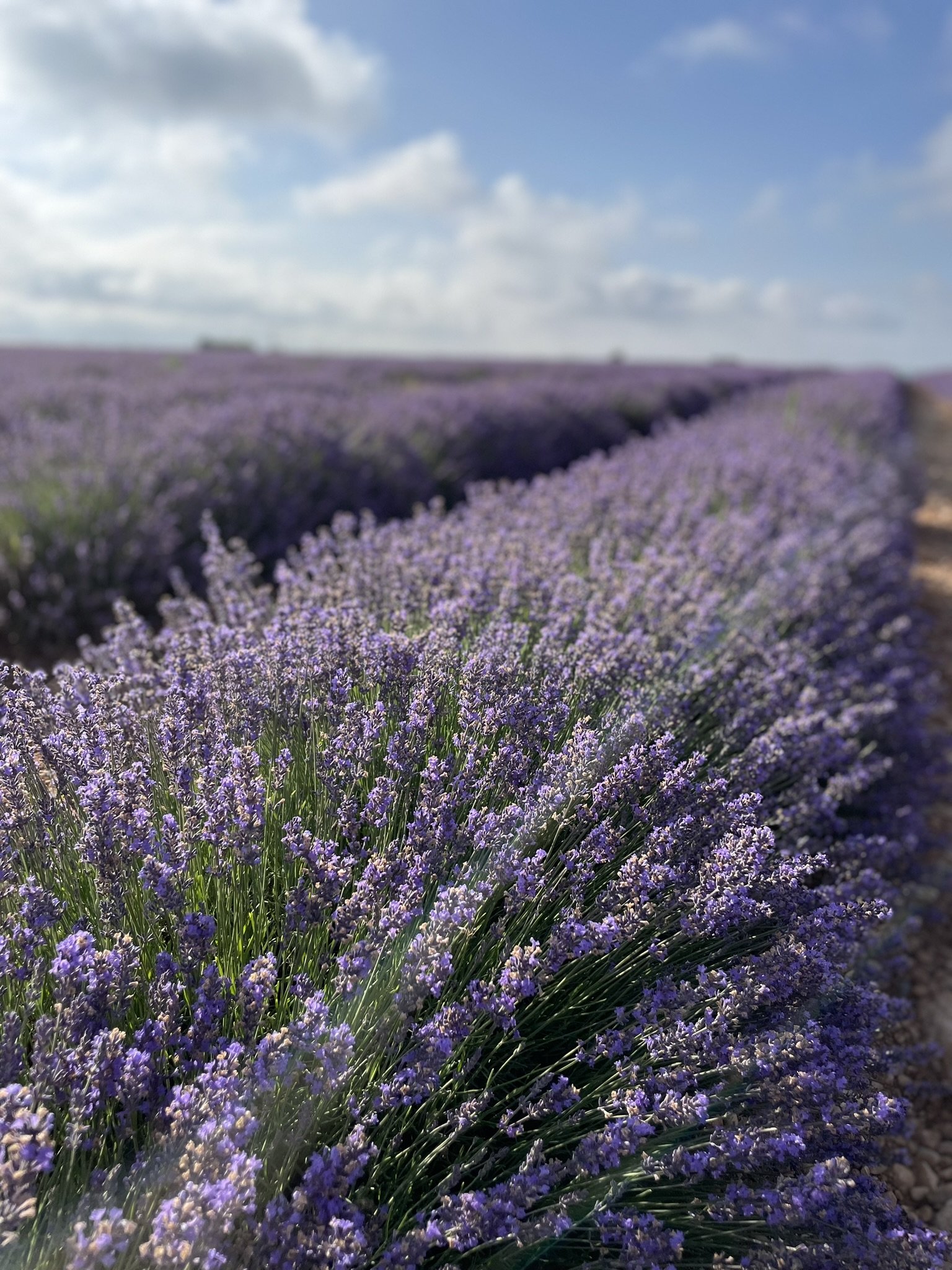
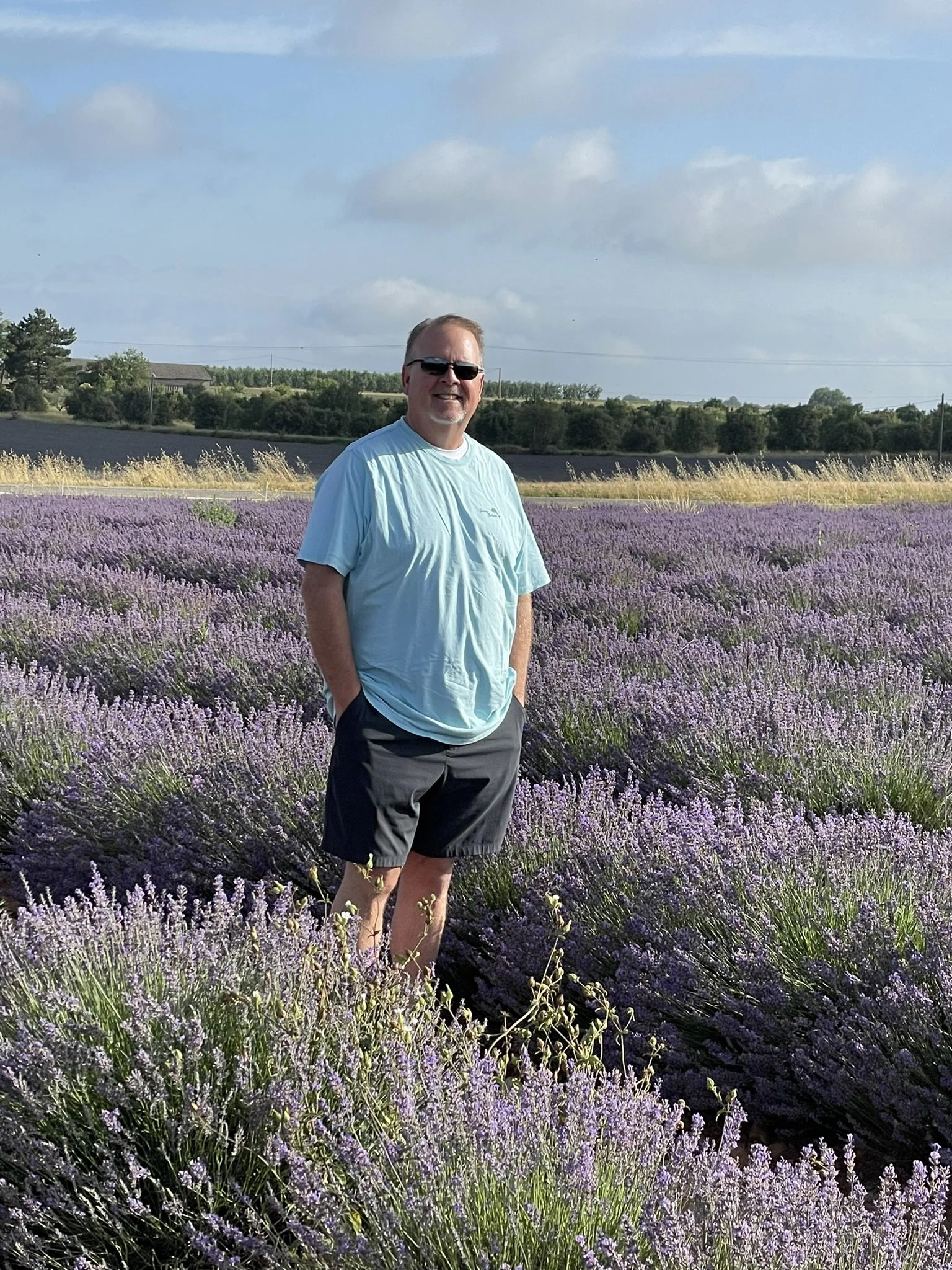
One of the big draws to Provence is the lavender fields! They bloom from mid-June to mid-August, peaking in early- to mid-July. There is nothing like seeing and standing amidst what seems like endless rows of vibrant purple lavender! There’s nothing like the color, the scent, and the buzzing sound of bees.
There are three main lavender destinations:
The Iconic Valensole Plateau: This area is famous for its endless, rolling rows of lavender that stretch to the horizon, with adjacent sunflower fields. It is the most photographed area of Provence. Lavender here typically blooms from late June to mid-July. Be sure to stop by Lavandes Angelvin, a family-run distillery with lavender products and fields of lavender and sunflowers open to visitors.
The high-altitude Sault Plateau: Sault sits at a higher elevation than the other two regions, so peak bloom is later (mid-July to early August). It draws fewer crowds and has a more rugged landscape.
The picturesque Luberon Valley: This is the area with a mix of beautiful hilltop villages and lavender. Lavender fields are more scattered and they bloom earliest here (late June). Don’t miss the Abbaye Notre-Dame de Sénanque, where lavender surrounds the 12th-century stone abbey.
These three areas together are very large! If you are going for just 2-3 days you may want to pick just one area (or possibly two) to explore.
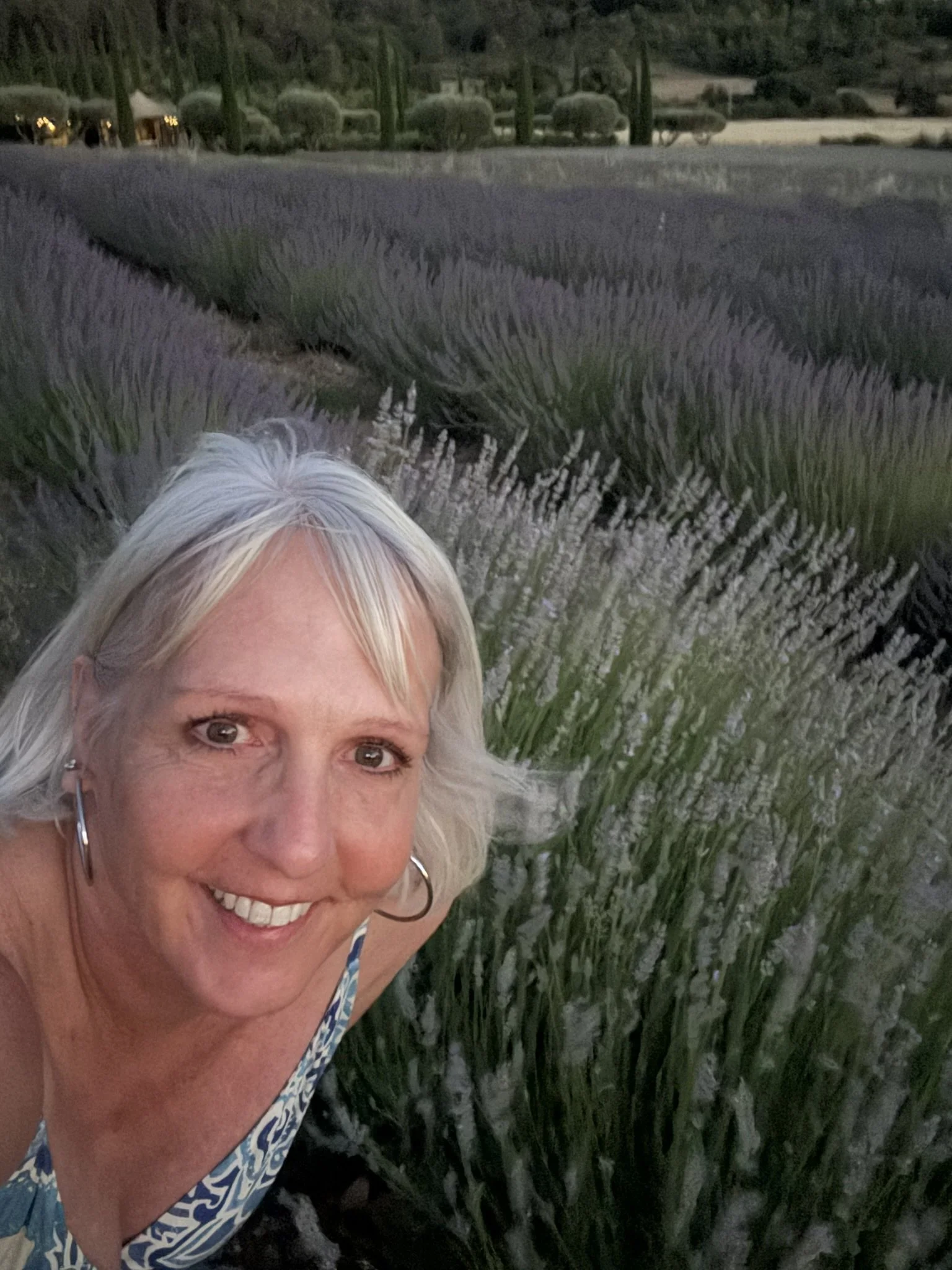
We like to drive from village to village and take in the beautiful lavender and sunflower fields around and between them. We will often get off the main roads and discover less crowded lavender fields away from the main areas. And have even gotten lost on very small backroads at times. From the hilltop villages, you can see the lavender fields below so we will often plan a route based on what we see from above.
DO SOME VINEYARD HOPPING AND ENJOY SOME LOCAL WINE
Provence is also a wine-producing region, best known for its pale-pink rosés, which make up about 90% of the region’s output. We found the tastings to be very casual and relaxed, and we tasted a variety of whites, rosés, and reds. They grow a lot of different grapes in the region (about 30 total, and about 12 of those dominate the area) so most everything is a blend. They have some varietals we’d never heard of.
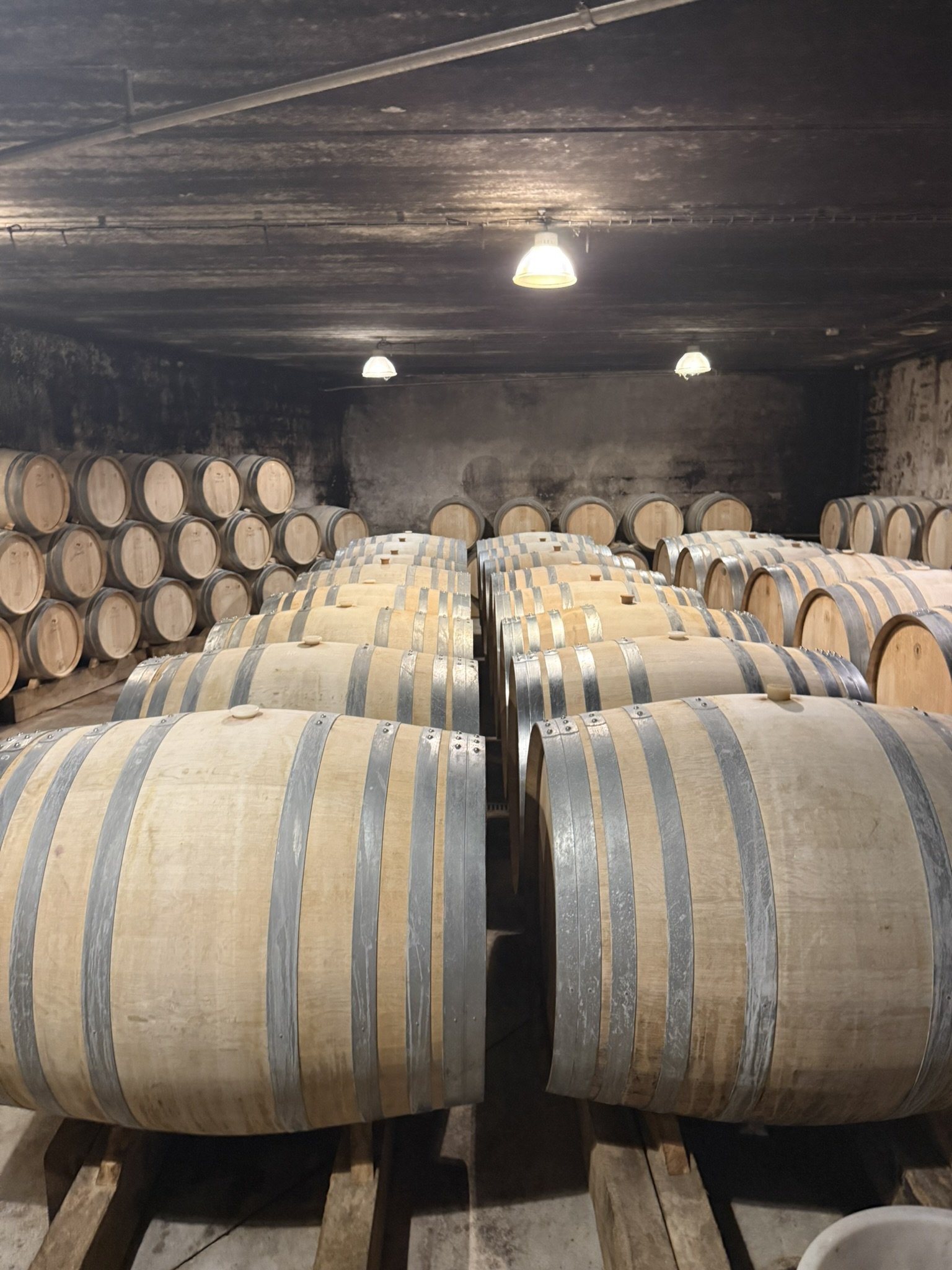
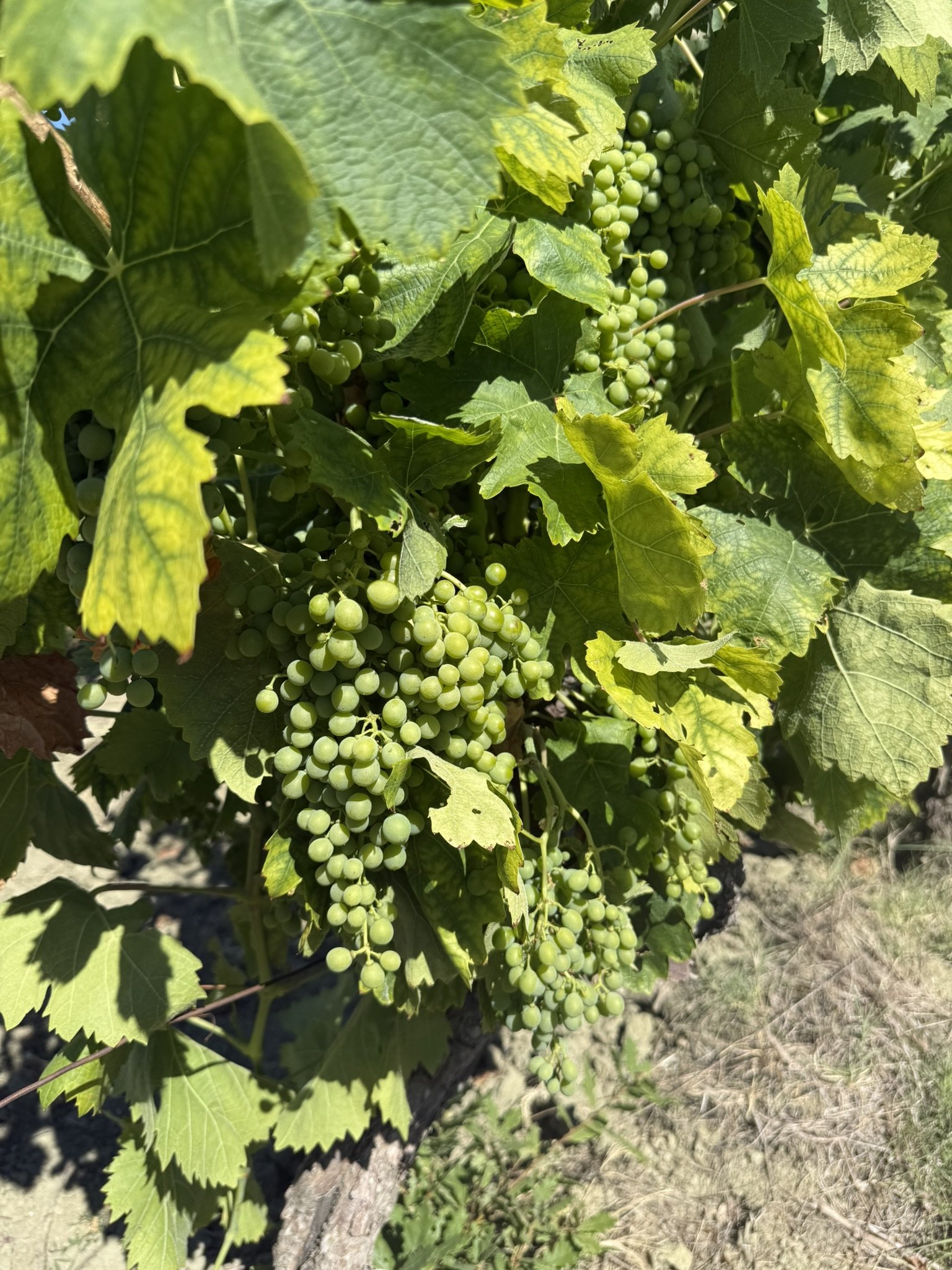
While you can drop in to taste, I’d highly recommend making reservations. That way you know you have a spot reserved and they know you are coming.
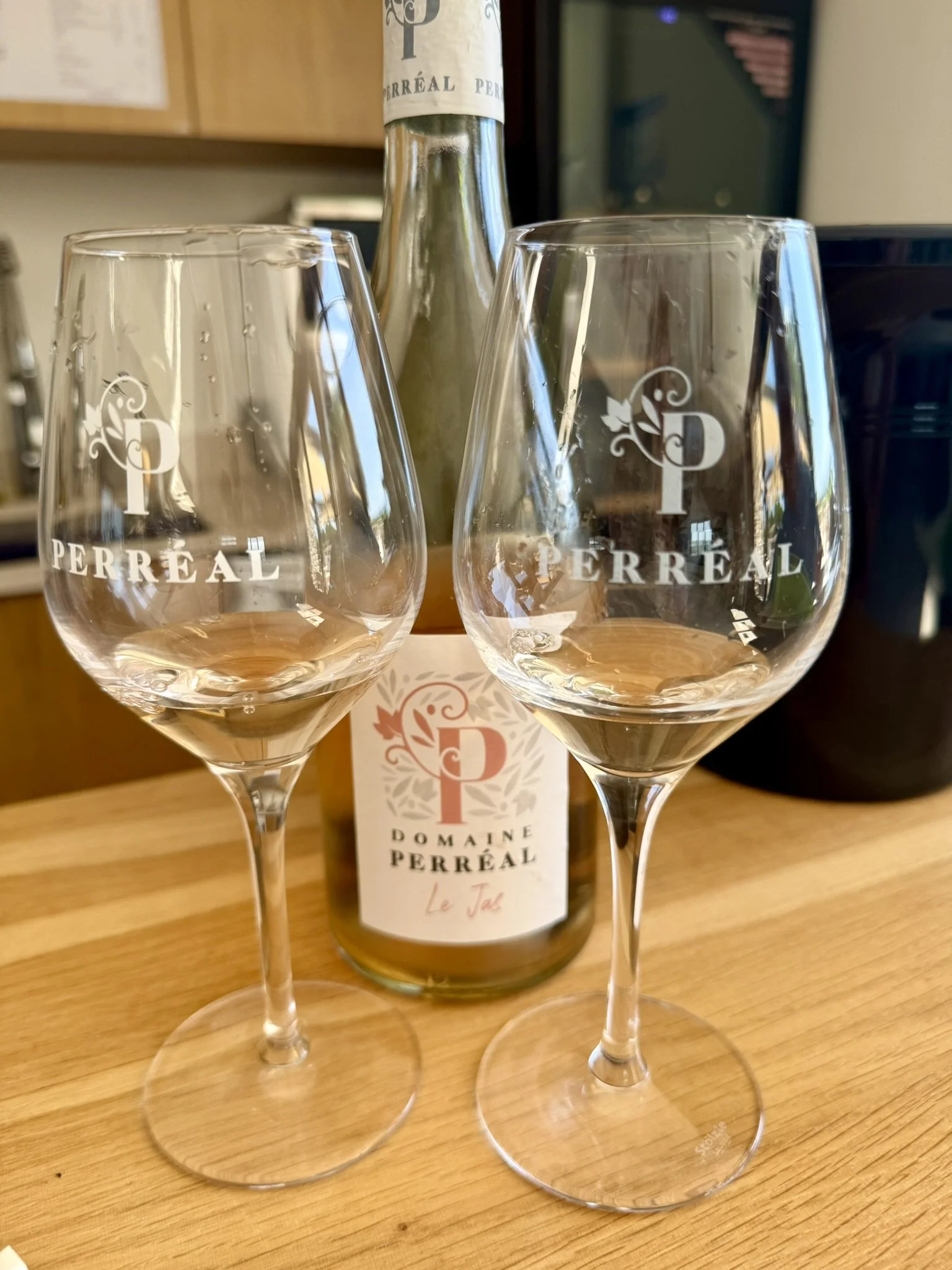
While we were there, we visited:
Domaine Perréal: An organic, 54-hectare vineyard in Gargas that produces estate-grown, organic red, white and rosé wines. They also produce gourmet olive oils and liquers.
Vignoble Chasson – Chateau Blanc: A sustainable winery located near the village of Roussillon. They produce acclaimed AOC Ventoux and AOC Luberon wines in red, white and rosé.
Both were good experiences and we bought some of their wine.
GO TO OPEN-AIR MARKETS AND BUY LOCAL ARTISAN PRODUCTS
Provençal markets are abundant in this area and are a central part of daily life. You can find one or more happening every day of the week in Provence.
They are filled with local vendors selling everything from fruits and vegetables, to cheese and meat, to wine and bread products, to clothes and linens, to artisan crafts and everything lavender… plus MORE! The markets have a vibrant social atmosphere and shouldn’t be missed!
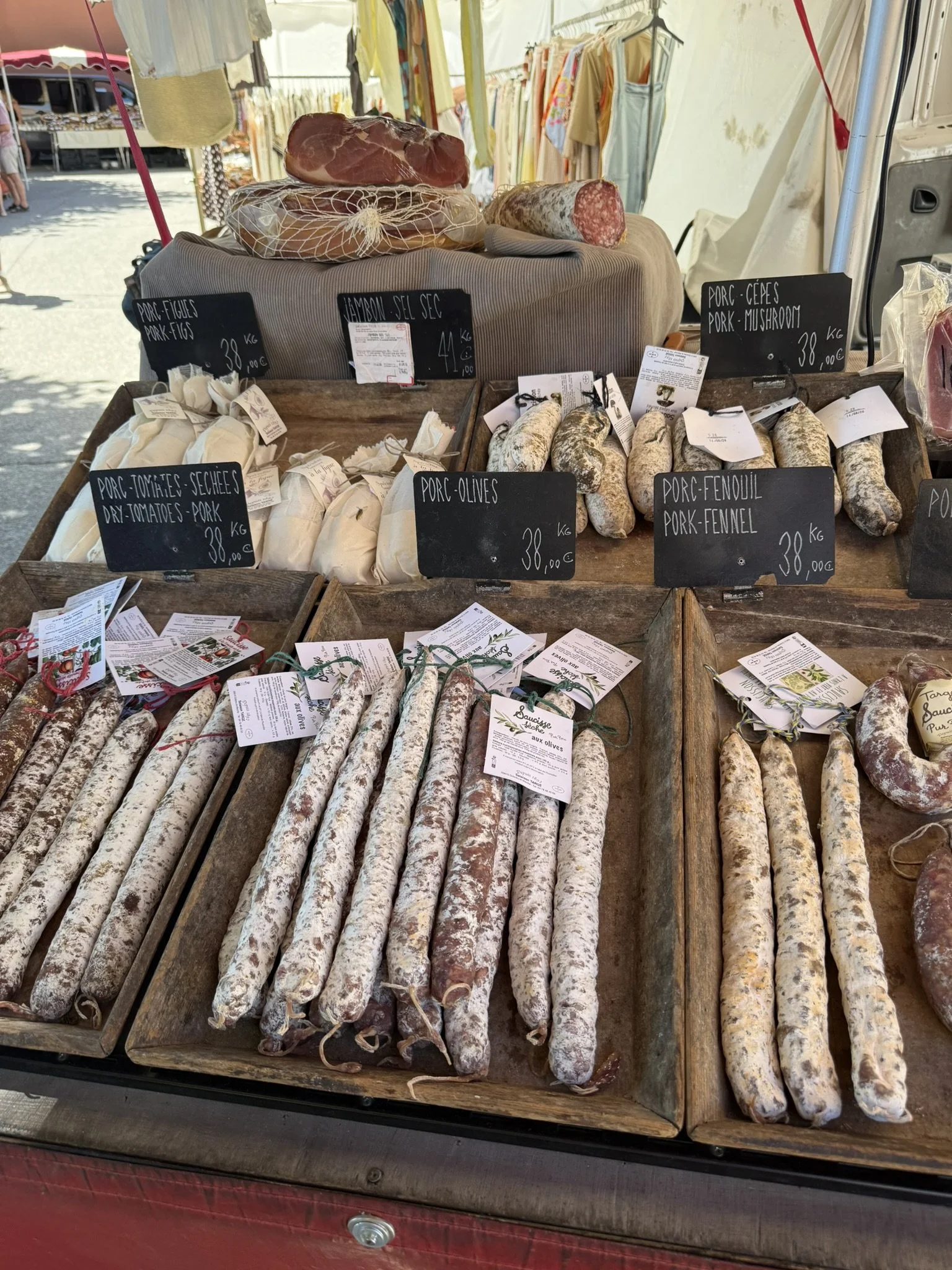
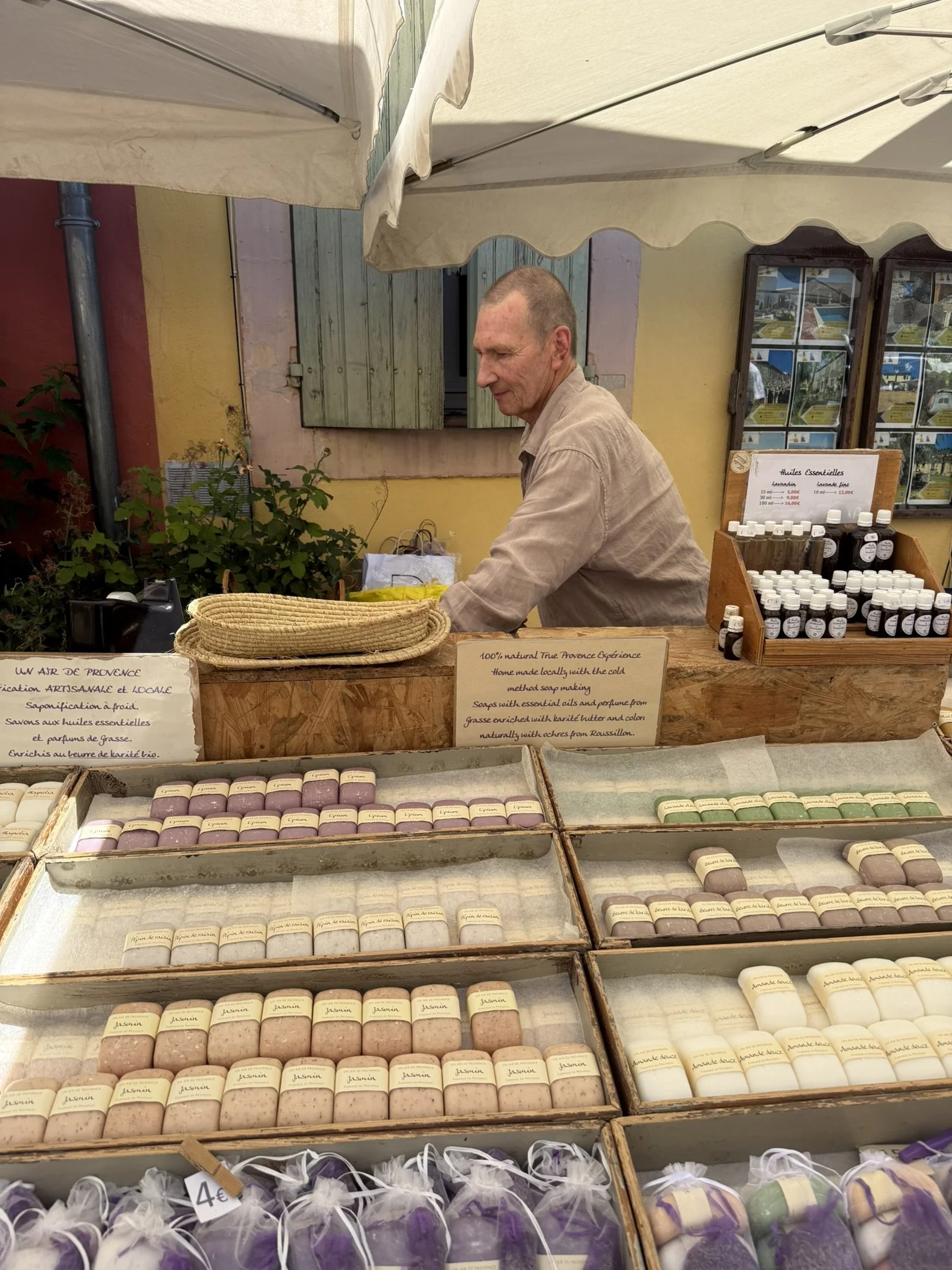
Market tips:
Arrive early: You will get the best selection of goods and parking gets difficult as it gets later.
Bring a bag or some way to carry purchases: Not all vendors will have bags available for purchases. We didn’t bring a bag, but it was a great excuse to buy a big straw basket to carry our purchases.
Bring some cash: We ended up finding an ATM as we didn’t bring cash and not all the vendors will accept a credit or debit card.
Consider purchasing at least one picnic lunch at a market: Pick a day when you will buy goods at the market for a picnic lunch in the countryside. Get a selection of meats, cheese, breads, spreads, fruit, vegetables, wine, and desserts.
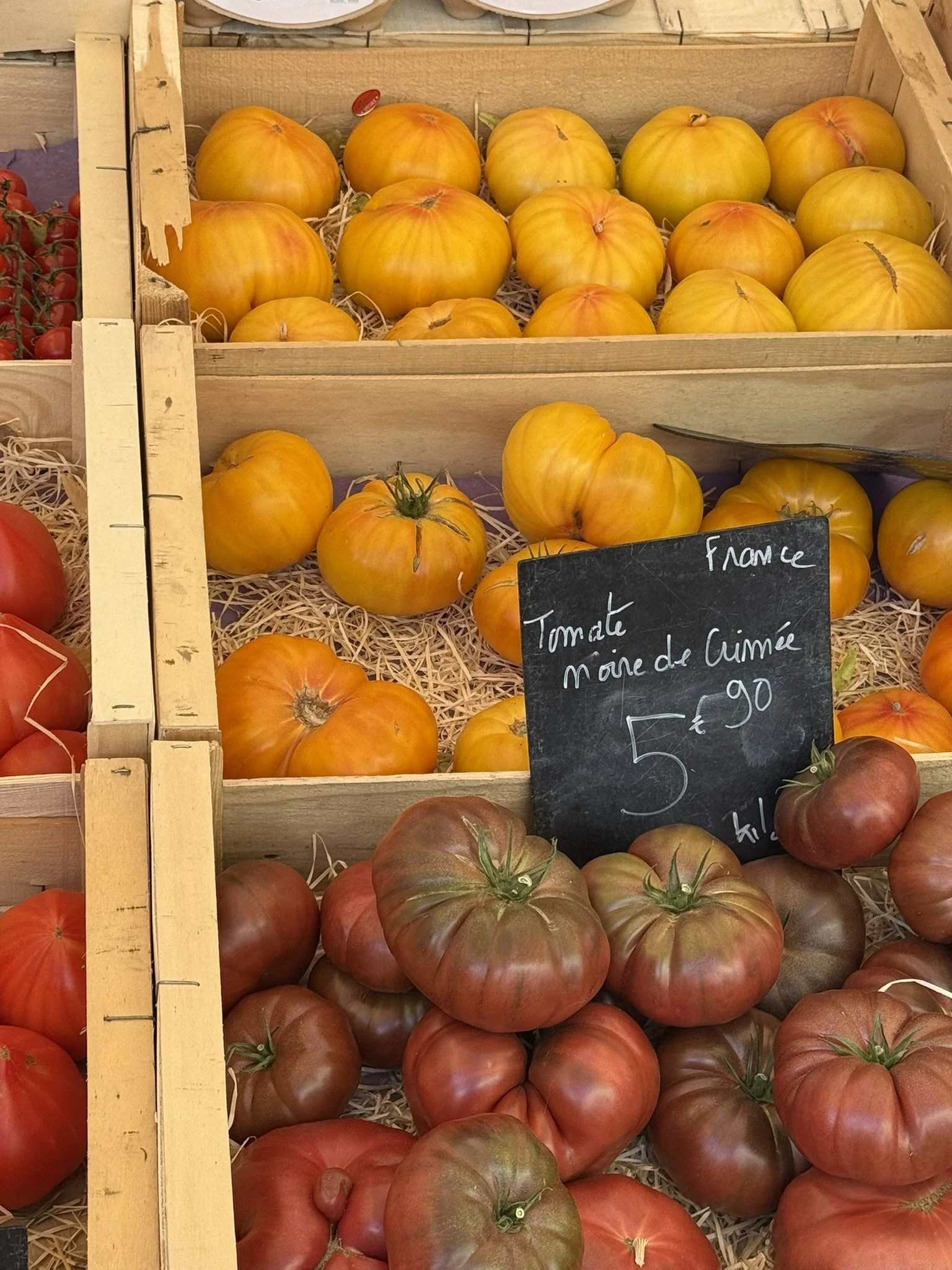
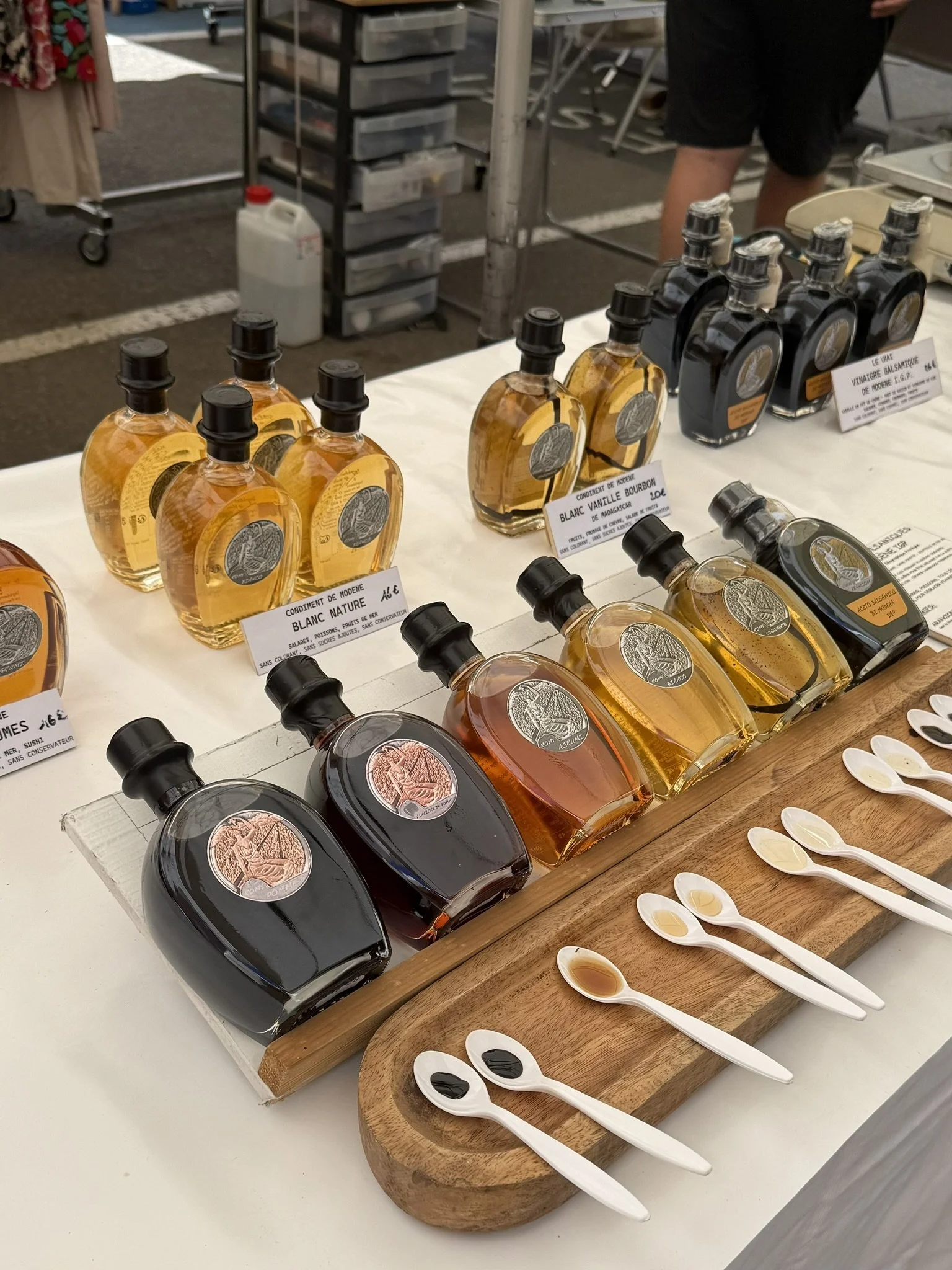
Some of the markets you may want to visit:
Aix-en-Provence (larger town with a bigger, more diverse market)
Gordes (gorgeous cliffside setting)
Saint-Rémy-de-Provence (one of the most famous and scenic)
Lourmarin (lively atmosphere under the trees)
Apt (very large, historic market operating since the Middle Ages)
L'Isle-sur-la-Sorgue (famous for its massive antique and food market combo)
You can look online to find a full list of which markets are open on what days. Most are open from 8am until about 1pm.
SOAK UP THE SUN AT A BEACH ON THE MEDITERRANEAN SEA
It is surprising to many that the vast majority (but not all) of the French Mediterranean coastline is in Provence. This includes well known places like Marseille, Saint-Tropez, and Nice and runs all the way to the Italian border. It blends coastal Mediterranean glamour with traditional Provençal charm and is famous for its 300+ days of annual sunshine, pastel-colored villages, and world-class luxury.
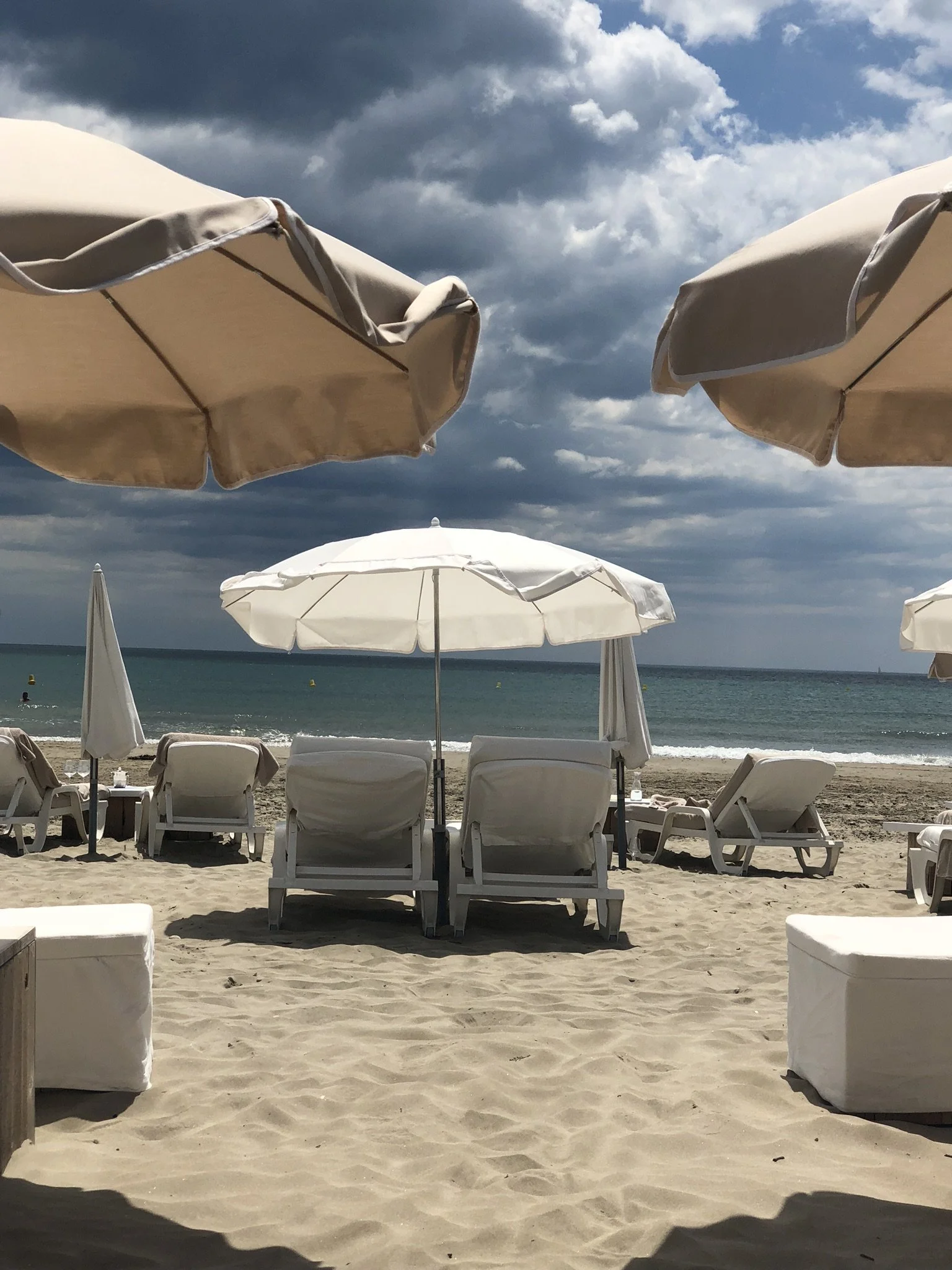
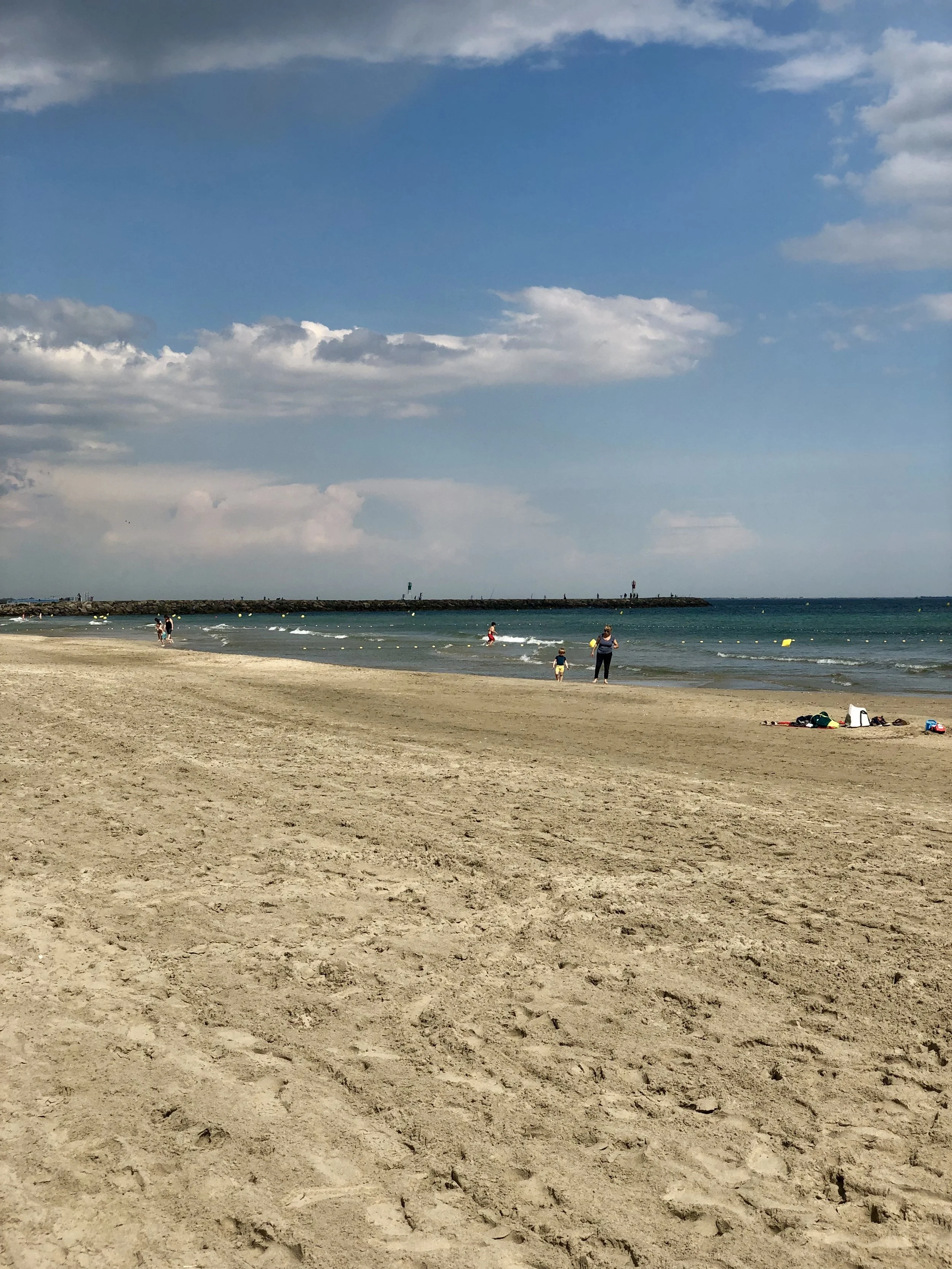
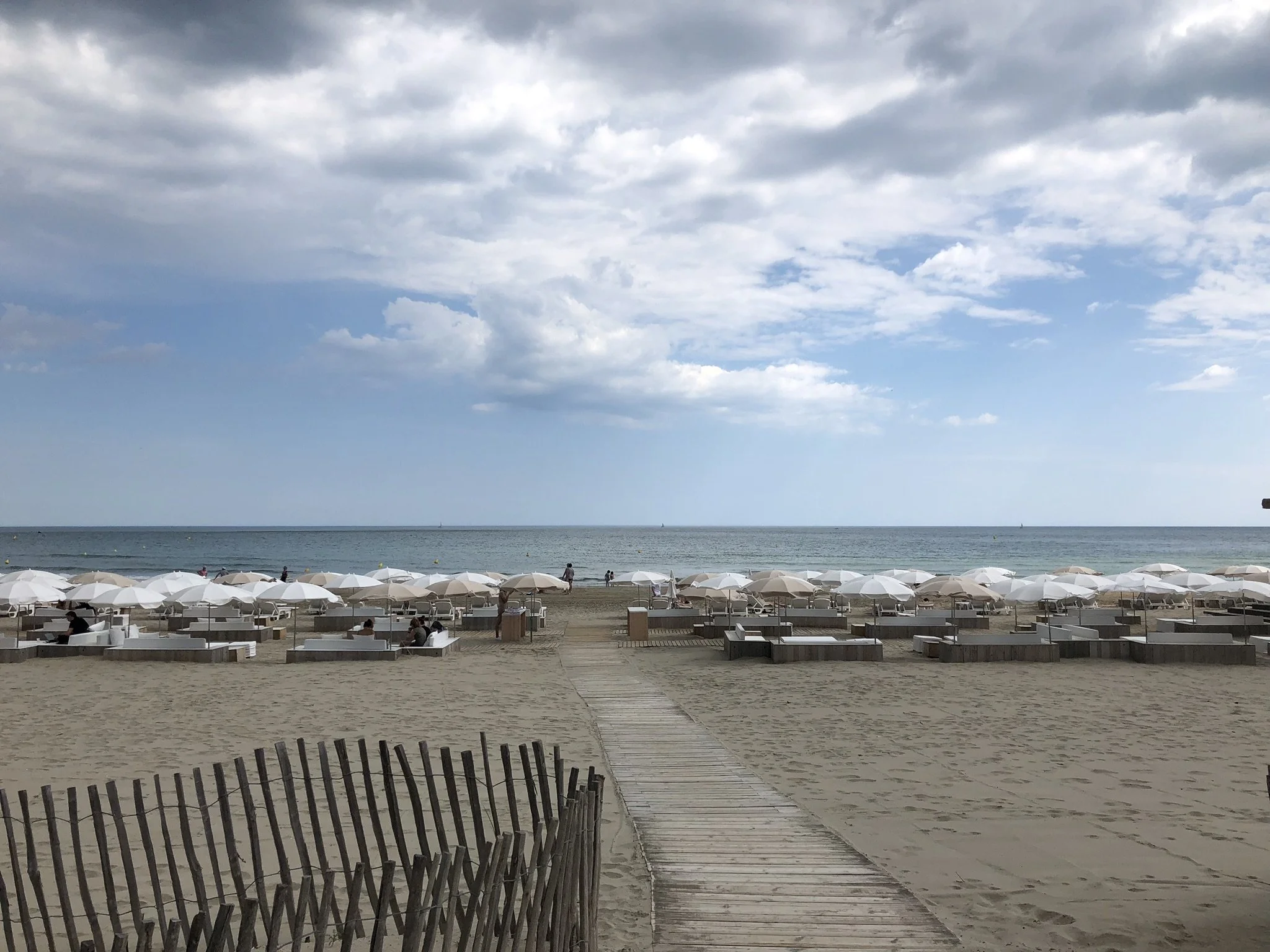
We’ve been to the Provençal Riviera three times and stayed in three different locations – La Seyne-sur-Mer, Palavas-les-Flots, and Nice (which covers a pretty big chunk of the area).
When there, I recommend relaxing on the beach or at the pool, strolling Nice’s Promenade des Anglais and Old Town, visiting local markets, enjoying wonderful seafood dishes, and soaking up the sun and culture. It is a great place to relax and enjoy the beach vibe, good food, and sunny weather.
EAT! EAT! EAT! ENJOY THE LOCAL CUISINE
Provençal dining is not to be missed. It is a Mediterranean celebration of seasonal produce, locally made olive oil, aromatic herbs, seafood, meats, and fresh vegetables… all paired with regional wine.
You can choose from cozy, casual cafes to top-tier Michelin starred restaurants, and everything in between. Our favorite is the 3-course lunch menus that change daily based on the morning market’s harvest. It is farm-to-table at its best!
Some of the places we’ve eaten include:
La Table du Domaine Perréal (Gargas): This delightful restaurant serves seasonal Mediterranean dishes with ingredients from local producers and their own vegetable garden. We ate on their garden terrace and it was beautiful! The Domaine also has a vineyard so they serve their very good, organic and biodynamic wines. The food and experience were A+.
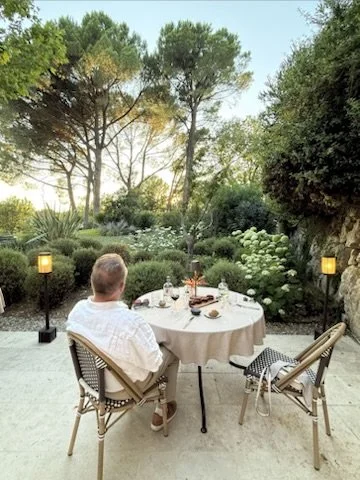
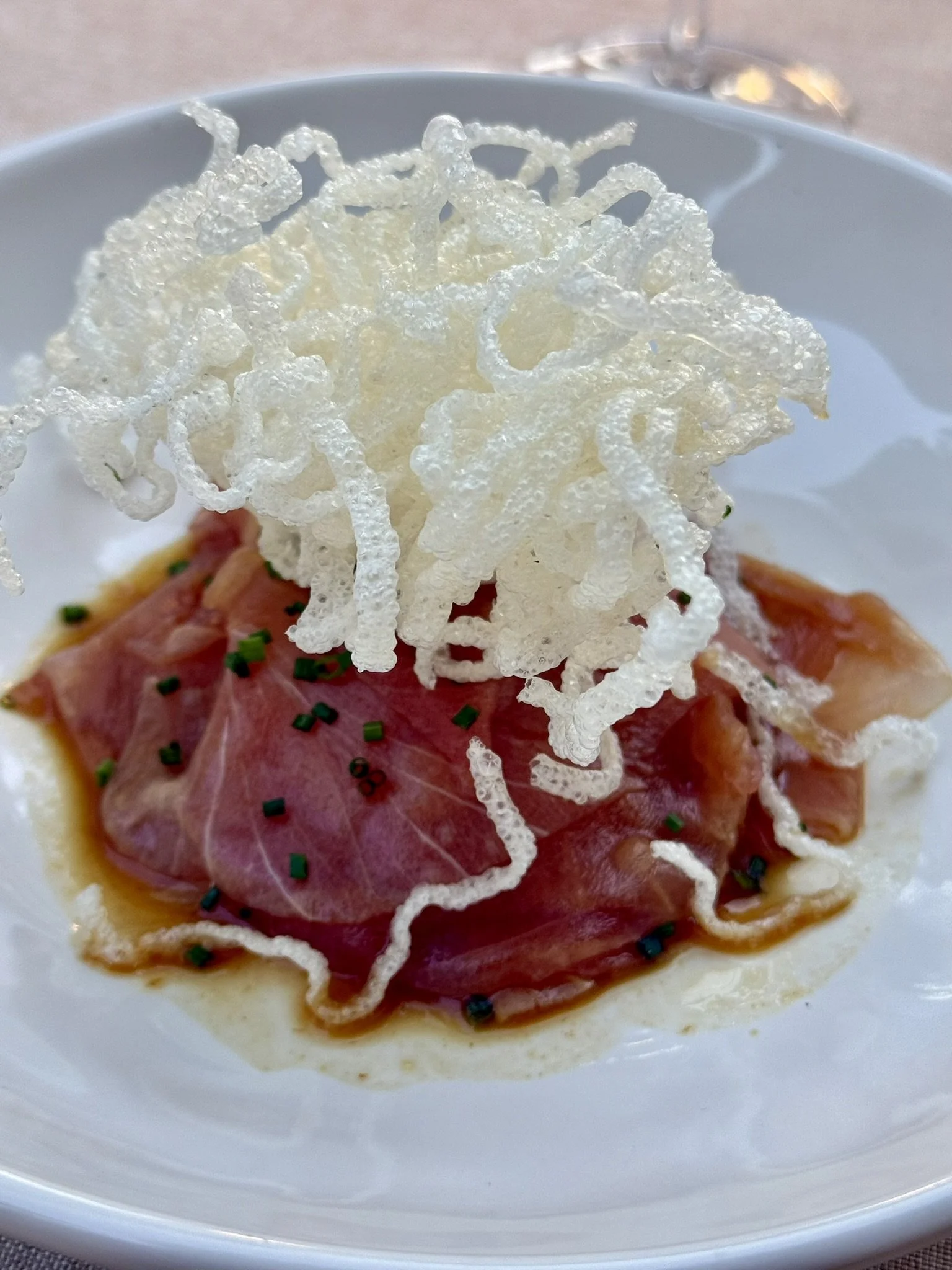
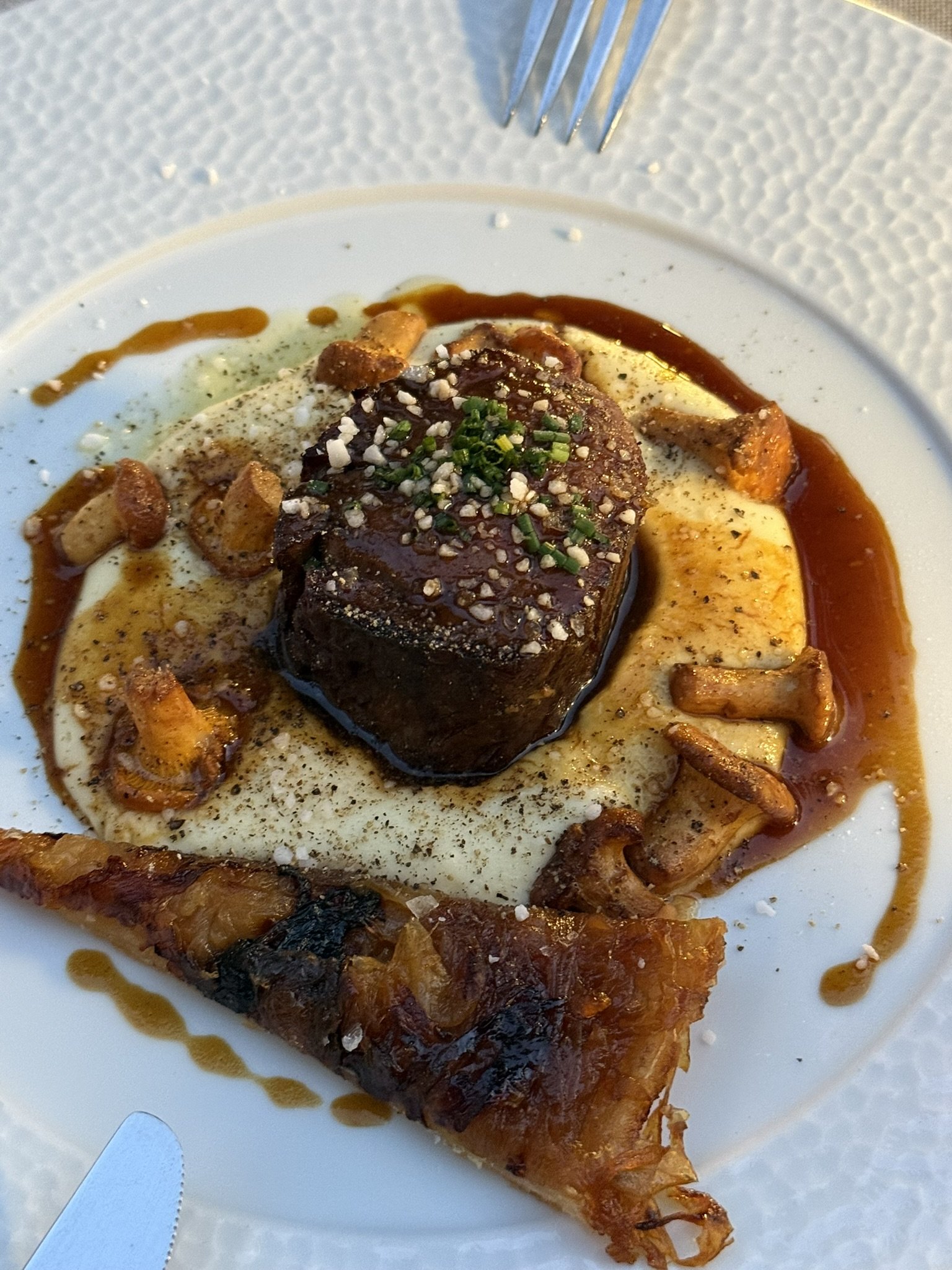
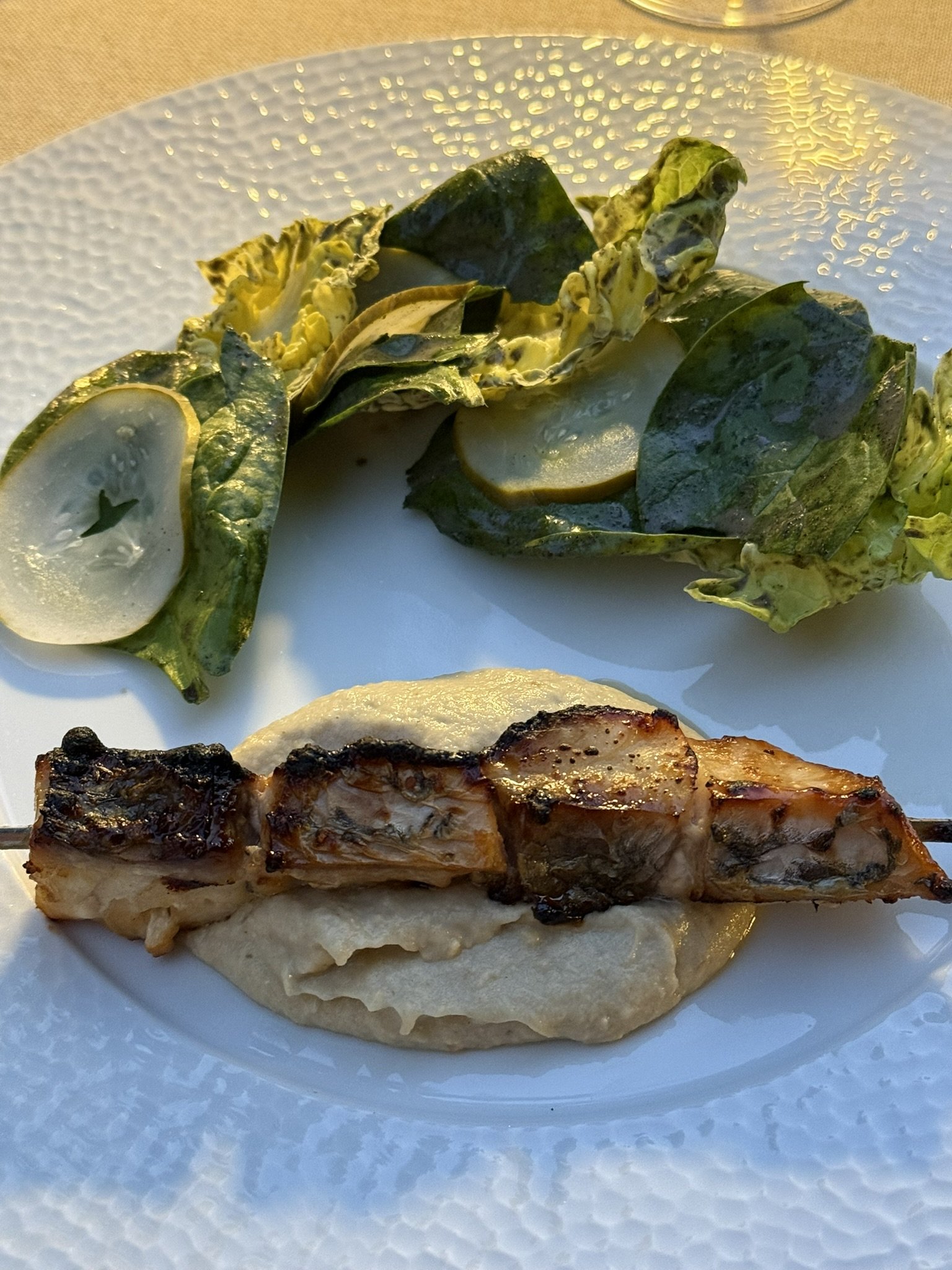
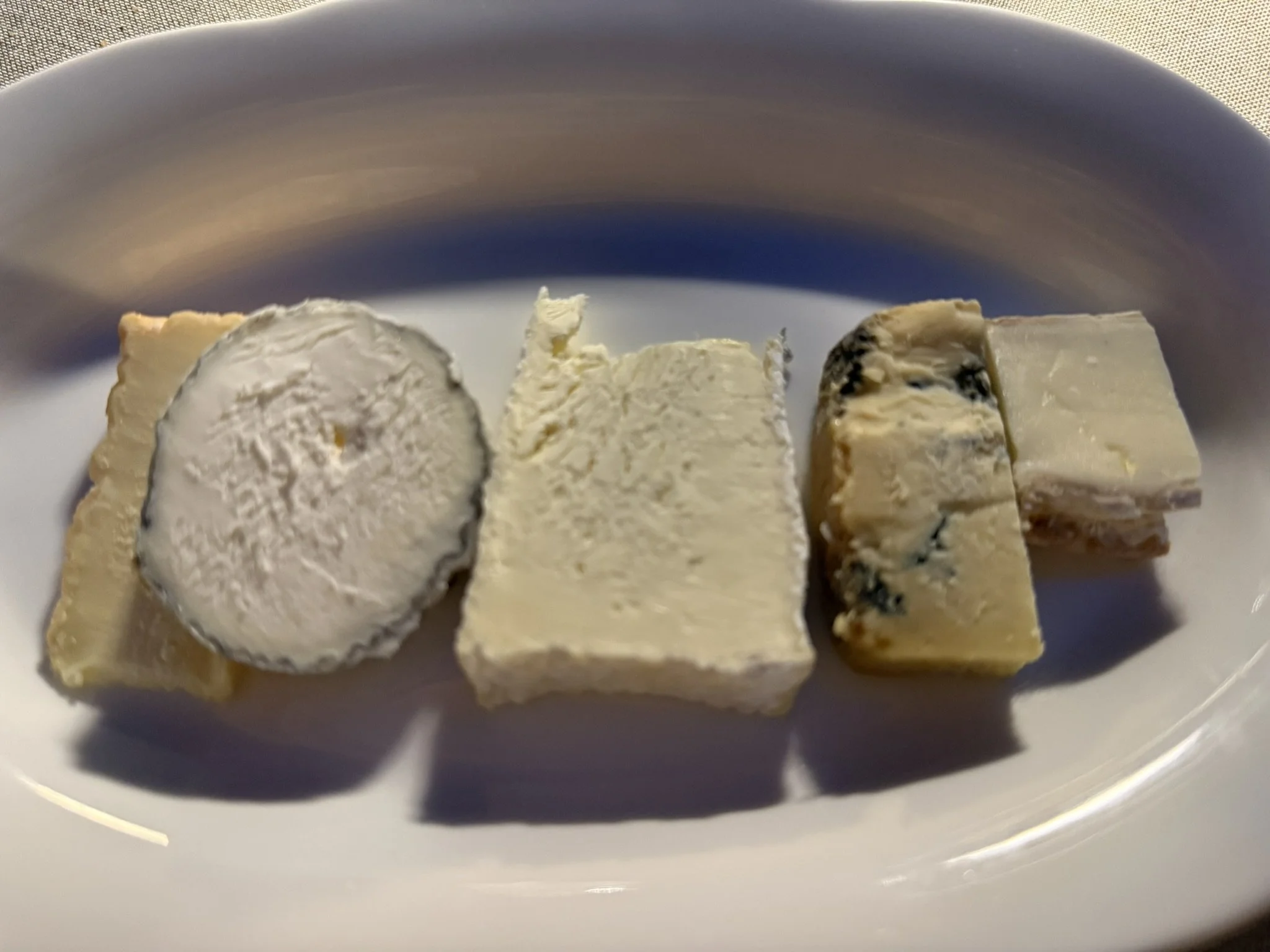
Café de France (Lacoste): This is a beautiful little restaurant in a hotel set on a suspended terrace just steps away from the Chateau de Lacoste. The views of the valley and nearby Bonnieux are stunning. They feature local food. We highly recommend a drink or meal on the terrace.
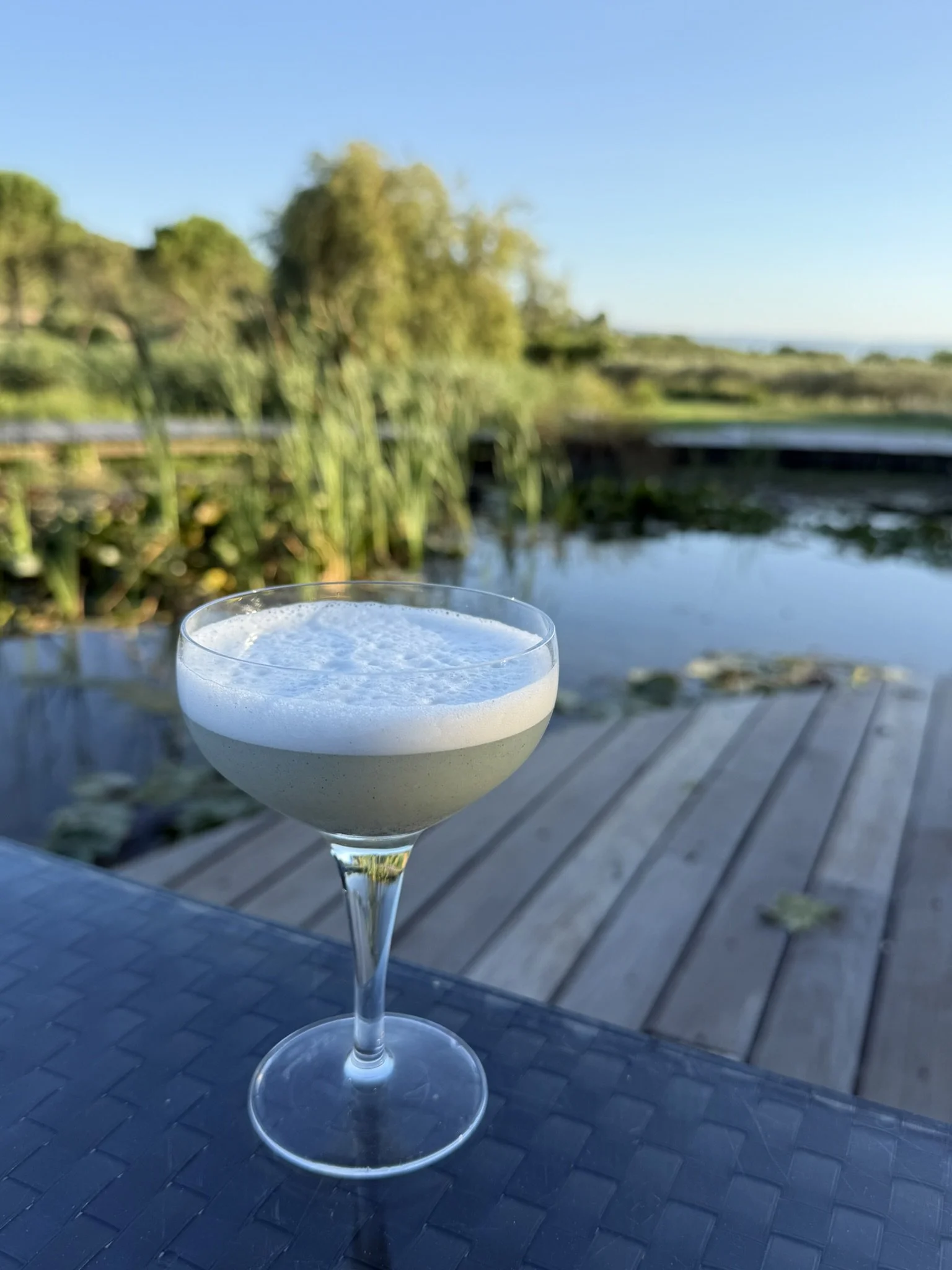
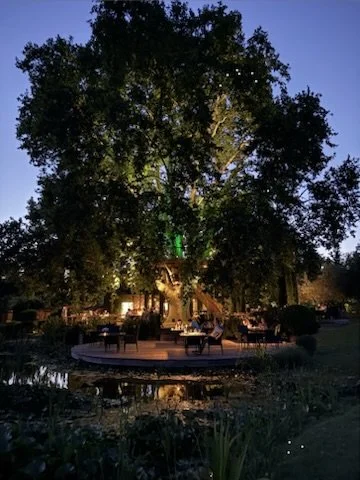
Le Platane at Domaine Andéols (Saint-Saturnin-lès-Apt): The restaurant at our hotel was beautiful! Set outside under a gorgeous old tree with views of vineyards and lavender. It was an amazing place to dine. The food is regional and farm-to-table with many of the ingredients grown and sourced from the estate’s garden and orchards. The food was good but not the best we’ve had in the area. But the experience and setting were great.
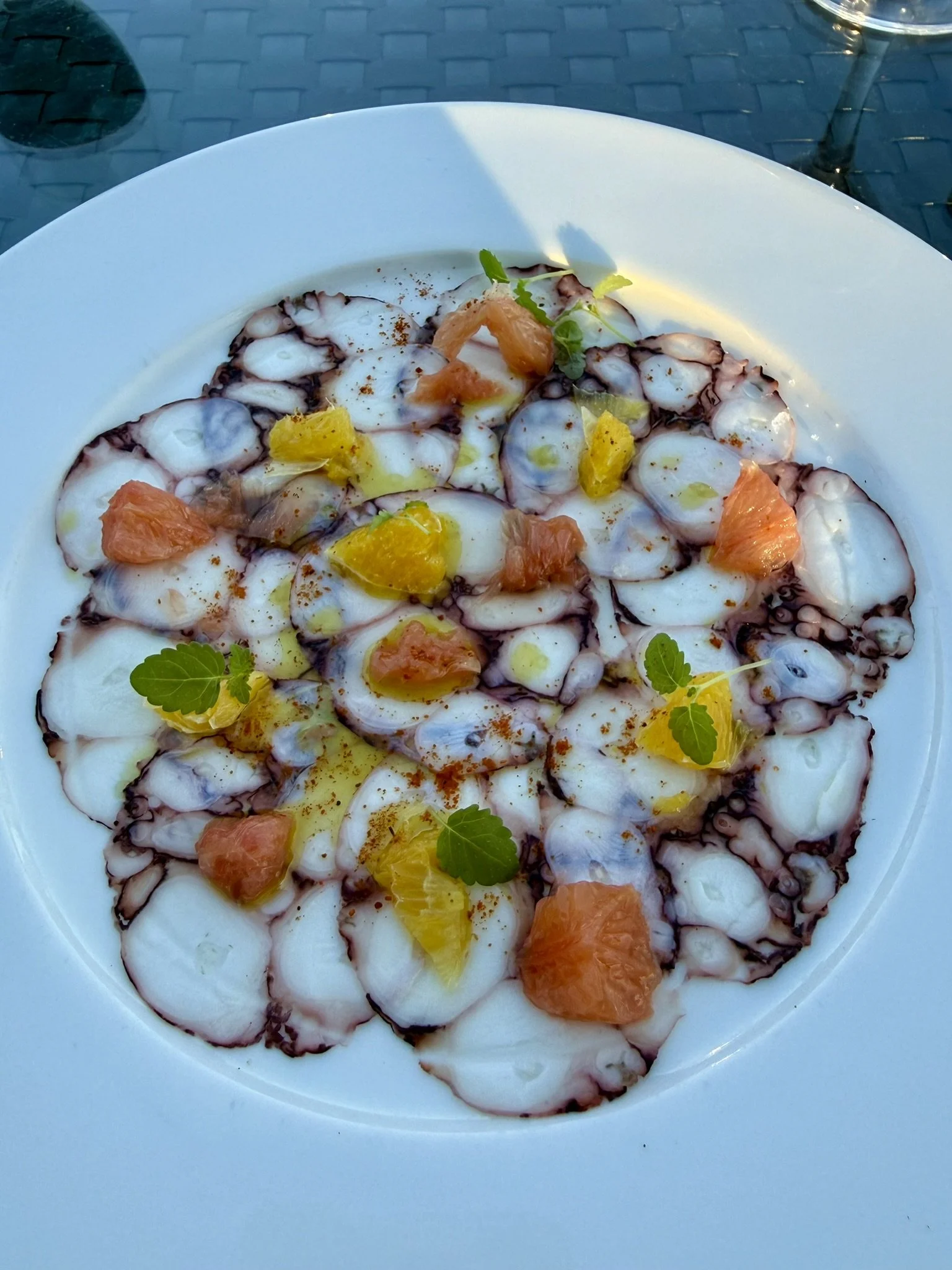
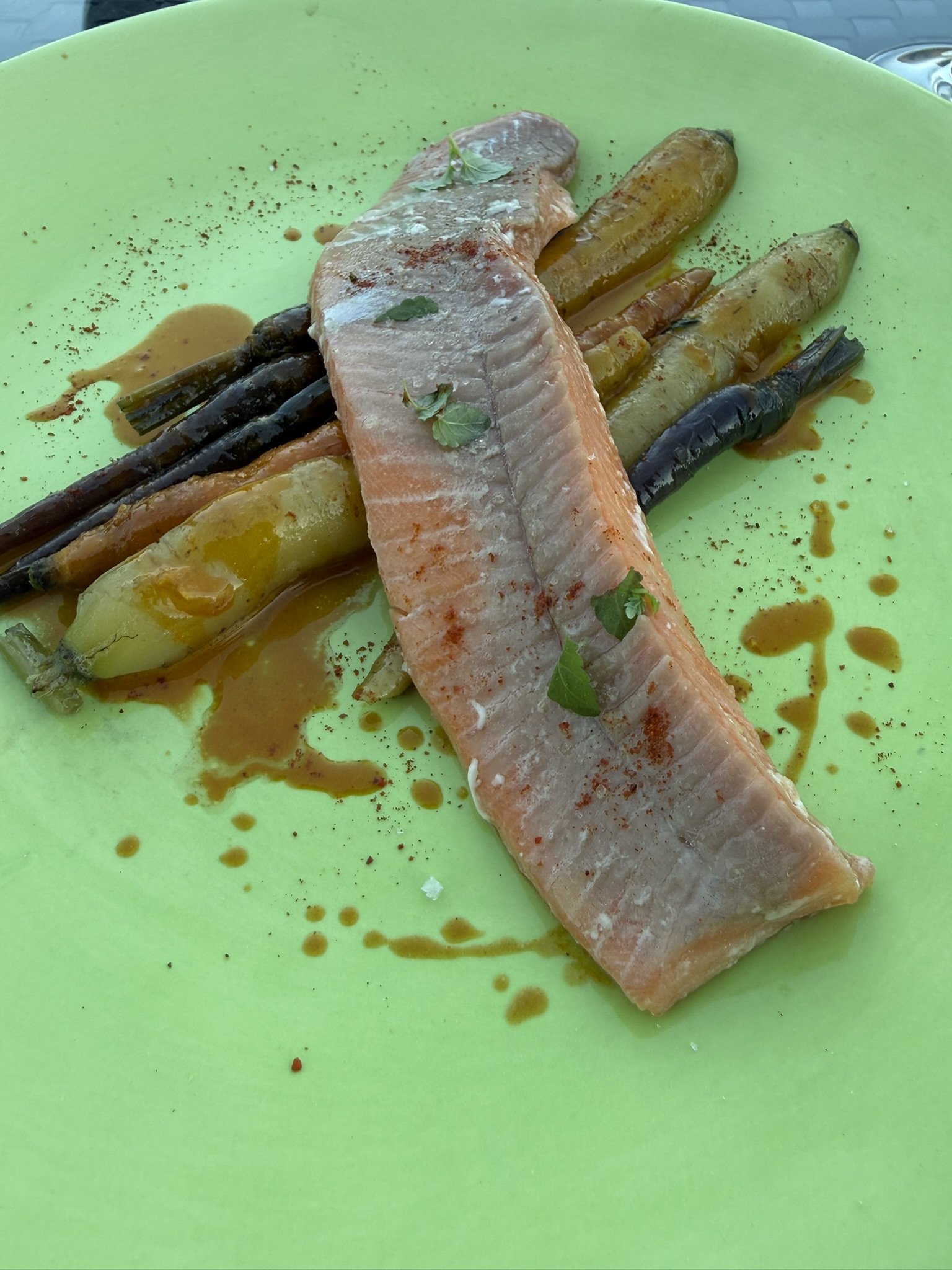
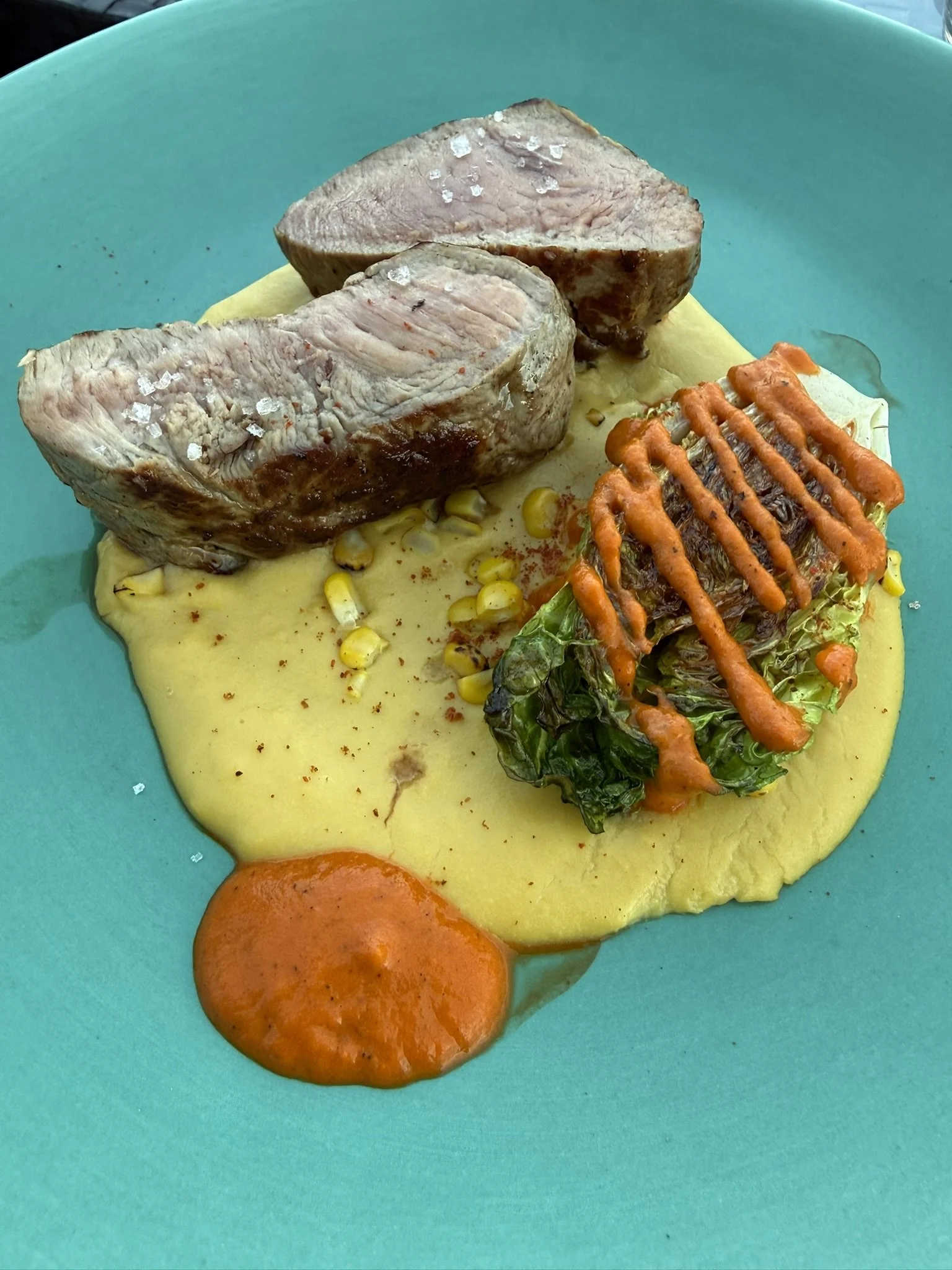
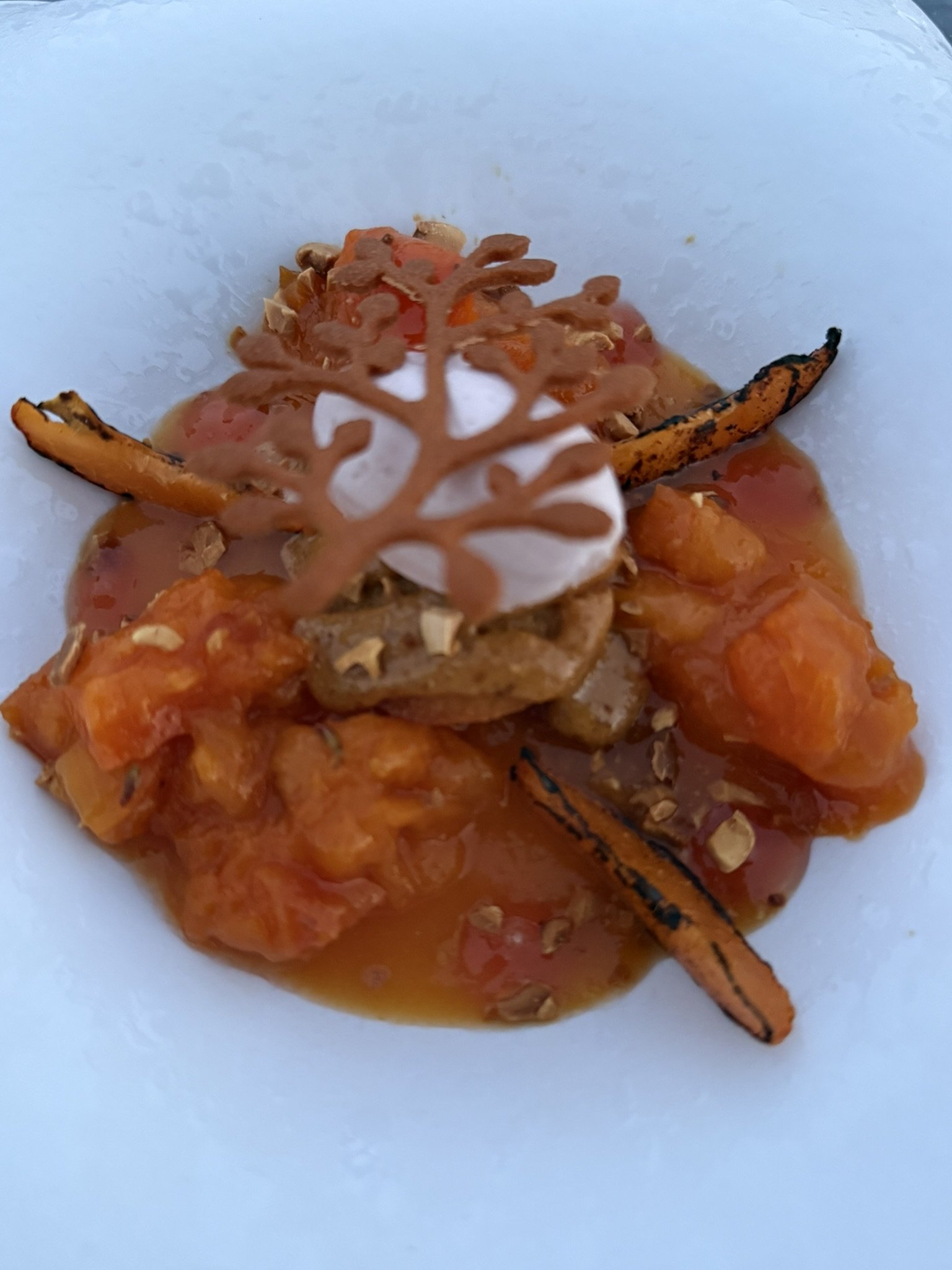
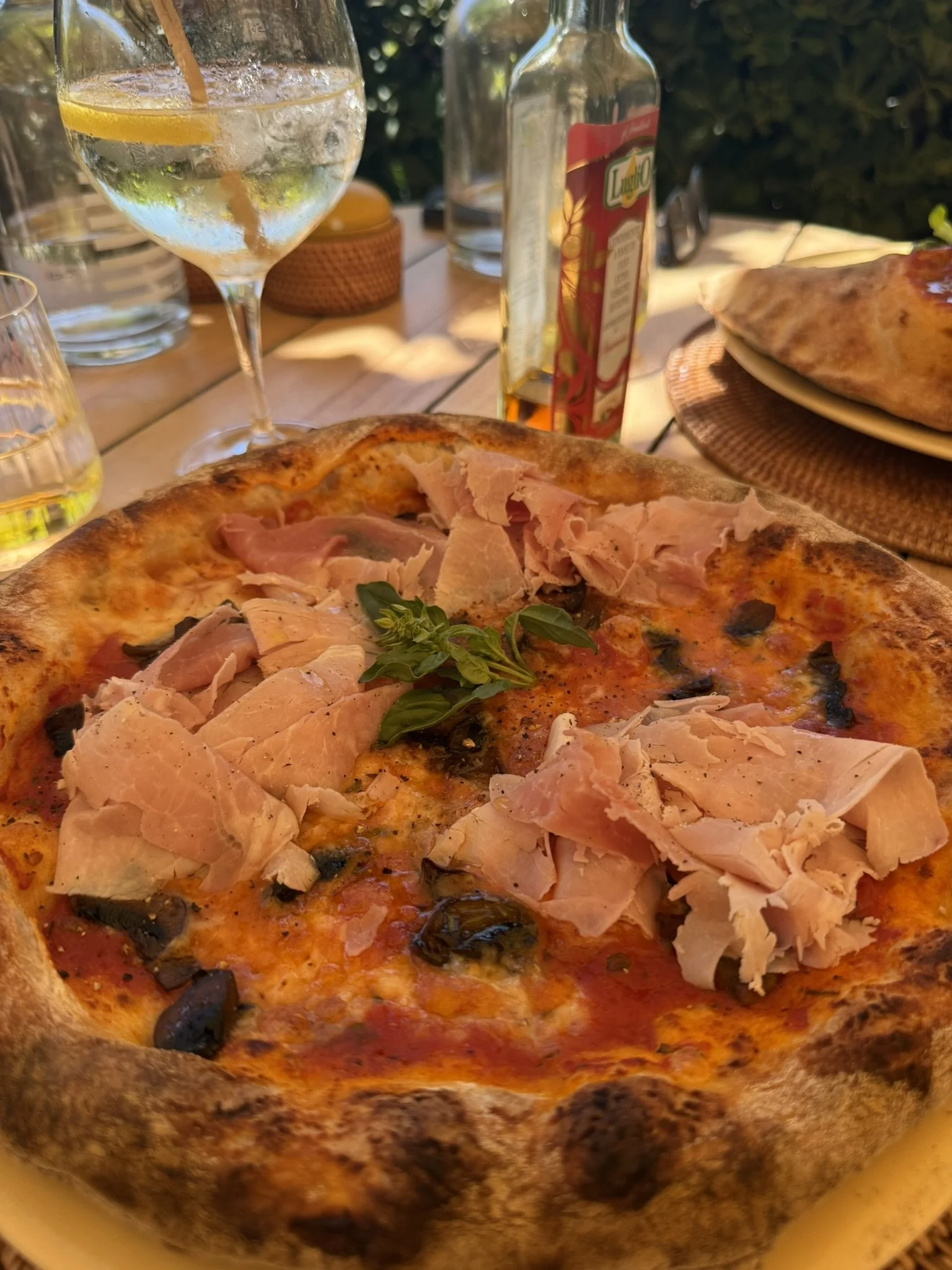
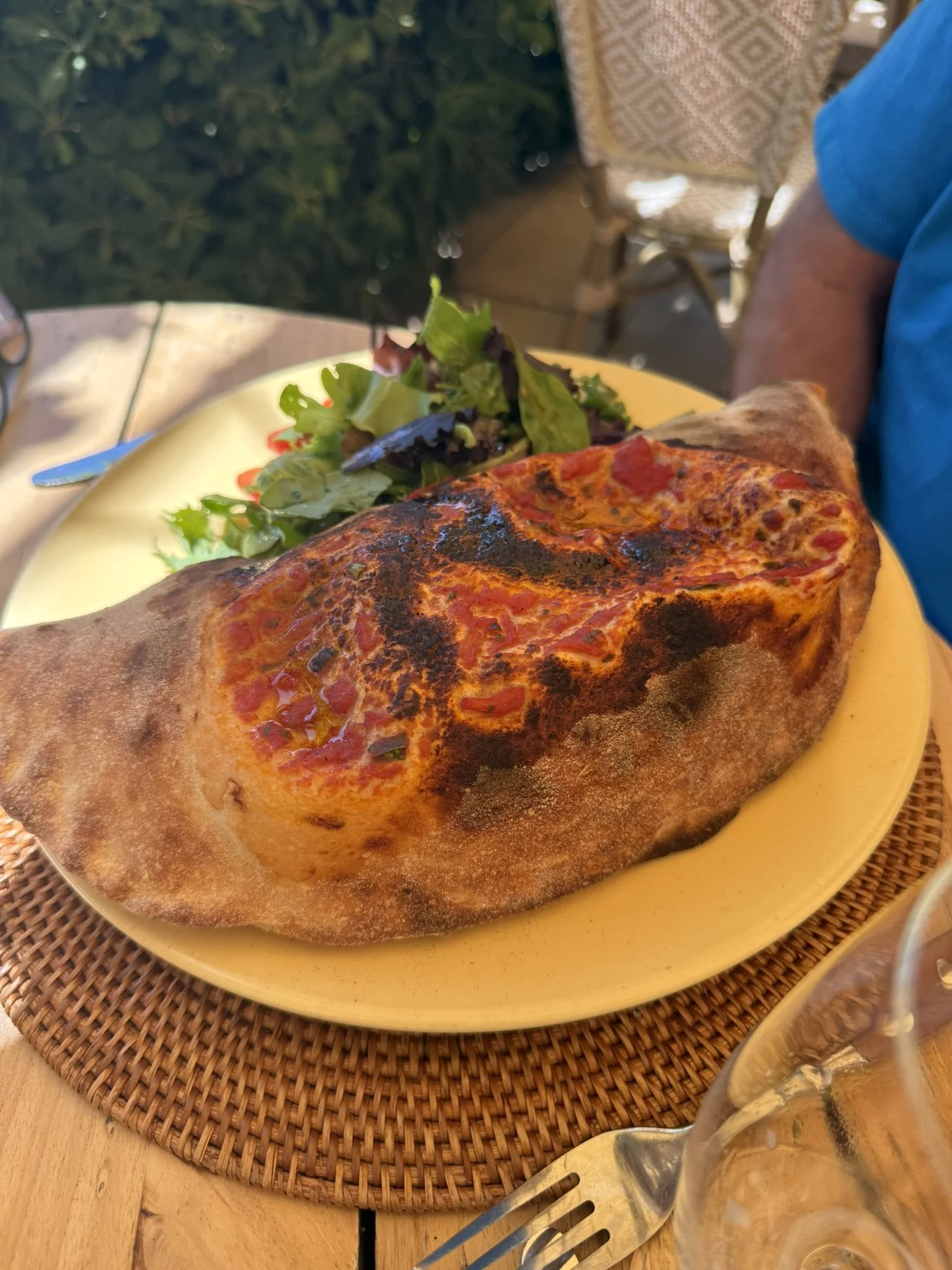
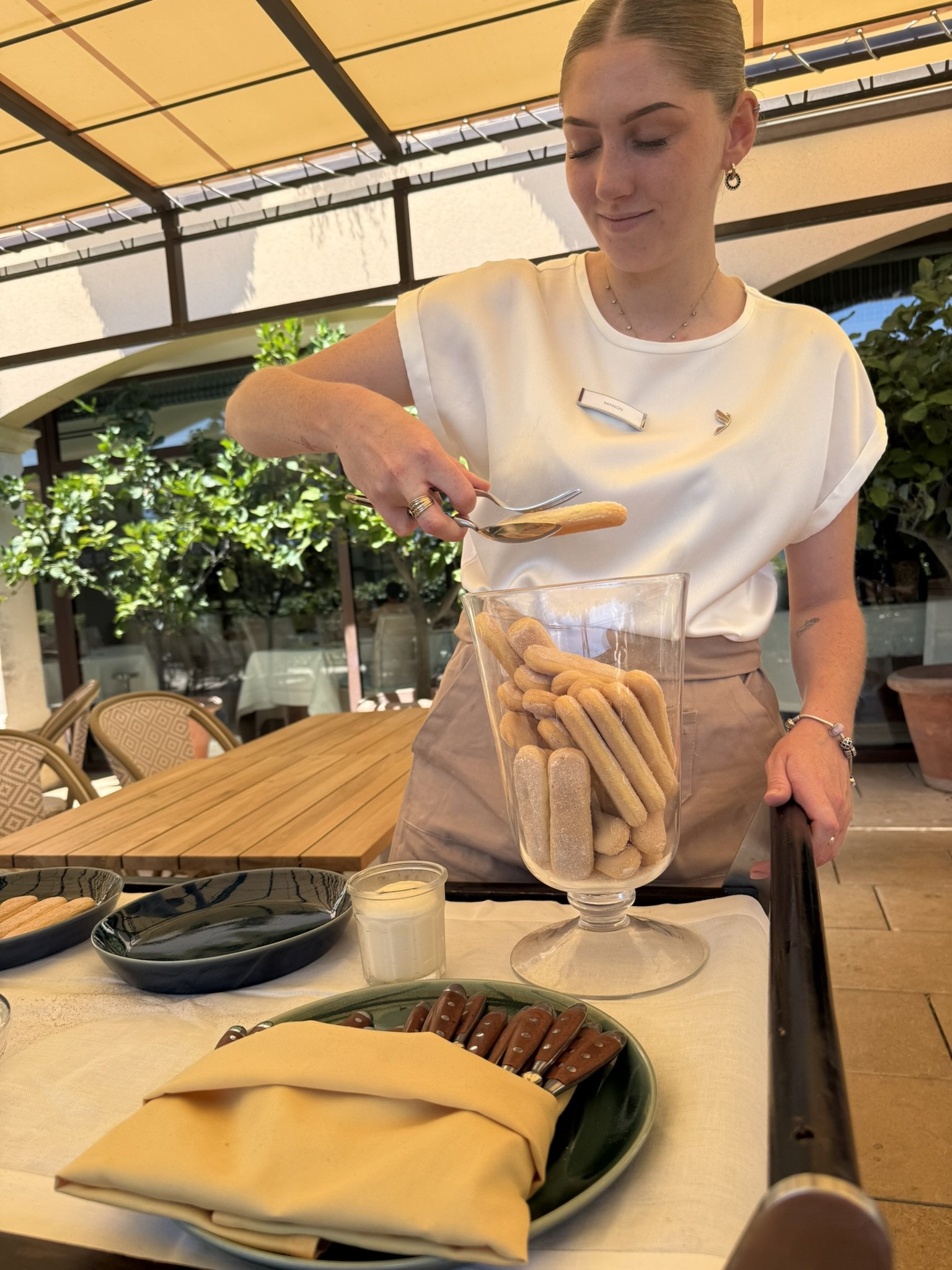
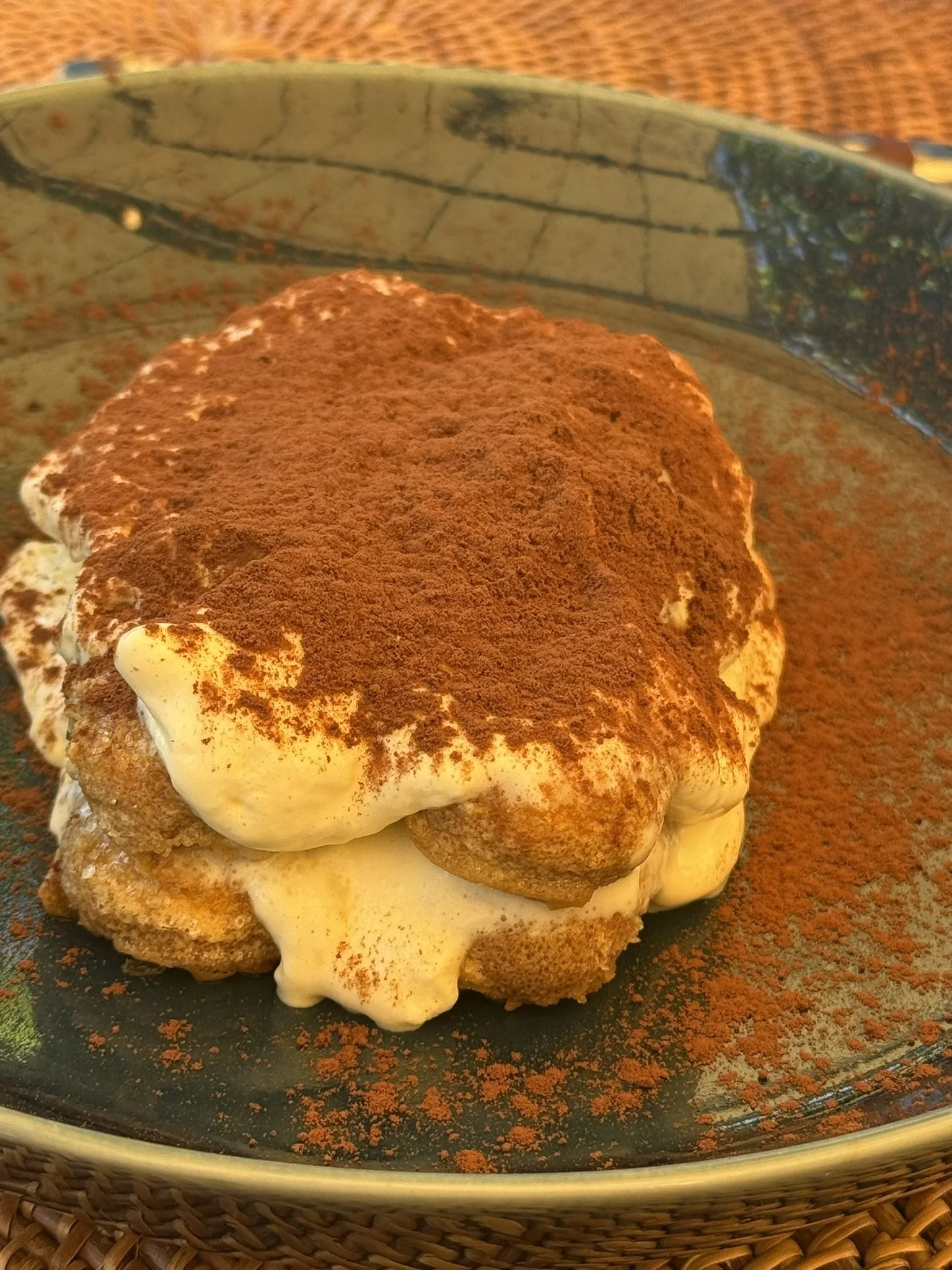
Cipressa at Coquillade Provence Resort & Spa (Gargas): This was a great lunch stop. It is an Italian restaurant at a luxury resort and spa with great pizzas, calzone, salads and more. The highlight though was the tiramisu cart! Fresh tiramisu made right at your table.
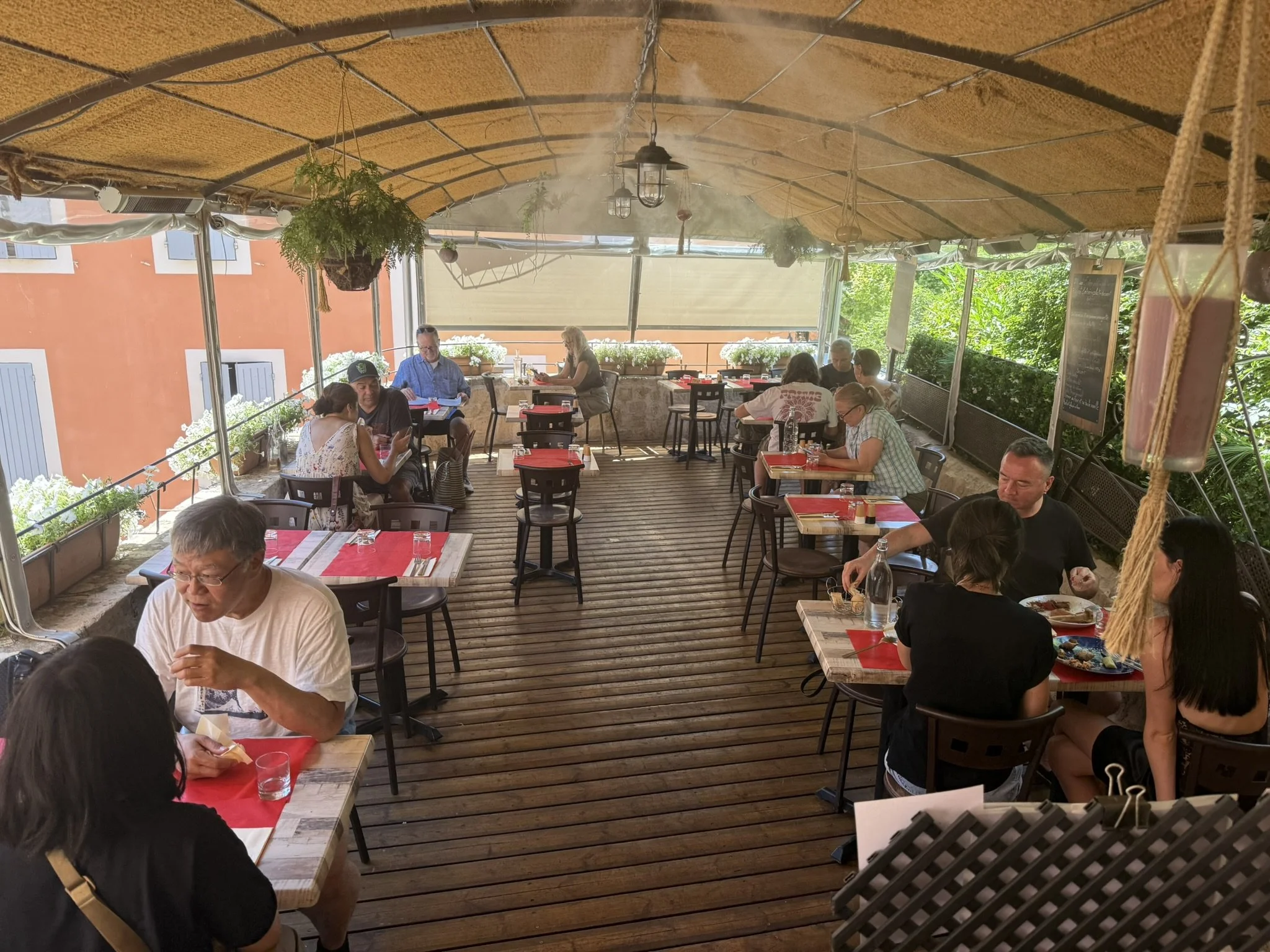
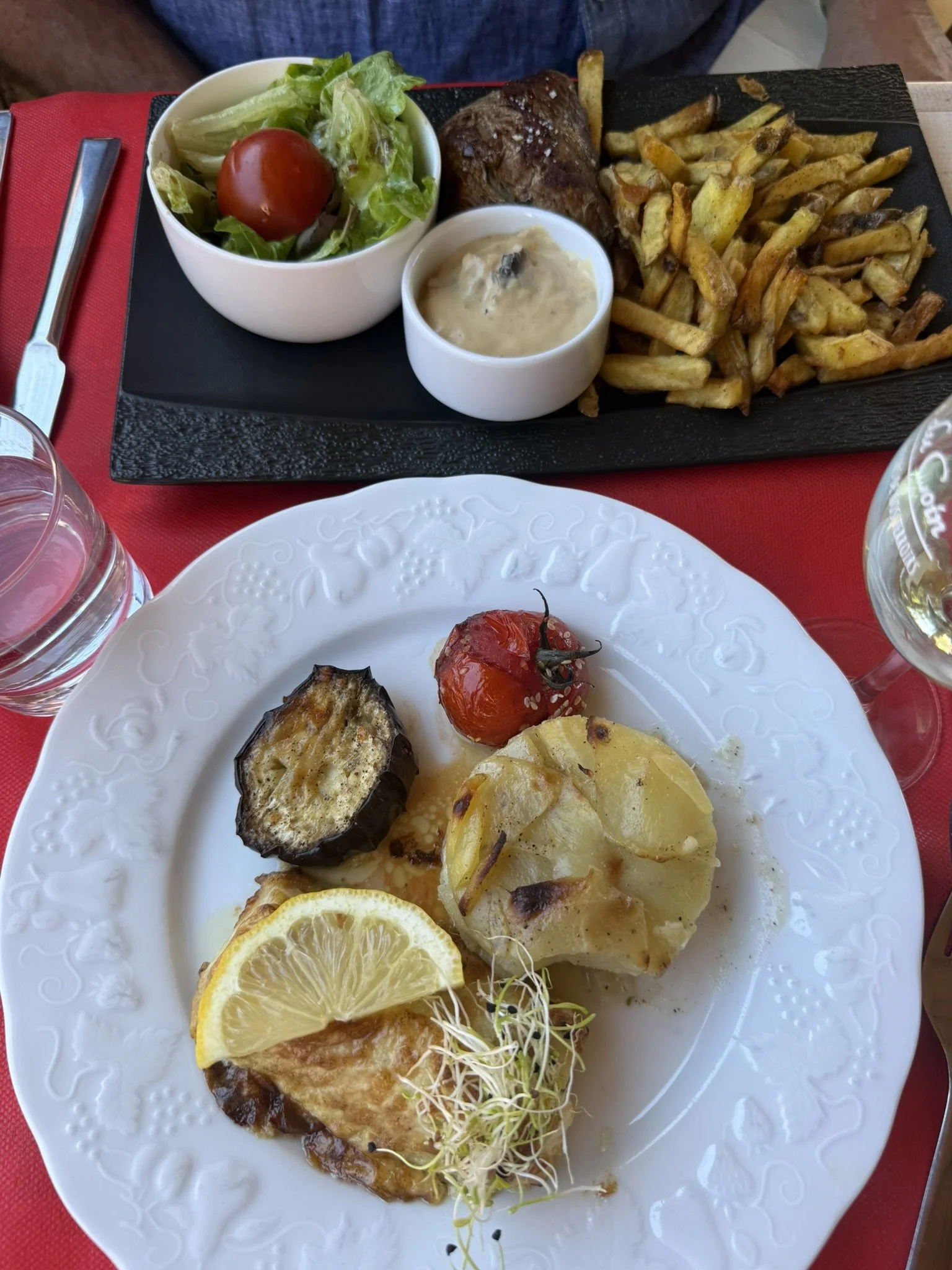
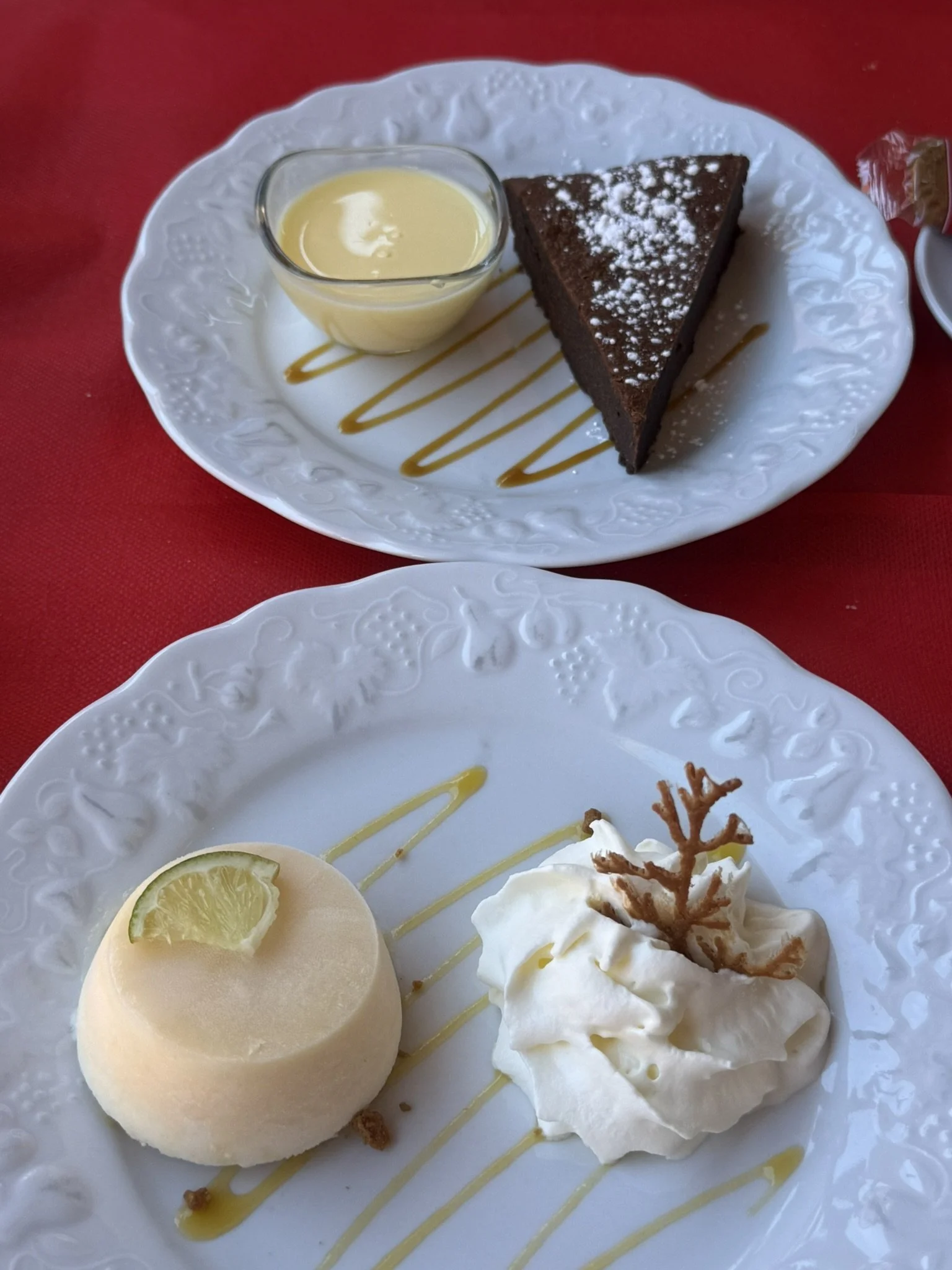
La Grappe de Raisin (Roussillon): This upstairs terrace restaurant is located in the heart of Roussillon. They have traditional home cooking, attentive and kind wait staff, and great misters on a hot summer day. We ordered the 3-course lunch menu and everything was so good!
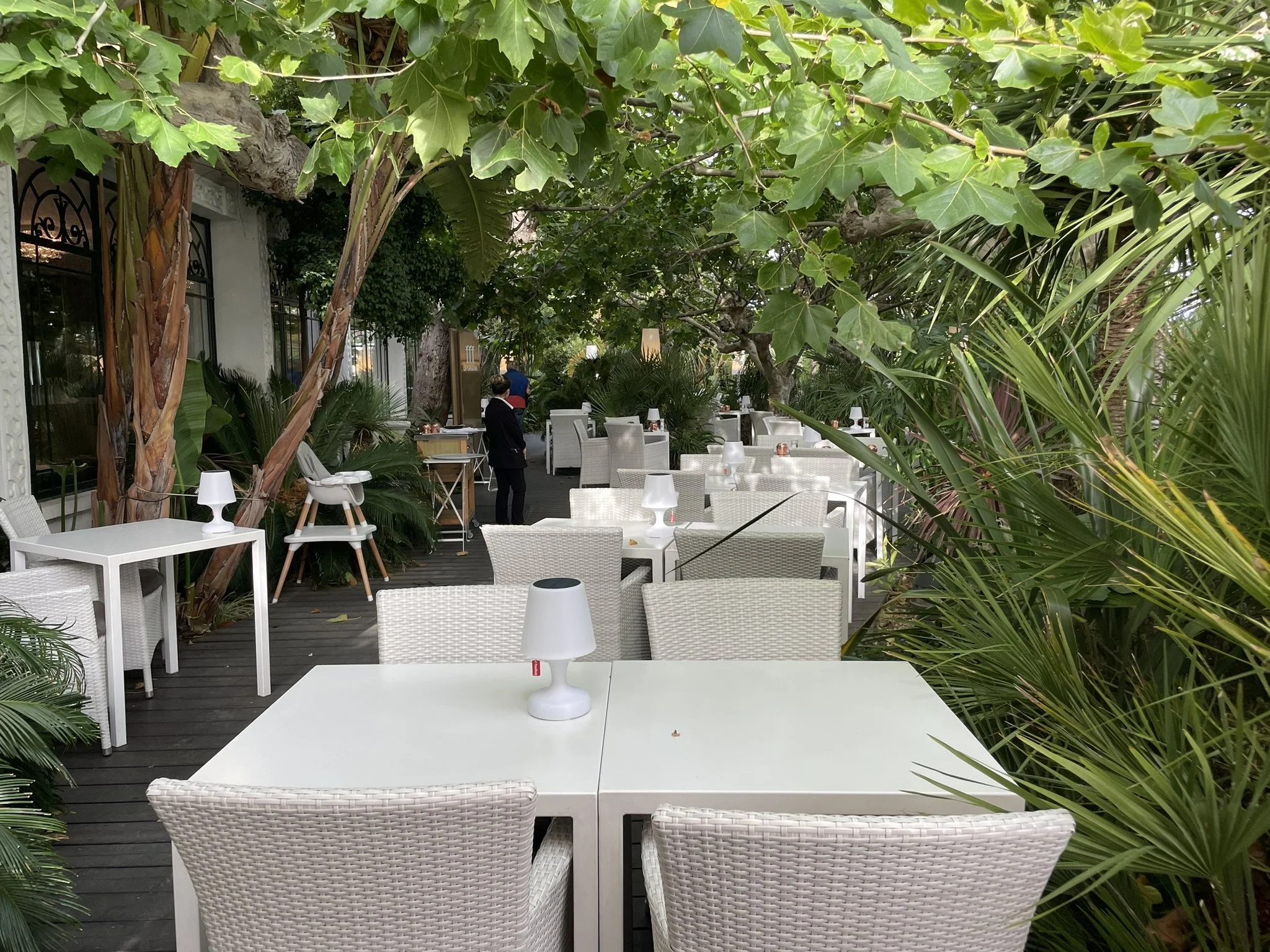
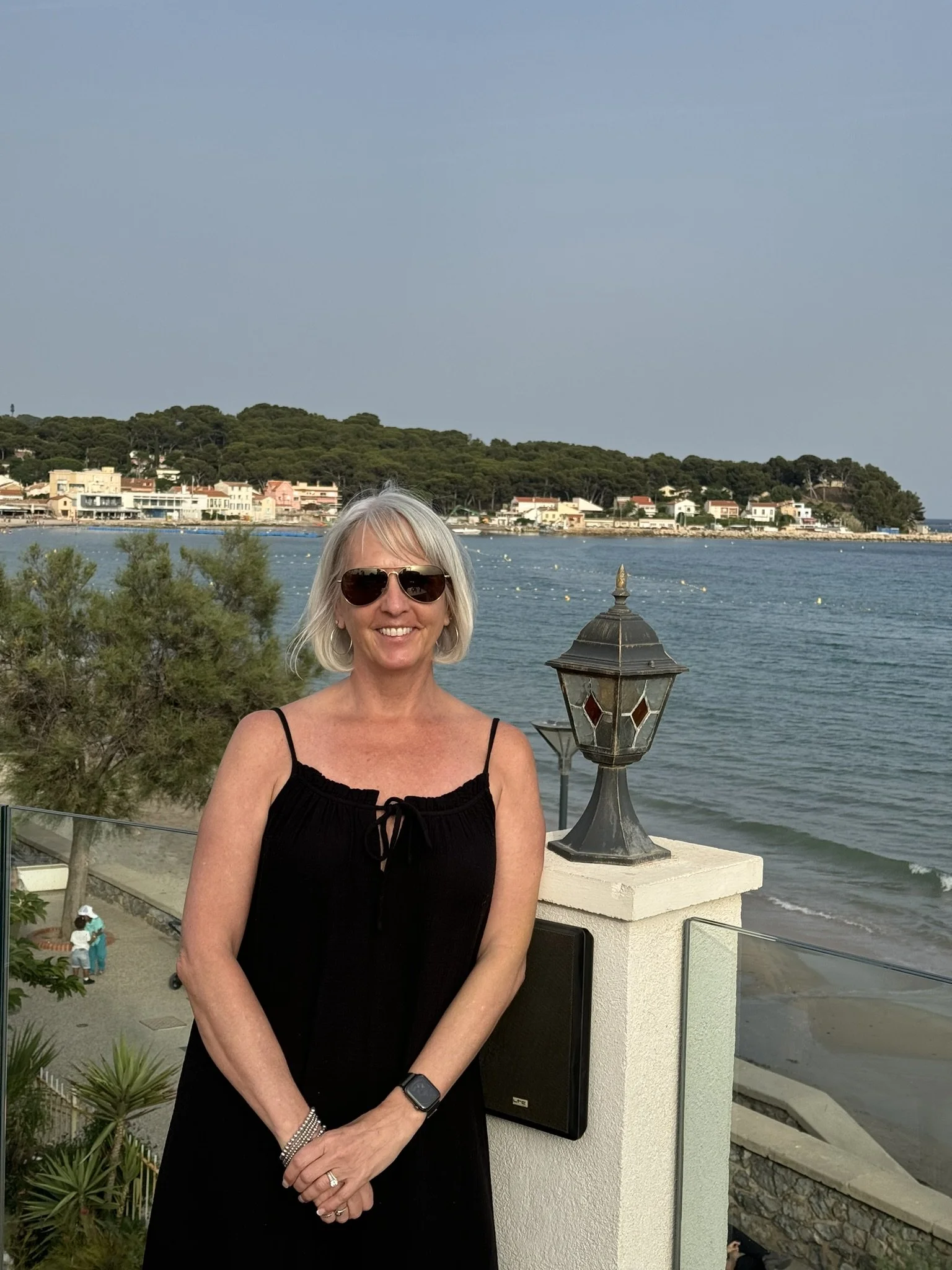
La Galerie at Grand Hotel des Sablettes (La Seyne-sur-Mer): This is a beautiful, glass-roofed restaurant facing the Mediterranean Sea. They serve seasonal French-Mediterranean cuisine.
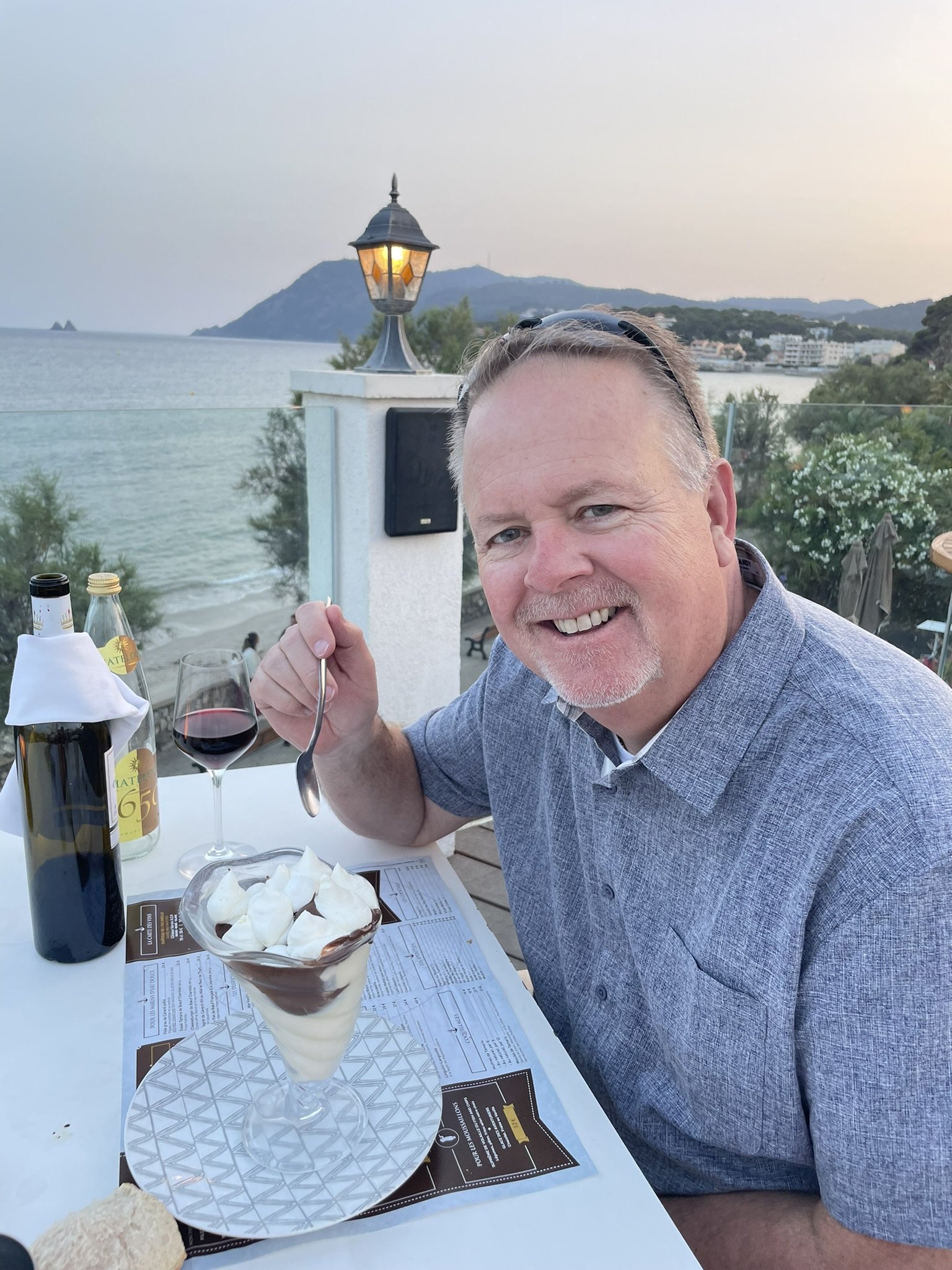
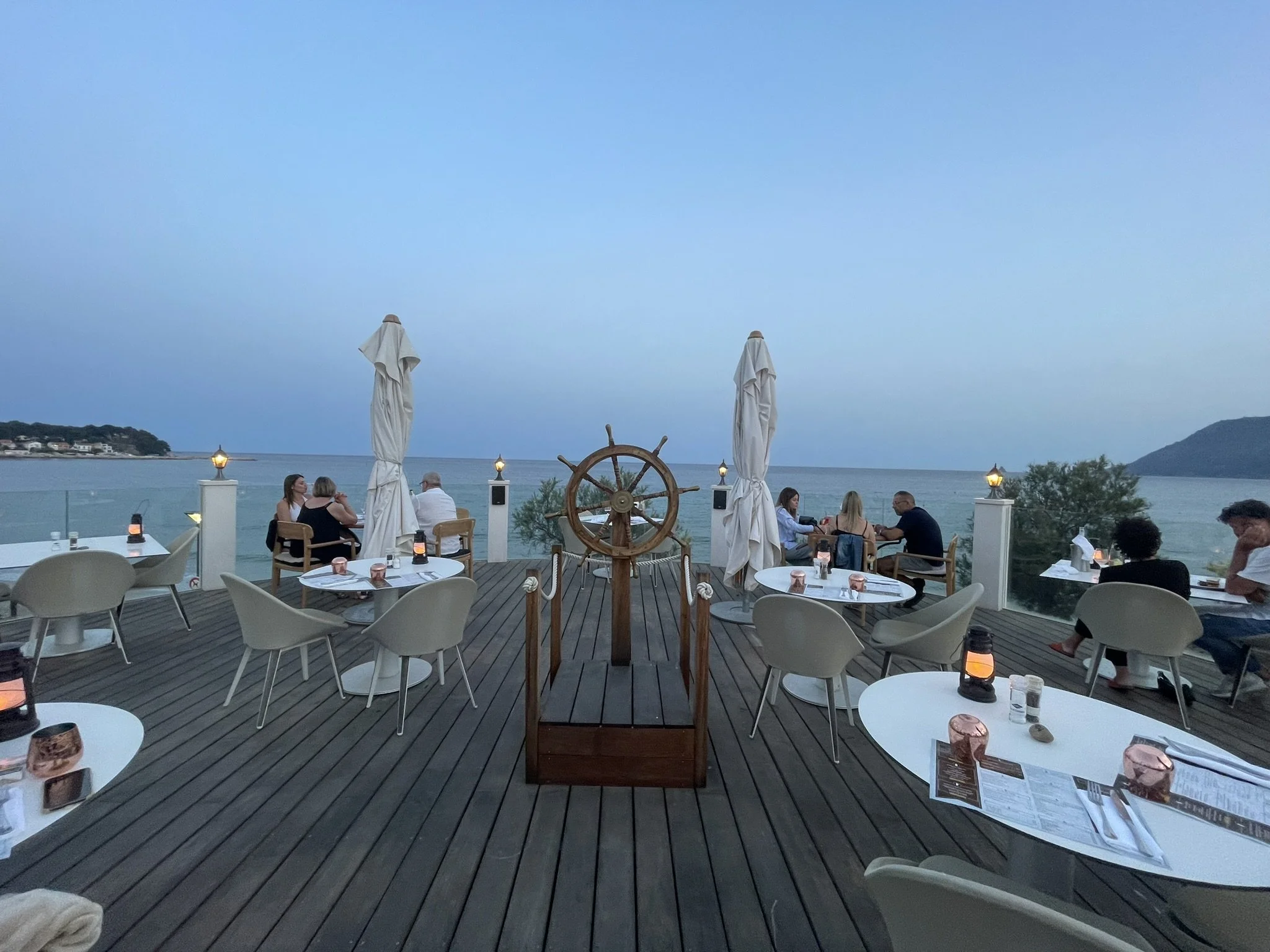
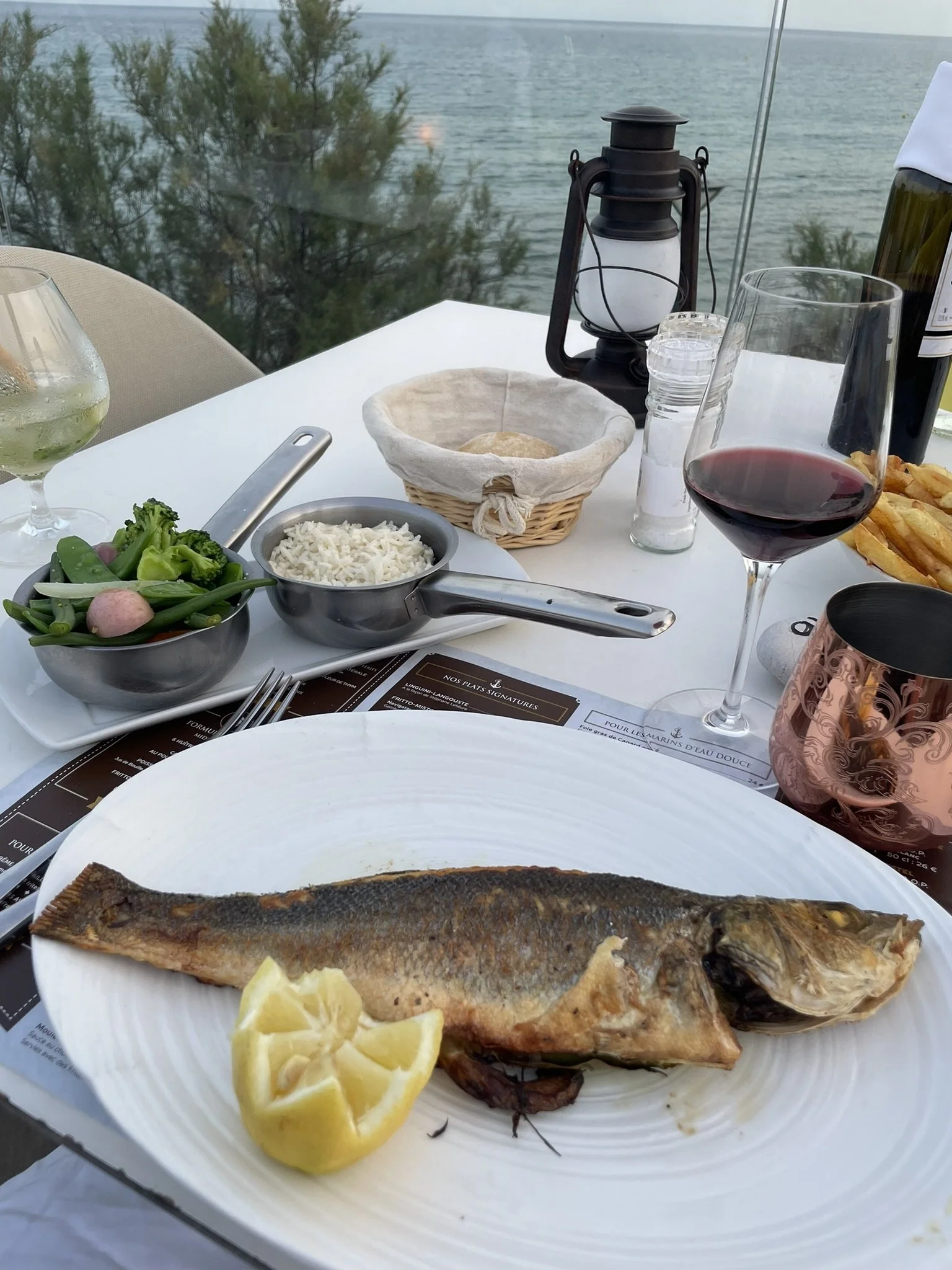
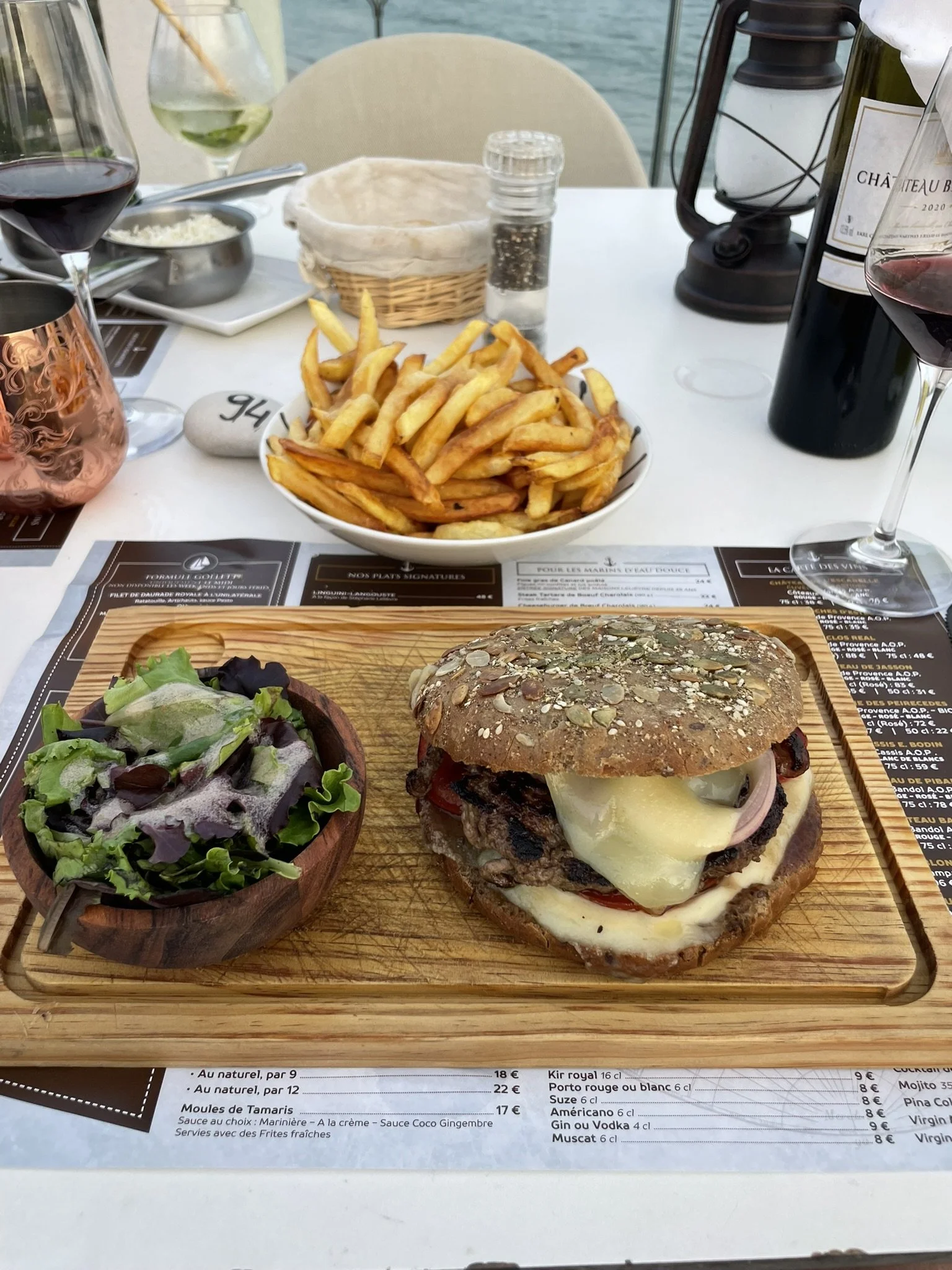
Le Navigateur (La Seyne-sur-Mer): This restaurant has breathtaking, panoramic views of the Bay of Sablettes and the Mediterranean Sea. They specialize in locally caught seafood and Mediterranean cuisine. Our experience was good and the views couldn’t be beat, but the online reviews are mixed.
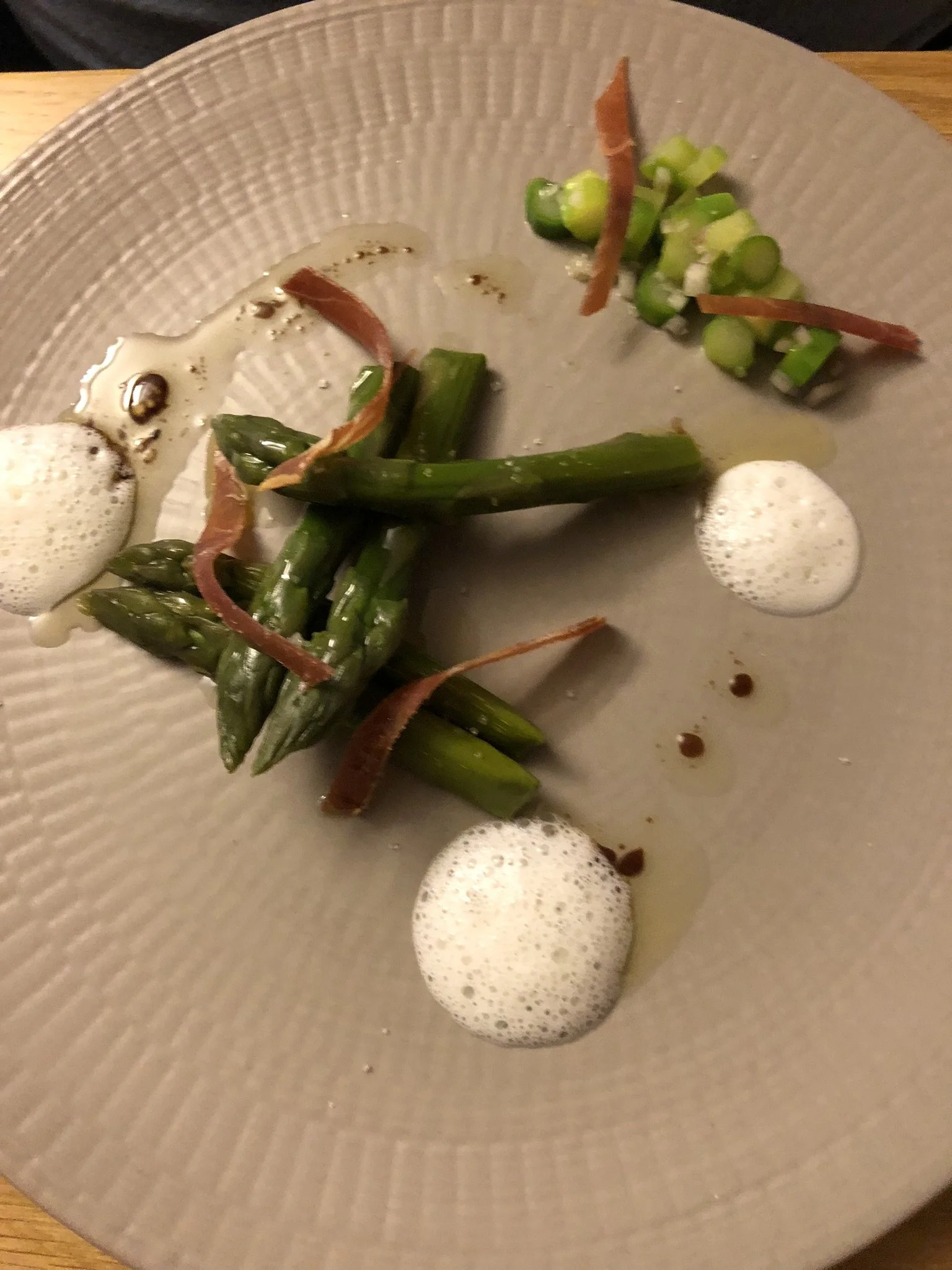
Accueil at La Bégude Saint-Pierre (Vers-Pont-du-Gard): This was a very good restaurant at the hotel we stayed at near Pont du Gard. It was charming with local cuisine and great service.
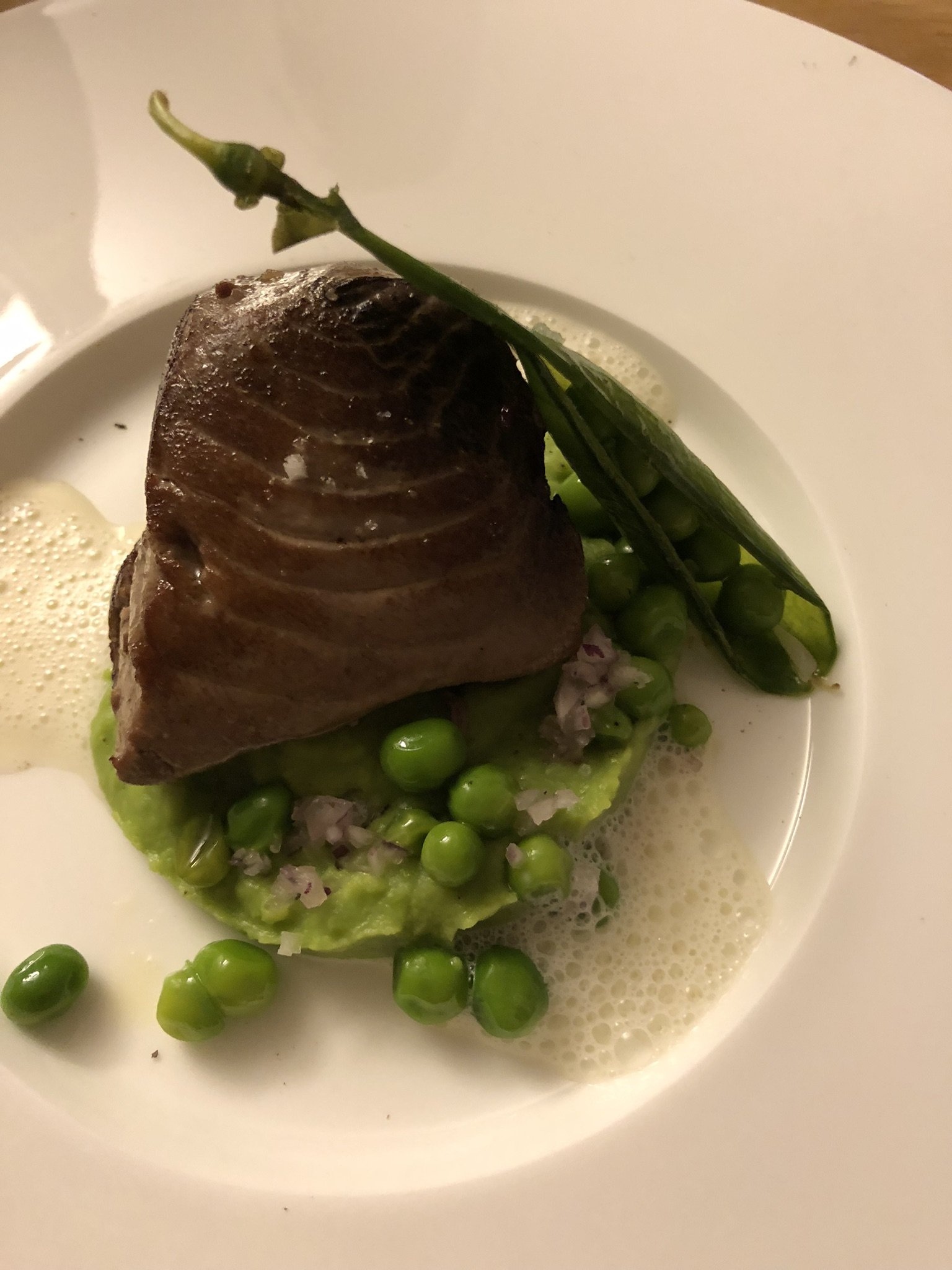
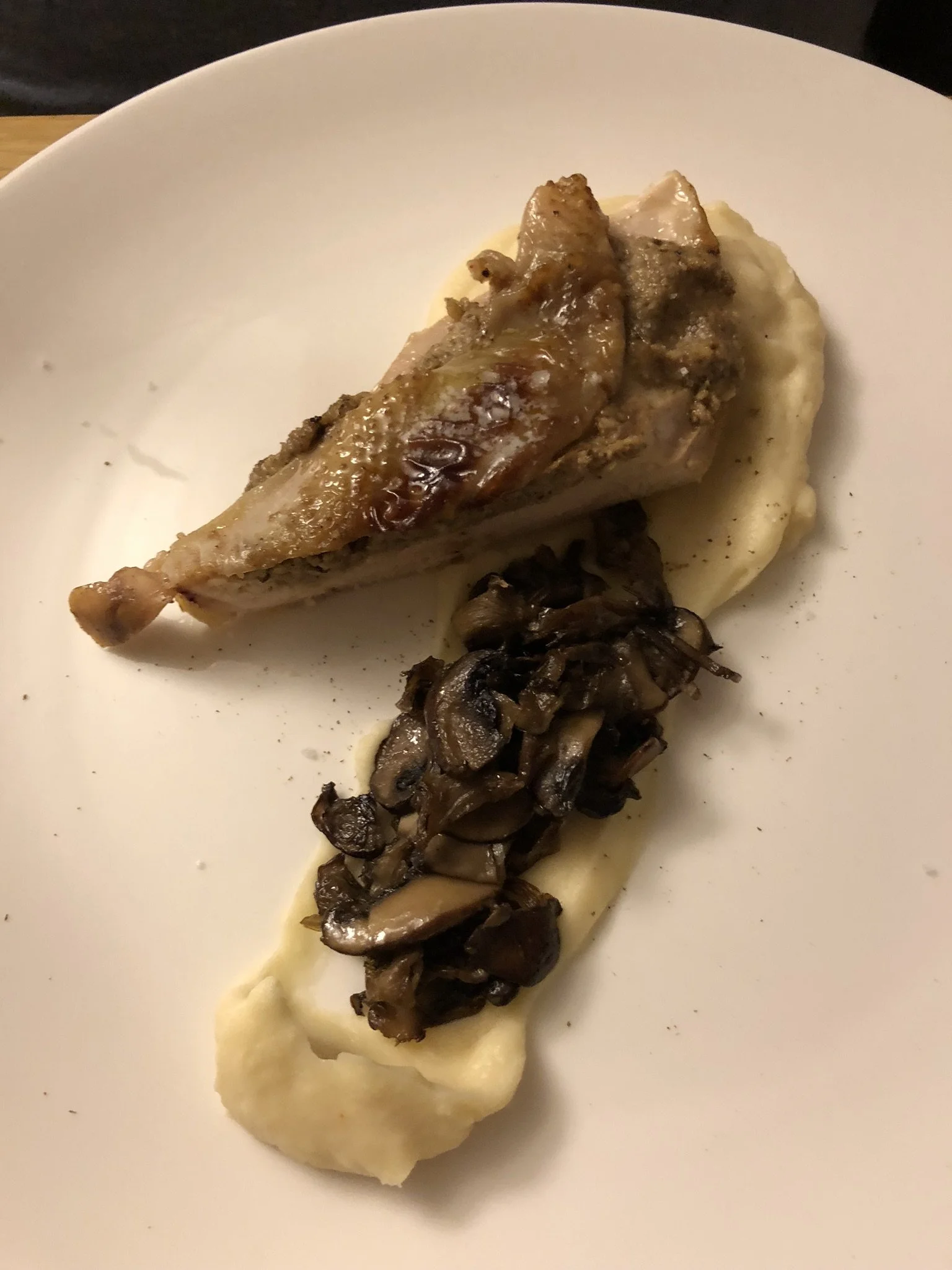
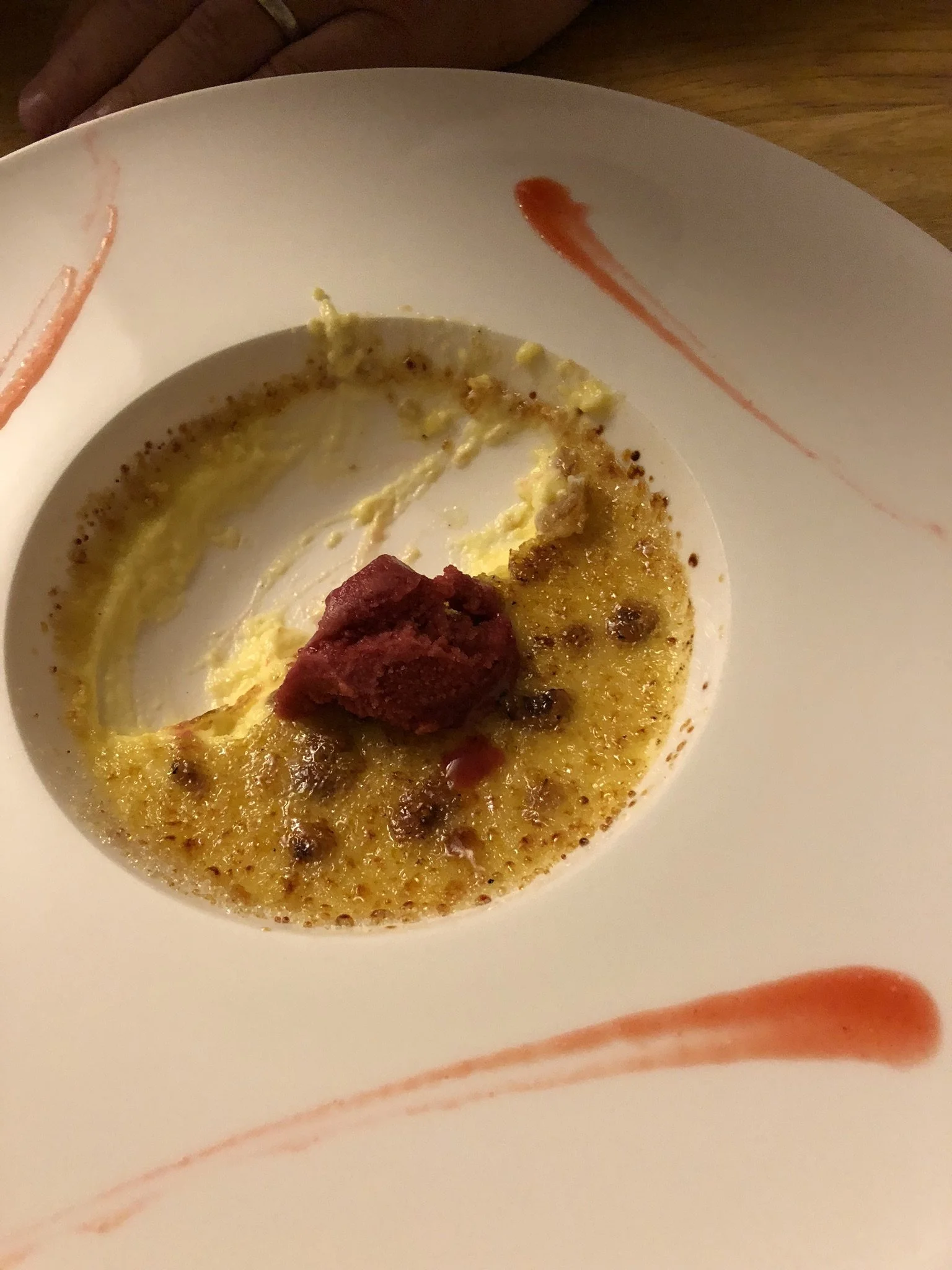
TIPS AND LOGISTICS FOR A SUCCESSFUL TRIP TO PROVENCE
The sections below share some tips and logistics that we recommend for a successful trip to Provence. These include how much time to spend in Provence, best time to travel to Provence, how to get around Provence, and where to stay in Provence.
HOW MUCH TIME TO SPEND IN PROVENCE
The first answer that comes to mind is FOREVER! I’d recommend going and never leaving! But since that probably isn’t an option for most people…
We’ve never spent more than 3-4 days at a time in Provence. Having said that, I feel like a week would be a great amount of time to spend there. It would allow time to fully explore many of the charming villages, do some wine tasting, enjoy down time at the pool or spa, visit the Mediterranean, and eat lots of meals so you can savor the epic local cuisine.
If you are like us and trying to do this over a long weekend or as part of a larger French/European itinerary, then do what you can in the amount of time that you have.
Getting to be in Provence is a magical experience no matter how much time you have!
BEST TIME TO TRAVEL TO PROVENCE
In my opinion, there is no bad time to travel to Provence! When you go just depends on the experience you are looking for.
Like most places in Europe, most would say the best time to visit is during the shoulder seasons of May to June and September to mid-October. During these times, there will be warm, pleasant weather and fewer crowds… allowing you to enjoy the region's food, wine, and markets at a relaxed pace.
Here are some more detailed timeframes based on what you intend to do:
Lavender Fields (late June to mid-July): If seeing the famous purple fields of lavender is a priority, visit in late June to mid-July (although with the climate warming, the lavender is being harvested earlier and earlier so last week of June and first week of July might be the best bet now). There will be heavy crowds, especially at well-known tourist destinations, as this is a time that attracts many to Provence.
Ideal Weather & Sightseeing (May to June): The countryside is in full spring bloom (think red poppy fields), and the summer tourist rush has not yet peaked. Weather will be cooler and crowds not so big.
Wine & Harvest Season (September): Temperatures are warm enough for swimming in outdoor pools, but the summer crowds have started to leave. An added bonus is that this is the time they do the grape harvest.
Winter Charm (December to February): You can find traditional Christmas markets in some of the bigger cities like Aix-en-Provence and Avignon, but the smaller villages will mostly be shut down for the winter.
HOW TO GET AROUND PROVENCE
For the best experience, I recommend renting a car to get around Provence. It is very spread out and the public transportation between some areas isn’t the best. You will limit what you can see with public transportation. You could also hire a driver, but we find it easier to drive ourselves.
WHERE TO STAY IN PROVENCE
There are many options for hotels in this very large area. They range from small inns to larger resorts - and you can find something at all different price points. There really is something for everyone!
I’ve highlighted a few we have personal experience with.
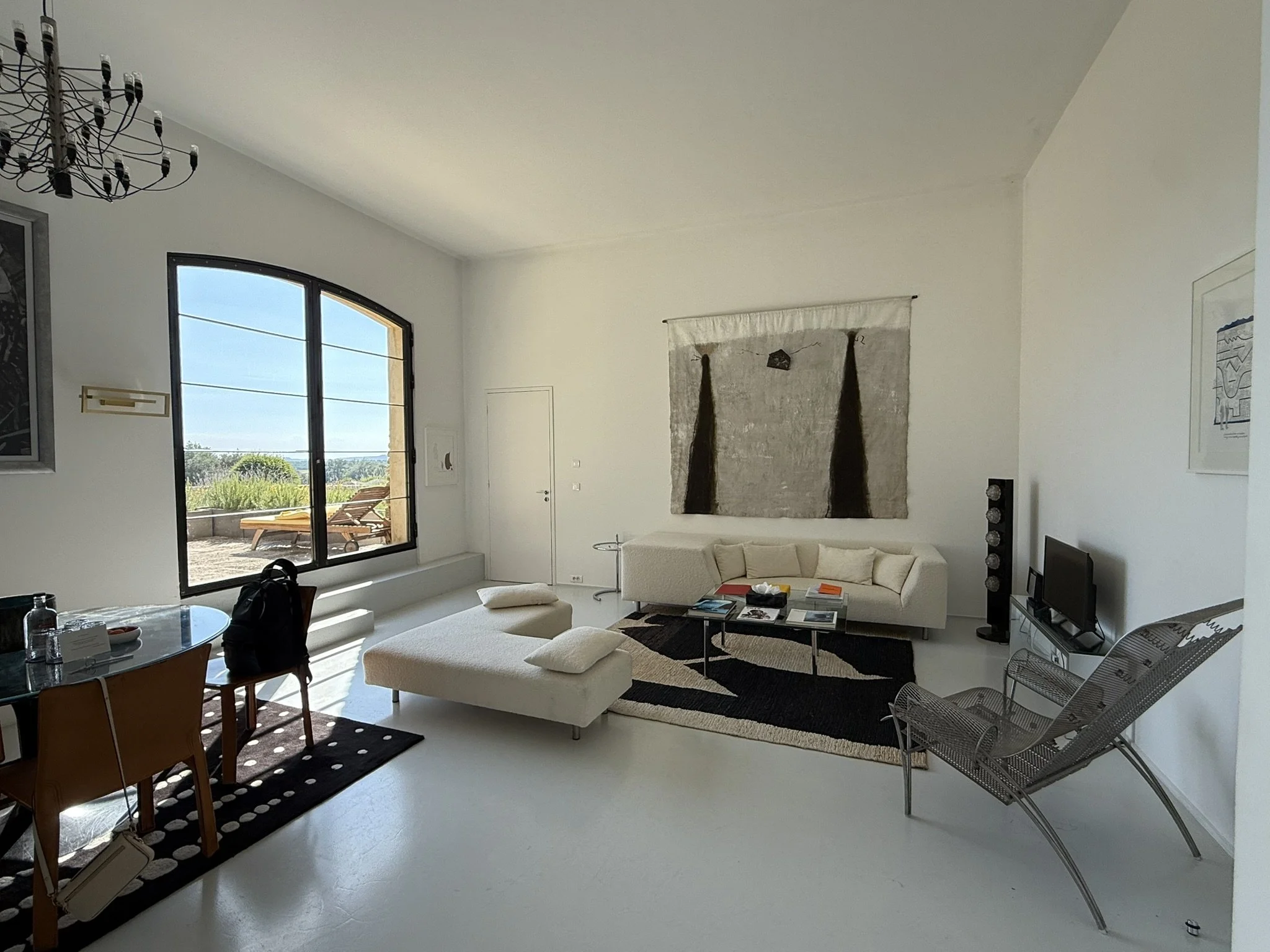
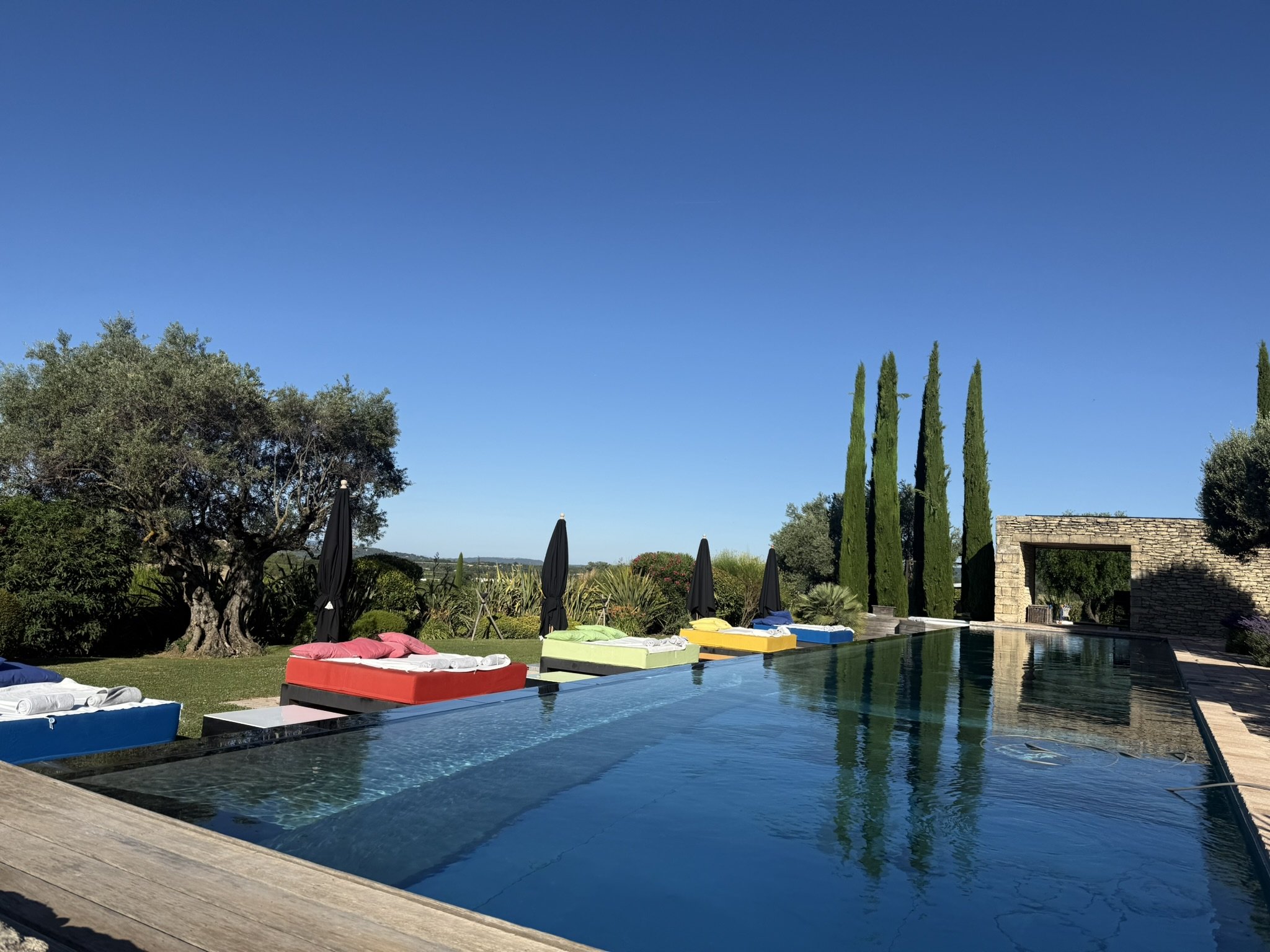
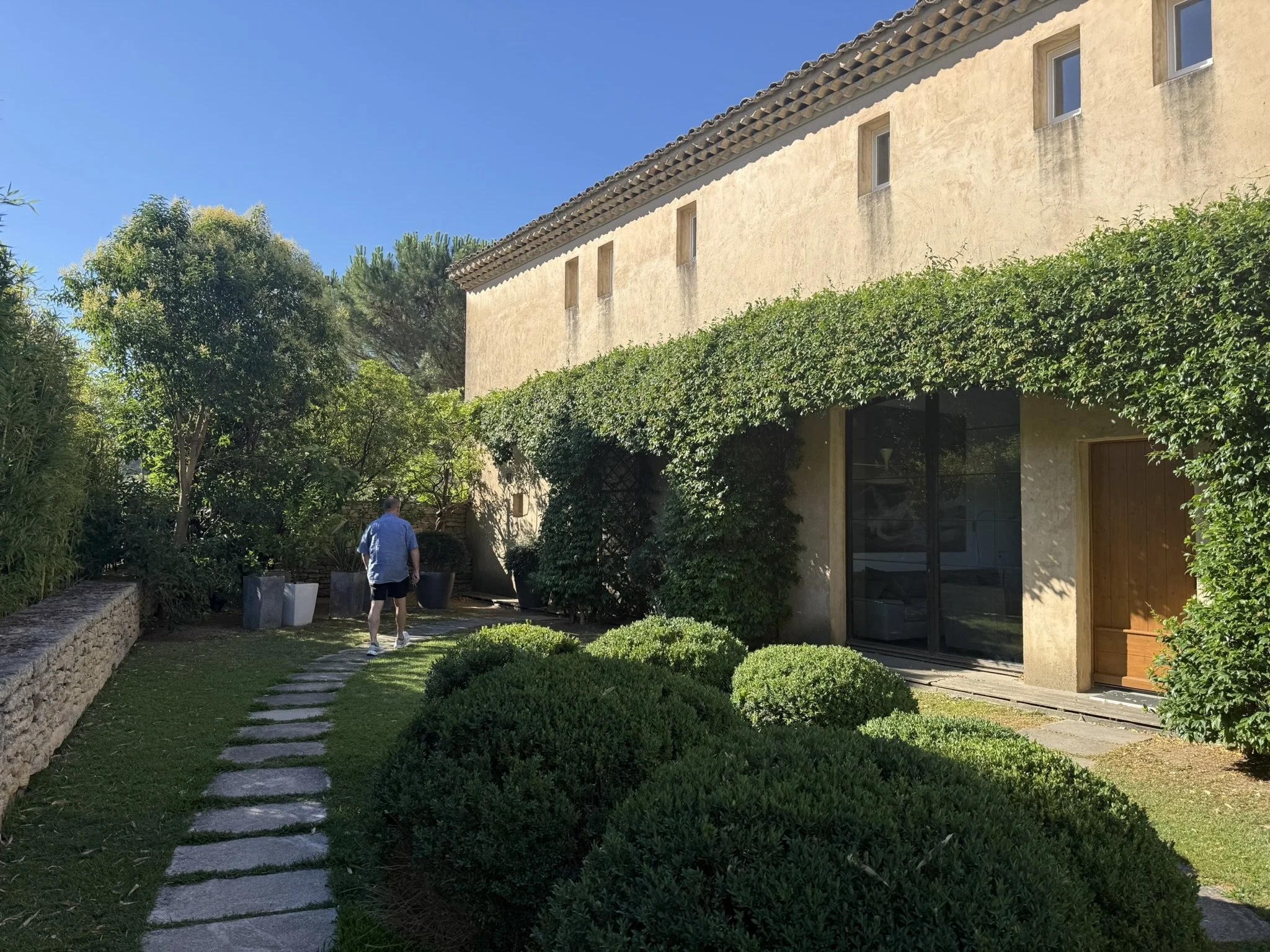
Domaine Andéols (Saint-Saturnin-lès-Apt): This is a Marriott associated property and it was gorgeous! It is on 32-hectares with olive groves, lavender fields, perfectly manicured gardens, infinity pools overlooking the valley, restaurant, and more. The grounds are amazing! You feel very secluded in the French countryside but aren’t far from all the major attractions of Provence. The service was fantastic. Our “room” (more like a 2 BR townhome) was incredible, spacious and had a lovely outdoor patio. When we were there, it was HOT and the AC worked really well (which isn’t typical of many European hotels). We loved staying here.
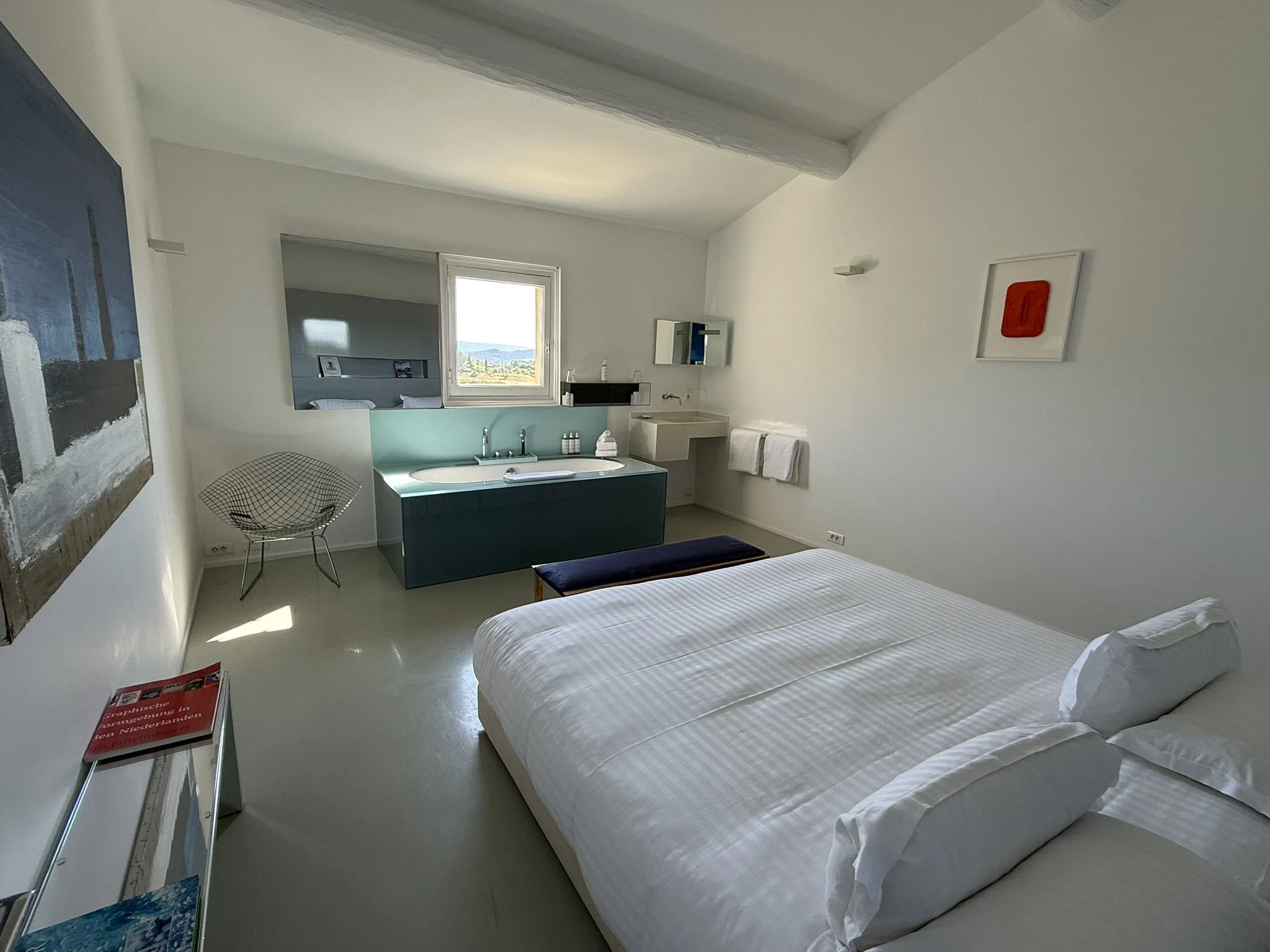
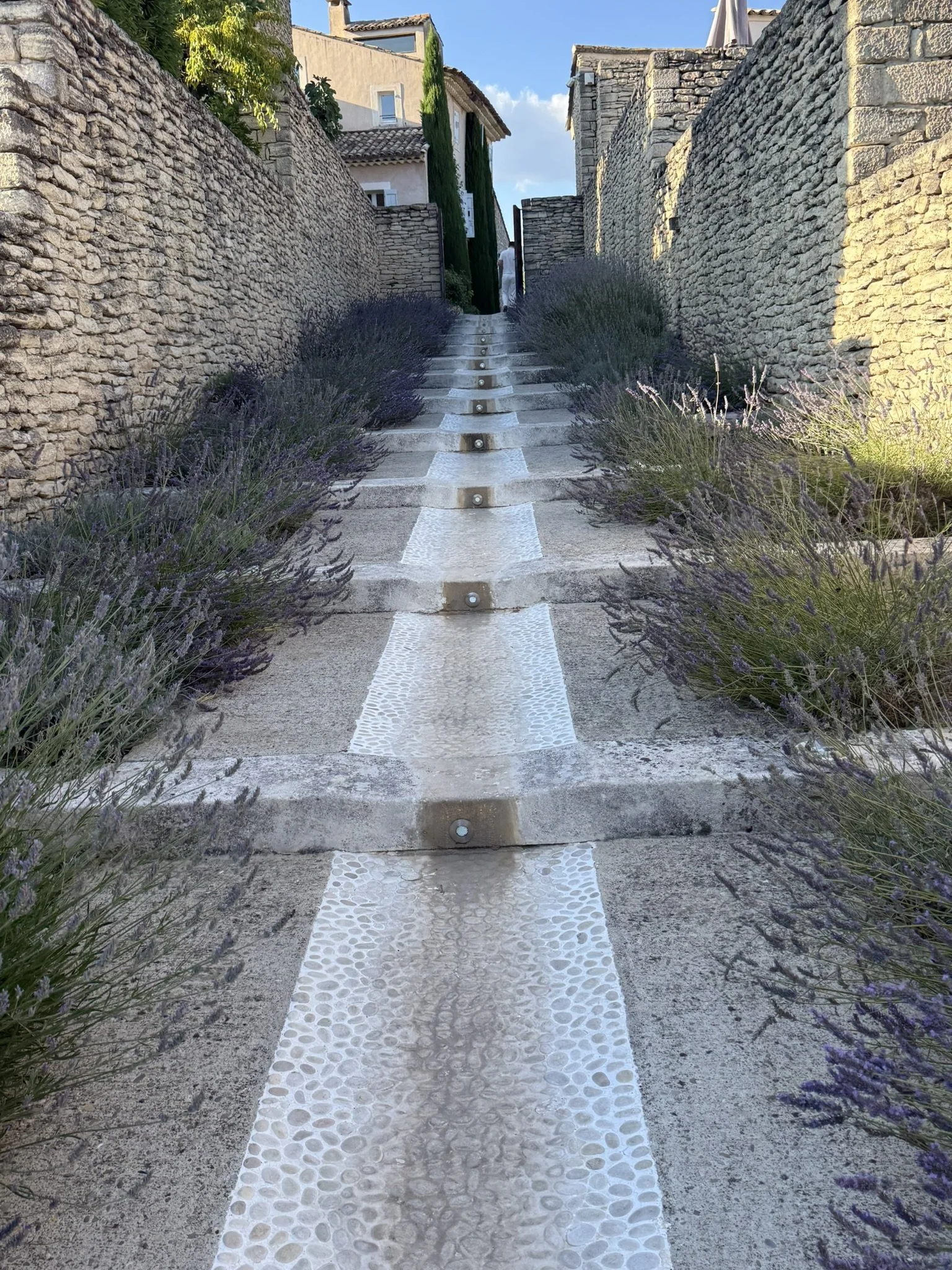
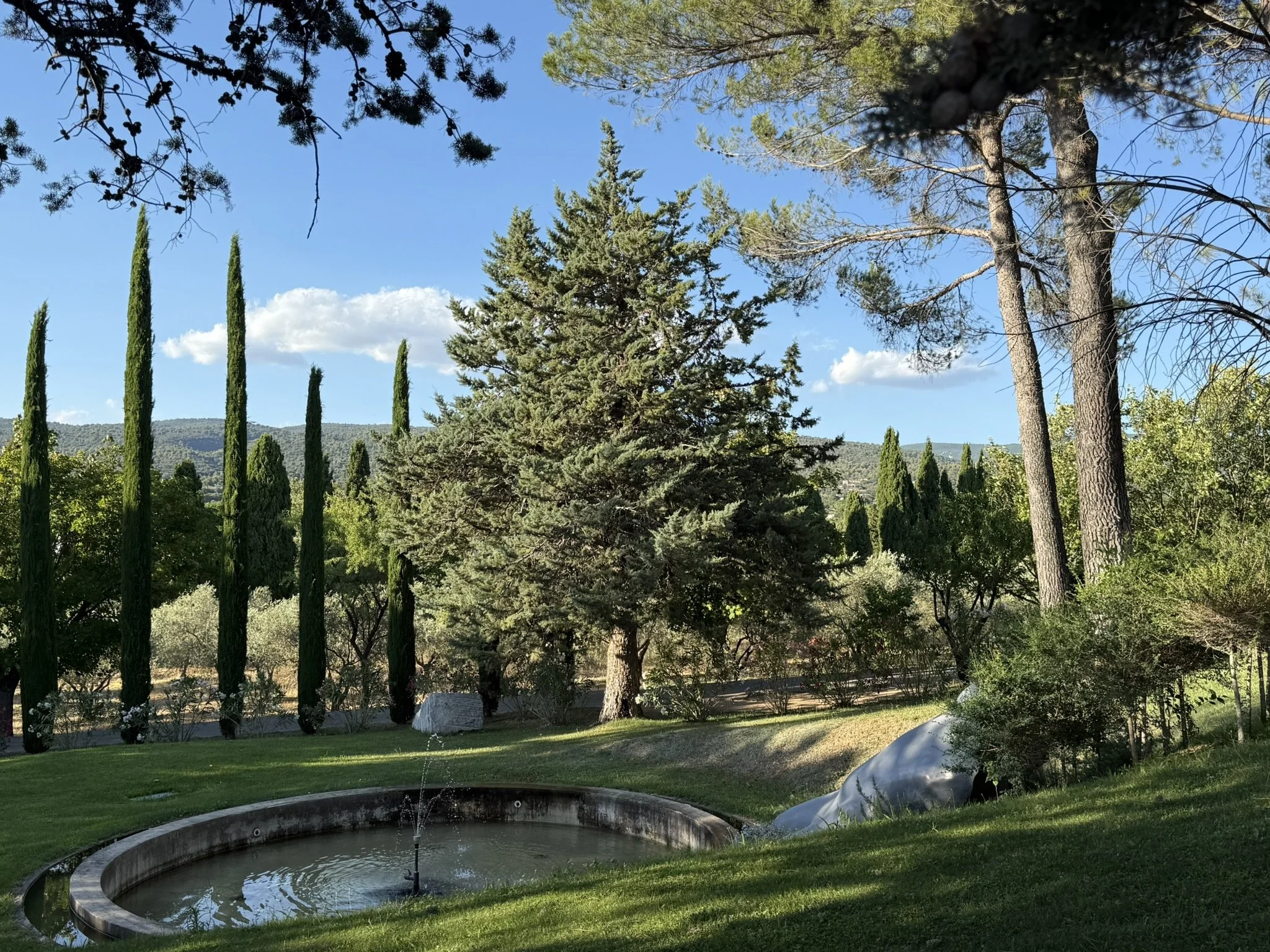
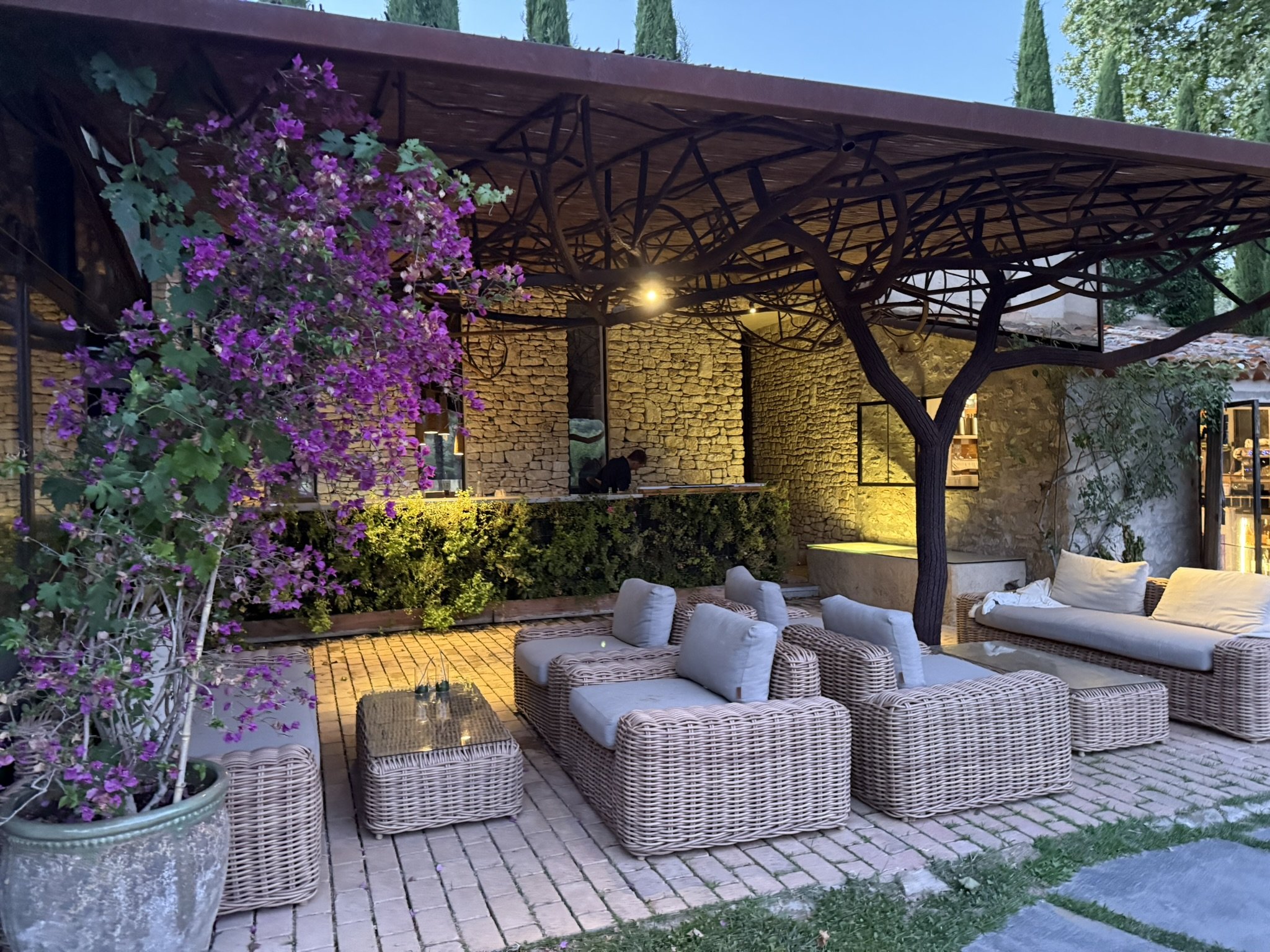
Coquillade Provence Resort & Spa (Gargas): We did not stay here but walked through when we ate at their restaurant, Cipressa. The grounds were beautiful with vineyards and lavender fields. It is a 5-star retreat with an award-winning spa, premium cycling center, beautiful pools, and 3 restaurants.
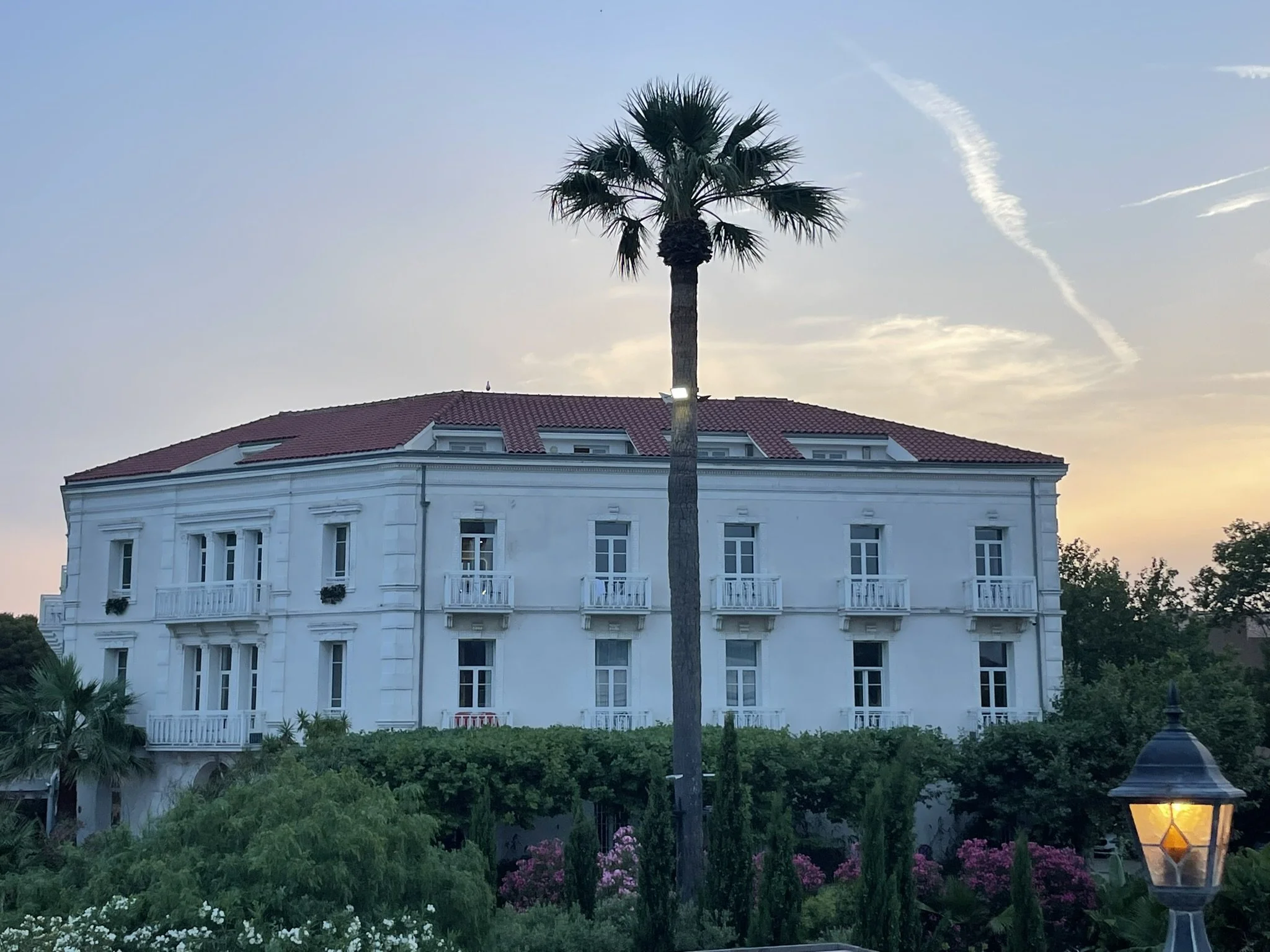
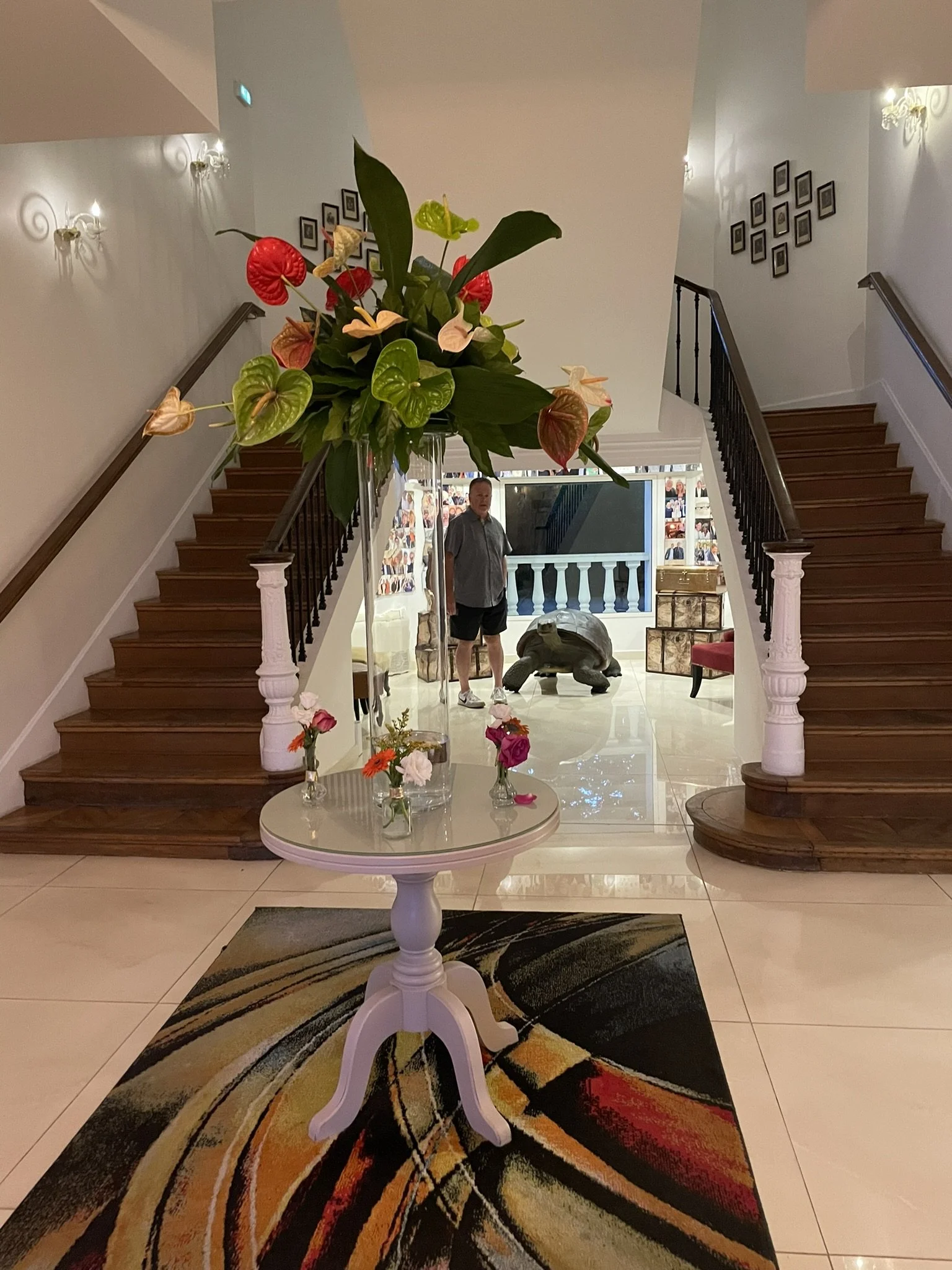
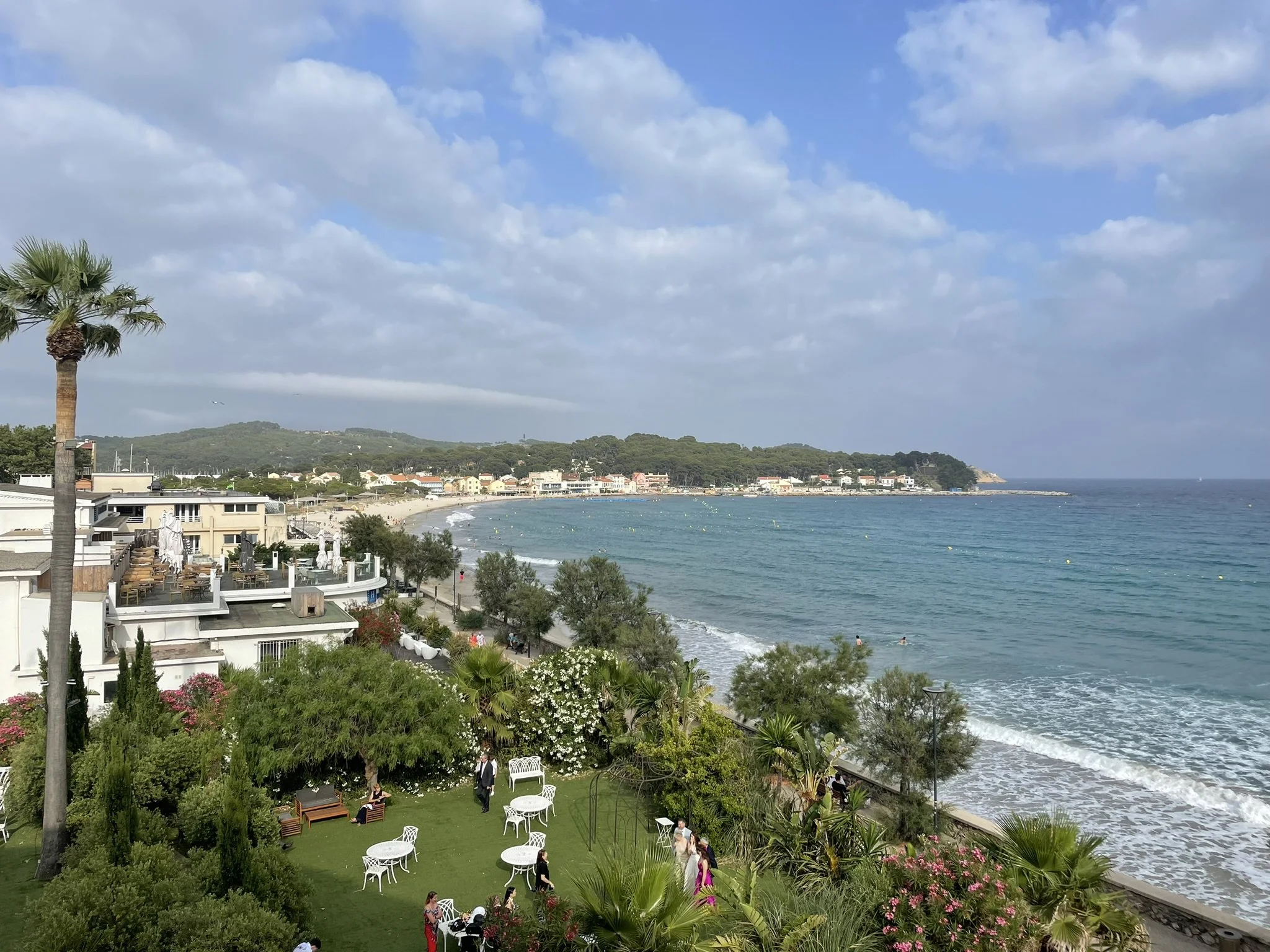
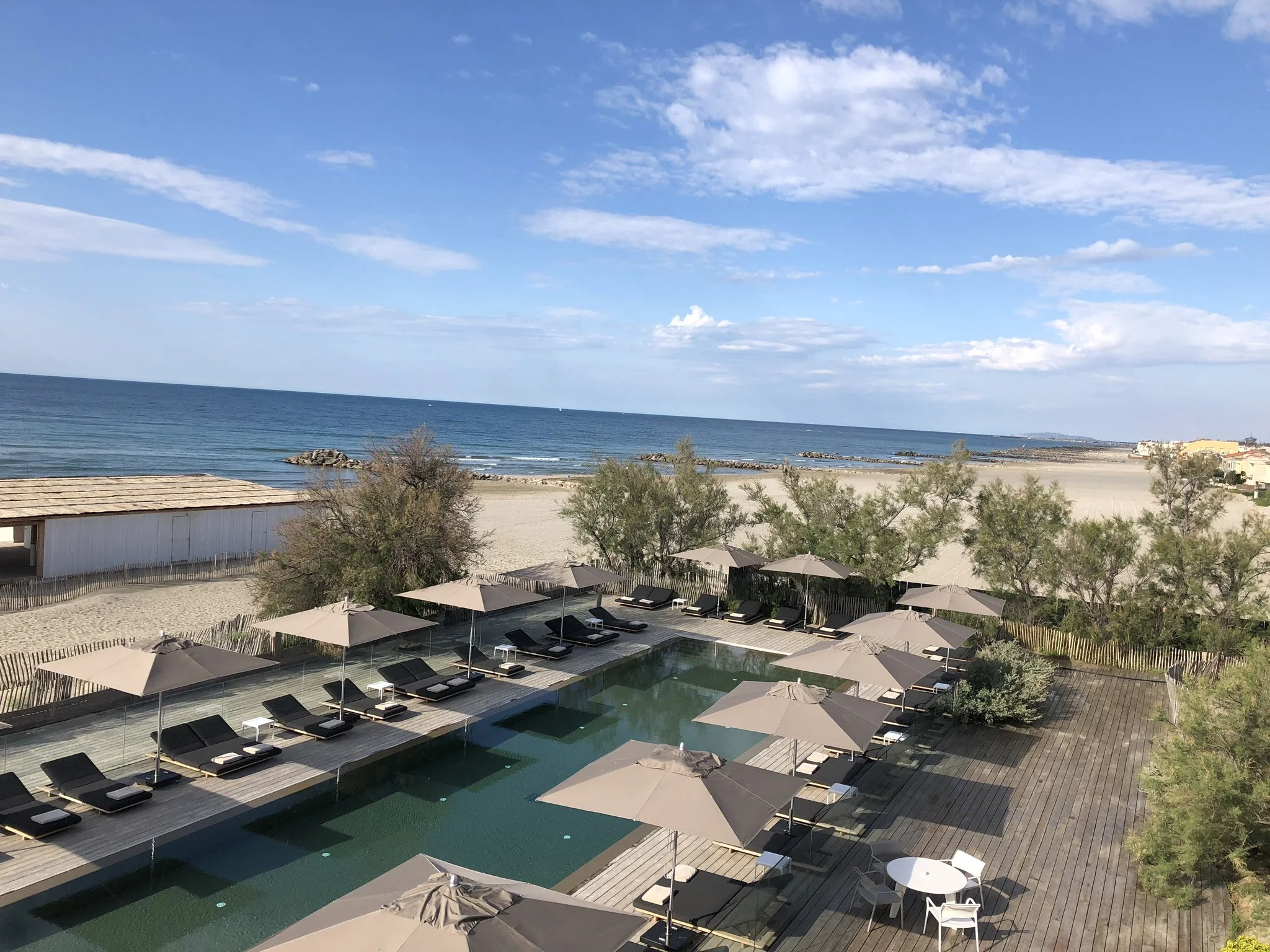
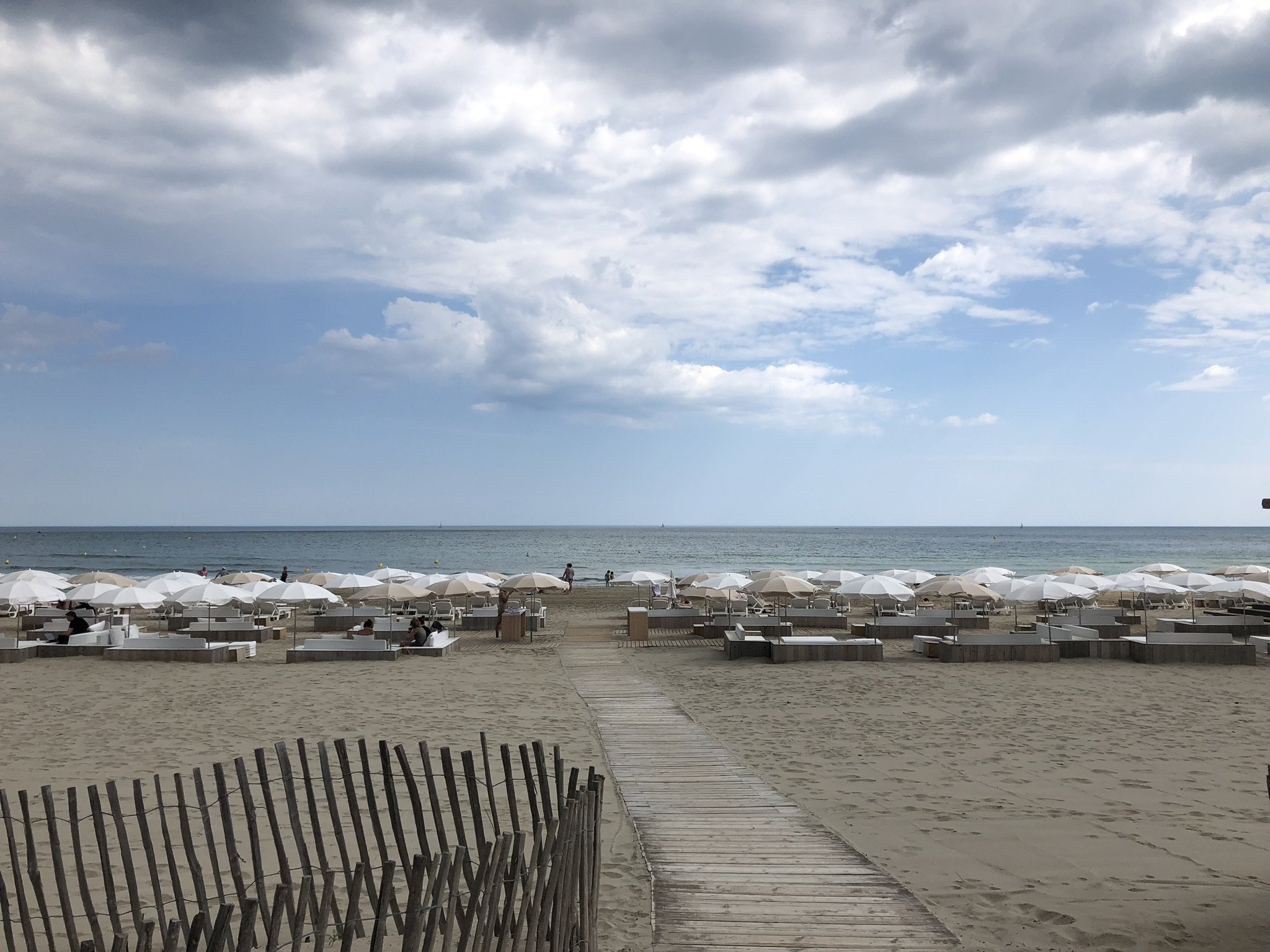
Grand Hotel des Sablettes-Plage (La Seyne-sur-Mer): This beach-front hotel, originally built in 1888 and beautifully restored, is now part of Hilton’s Curio Collection. When staying here you have direct access to Les Sablettes beach, a luxury spa with indoor and outdoor pools, and three restaurants. The views were amazing.
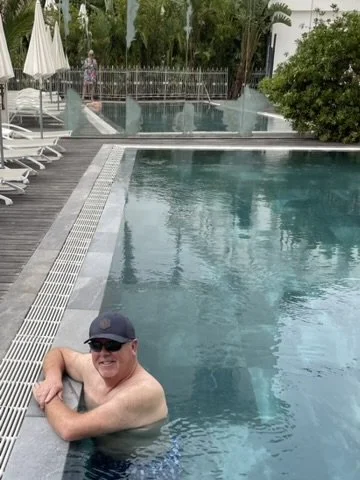

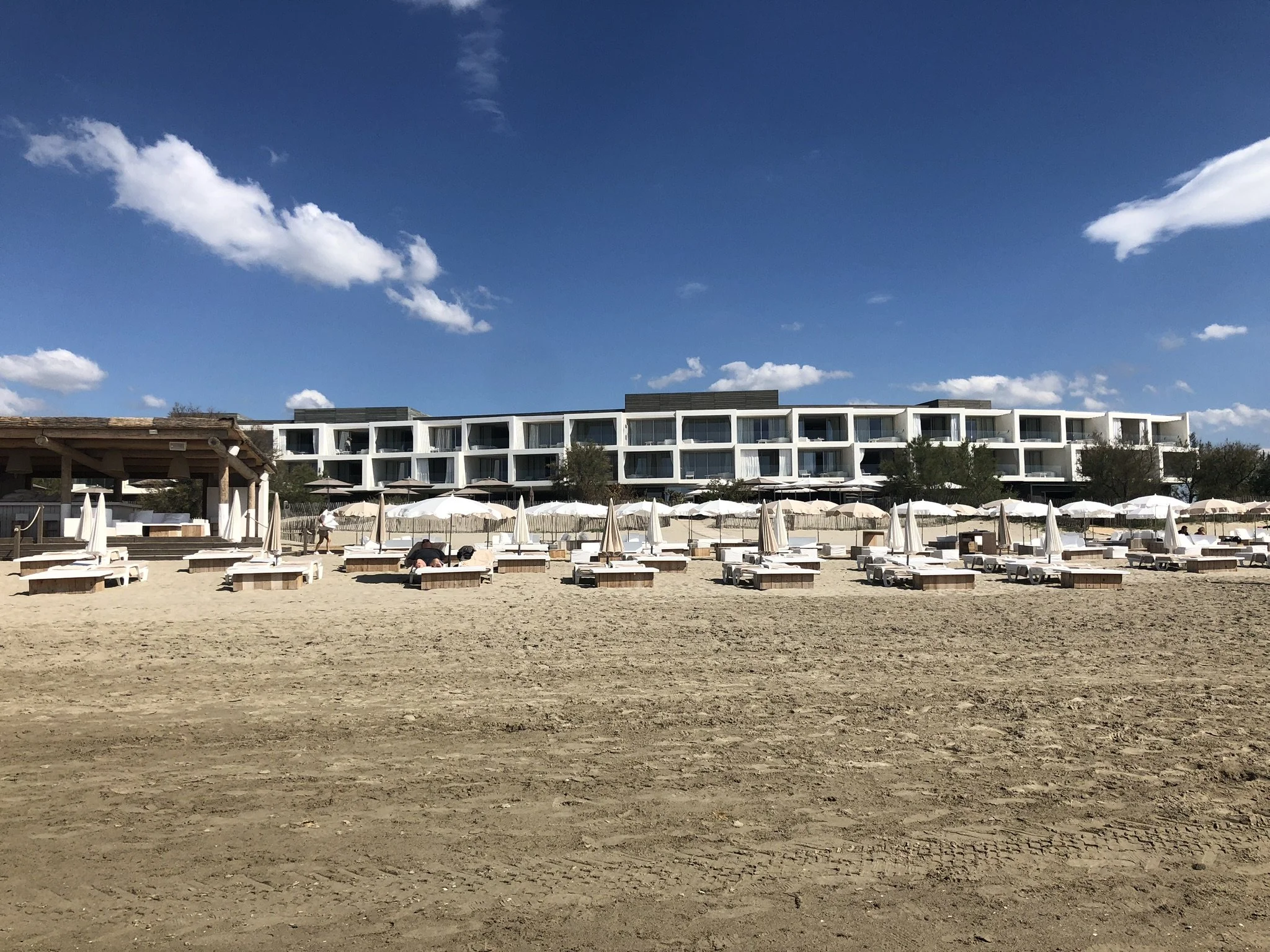
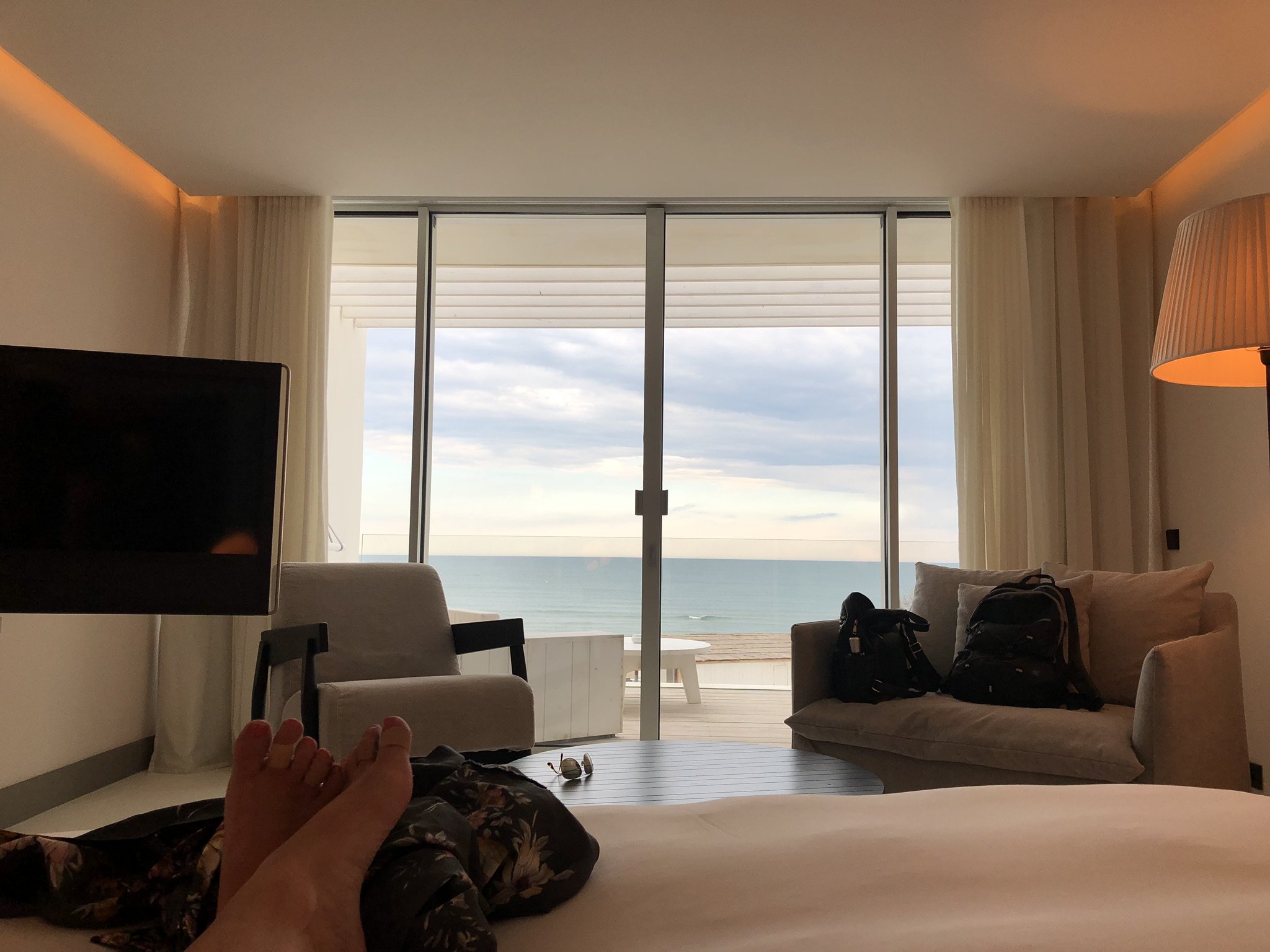
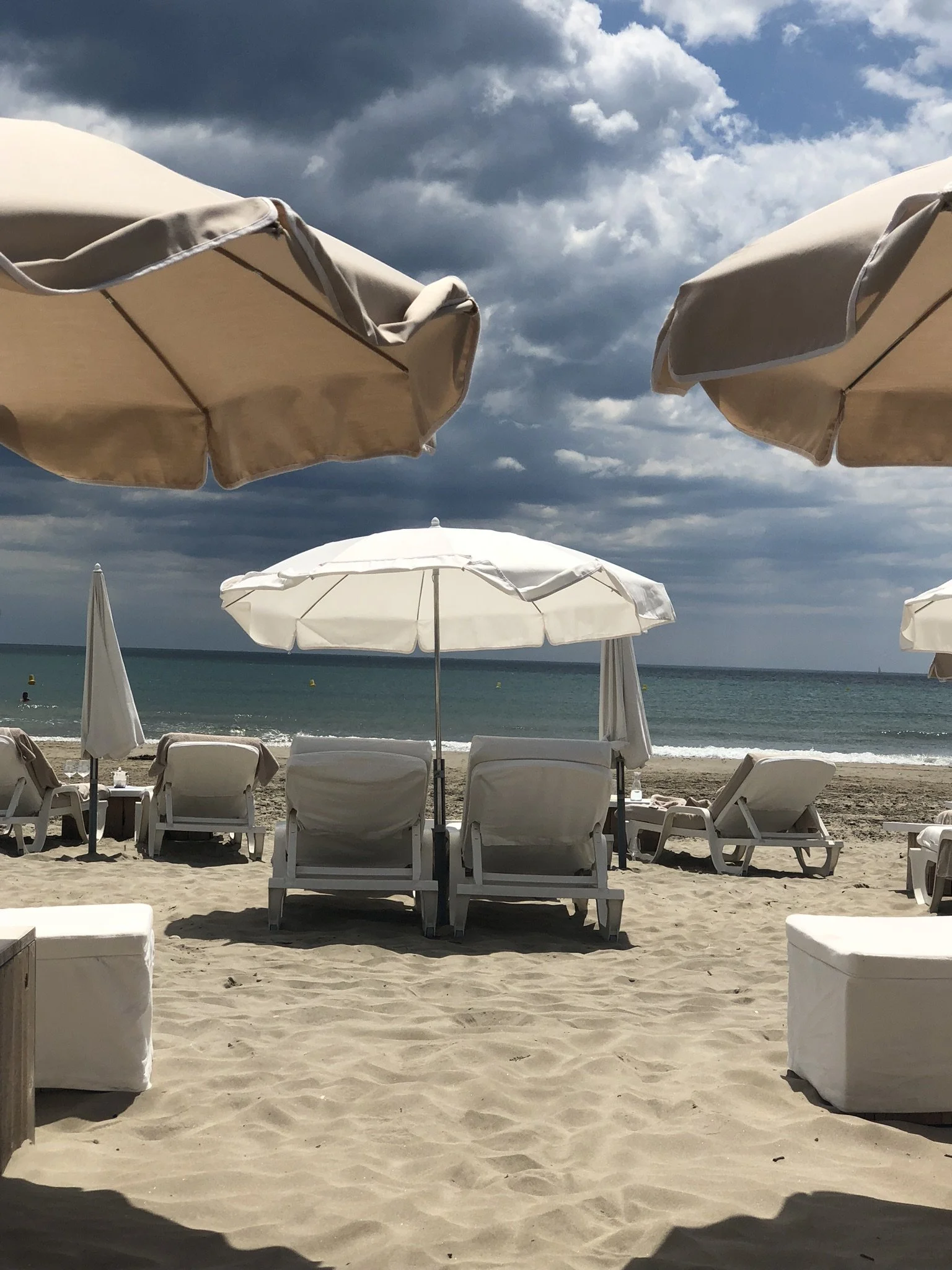
Plage Palace (Palavas-les-Flots): This 5-star hotel is right on the beach. It has rooms and suites with sea-view terraces, a heated outdoor pool and a private beach with shaded day beds. There is also a spa with a fitness room, hammam, and jacuzzi. We enjoyed our beach view here.
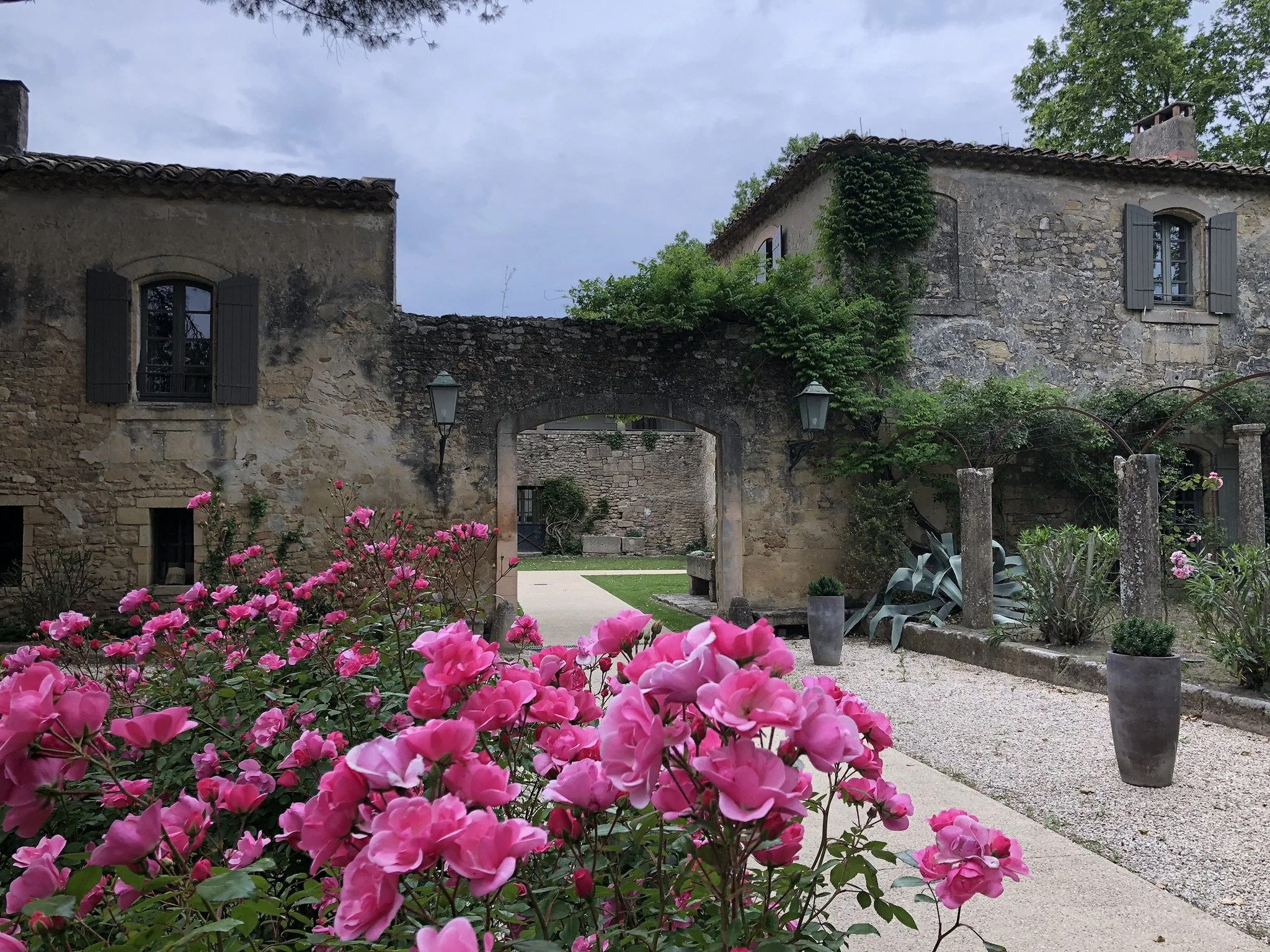
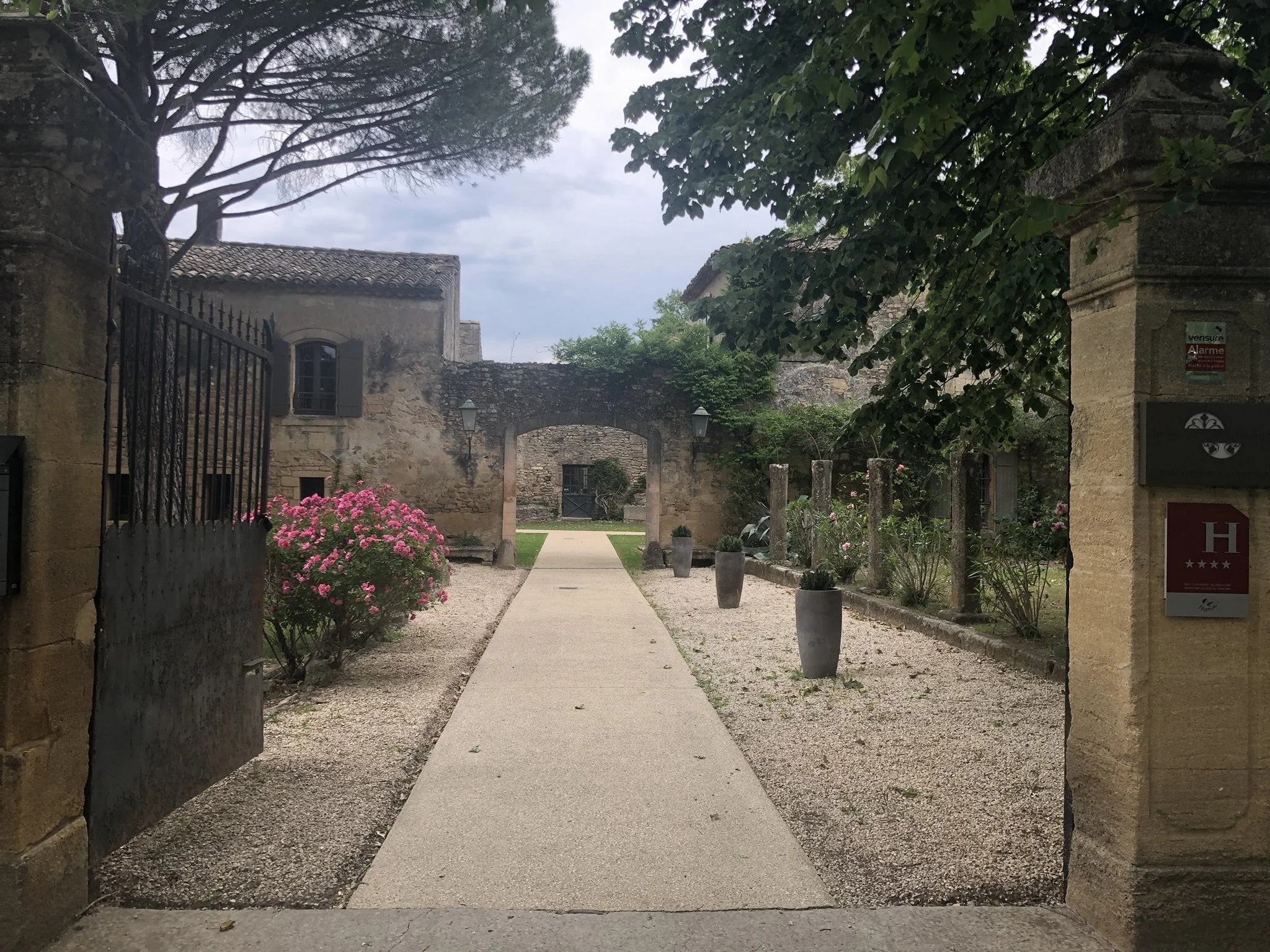
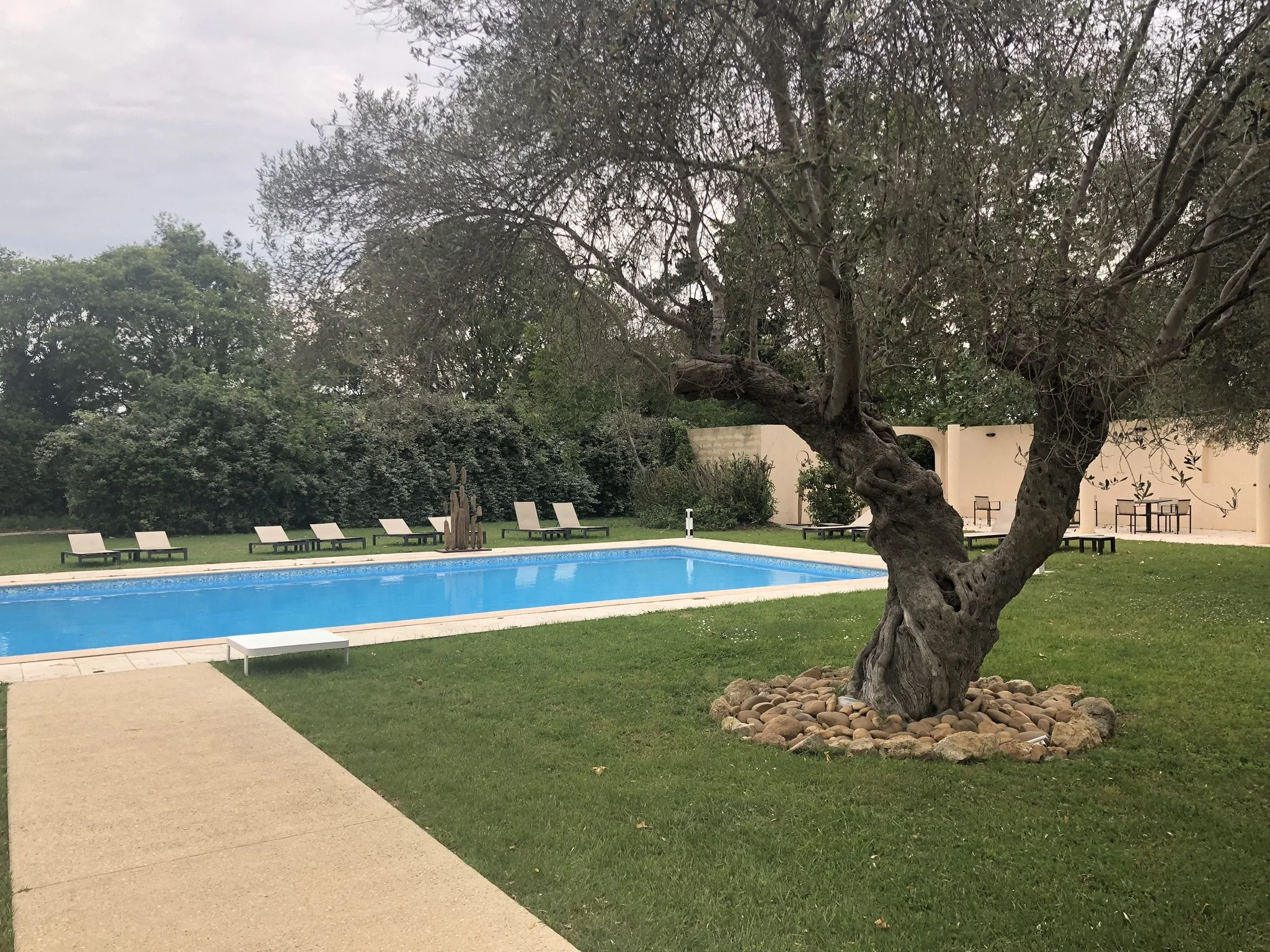
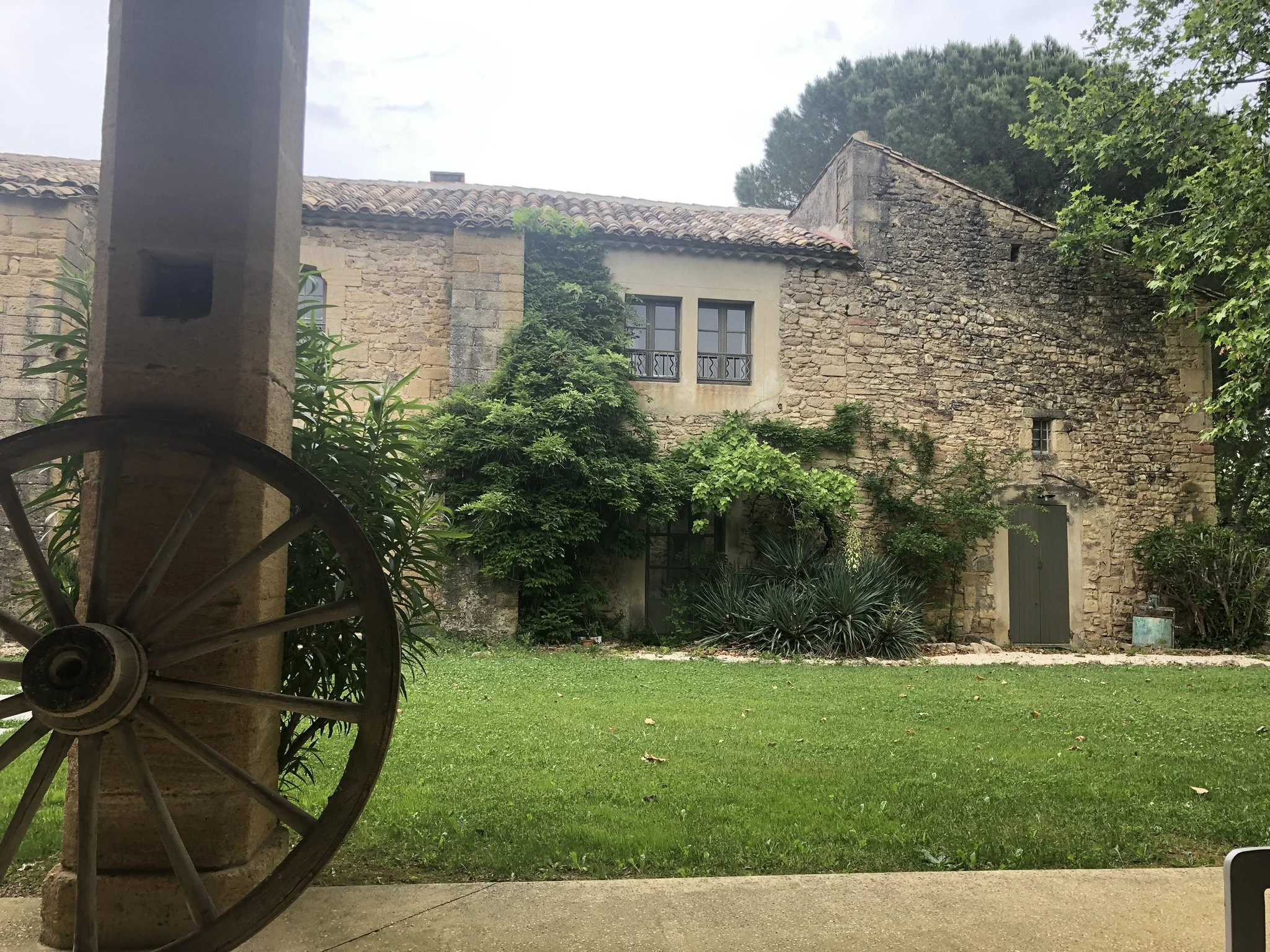
La Bégude Saint-Pierre (Vers-Pont-du-Gard): This was a very charming hotel set in a restored 17th century former post house. It is set on a large estate of olive trees and has a wonderful restaurant and outdoor swimming pool. The location was amazing as you could walk a short distance to Pont du Gard.
Le Meridien (Nice): This is a large Marriott family property right on the Promenade des Anglais across from the Mediterranean Sea and very close to Old Town. We had a room with a beautiful view and there was a lovely rooftop terrace with great views and an outdoor pool. The hotel also offered a restaurant, lounge, and fitness center with steam room and sauna.